Puccini – Tosca
Floria Tosca – Marta Mari
Mario Cavaradossi – Bror Magnus Tødenes
Il barone Scarpia – Claudio Sgura
Cesare Angelotti – Mattia Denti
Il sagrestano – Matteo Torcaso
Sciarrone – Liu Huigang
Spoletta – Oronzo D’Urso
Un carciere – Carlo Cigni
Un pastore – Spartaco Scaffei
Coro di voci bianche dell’Accademia del Maggio Musicale Fiorentino, Coro del Maggio Musicale Fiorentino, Orchestra del Maggio Musicale Fiorentino / Michele Gamba.
Stage director – Massimo Popolizio.
Maggio Musicale Fiorentino, Florence, Italy. Thursday, January 15th 2026.
Tonight’s performance of Massimo Poplizio’s production of Tosca occurred a day after the 126th anniversary of the first performance of Puccini’s opera. As is frequently the case here, the Maggio has double-cast the run, with the main cast taking the bulk of the performances, while the secondary cast is performing on two evenings. Tonight, I saw the second of the casts, featuring the experienced Scarpia of Claudio Sgura, alongside the younger generation of singers represented by Marta Mari, a soprano from Brescia whose repertoire so far has included Mimì, Liù, and Suor Angelica, and Bror Magnus Tødenes, who I saw as Rodolfo in Stockholm last year, making his role and house debut as Cavaradossi.
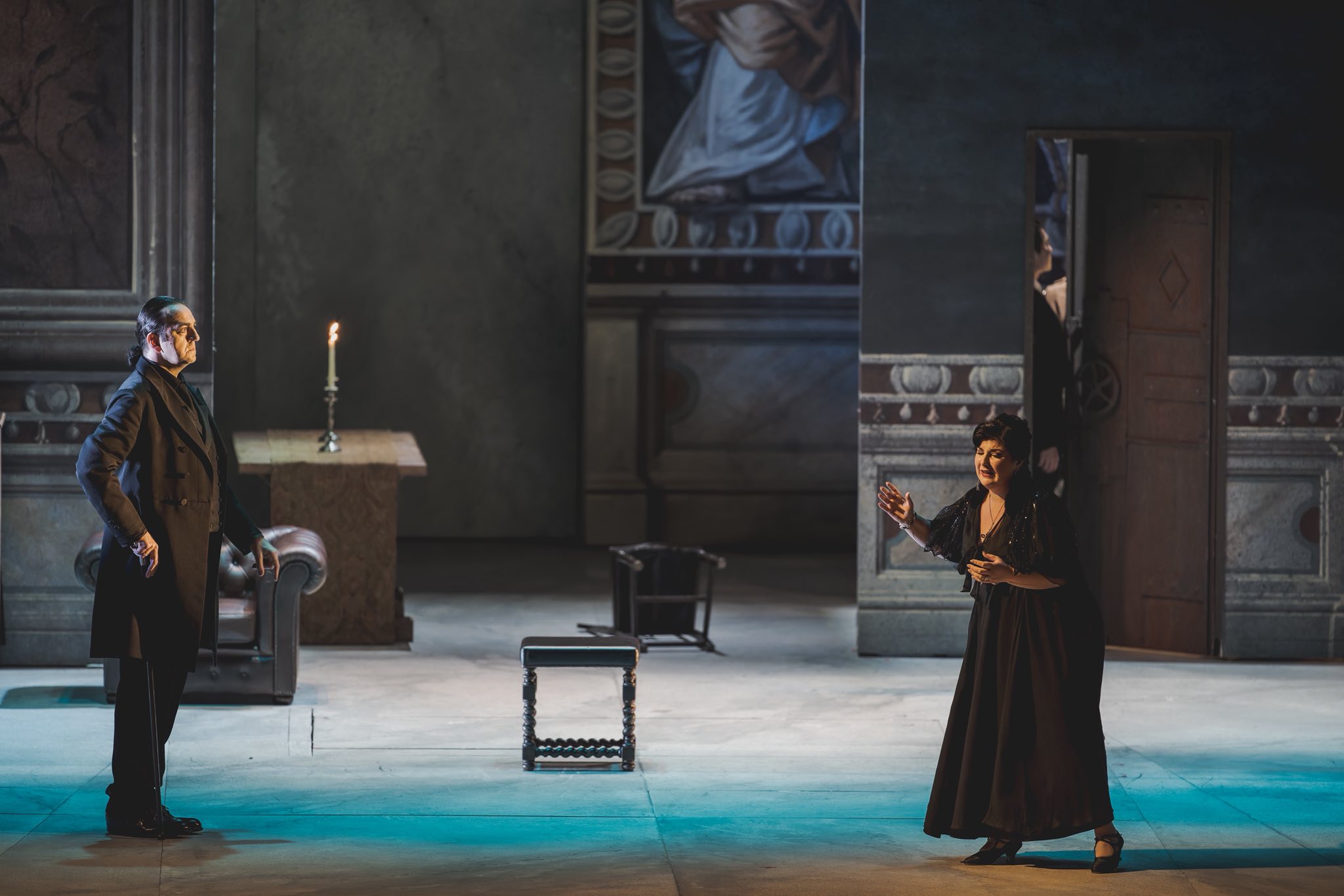
Popolizio’s production, revived tonight by Paola Rota, initially comes across as rather statuesque. He stays true to the locations in the libretto, but appears to update the action to the 1920s, with Scarpia listening to the cantata via a radio set. His direction of the principals does consist of a considerable amount of standing and gesticulating to the front, with Cavaradossi’s ode to Tosca’s eyes sung without him even looking at them. The chorus is marched on, parked, and marched off again, with a few of the children asked to move from one side of the stage to another in order to add some visual interest. The sets, by Margherita Palli, in the first two acts are rather imposing, with the Palazzo Farnese consisting of some impressive frescoes, yet the result was that the visuals seemed to drive the action more than the personenregie.

That was, until Act 3. Perhaps it’s no coincidence that the set for the final act is so much sparer than those of the previous two, consisting of a desk for the jailer on one side, and a cell for Cavaradossi on the other. This almost forced Popolizio to create more vivid personenregie than in the previous acts. There was a real sense here that the singers were made to engage with each other, to project emotion through gesture, much more consistently than was the case earlier in the evening. Popolizio even introduces an interesting twist at the end. While the firing squad does in fact shoot Cavaradossi, a group of men in trilbies also show up, with one shooting him in the head. This actually gave the idea that Scarpia may well have organized a simulated execution, but instead that Cavaradossi was murdered out of revenge for the police chief’s murder. While the first two acts were rather prosaic, it did feel that Popolizio’s staging really found its feet in the final act.
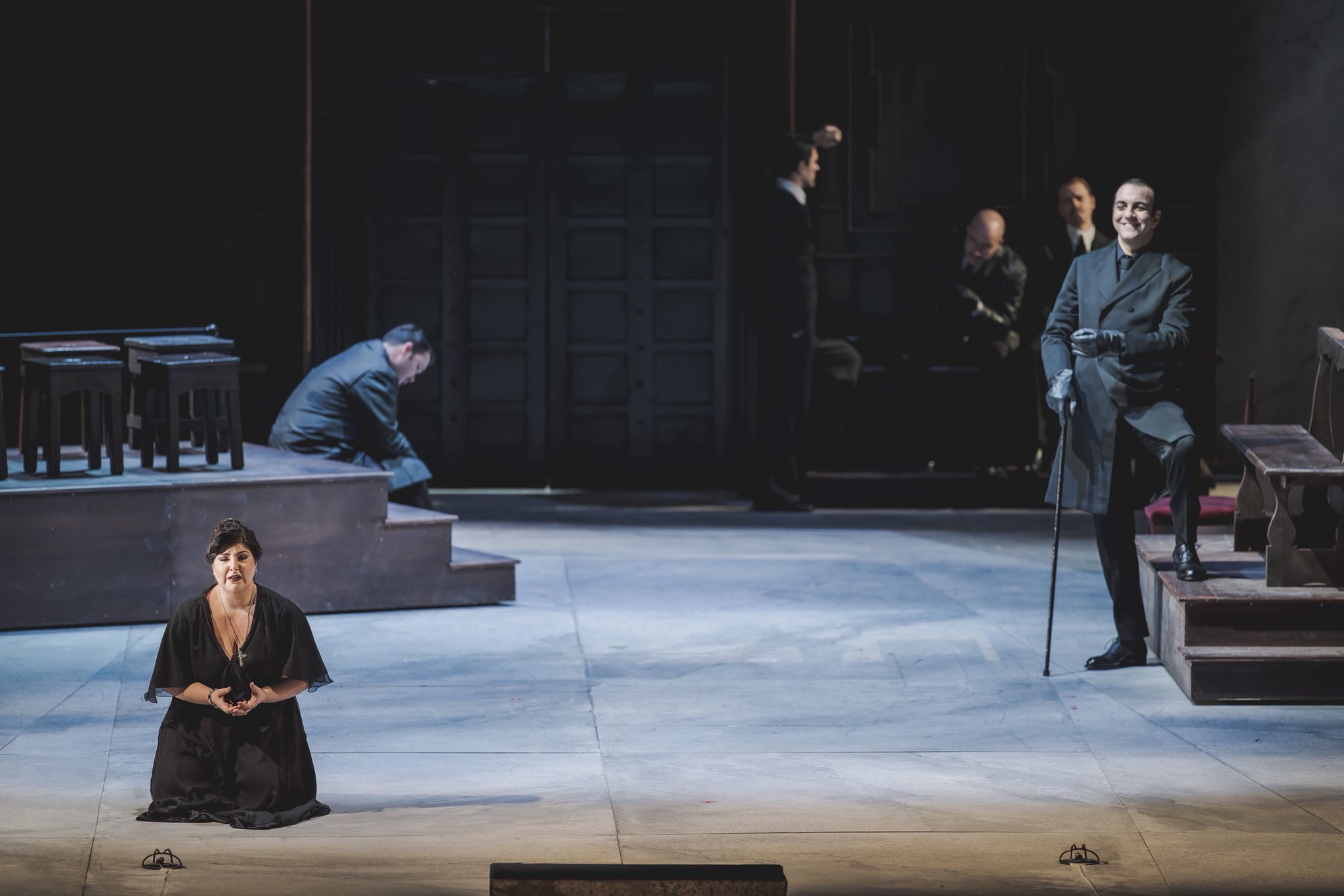
Something special happens when the Maggio orchestra plays Puccini. Maybe it’s because this is a band based in Puccini’s home region, maybe it’s the Tuscan dialect manifesting itself in their articulation, but the way that they phrase his melodies seems to embody the very soul of his music. There’s a naturalness to the phrasing that I haven’t heard from any other orchestra. Michele Gamba led an interesting reading. He took the first act quite swiftly, the love duet given a sense of irresistible forward momentum, bringing out that sentiment of revolutionary young love. Scarpia’s entrance wasn’t quite as terrifying as I’ve heard it elsewhere, but he kept the choruses and orchestra together precisely. Gamba took the torture scene in Act 2 relatively slowly, tightening the screw by building up the layers gradually and inexorably, not afraid to pull back and let the emotion through. It was certainly impressive. The closing motif of Act 3 was also taken at a measured tempo, allowing us to reflect on Tosca’s impressive jump. Indeed, the lasting impression I have of Gamba’s reading is that it was thoughtful and efficient. He was fully in control of his forces, but I would have preferred some more dynamism and drama. The orchestra played exceptionally for him. The winds were always nicely forward, particularly the fruity clarinets and oaky bassoons. The brass playing was superb, while the silky strings frequently made generous use of soupy portamenti. The choruses, with adults prepared by Lorenzo Fratini and children by Sara Matteucci, sang with pleasing unanimity of approach.
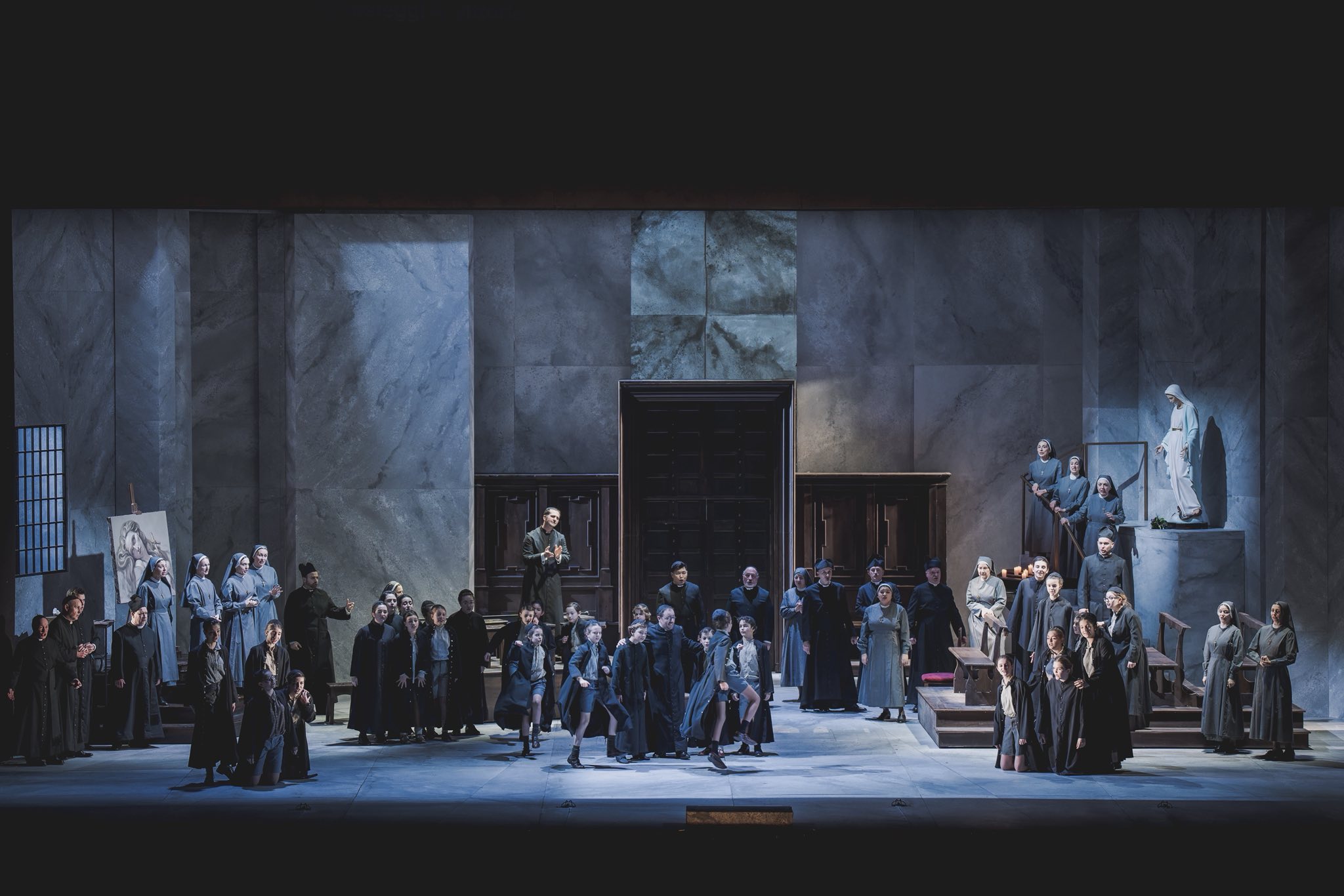
Mari undoubtedly proved herself to be a very useful artist tonight. Her soprano is a good size, with a rich, juicy bottom, and a top that opens up and vibrates freely. She sang throughout with enthusiasm and generosity. I did find her ‘vissi d’arte’ to be big-heartedly sung, although I would have liked her to pull back a bit on the volume and shade the tone and dynamics more. The voice also loses a little of the core of the tone at lower dynamics, but she’s young and this will come. It’s a very fine instrument and I imagine she has a bright future in the bigger Puccini roles – Turandot, Giorgetta, and Minnie – if she looks after her material.

Tødenes is the owner of a bright, handsome lyric tenor, ideal for Mozart and Händel. As with his Rodolfo last year, I’m not convinced he’s a natural Puccinian. The acoustic of the Maggio can make the voices rather recessed and while Mari and Sgura had no trouble being heard, Tødenes was frequently barely audible, even though I was seated only seven rows back from the front. The top of the voice also tapers off, narrowing in sound, with the very top now having a troublesome dryness. That said, he did sing his ‘e lucevan le stelle’ with dignity, pulling back and shading the dynamics, even if the voice is narrow and wasn’t able to fully penetrate the room. He also mercifully didn’t hold on to this ‘vittoria’s interminably. Tødenes is a fine singer in the right repertoire, but I do worry about the longevity of his instrument if he continues to pursue this path.
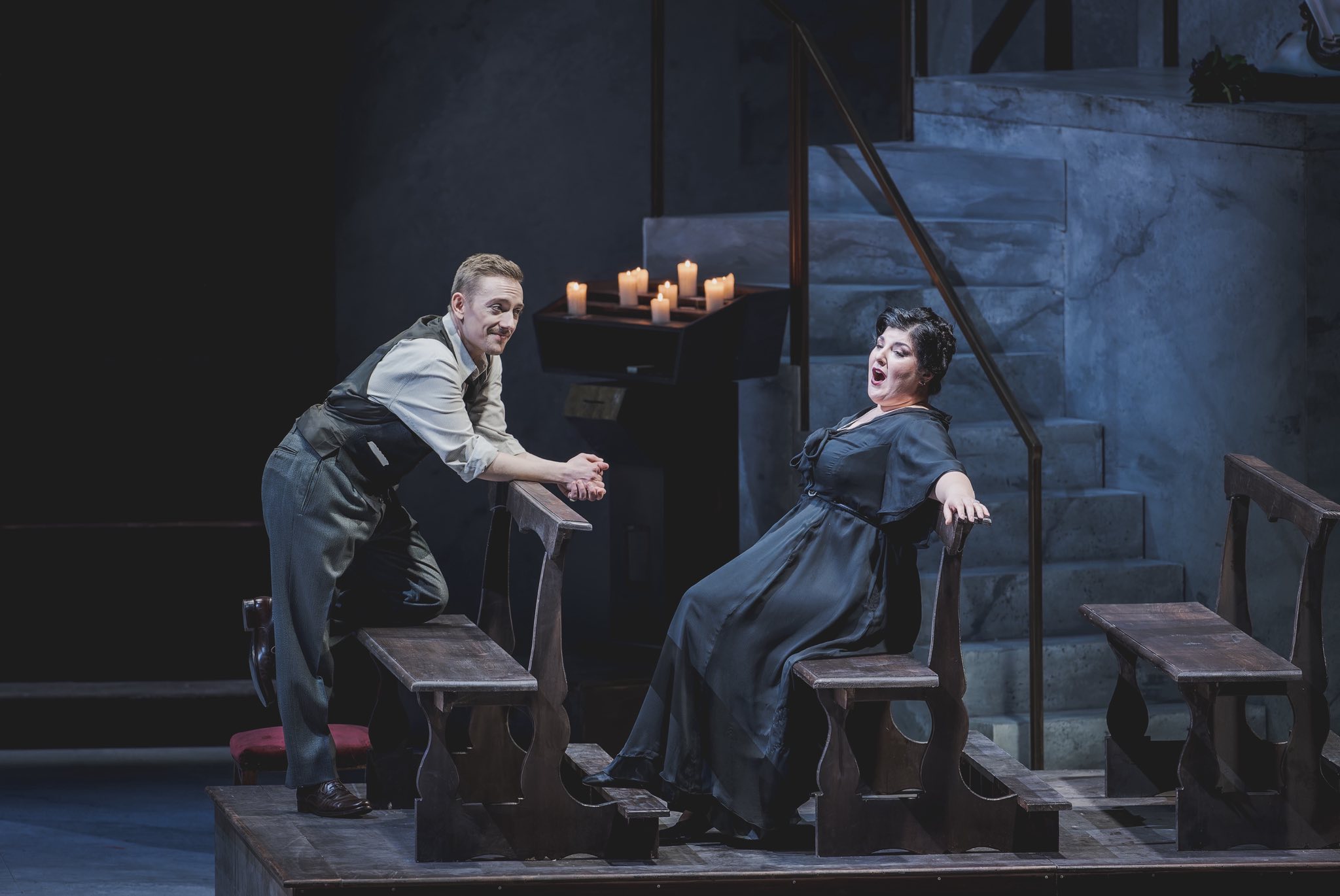
Sgura’s Scarpia is a known quantity, having seem him in the role in Naples last year. He truly sings the role, injecting it with a beauty of line that makes Scarpia’s evil even more horrifying. In the build-up to the ‘te deum’, the long, legato lines really brought the audience in, so that when Scarpia sang ‘mi fai dimenticare Iddio’ we had also forgotten the religiosity going on around him. Similarly, his reflections on his character at the opening of Act 2, were so handsomely sung that they made Scarpia’s malice sound rather tempting. His was a complex and engaging account of the role, the voice utterly healthy throughout the range, with the top, in particular, seemingly able to defy gravity.
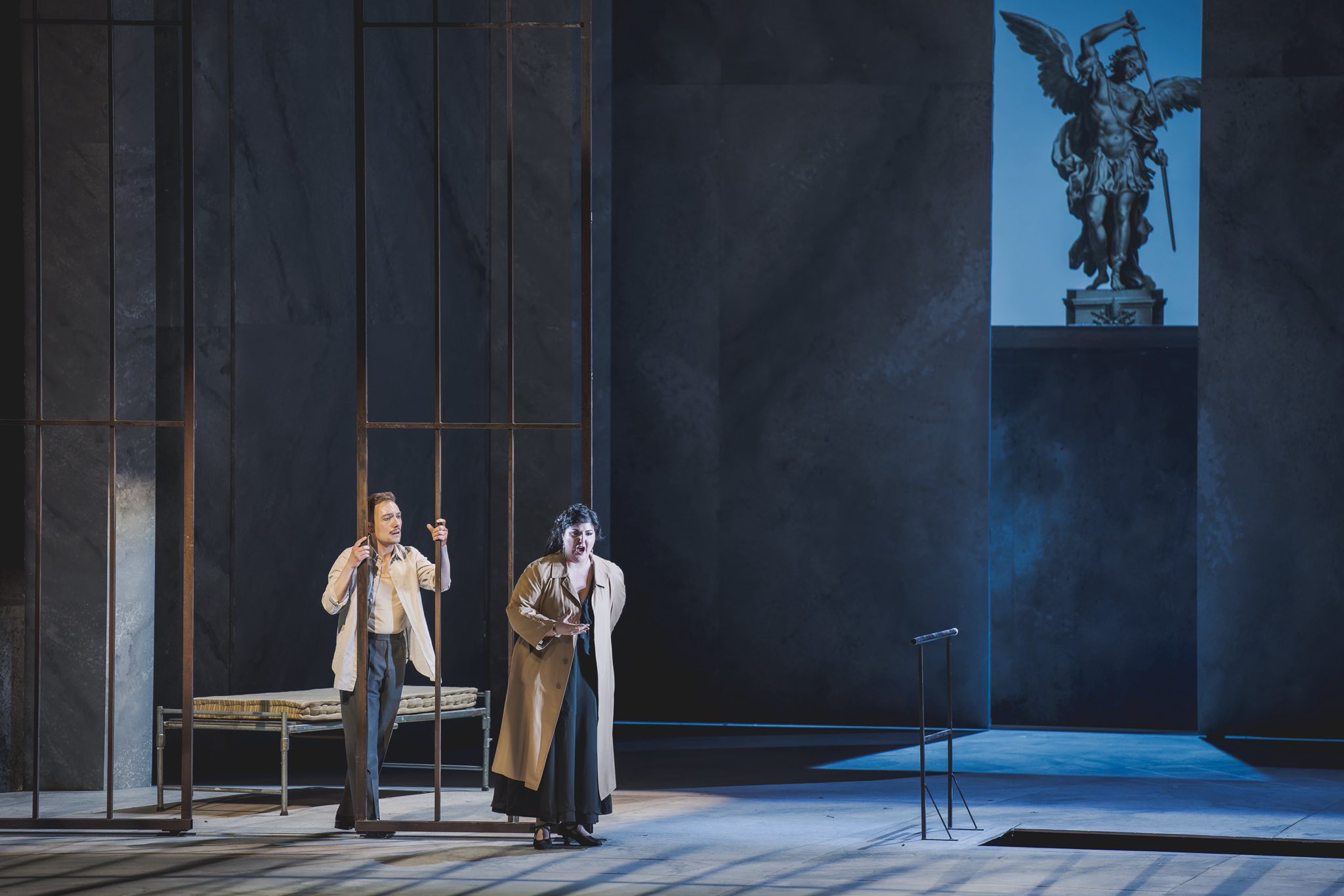
The remaining roles reflected the standards one would expect at this, one of the finest theatres in the Italian Republic. Mattia Denti sang Angelotti with confidence and focus, while Matteo Torcaso sang the Sagrestano in a robust bass, the text nicely forward. Oronzo D’Urso’s Spoletta was sung in a focused, well-projected tenor, while Liu Huigang’s rich bass was an asset to the cast as Sciarrone. Spartaco Scaffei sang the pastore with real confidence and precision, while Carlo Cigni sang the carciere in a resonant bass.
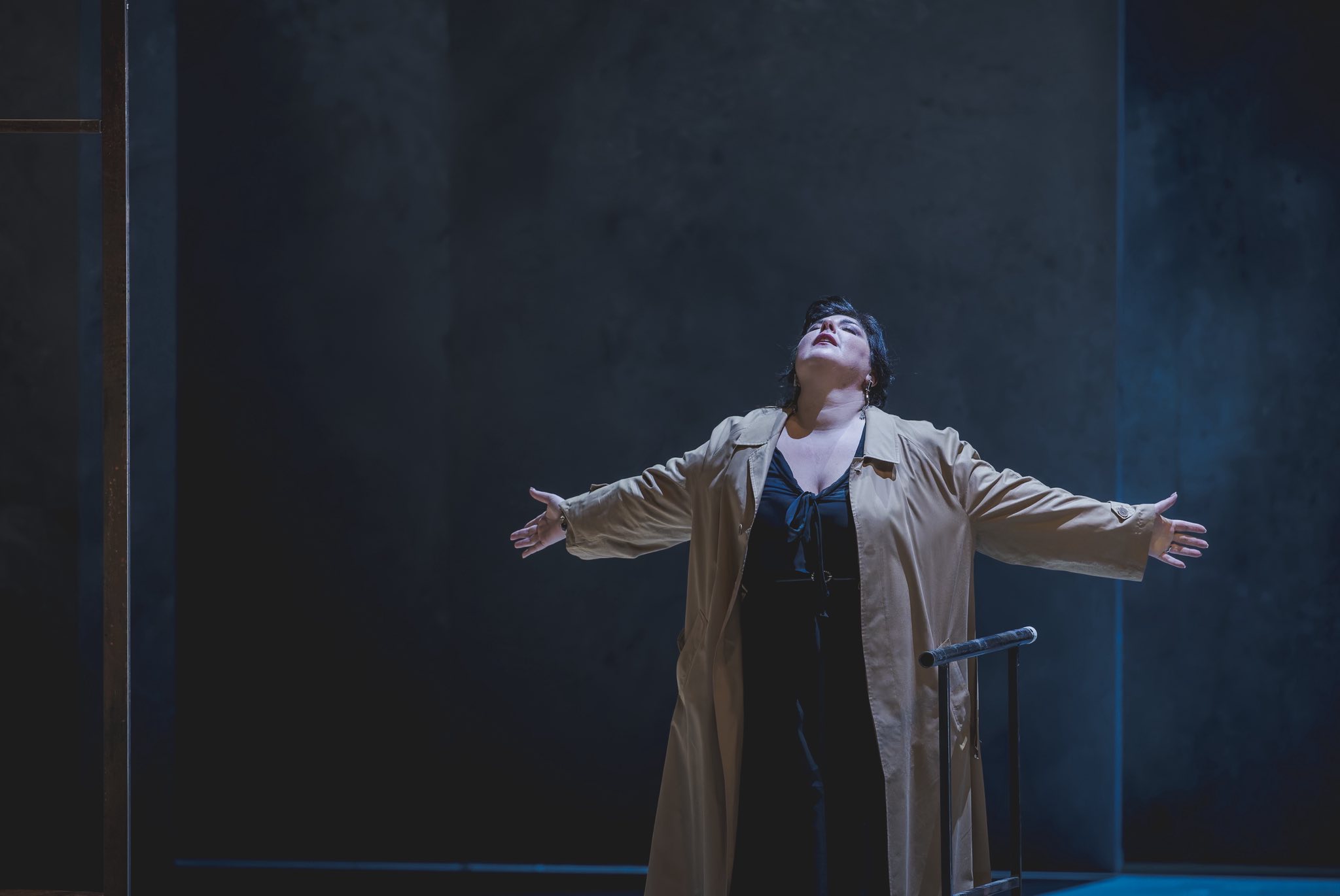
This was an evening that offered much to enjoy. Popolizio’s staging was prosaic in the first two acts, while it offered some intriguing insights in the third. Mari and Sgura were both extremely convincing in their assumptions of their roles, while Tødenes got through the evening, even if one cannot help but feel his future remains in other repertoire. The Maggio orchestra is incomparable in Puccini and Gamba’s conducting was always thoughtful and efficient. The audience responded at the close with generous applause, and particularly loud cheers for Mari and Sgura.
 operatraveller.com