Rossini – La Cenerentola
Angelina – Vasilisa Berzhanskaya
Don Ramiro – Nico Darmanin
Dandini – Roberto de Candia
Don Magnifico – Carlo Lepore
Clorinda – Albina Tonkikh
Tisbe – Martina Myskholid
Alidoro – Maharram Huseynov
Coro Teatro Regio Torino, Orchestra Teatro Regio Torino / Antonino Fogliani.
Stage director – Manu Lalli.
Teatro Regio Torino, Turin, Italy. Saturday, January 24th, 2026.
To start its program of staged operas in 2026, the Teatro Regio in Turin is presenting Manu Lalli’s production of La Cenerentola imported from the Maggio Musicale Fiorentino. As is often the case here, the run has been double cast with a combination of Italian and international singers. The theatre was absolutely packed full for this Saturday matinee performance, and there was a real buzz in the auditorium for an audience expecting some uplifting bel canto thrills.
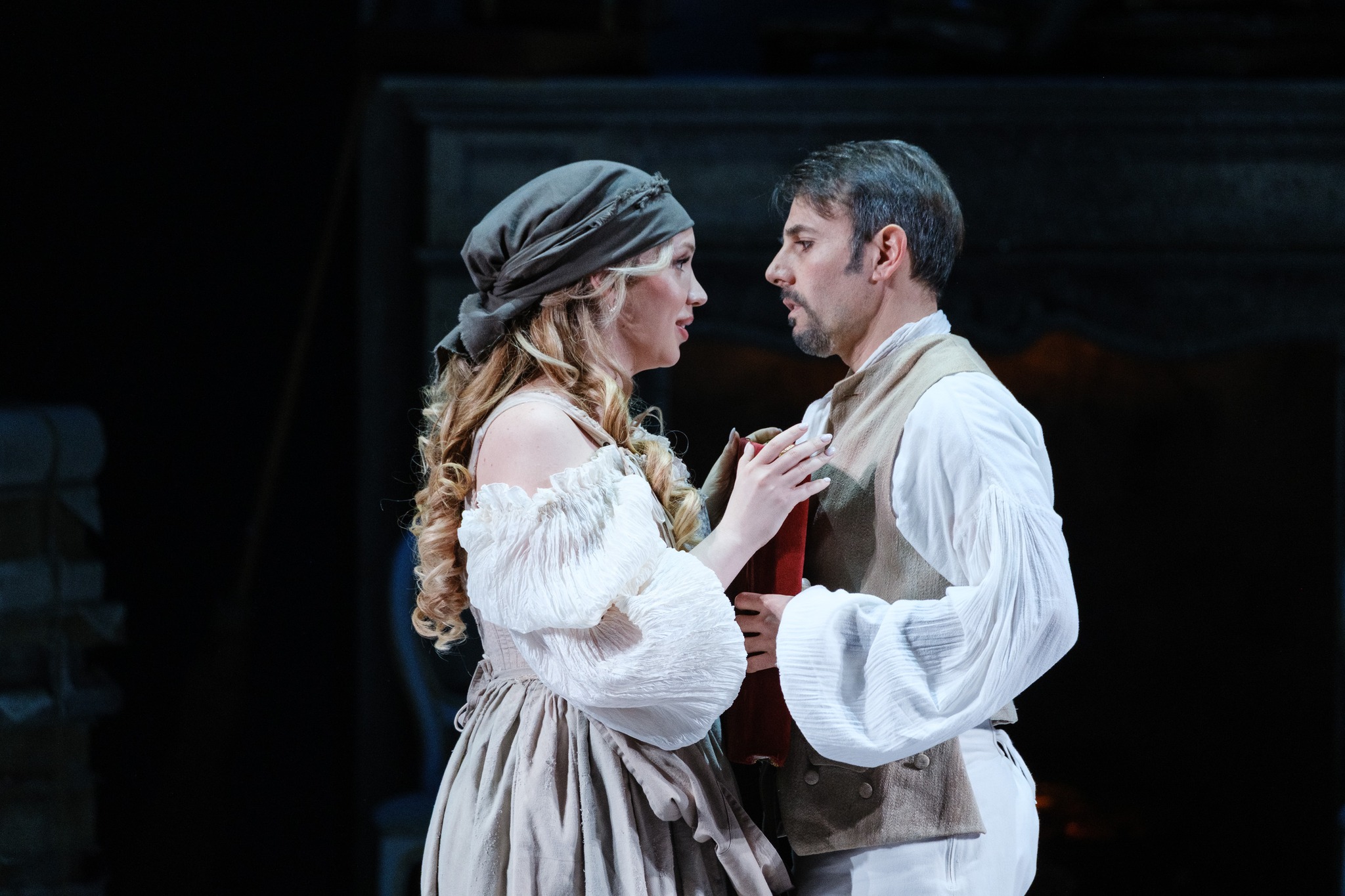
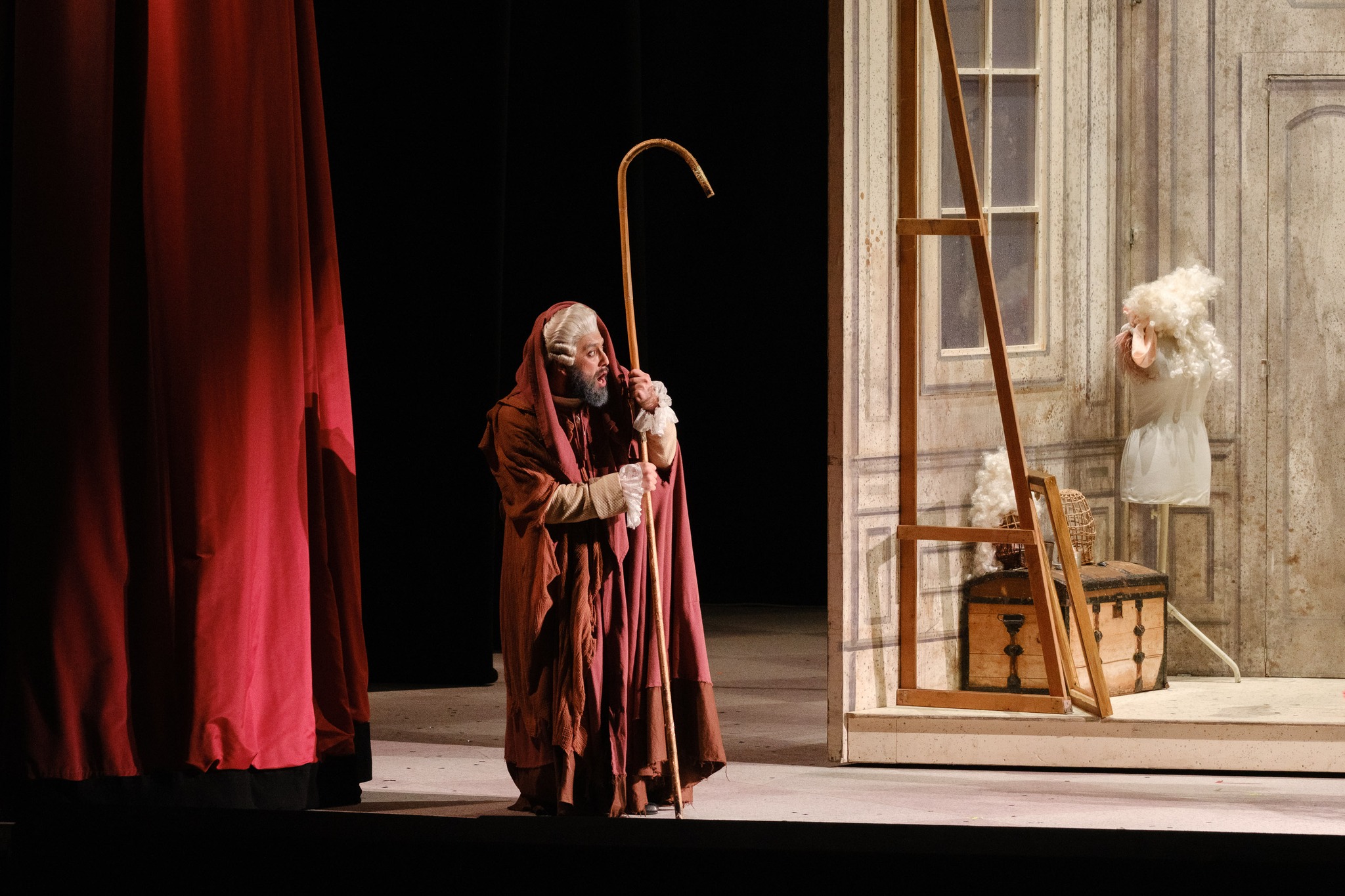
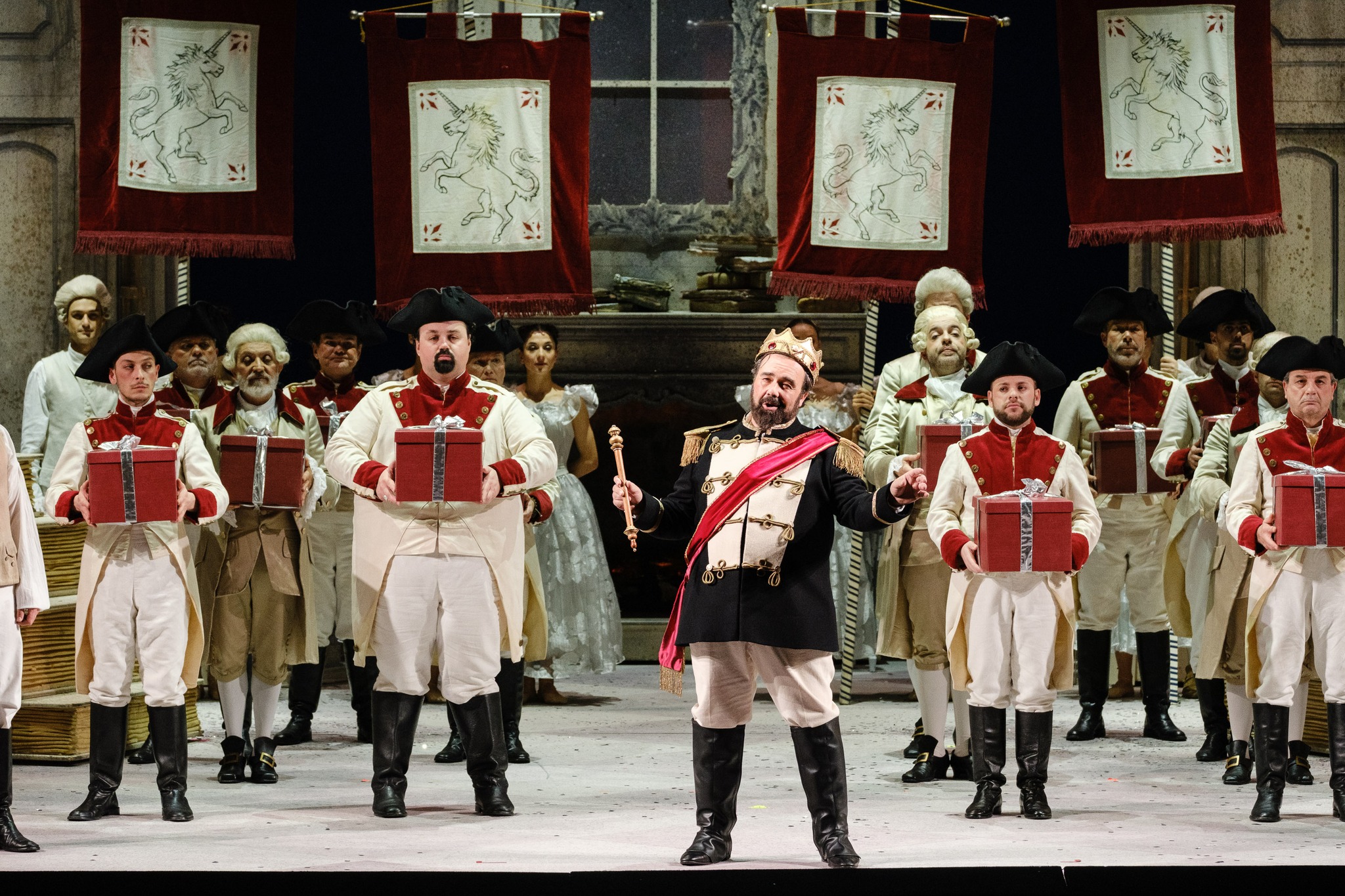
Lalli’s setting is very much that of a fairy tale environment. The set, by Roberta Lazzeri, gives us some scattered bits of rooms for Don Magnifico’s home, opening up to an attractive rococo palace for the ball scene. Given the lack of acoustic support from the set, Lalli sensibly has his singers perform at the front of the stage, to ensure maximum audibility, with the visual interest given over to a corps of danseuses who constantly surround the stage. Indeed, it felt that these danseuses represented Angelina’s imagination, given that they appeared when she was pensively reading her book about the king once upon a time at the start of the evening. There was a sense of fantasy to Lalli’s staging that I found wonderfully engaging, the constant presence of glitter falling from the sky, along with the danseuses, gave the evening such a festive, uplifting edge.
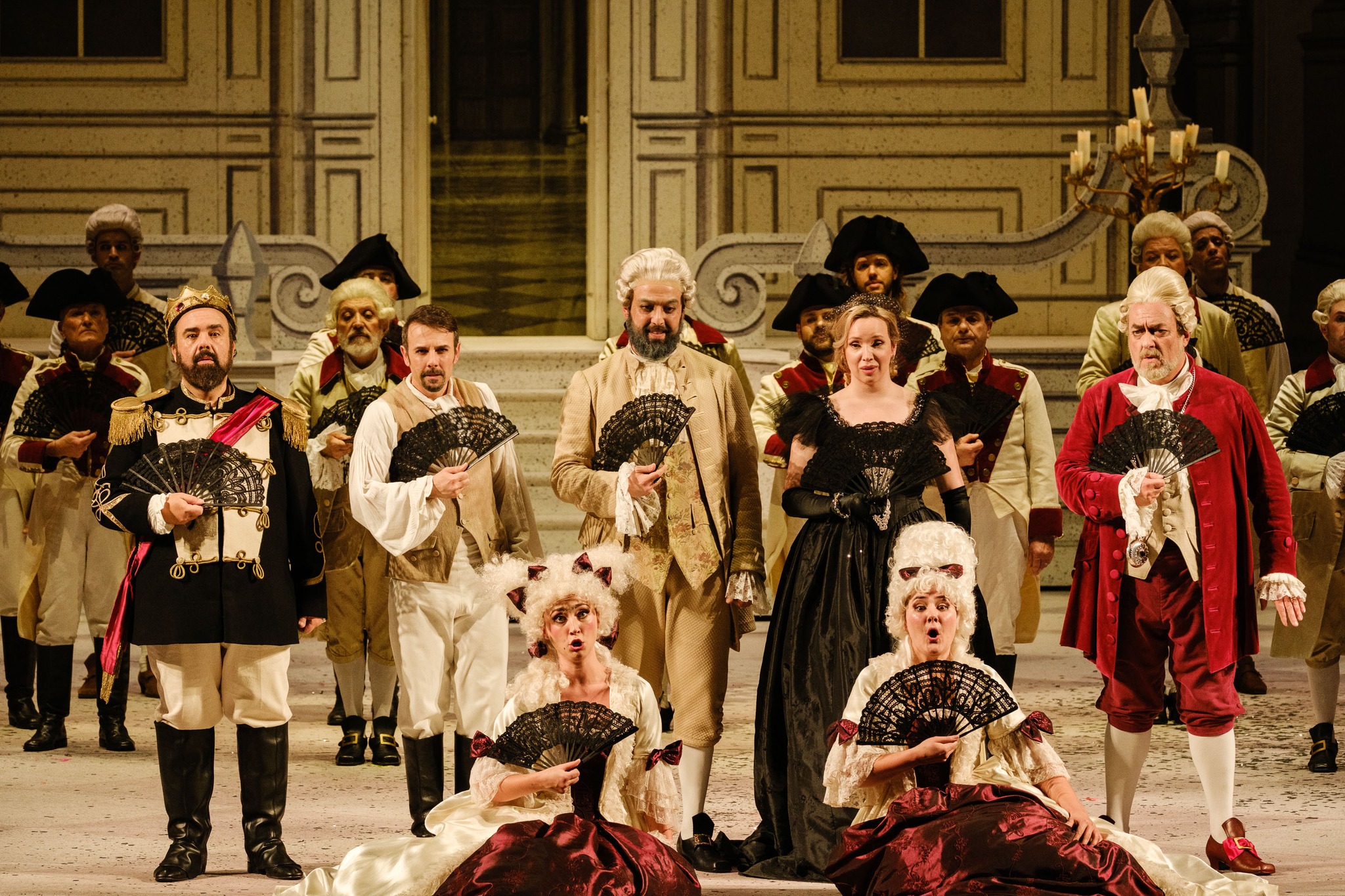
That said, not quite everything worked. Having the danseuses circulate around the front of the auditorium carrying umbrellas was certainly an exciting touch. Yet having them walk around the auditorium during Angelina’s closing rondo was extremely distracting. It was a nice idea – having them wave goodbye to Angelina now that she had become a princess, as if waving goodbye to someone whose dream had come true. The effect was that it distracted from Vasilia Berzhanskaya’s singing during the moment that should really cap the entire evening. I also found that when Lalli had the cast move around in formation with fans, as in the Act 1 finale, seemed to come from nowhere and was inconsistent in application – although the audience responded with evident glee. Still, it was a visually captivating evening and the young danseuse, who must have been around 6 or 7 years old seemingly interpreting a young Angelina, and who joined the ensemble with real skill and confidence, also was a sign of impeccable preparation.
Musically, this was an evening that gave so much pleasure. That said, I’ll start with one reservation and that was Antonino Fogliani’s conducting. The quality of the playing that he obtained from the Regio orchestra was superb; there was a poetry to the wind playing that I found most beguiling. And yet, I found his approach to be over-romanticized. Attack in the strings was soft-grained and plush, beautiful certainly, but lacking in rhythmic dynamism and thrust. Fogliani also allowed the tension to dip frequently, so that passages such as that first duet between Angelina and Ramiro just ground to a halt. I certainly appreciated his desire to bring out the beauty of the work, yet at the same time I missed a sense of precision and attack. The evening came in at just short of three hours and a half, with a thirty-minute intermission. The strings were excellent in pitching throughout, particularly in those treacherous passages at the start of Angelina’s closing scena, while the recitatives were dispatched in the conversational way they should, aided by the originality of Paolo Grosa’s contributions on the fortepiano.
Berzhanskaya sang Angelina with the utmost musicality. The voice is an exceptional instrument, with a rich, juicy, Barolo-toned chestiness, a sunny middle, and a pearly top. She’s able to dispatch the coloratura with ease, adding some staggering embellishments to her big final scena. Berzhanskaya is also a warm and friendly stage presence. She’s clearly worked exceptionally hard on the technique and has a genuine gift. If one feels that there’s a ‘but’ coming along, there is. While her singing was technically unimpeachable, I did find it to lack the utmost degree of personality. I longed for her to use those Italian vowels to colour the tone, to look for and bring out meaning in the text, to truly make me believe in her character. I also suspect that the lower passaggio might need some work, although this may just be an impression. Still, Berzhanskaya is the owner of a truly magnificent voice, has real musicality, and a brilliant technique.
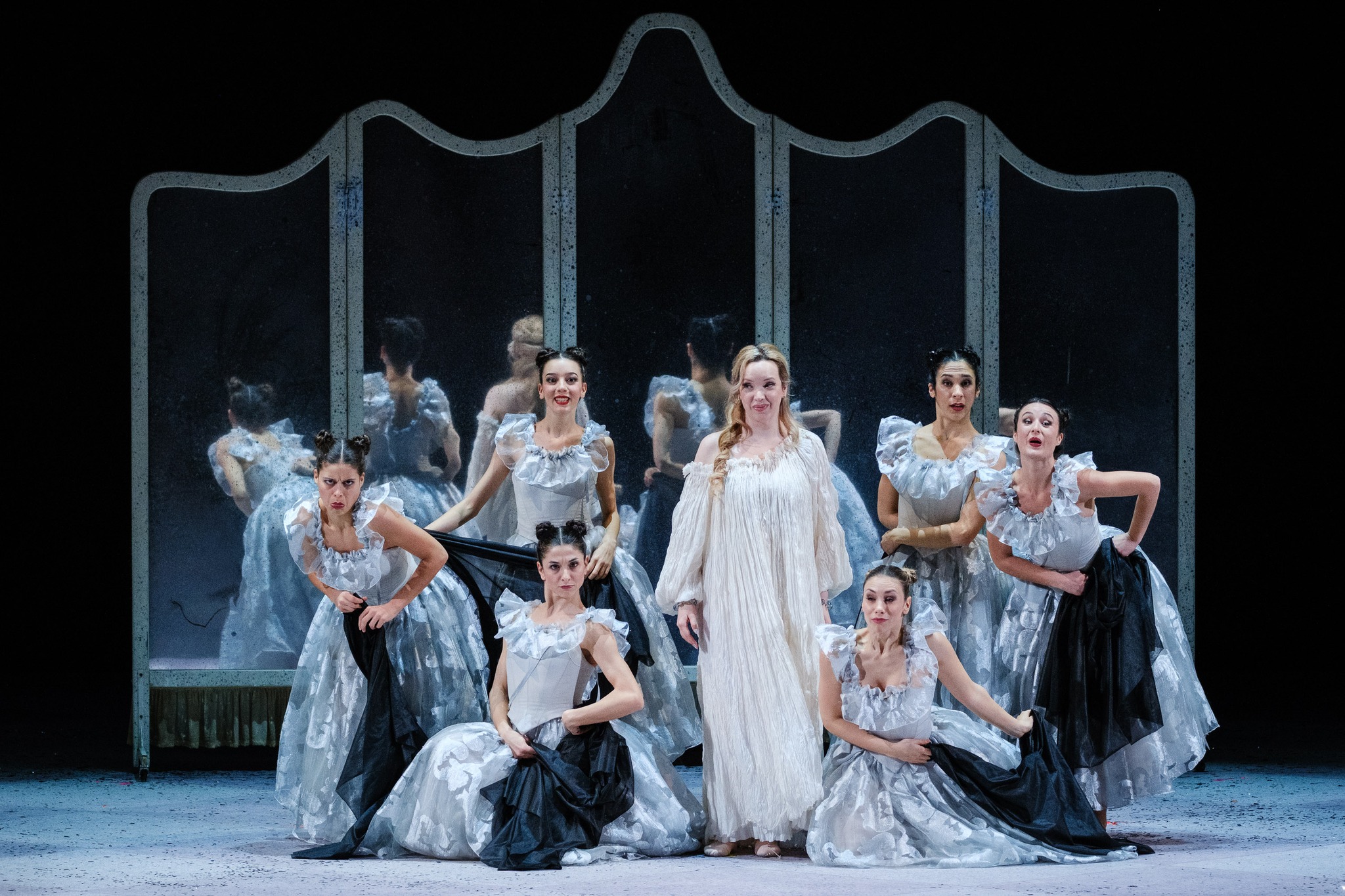
That impression of the difference between an exceptional singer and a great artist was confirmed alongside Roberto de Candia’s Dandini. This was the work of a master singing actor. Indeed, I felt that de Candia gave me a singing lesson this evening. He brought out so much detail in the text, his comic timing and use of tone allowing us to fully believe in his character, the sheer variety of vocal colours achieved through the text rendered the surtitles superfluous. De Candia also turned the corners with agility. Nico Darmanin brought a compact, focused tenor to Ramiro’s music. The voice is light but with an easy top, the registers all absolutely integrated and he soared with thrilling ease in his big Act 2 aria. As with Berzhanskaya, while his words were clear, I did long to have a sense that he lived them rather than just singing them. That said, the ease of his vocalism, his immaculate dispatch of the runs, and his warm, friendly stage presence all gave a great deal of pleasure.
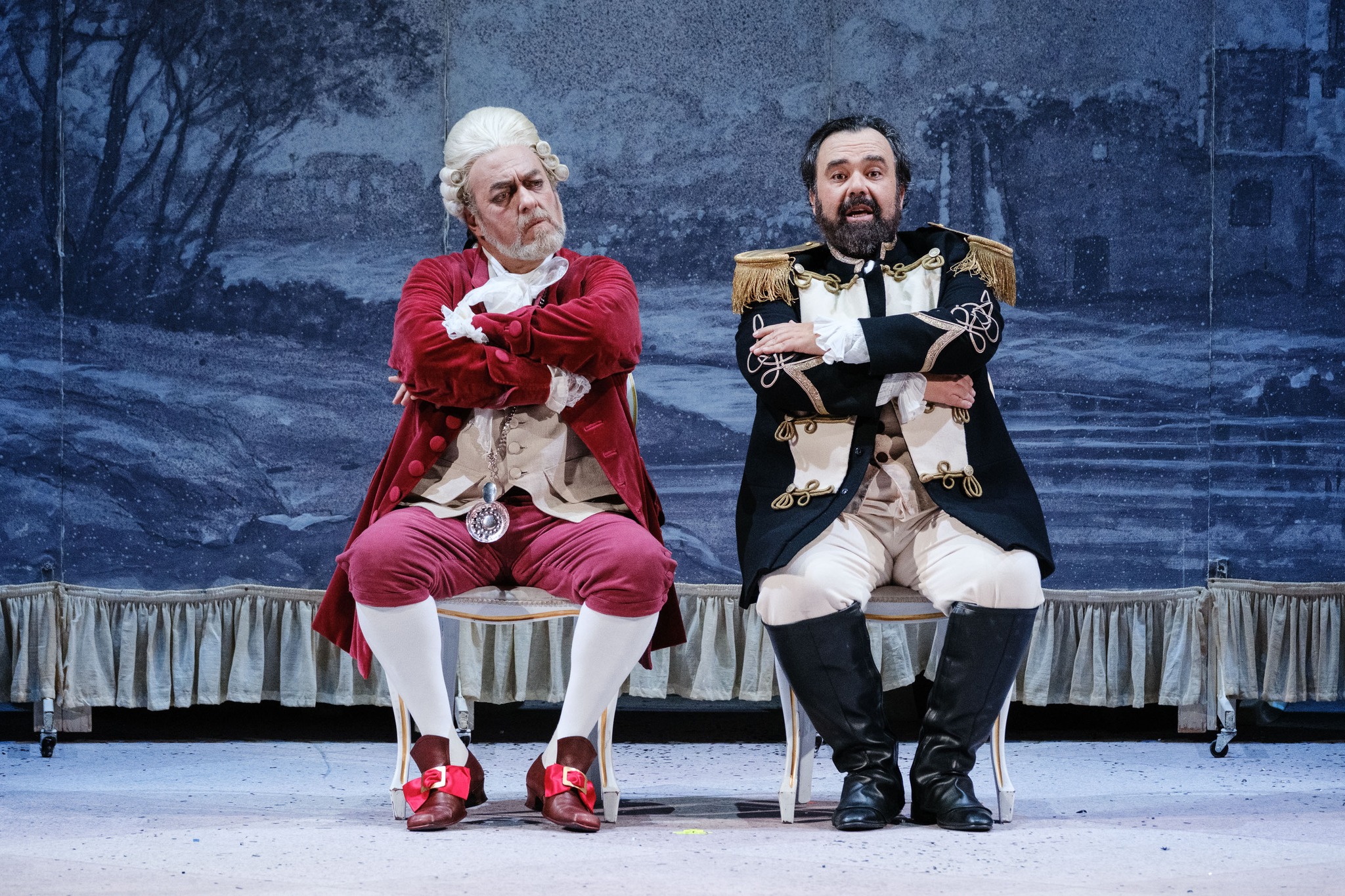
Carlo Lepore took a little while to find his groove as Don Magnifico, the voice initially sounding grey and hollow. As the evening progressed, the tone filled out, growing in resonance, singing with authority and terrific comic timing. In the role of Alidoro, Maharram Huseynov sang his music with warm generosity, his smoky bass even throughout the range. Albina Tonkikh and Martina Myskholid were assets to the cast as Clorinda and Tisbe, Tonkikh singing with bright, diamantine tone, and Myskholid with a sunny warmth. The chorus, prepared by Piero Monti, sang with precision and focus.
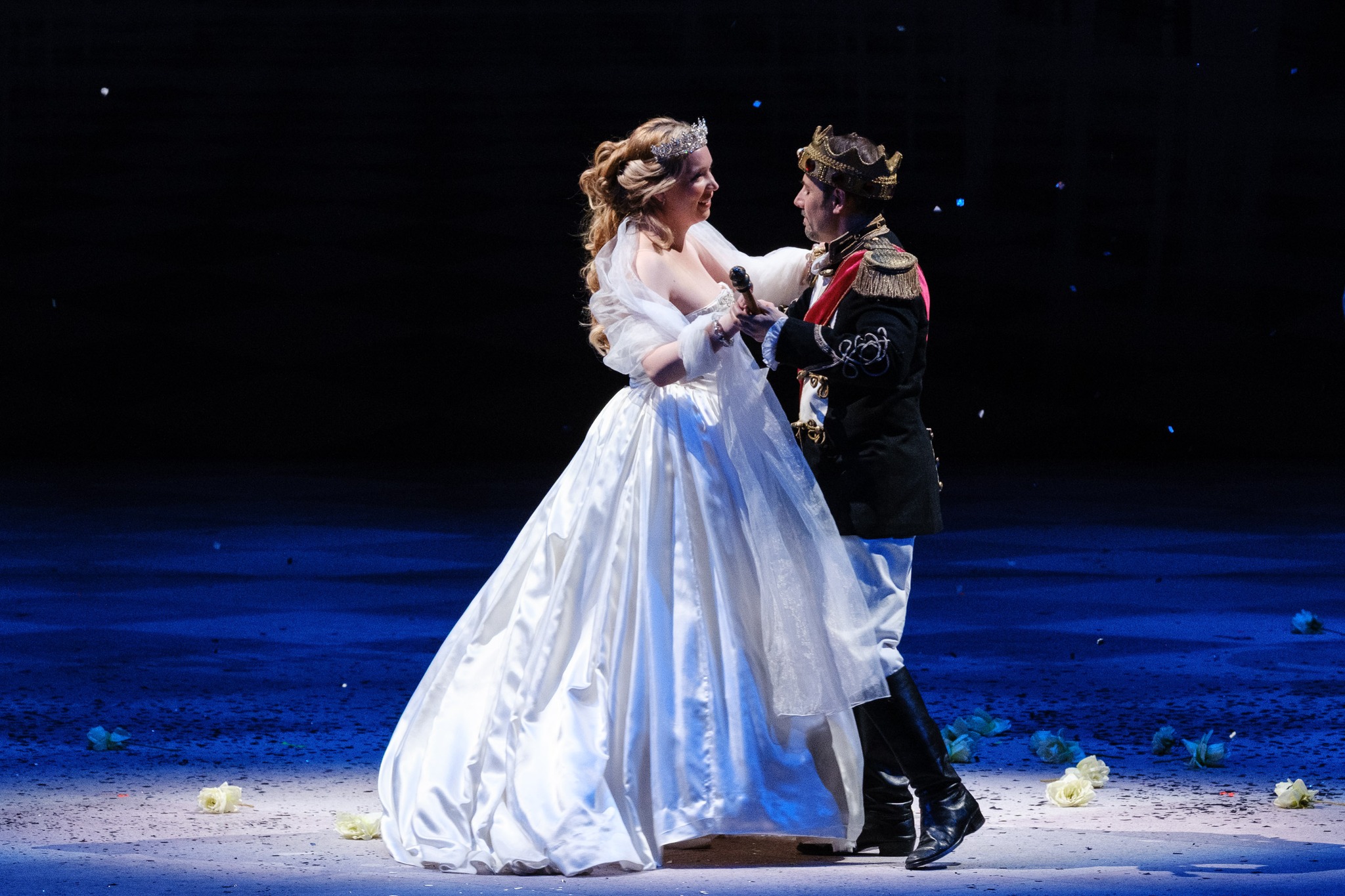
There was a lot to enjoy in this Cenerentola. Lalli’s staging is full of fantasy, is engaging for the audience, and sympathetic in the placement on stage for the singers. I did find Folgliani’s conducting to be congenial and focused on beauty, while lacking in dynamism and forward momentum, frequently sagging under its own weight. The singing was an absolute treat – Berzhanskaya and Darmanin both displaying impeccable techniques, while de Candia gave us a masterclass in how to sing this repertoire. The audience responded frequently with laughter and applause – and gave the entire cast a generous ovation at the close.
 operatraveller.com