Verdi – Nabucco
Nabucco – Ludovic Tézier
Ismaele – Piero Pretti
Zaccaria – Michele Pertusi
Abigaille – Marina Rebeka
Fenena – Cassandre Berthon
Il Gran Sacerdote – Lorenzo Mazzucchelli
Abdallo – Francesco Domenico Doto
Anna – Caterina Marchesini
Coro del Teatro di San Carlo, Orchestra del Teatro di San Carlo / Riccardo Frizza.
Stage director – Andreas Homoki.
Teatro di San Carlo, Naples, Italy. Sunday, January 25th, 2026.
This run of Nabucco at the Teatro di San Carlo was very much a hot ticket. It was a pleasure to see the house so full tonight for an evening that promised so much: a leading bel canto soprano making her role debut run as Abigaille and one of the finest baritones of our time in the title role. Before getting into the main part of the review, I would like to take a few moments to comment on the visitor experience at the San Carlo. While there was an announcement at the start regarding taking photos and videos, unfortunately some people still did so – directly in the line of sight of other spectators. Furthermore, the ushers tried to police this, but having them walk down the aisle noisily in heels – given them sneakers instead – was especially distracting. Particularly as one usher parked herself in the middle of the aisle during the Act 1 finale, blocking my view. The ushers also congregated in the vestibule at the back of the Platea during the music, chatting loudly and audibly. It was a particularly frustrating experience and could have been easily avoided.
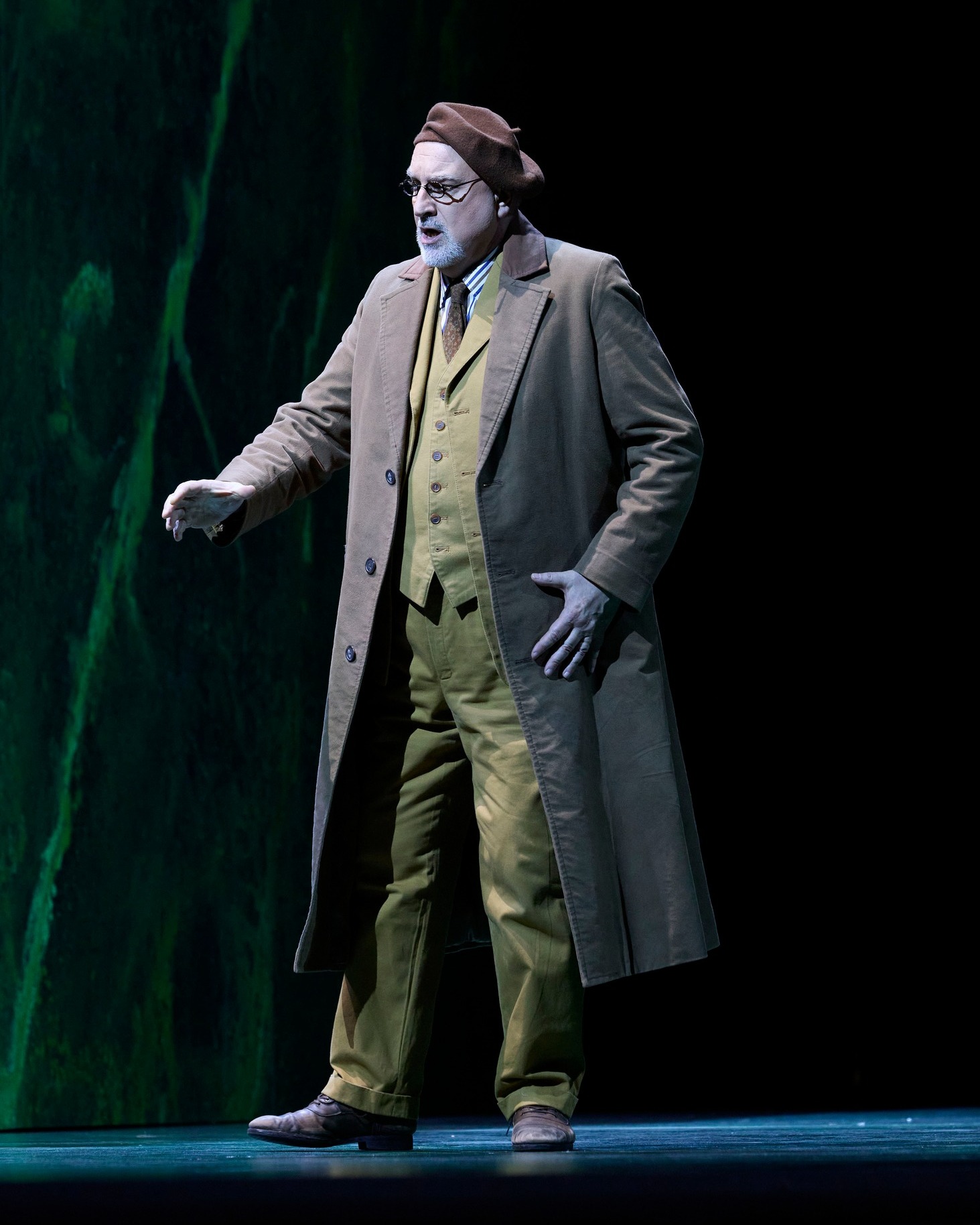
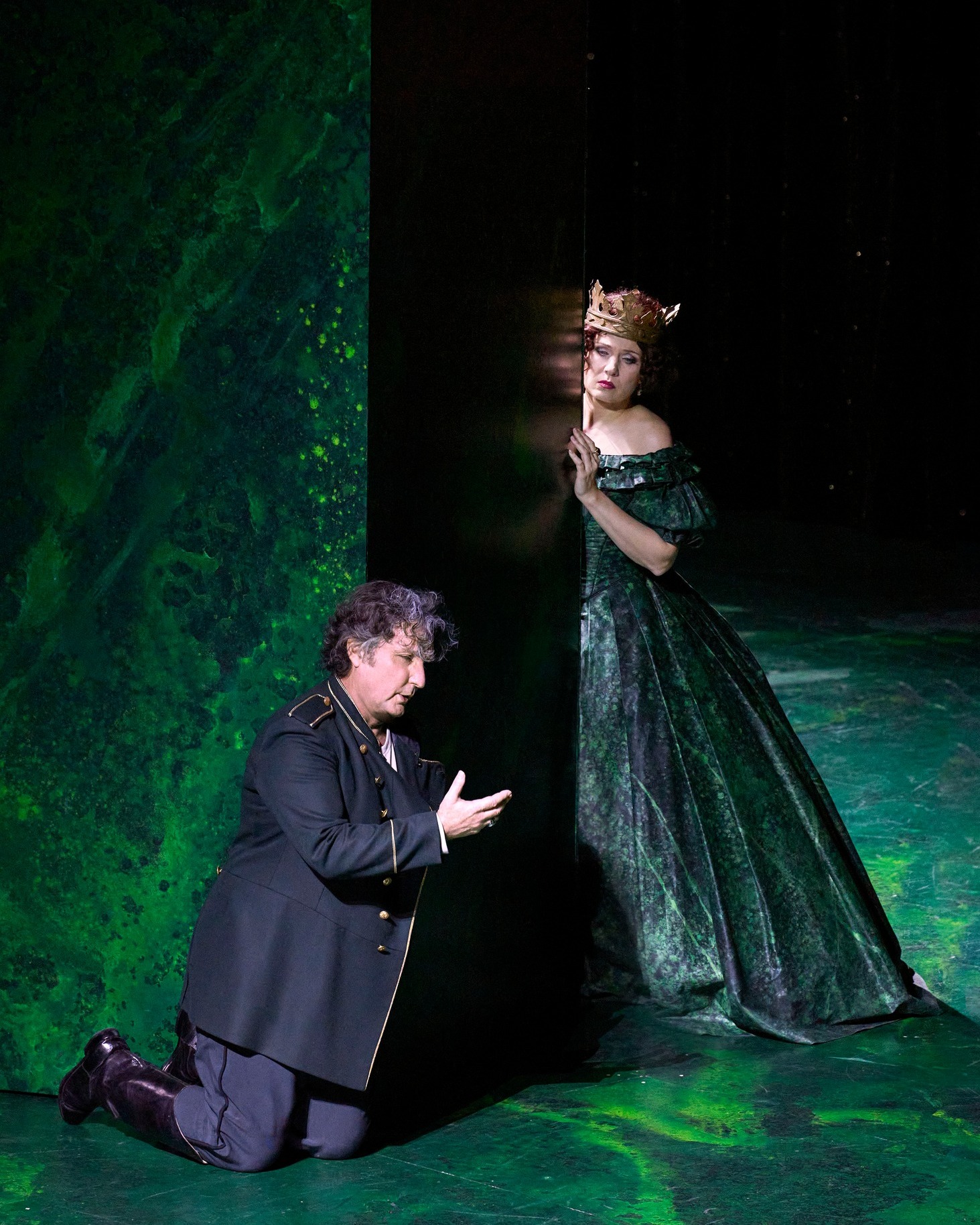
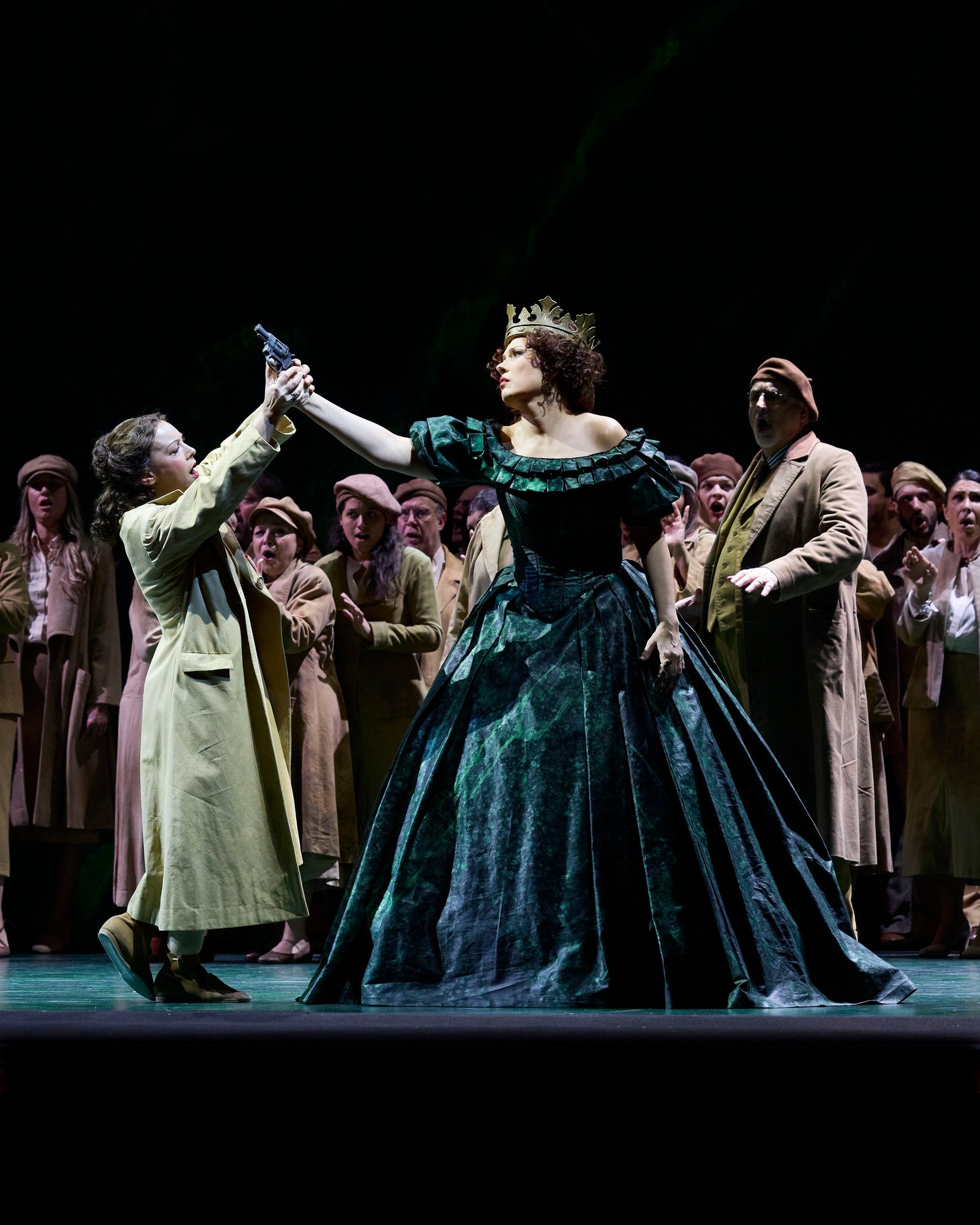
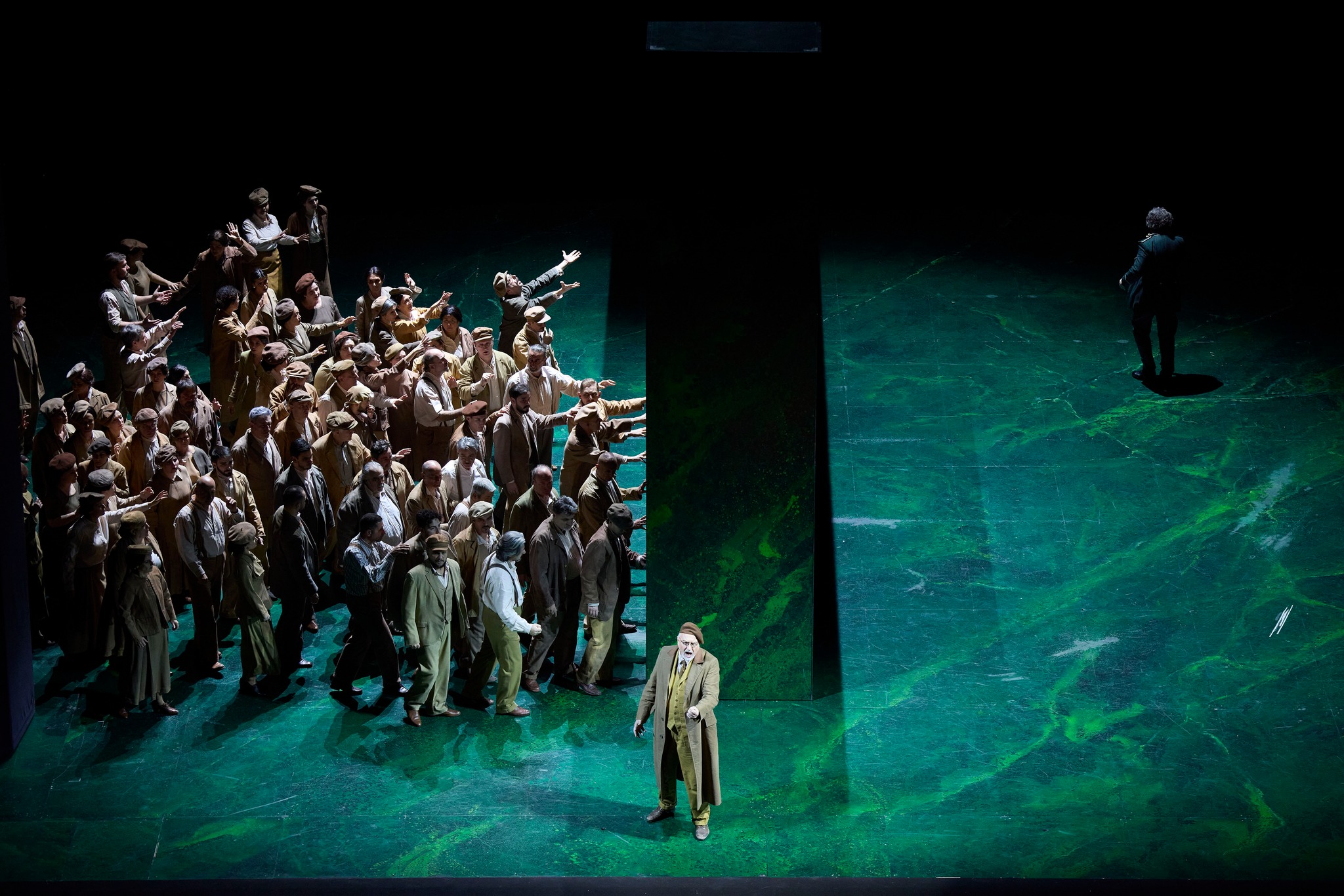
The San Carlo imported Andreas Homoki’s staging from the Opernhaus Zürich. Homoki takes an interesting approach to the work. He makes it very much a family drama and a clash of generations, in so doing removing the religiosity of the work. During the sinfonia, we see two young girls, dressed in mint-coloured ball gowns, engage with Ludovic Tézier’s Nabucco. The set, by Wolfgang Gussmann, consists of a single large mint-coloured block, that rotates around offering different perspectives on the action, allowing characters to approach and disappear by having them move around the block. The costumes, by Gussmann and Susana Mendoza, reflect that clash of generations, with the Babylonians dressed in top hats and tails, and Abigaille in the aforementioned mint ball gown, while the Jews were dressed in costumes redolent of the 1920s. Interestingly, the chorus members who sang the music of the Babylonians, were part of that main body and not costumed differently, except for during ‘È l’Assiria una regina’ where the ladies were dressed in the mint ballgowns. This reinforced the impression of the conflict at the heart of the opera being very much an internal domestic tragedy in this production.
It was an interesting approach and the best I can say is that it never got in the way of the music. However, it didn’t challenge or make one think. Further, it didn’t particularly enhance the emotions of the music or bring them out, but this was very much achieved through the principals – more on that later. The biggest limitation was in terms of personenregie. The large chorus was moved around efficiently, navigating the large block confidently. Yet, they were parked on stage far too often and asked to gesticulate to the front. The direction of the chorus felt too self-consciously stagy and lacking in naturalism. That said, parking them at the front for the opening chorus did mean that were got to bathe in a wall of sound, which made for a tremendous start to the evening.
Indeed, it was thanks to the musical aspects that made this such a special experience. Riccardo Frizza led a San Carlo orchestra on terrific form. There was a personality to their playing that felt exceptionally idiomatic, particularly in the wonderfully piquant trumpets and poetry of the winds. Attack in the strings was nice and crisp and Frizza kept the evening going at agreeably zippy tempi. Frizza also pulled back where required, filling ‘dio di Giuda’ for example with genuine emotion thanks to his implicit understanding of the Verdian phraseology. The chorus, prepared by Fabrizio Cassi, sang with enthusiasm and generosity, including some particularly impressive tenors shining out of the textures. Their ‘va’, pensiero’ was something very special. They initially gave a lyrical reading of the famous chorus. Sadly, the close of it was marred by some premature applauders who ruined the magic of their closing diminuendo. So, the audience yelled for a ‘bis’ and Frizza and his musicians duly obliged. Their second performance was even more emotional. It felt that they sang from their hearts, filling the music with yearning beauty, the wide-open singing soaring to a higher plane, capped with a magical diminuendo at the close. It was really special.
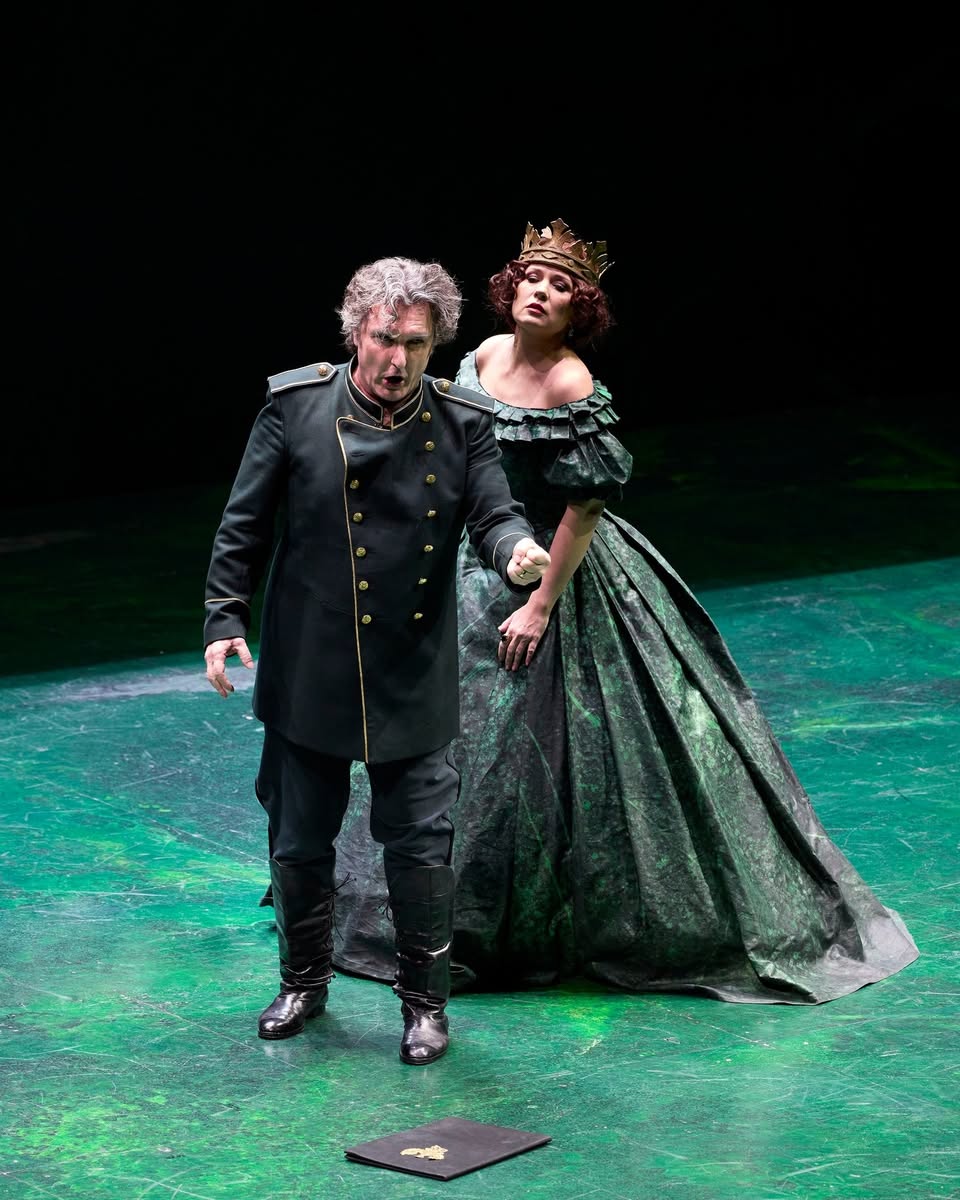
Tézier gave us a regal Nabucco. His breath control is simply phenomenal, singing his ‘dio di Giuda’ on seemingly endless lines, with the following cabaletta crowned by a phenomenal high A-flat. The voice has staggering resonance and amplitude, filling this exquisite theatre in a wall of sound. Tézier was also highly musical in approach, embellishing his lines most stylishly, particularly in his entreaties to Abigaille in ‘Deh perdona, deh perdona, ad un padre che delira!’. The long lines were given added beauty by his creative and idiomatic use of ornamentation. Tézier proved himself to be a master Verdian tonight and he really did give us a singing lesson.
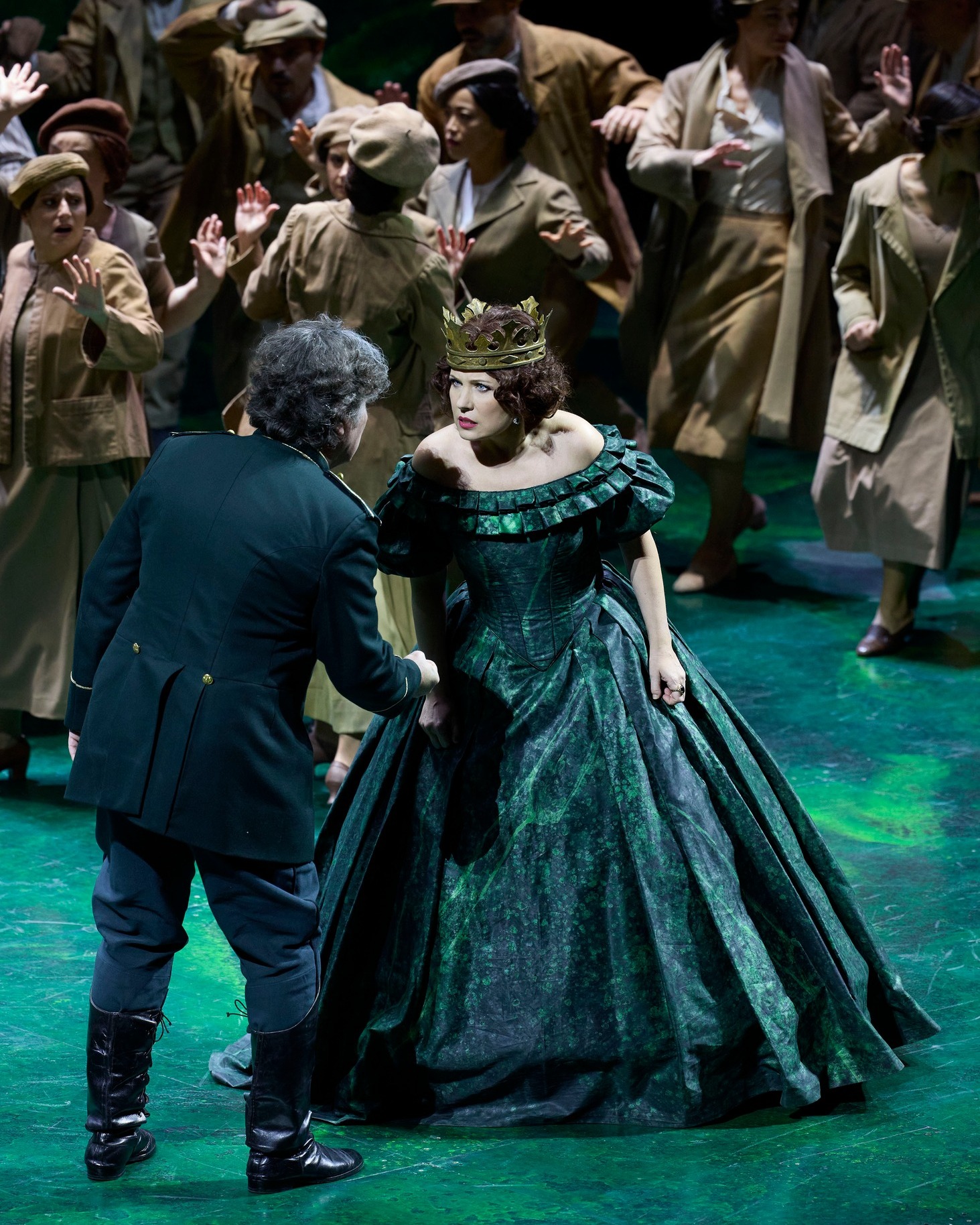
Marina Rebeka brought her bel canto sensibility to Abigaille’s music. For the first time, I got to hear this music truly sung with elegance and poise, despite its inherent difficulties. Of course, Rebeka ornamented the second verse of ‘Salgo già del trono aurato’ with real panache and included the trills that so many before her have omitted. Her ‘Anch’io dischiuso un giorno, ebbi alla gioia il core’ was sung with so much poise and beauty, the limpid line floated with easy lyricism. That said, I do fear that the role currently takes Rebeka just beyond her limits. Some of the very highest notes lacked a little in spin, and the closing high C of ‘Salgo già’ did succumb to the forces of gravity. That said, to hear this exceptionally difficult role sung with such musicality and beauty gave an enormous amount of pleasure. Rebeka is an exceptionally intelligent and sensible artist and I have no doubt she will grow into the role with more familiarity.
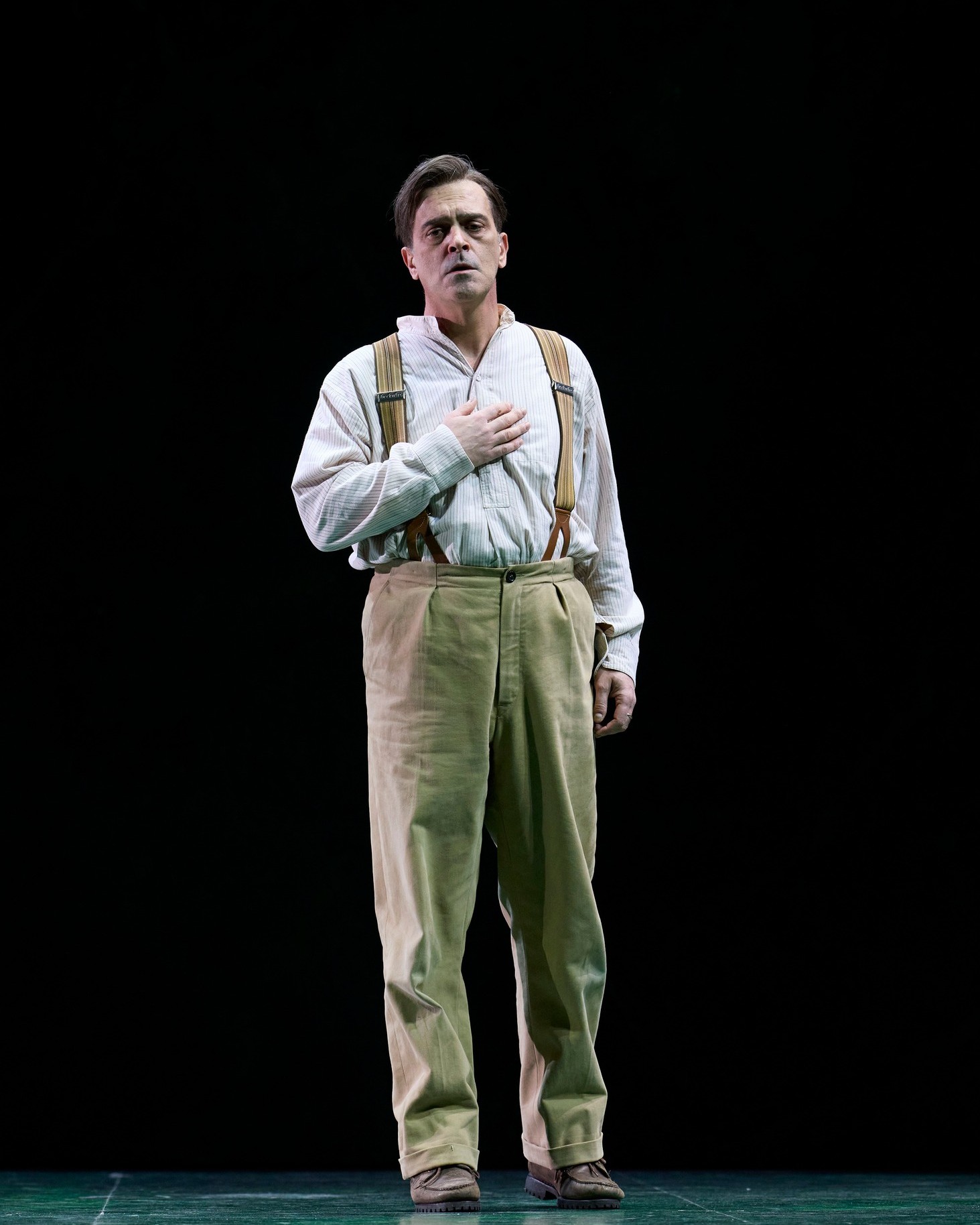
Michele Pertusi sang Zaccaria with a lifetime of experience and musical understanding. Yes, his bass now sounds more grainy than of yore, and the effort was audible in his opening number, the higher reaches not quite optimally sustained. Yet what Pertusi brought was the kind of implicit musicality and authority to his music that cannot be taught, it’s the product of lived experience and of tradition. Piero Pretti sang Ismaele with sunny warmth and lyricism. He injected his music with an elegant legato – always smooth, never pushing. This was my first time hearing Cassandre Berthon and I do wonder if she was suffering from an unannounced indisposition. Her repertoire is more of a light, lyric soprano – Zerlina, Susanna for example – rather than a lyric mezzo. The bottom sounded rather forced, more like sprechgesang, and the middle was thin and lacking in body. She did sing her ‘Oh dischiuso è il firmamento!’ with musicality, but the register transitions were bumpy and less than integrated. I hope to hear Berthon again in a more congenial assignment. The remaining roles reflected the standards one would expect at this historic address. Lorenzo Mazzucchelli sang the Gran Sacerdote with authority, the words nicely forward, while Francesco Domenico Doto made a positive impression as Abdallo, his focused tenor easily produced, indeed I’d like to hear him as Ismaele. Caterina Marchesini’s bright soprano topped the ensembles agreeably as Anna.
This was a Nabucco that gave an enormous amount of pleasure. Musically, it was at the highest level, although Berthon’s Fenena was not at the level of her castmates. Tézier gave us a monumental account of the title role, singing with freedom and generosity, while Rebeka’s Abigaille was sung with the utmost musicality in an unforgiving role, and Pertusi brought a lifetime of experience to Zaccaria. Frizza conducted with vigour and life, while the orchestra and chorus responded to him with unanimity. Homoki’s staging was an interesting framework for the action and didn’t get in the way of the music. The audience response at the close was absolutely ecstatic, rightly so because this was an evening that honoured the legacy of this venerable house.
 operatraveller.com