Giordano – Marina
Lambro – Mihai Damian
Daniele – Nicholas Mogg
Marina – Eleonora Buratto
Giorgio Lascari – Freddie De Tommaso
Coro della Fondazione Teatro Petruzzelli, Orchestra I Pomeriggi Musicali / Vincenzo Milletarì.
Concert performance.
Teatro dal Verme, Milan, Italy. Saturday, February 14th, 2026.
This promised to be something very different. Giordano’s first opera, written when he was only 20 years old, was once considered lost. Yet thanks to some musicological detective work by Andreas Gies, who found the autograph score in the Beinecke Rare Book and Manuscript Library at Yale University, we now have a critical edition which formed the basis of this pair of concert performances – of which tonight was the second. The evening was given under the auspices of the I Pomeriggi Musicali concert series, an organization that has done so much to bring light to rarely heard music in Milan and Lombardy more generally. The performances were also captured by Decca for audio release later this year.
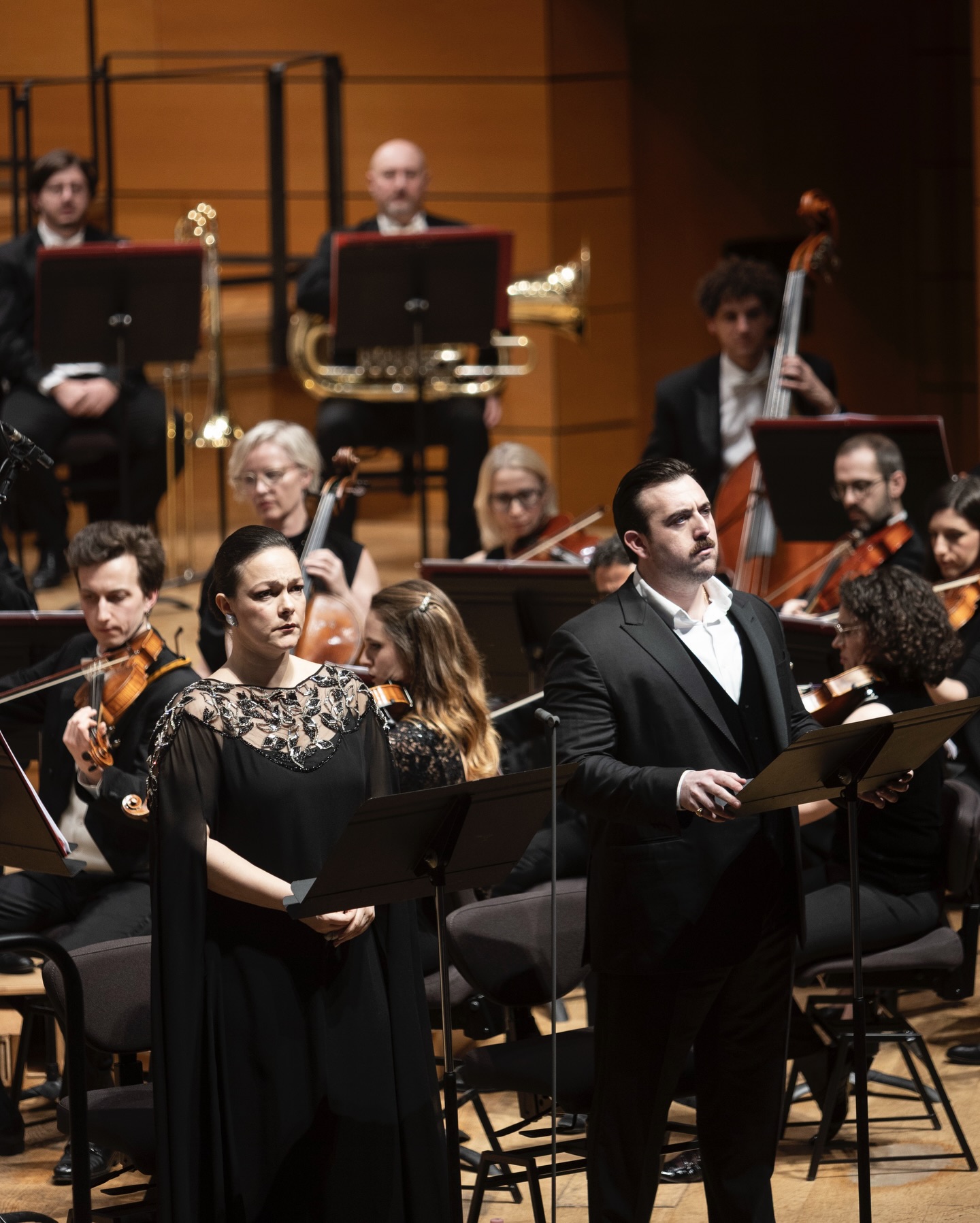
It was also notable that the performance took place at the legendary Teatro dal Verme, once Milan’s other opera house, so closely associated with verismo opera, where Le Villi and Pagliacci were premiered. The cast was also an exciting one with Eleonora Buratto in the title role, and the much-heralded Freddie De Tommaso as her love interest Giorgio. In a neat nod to Giordano’s Puglian heritage we had the excellent maestro Vincenzo Milletarì on the podium, and the Teatro Petruzzeli chorus brought up from Bari.
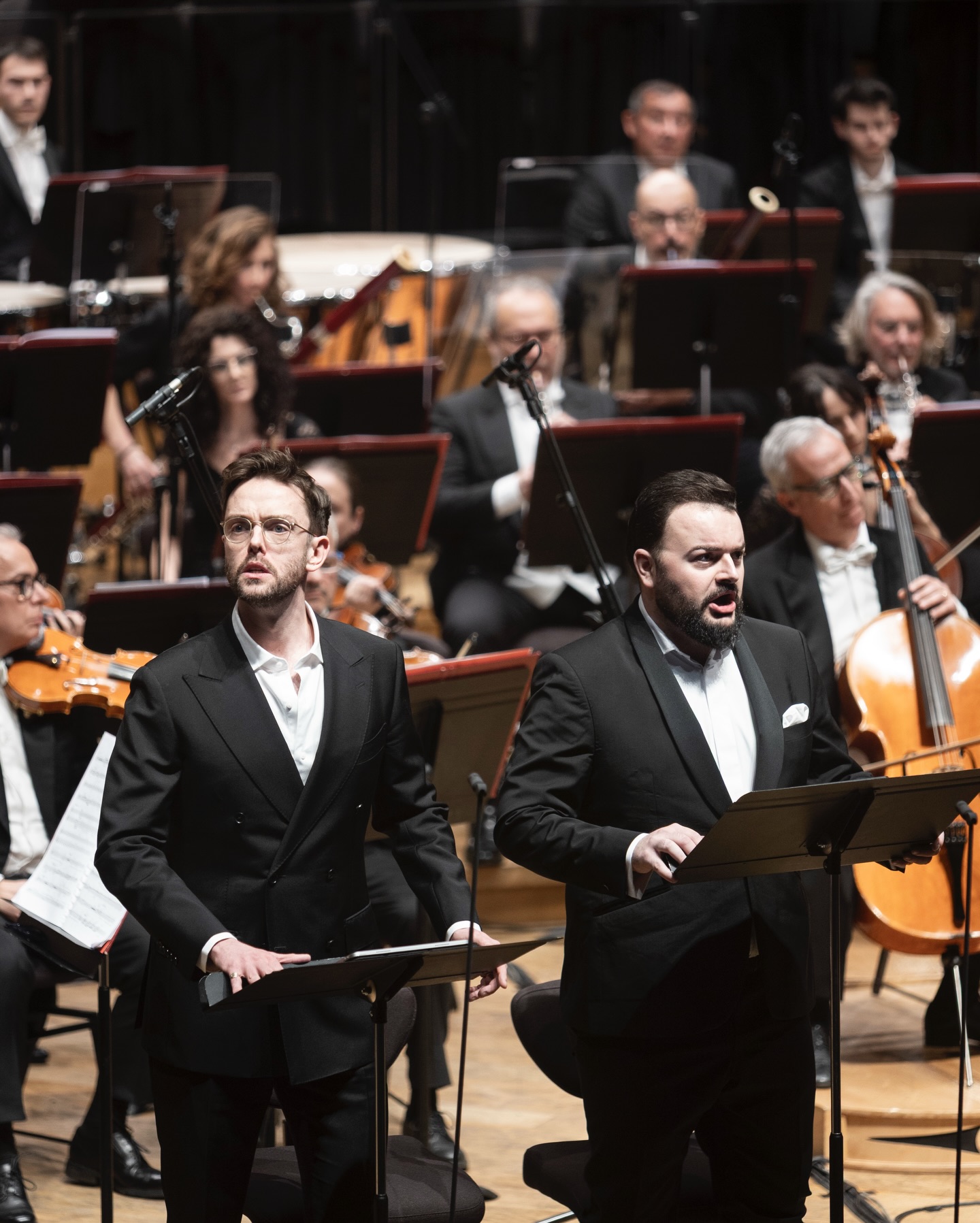
Marina has one of those classic love triangle stories. Set in the Serbian-Montenegrin war, the Montenegrin Marina welcomes Serbian solider Giorgio into her family home, and hides him while her brother Daniele and his friend, Lambro who proposes to Marina, celebrate their victory. Finding Giorgio hidden in the house means he’s sent to prison and Marina, who had never previously known love, then goes off to find him and realizes that she does, in fact, love him. With an hour’s worth of music and a relatively small cast, it’s certainly an interesting addition to the repertoire and deserves to be heard more widely. The libretto, which was reconstructed by Emanuele d’Angelo, is not the most sophisticated – at least on a first hearing – but the music is certainly engaging. There’s some rousing music in a terrific brindisi for Lambro and the chorus. There’s also a striking big opening scena for Marina. That said, it did sound a bit like a ‘painting by numbers score’, with the writing a little predictable in its melodic direction. The big duet for Marina and Giorgio in the second of the two acts, also sounds like it had been ripped off from Simon Boccanegra and throughout the score there were certainly echoes of composers who had been heard before. Ultimately, however, it’s an incredibly assured score for a twenty-year-old composer and the fact that we were able to hear it is thanks to that painstaking work by Gies and d’Angelo.
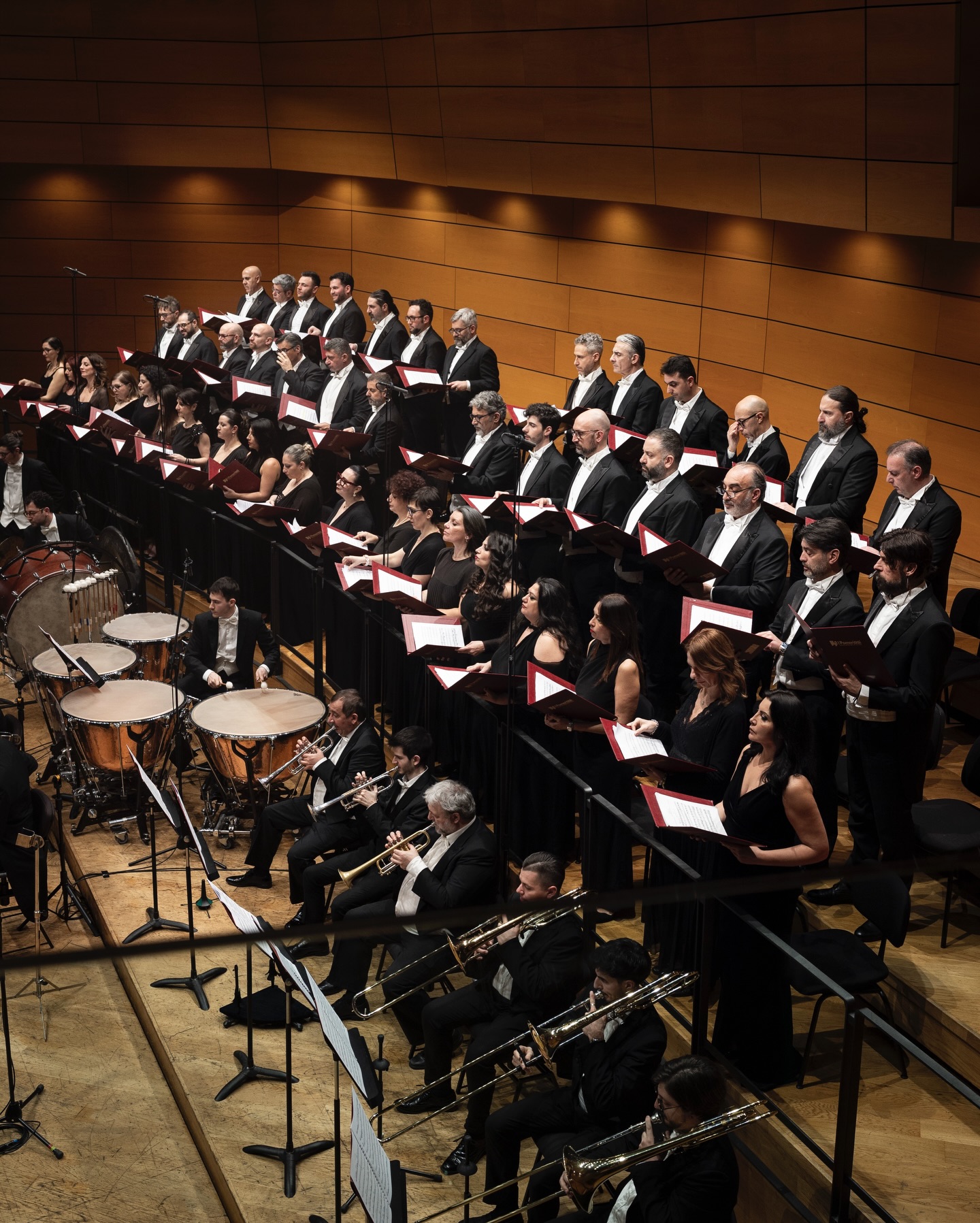
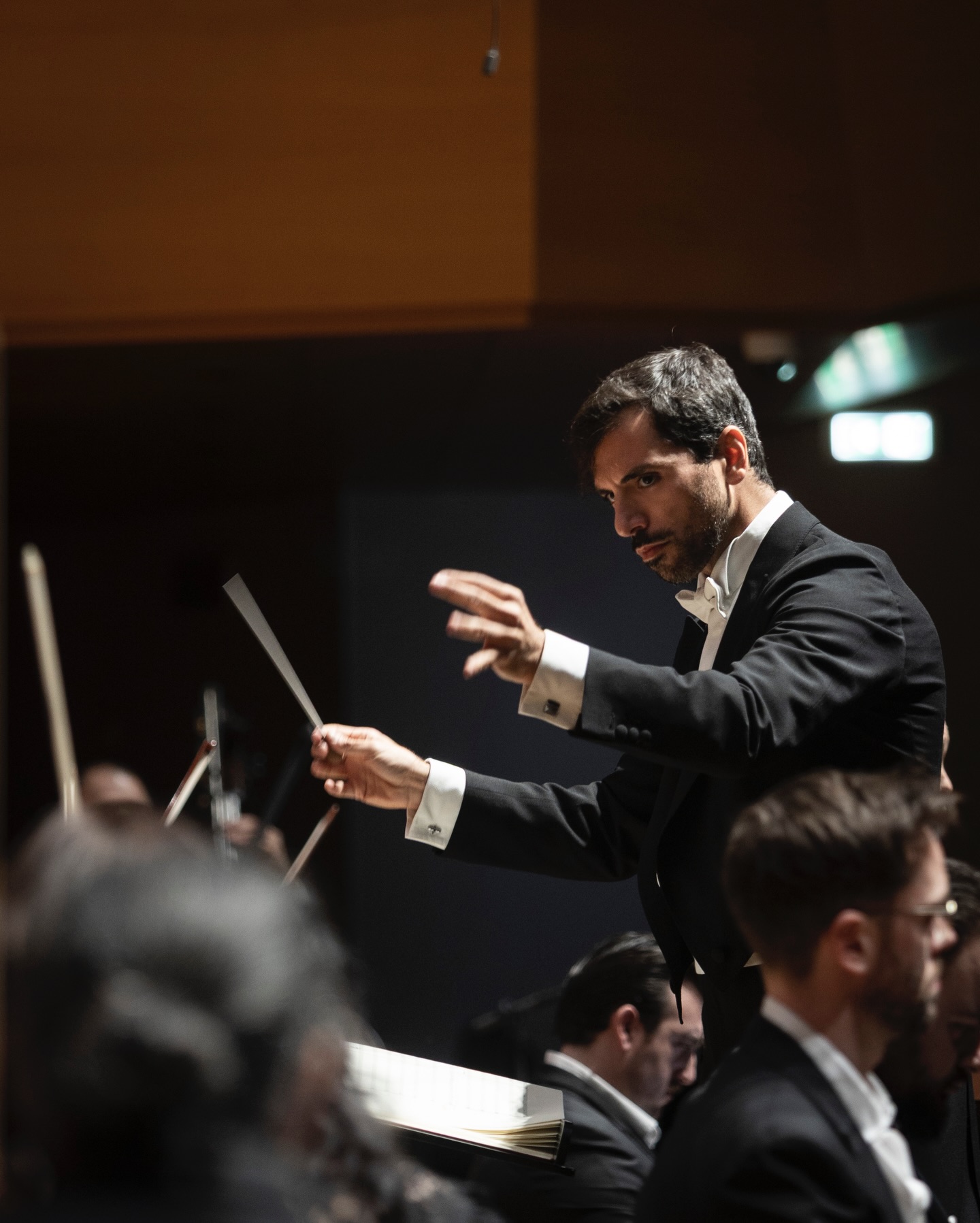
Milletarì led his forces with the utmost confidence and precision. It was staggering to think that this was only the second-ever performance of this work, such was the unanimity with which the entire cast dispatched the music. He brought out an irresistible rhythmic impetus in the opening martial music, keeping the off-stage brass and the orchestra completely together. Milletarì was alive to the multiple changes of mood in the music, pulling back and allowing his singers to register where necessary, but also driving it forward so that the hour of music never dragged but simply lived thrillingly. So much of the success of the evening was due to his visionary guiding of his forces through. The playing of the orchestra was also of the highest quality, with a lean string sound, wonderfully twinkling harp, and brass playing of the utmost security.
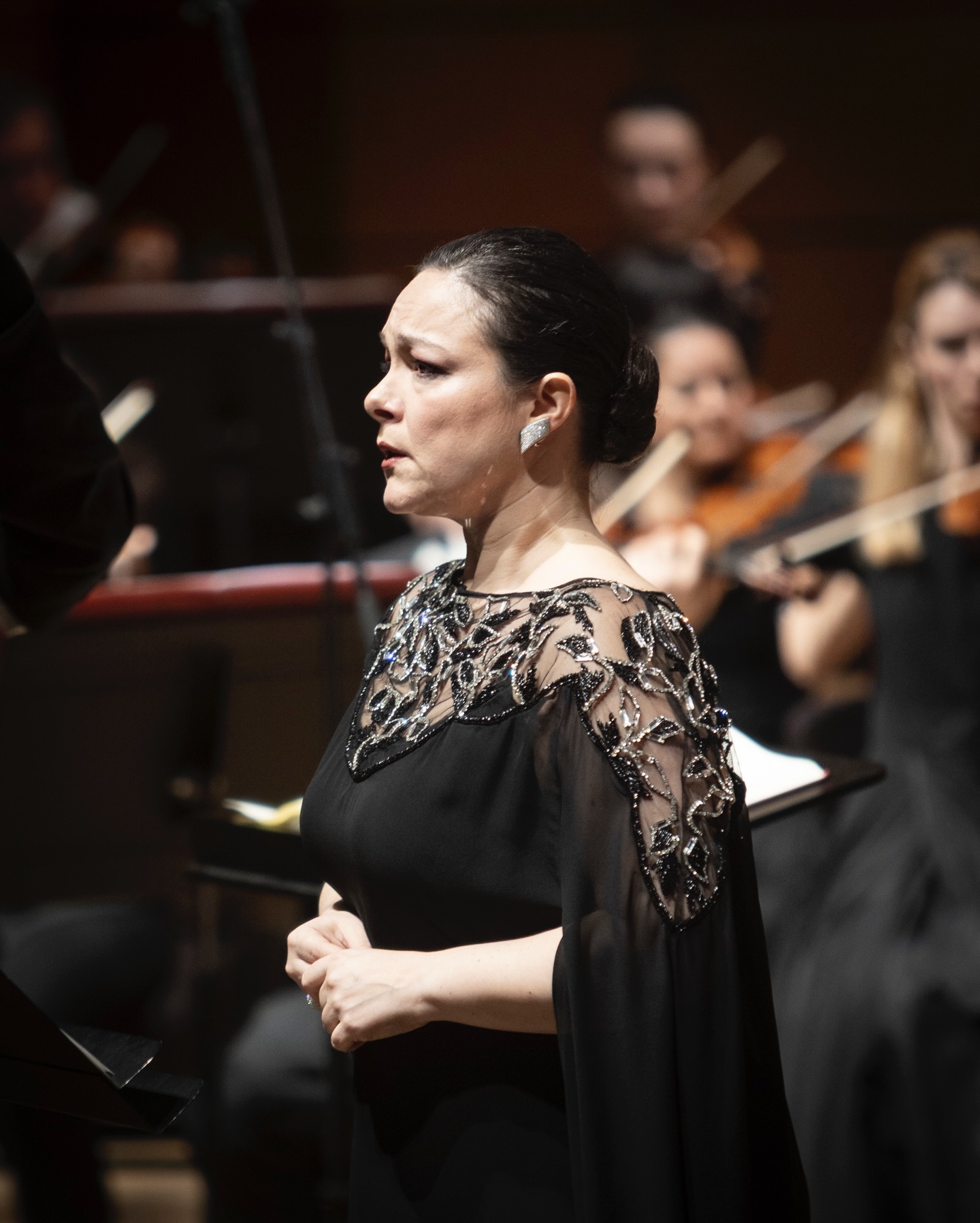
If Milletarì was a significant reason for the success of this performance, the other was Buratto in the title role. She understands this style like few others, phrasing her music with the utmost musicality and generosity. Her diction is also so clear, drawing out so much feeling. Despite the rather perfunctory nature of the text, she made it live so fully. The voice has such rosy pulchritude, yet Buratto never makes the tone beautiful for beauty’s sake; rather she communicates and brings out so much emotion. The role also asked her to make much of her generous and full chestiness, her rich lower register used to colour the words and drive the character. She also floated with lunar beauty on top and opened up excitingly where required. In Buratto, one is so conscious of watching the incarnation of the great Italian vocal tradition. Her singing gave so much pleasure tonight.
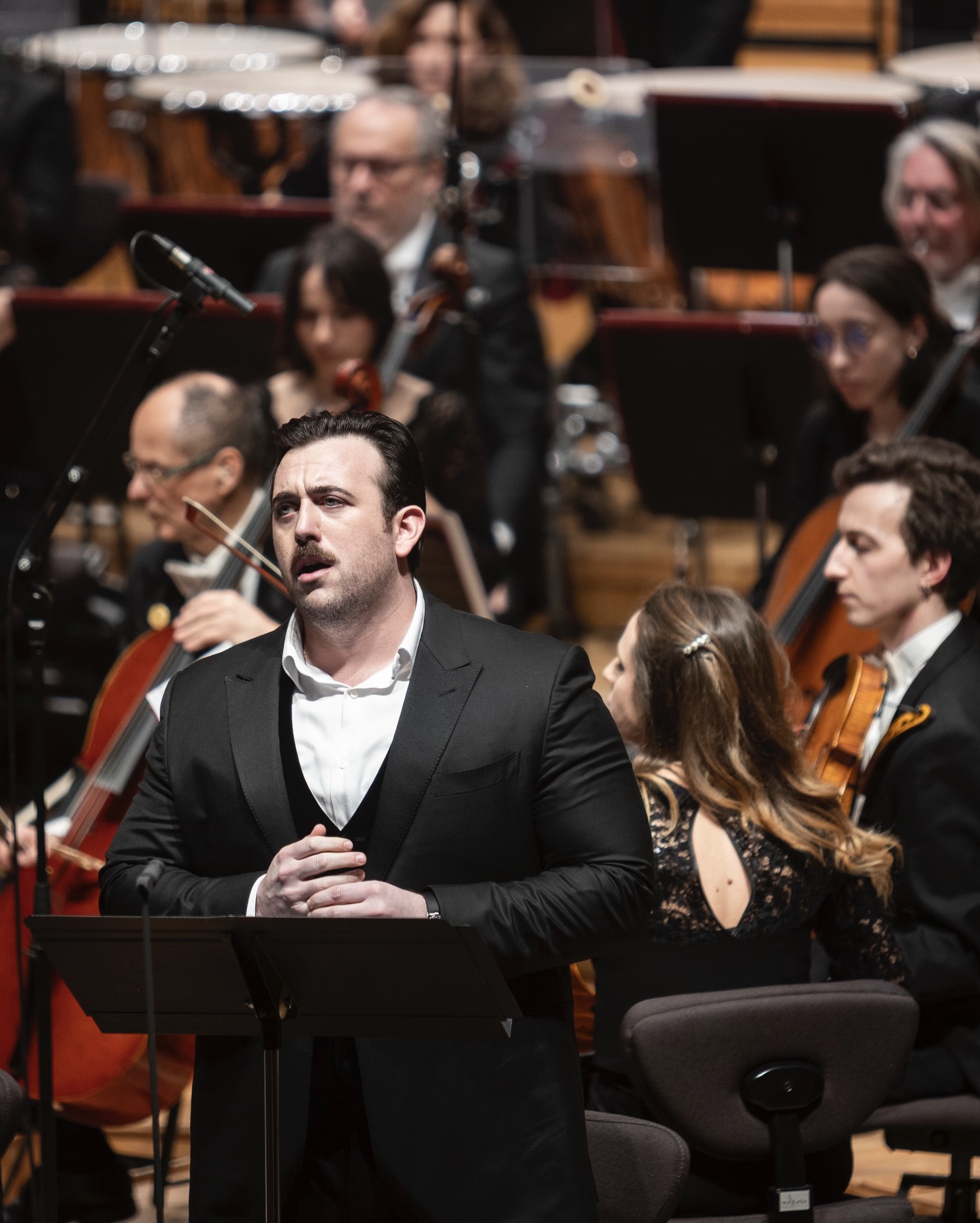
De Tommaso is certainly the owner of an impressive natural instrument. The voice is big and rich in the middle and bottom, with an agreeably Italianate warmth. The top, however, can sound a bit wiry and the support in the higher-lying passages does sound like it needs a bit of work. He’s still quite young, only 32, but has already had some big assignments. In a world where young singers are pushed too fast, too soon by managers and intendants obsessed with quick wins rather than longevity, I hope that De Tommaso has the right people around him to ensure he can make the most of his undoubted natural gift.
Mihai Damian is another of those excellent singers that Romania has produced in the past few years. He sang Lambro in a big, exciting baritone. The voice certainly has amplitude, although it does tend to taper off at the very top. Still, he’s clearly a very useful artist with implicit musicality. Nicholas Mogg sang Daniele in a firm column of sound. He blustered efficiently without the need to hector. The chorus, prepared by Marco Medved, sang with vigour and big, open tone. The tenors and basses were particularly enthusiastic, while the sopranos sang with focused emissions.
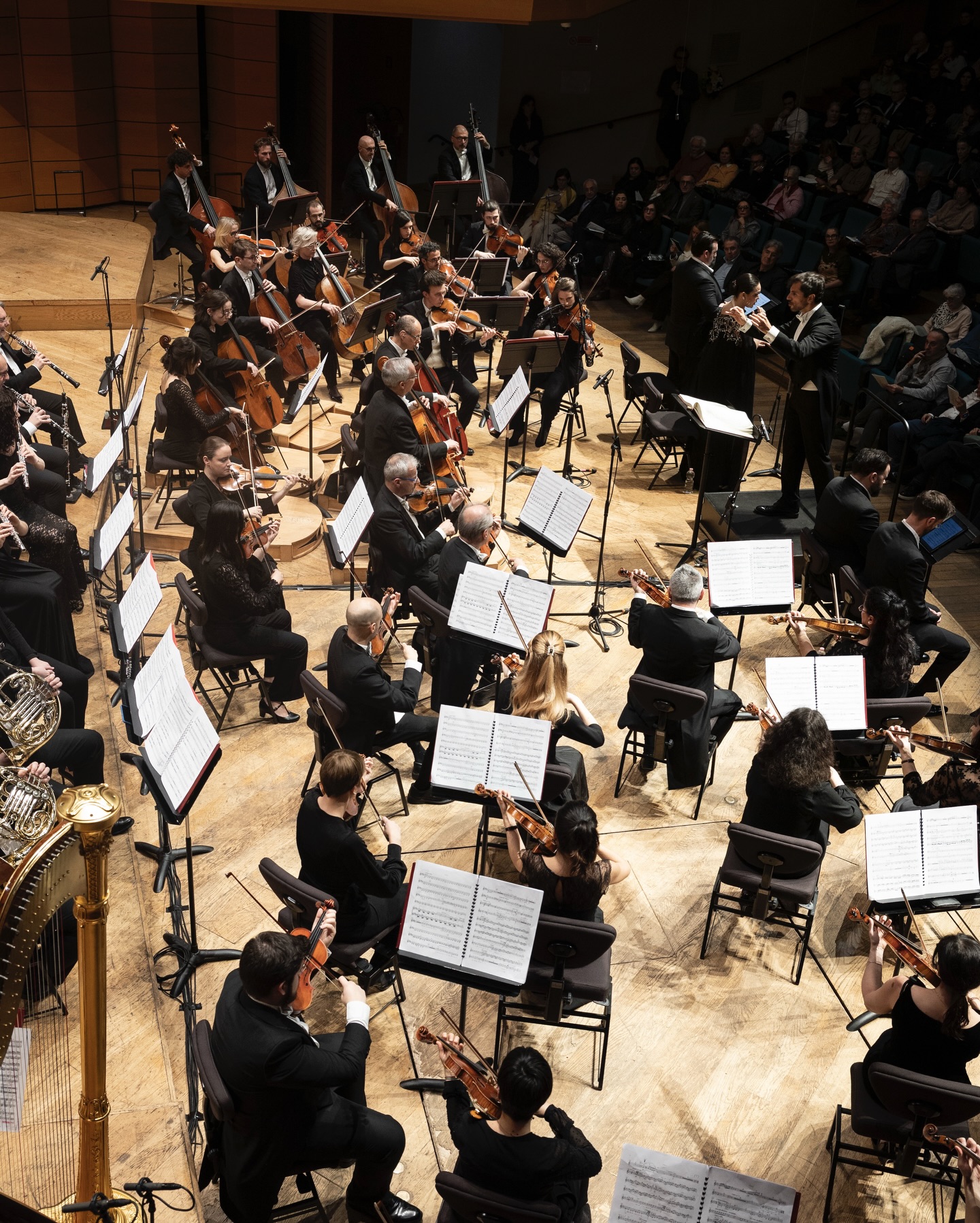
This was a fascinating evening in the theatre, the opportunity to hear the early work of a notable composer, performed at the very highest level. Milletarì conducted this music with thrilling intensity, while Buratto sang hers as if it had been written for her and her alone. What I’ll take with me from tonight is not just that this is an interesting work that deserves a wider hearing, but that in Milletarì and Buratto the great Italian tradition is alive and well. The audience response at the end was ecstatic.
 operatraveller.com