Wagner – Tristan und Isolde
Tristan – Tilmann Unger
König Marke – Evgeny Stavinsky
Isolde – Marjorie Owens
Kurwenal – Nicolò Ceriani
Melot – Saverio Fiore
Brangäne – Daniela Barcellona
Ein Hirt – Andrea Schifaudo
Ein Steuermann – Matteo Peirone
Stimme eines jungen Seemanns – Andrea Schifaudo
Coro della Fondazione Teatro Carlo Felice di Genova, Orchestra della Fondazione Teatro Carlo Felice di Genova / Donato Renzetti.
Stage director – Laurence Dale.
Teatro Carlo Felice, Genoa, Italy. Sunday, February 15th, 2026.
Tonight marked my first visit to the Teatro Carlo Felice in Genoa. It’s a theatre that has been on my radar for quite some time, given their interesting casting. It’s a handsome house, with a wonderfully clear acoustic. This Tristan und Isolde promised much. The opportunity to hear an Italian orchestra playing Wagner under an Italian conductor was too tempting to turn down, especially with the opportunity to hear bel canto specialist, Daniela Barcellona, singing Brangäne. I’ll admit to entering the auditorium this afternoon with high expectations.
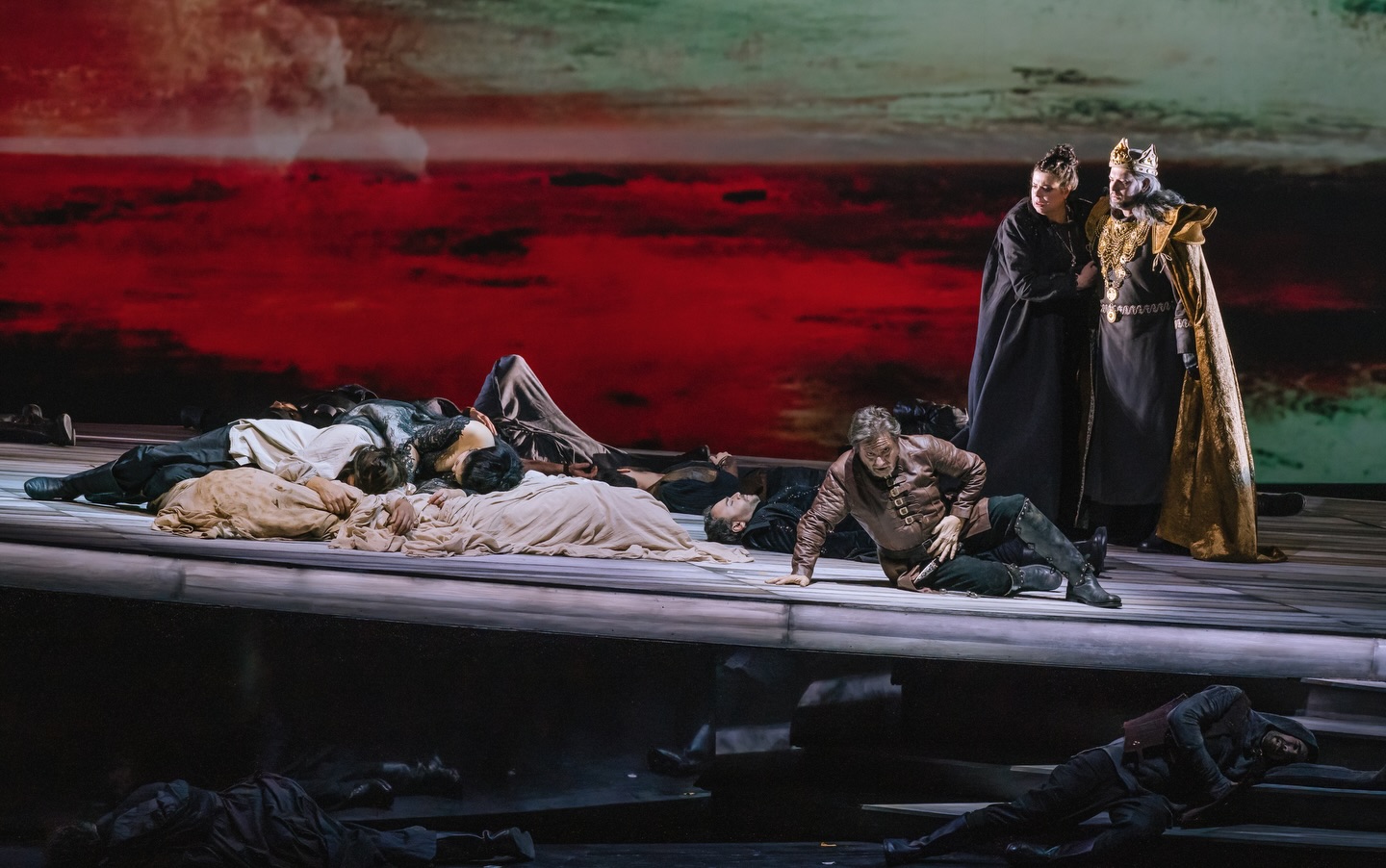
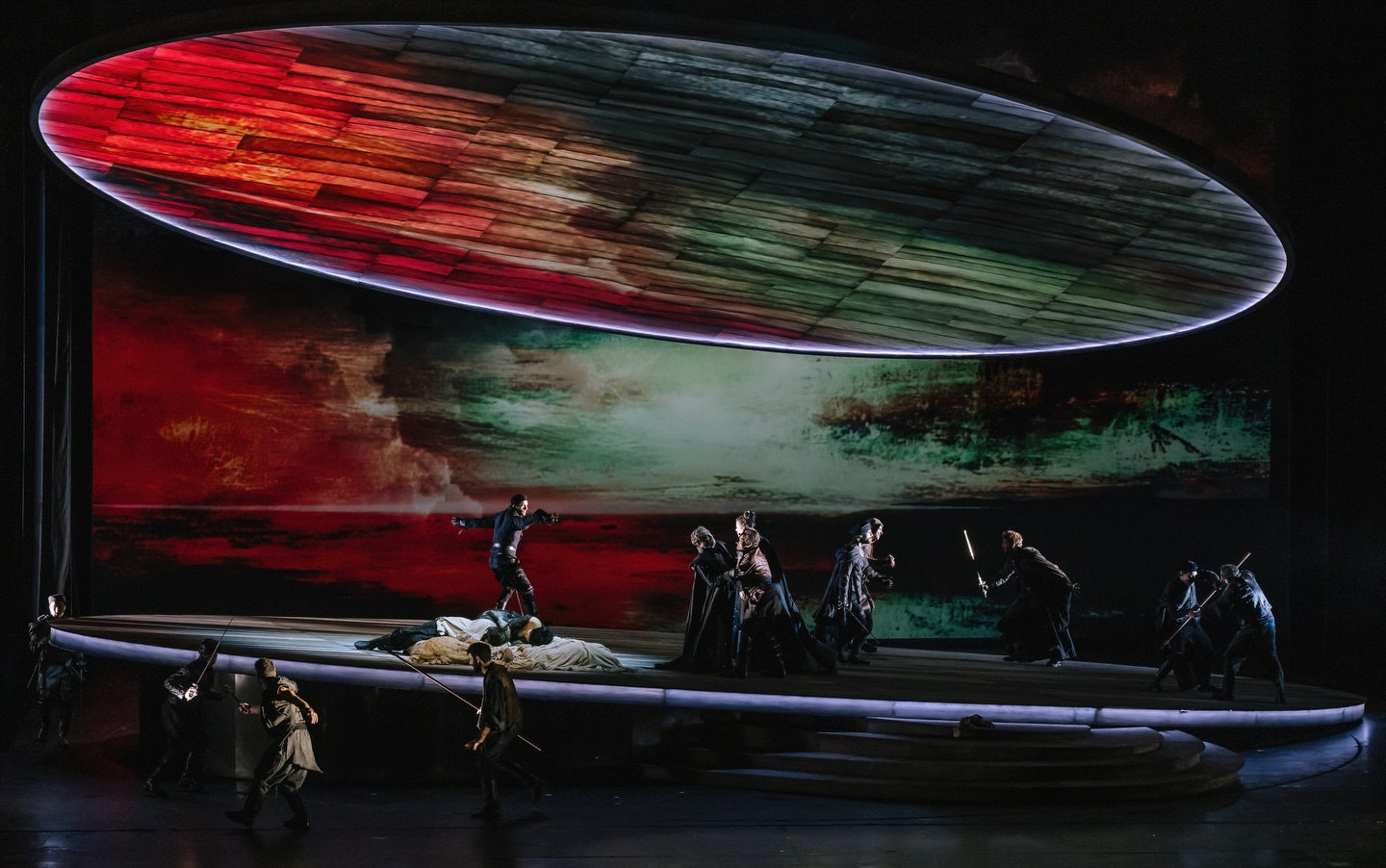
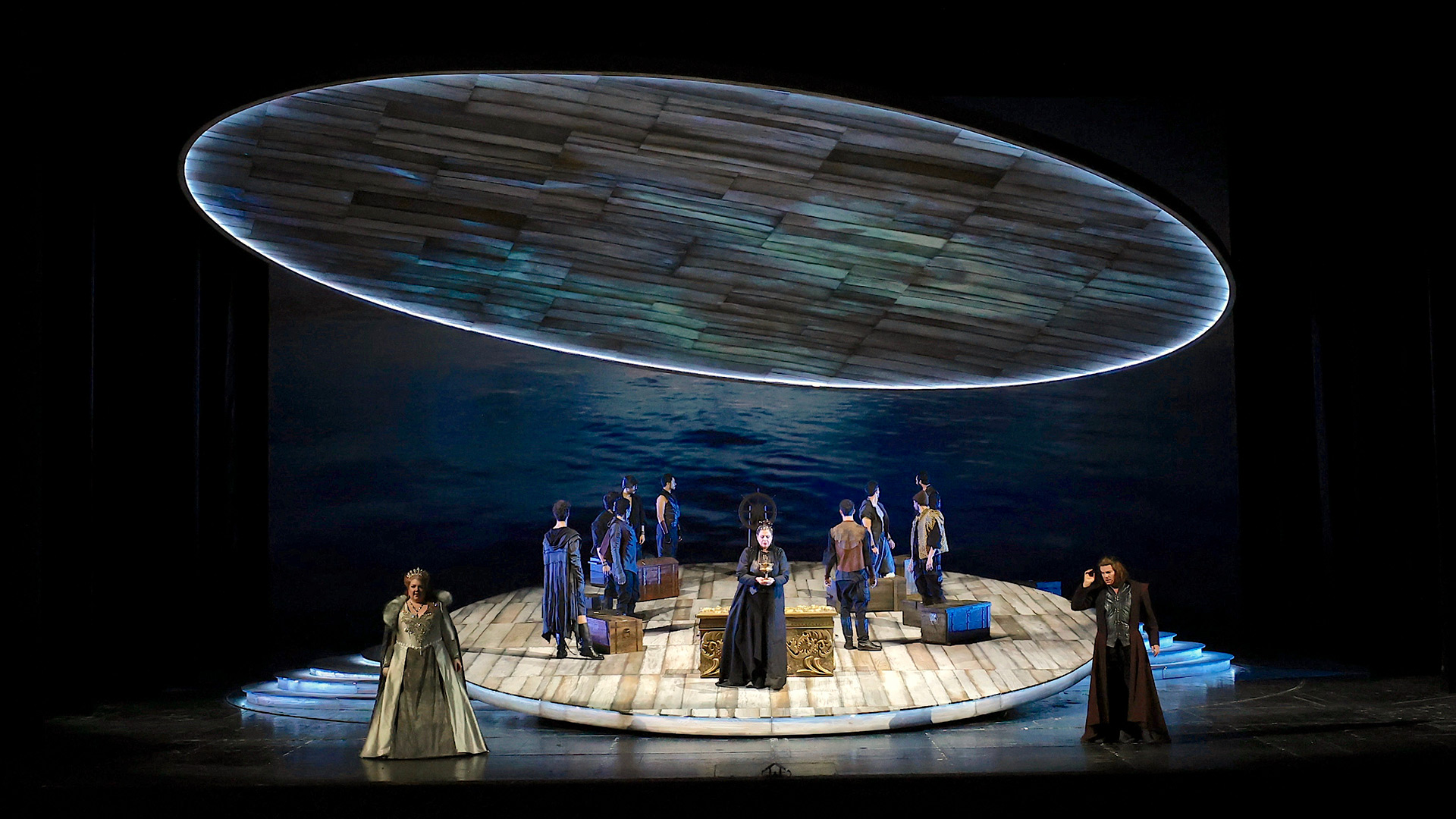
The staging was confided to Laurence Dale, a new name to me. His was a very picturesque view of the work. He sets the action on a single set, by Gary McCann, that consists of a circular platform which revolves, with another circular structure above it, upon which abstract video images were projected, as indeed they were on the rear of the stage, with video by Leandro Summo. It made for an interesting setting for the action, although it was also acoustically comprising, not giving the singers surfaces upon which to project. While Dale did often have his singers singing from the front of the stage, when they were placed further back, they were definitely at an acoustical disadvantage. The costumes, also by McCann, were very much traditional in nature. Isolde was dressed in a long flowing dress, with diamante décolletage and tiara. She looked fabulous, although I question how practical this outfit was for a boat trip to Cornwall.
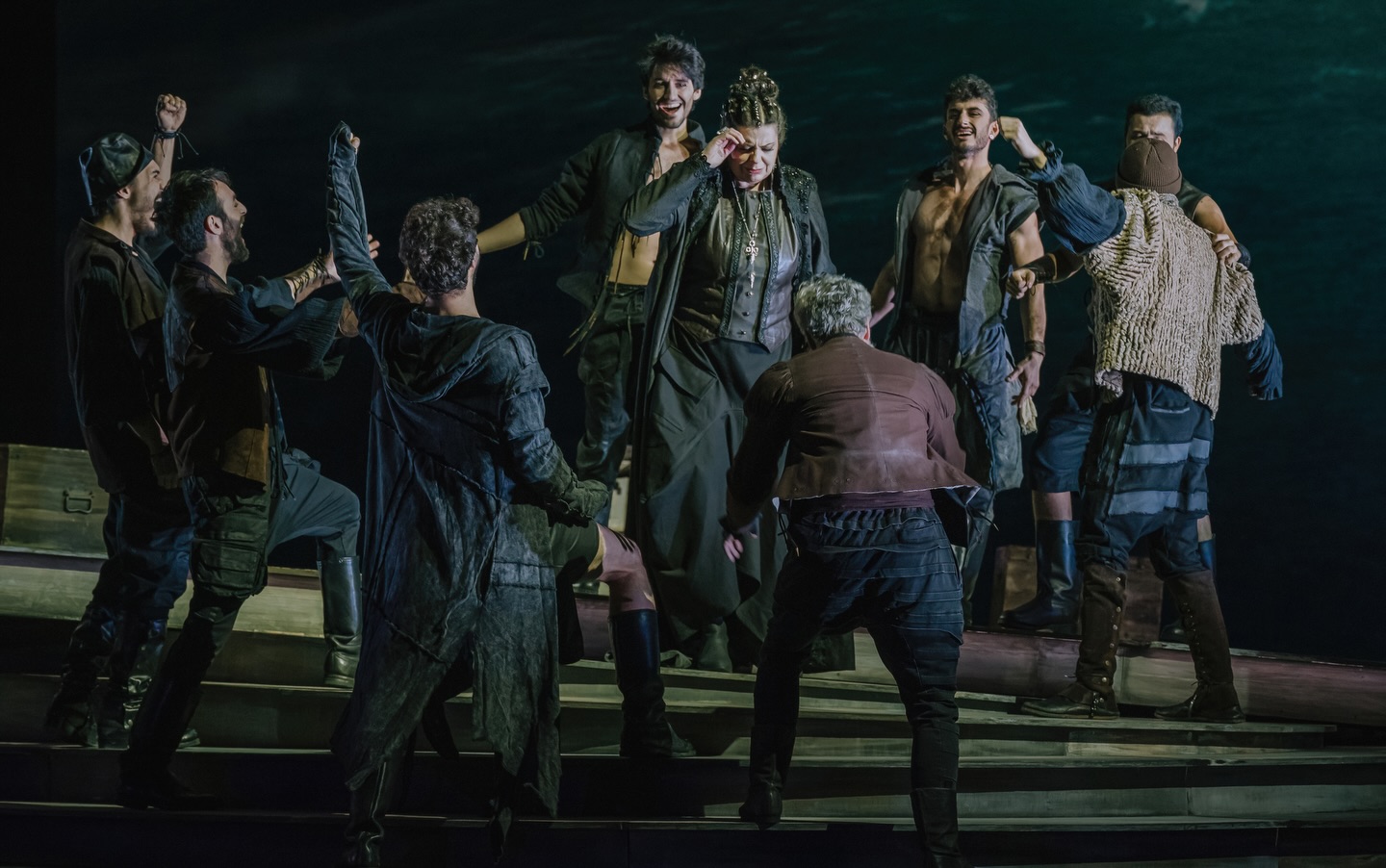
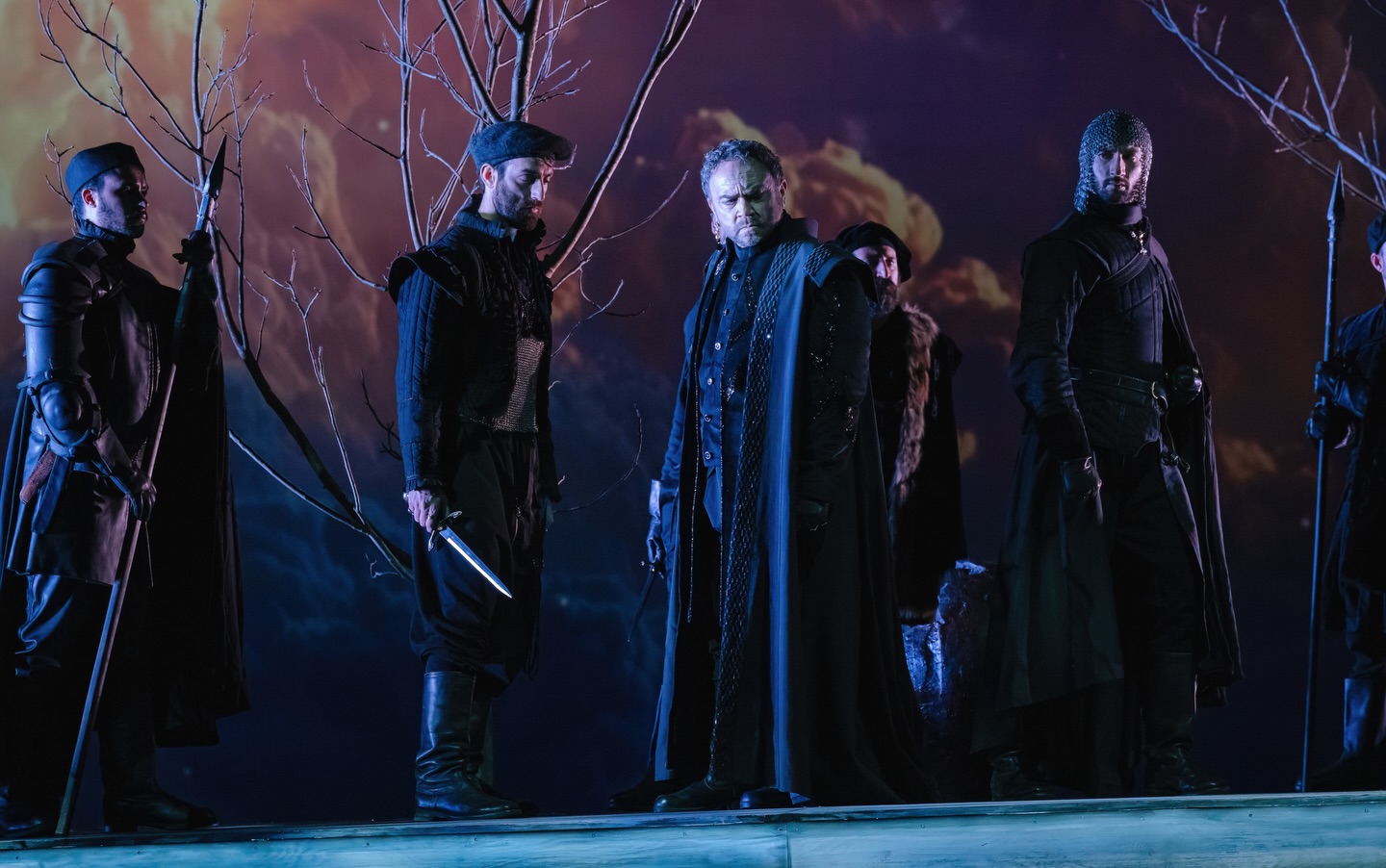
Tristan is an opera with long, thoughtful scenes. Dale attempts to add visual interest through the use of actors. Yet their deployment was inconsistent. While they were a constant on-stage presence in Act 1, by Act 3 they had all but disappeared, giving the impression of a production that had given up around half-way through. I must admit that the sight of a group of shirtless Seamen doing yoga stretches during Isolde’s curse was somewhat distracting, rather than amplifying the impact of the music. Similarly, having actors mime the backstory of Isolde and Morold during her opening scene with Brangäne pulled us away from the principals precisely at the moment where they should be asserting themselves. I also found Dale’s personenregie to be perfunctory. Singers were planted on stage and asked to gesture to the front: the love duet felt more like a concert performance, since both Marjorie Owens’ Isolde and Tilmann Unger’s Tristan spent much of it singing directly at the audience. Owens is a rather statuesque actress and I longed for her to be given some more purposeful stage direction as the evening evolved. There were a few interesting ideas. Tristan stabbed himself with Melot’s weapon, and I don’t recall him drinking the love potion in Act 1, although Isolde did. Perhaps Dale was trying to illustrate Tristan’s single-mindedness, although this felt inconsistent and not fully thought through. Dale’s staging did give something to look at, at least, particularly in the Seamen rubbing themselves down in Act 1, in addition to the aforementioned yoga poses, but his staging also felt not quite fully thought-through in its concept and superficial in its execution.
Musically, there were many rewards. The acoustic of the Carlo Felice is bright, but with a warm and generous bass. There was so much space for Wagner’s writing to bloom in, enveloping the audience in a bath of sound. In a video published on the theatre’s social media, Donato Renzetti mentioned how happy he was to have the opportunity to conduct this most iconic of scores. He clearly loves this music deeply. The prelude opened lovingly, the music phrased in long, beautiful lines that gradually intertwined and built up into precisely that enveloping sound that characterized this performance. His tempi were generally slow, which meant that the unbearably jubilant thrust that marks the closing pages of Act 1 didn’t quite take wing, although the sound produced by the orchestra and chorus was absolutely glorious. Renzetti took the first part of the love duet quite swiftly, and eased into ‘o sink hernieder’ into a tempo that seemed to make time stop. In the Act 3 prelude, I did miss a sense of attempting to dig deeper into the phrasing, to make that long night of the soul as painful as it should be, yet Renzetti also achieved such a range of tone colours from his musicians. If his reading didn’t quite have the white-hot intensity of Pons in Barcelona or Wellber in Palermo, there was still a lot to appreciate in it. I was particularly impressed by the quality of the orchestra. Their playing throughout was unimpeachable, with just one brief passage of rough string intonation (at the start of Act 2) in the entire evening. The off-stage horns at the start of Act 2 were particularly impressive and throughout they played this score with the kind of lyrical musicality that only Italian orchestras can.
This run marks Owens’ debut in the title role. As she was indisposed on opening night, today was actually her prise de rôle. It’s a huge sing for her and a significant next step in her career. Hers is very much a soprano Isolde. The voice is bright, with a fast vibrato, and has good cutting power, able to ride the orchestra with ease. Owens had clearly worked most diligently on the text, the words always forward throughout. She was able to rein in her soprano, using dynamics most intelligently in the love duet, while opening up most excitingly on the high Cs. As mentioned above, Owens is a rather statuesque actress and I have no doubt that with more experience in the role, she’ll find more freedom and ease in her portrayal. Her Liebestod was sung with fresh generosity, the voice filling the hall in ecstatic waves over the surging textures below. We had waited almost five hours for that moment and when it came, it gave us the most satisfying release.
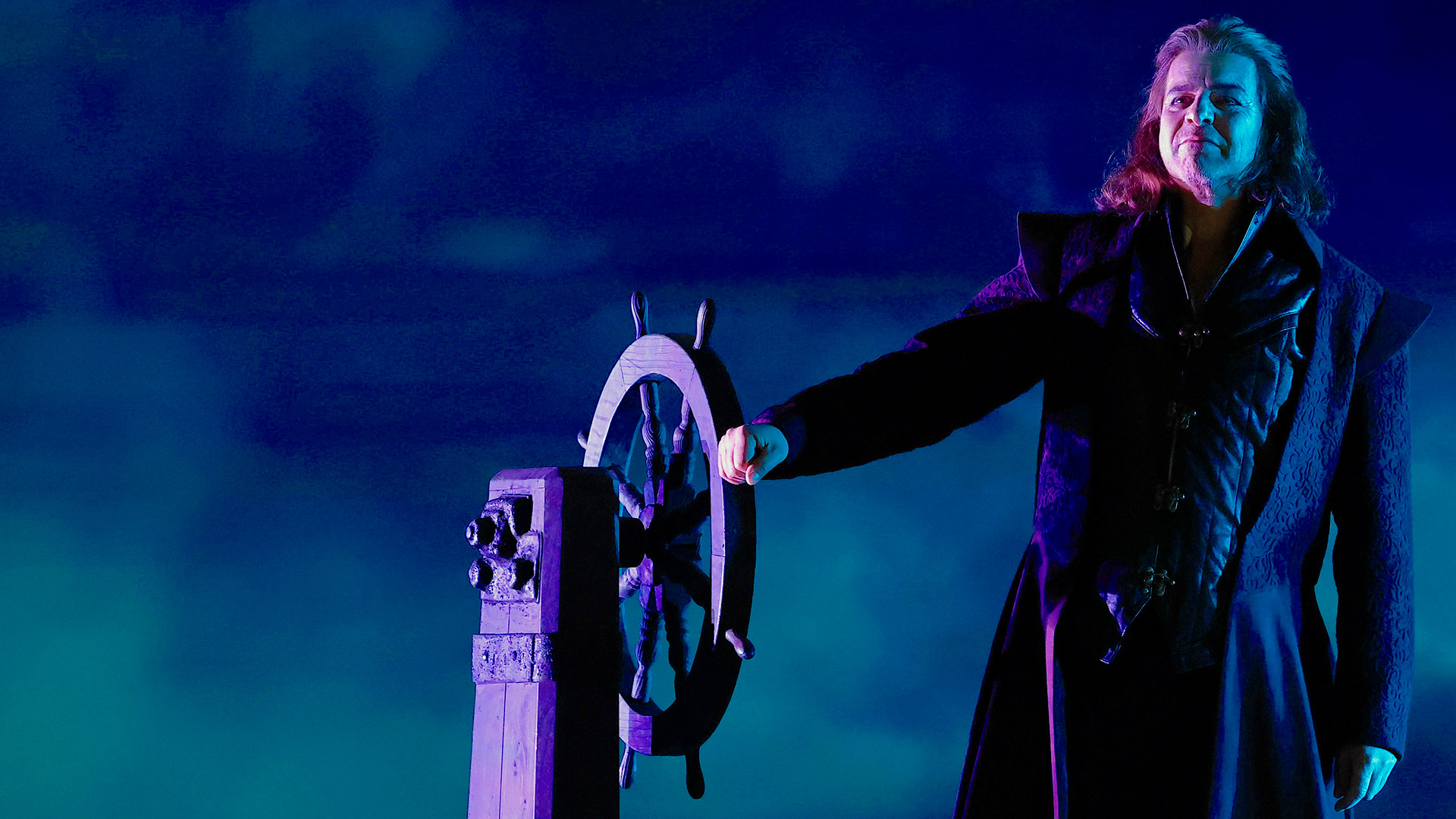
I heard Unger as Siegfried in the Bologna Götterdämmerung last year, where his contributions were reliable. To his credit, tonight he made it to the end, didn’t crack, and was unflinching in his physicality. Unfortunately, Unger wasn’t helped by the set design or his placement on stage, which meant that despite his determined vocalism, he was barely audible over the orchestra. The voice sounded slender, not able to cut through, although with more sympathetic stage direction and placement on stage his singing would have had more impact. A shame because his diction was excellent and he was clearly utterly committed.
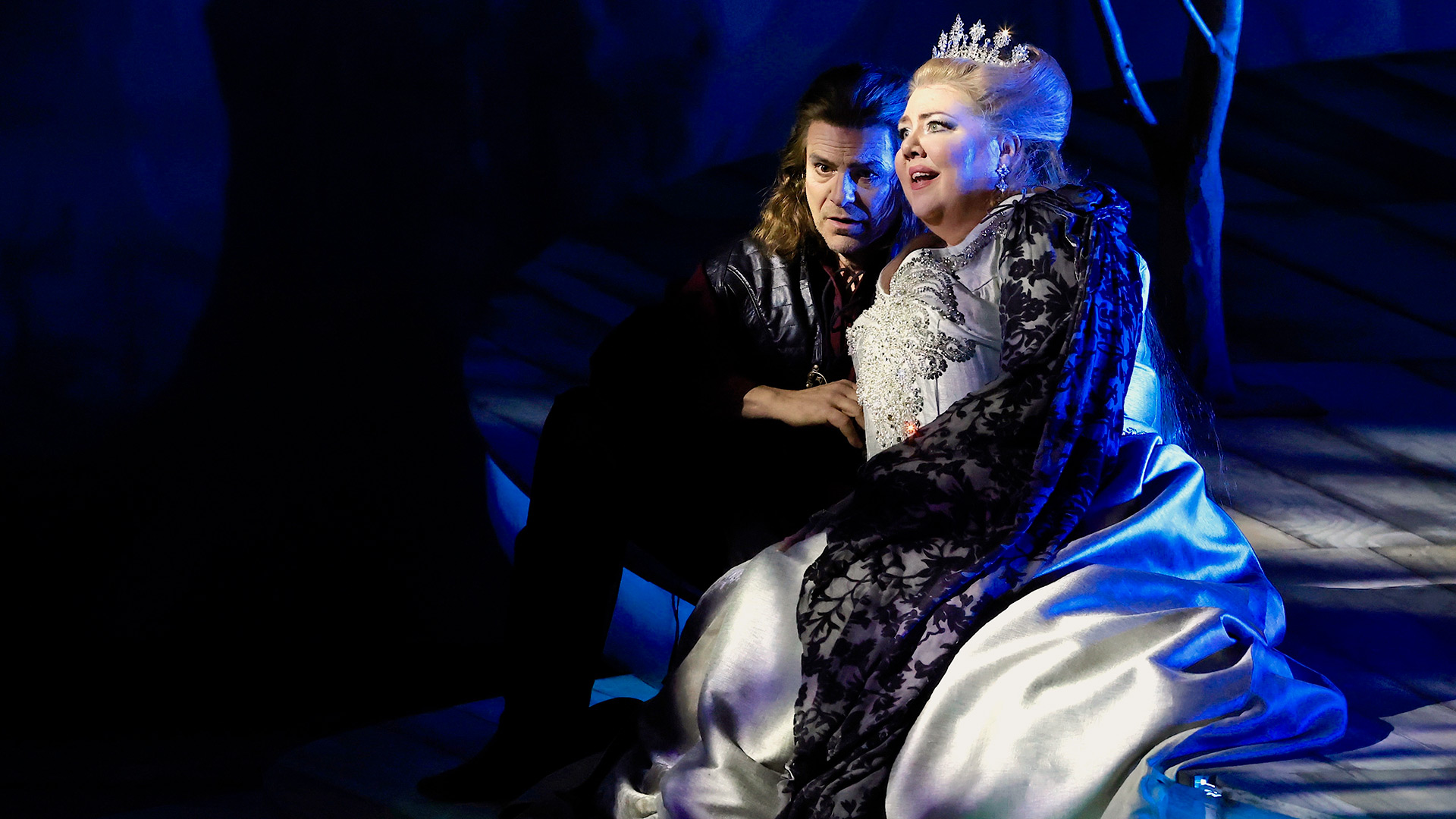
Barcellona was a revelation as Brangäne. She sang the role with her impeccable bel canto technique, phrasing the music with love and generosity, and had clearly worked exceptionally hard on the text, the words always absolutely clear. The voice soared seemingly without limits, the tone warm and rich, and she floated her warnings on a glorious cushion of sound. I very much hope that a theatre will give her a Kundry and a Sieglinde very soon. Nicolò Ceriani sang Kurwenal in a massive column of sound, the voice firm and stentorian. I did find him to be a bit casual with note values, but the generosity of his singing gave pleasure.
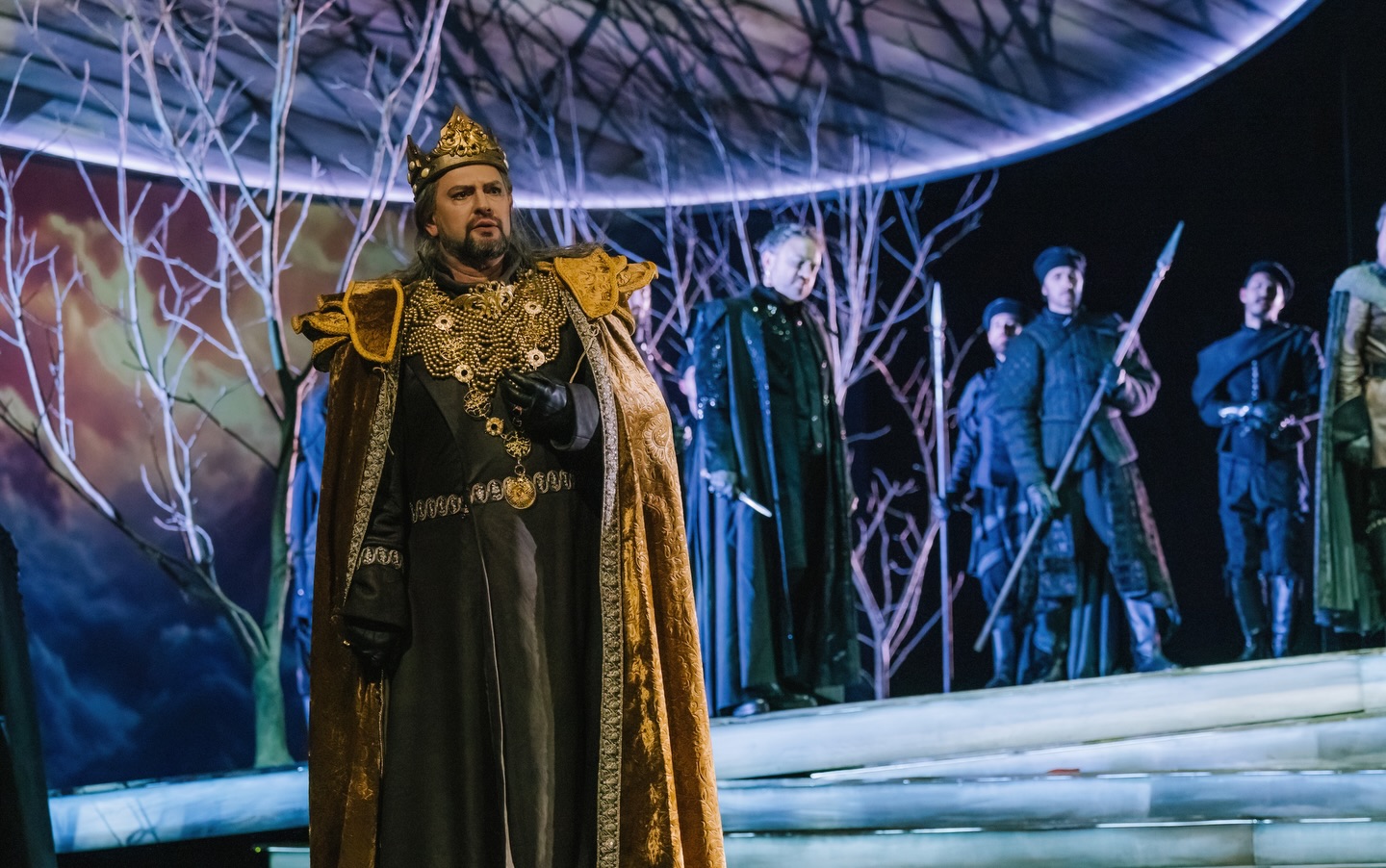
Evgeny Stavinsky succeeded in something that has defeated so many basses before him: he actually managed to make Marke’s monologue interesting. He achieved this through his textual focus and use of phrasing and dynamics to make the music much more thoughtful than so many others. Saverio Fiore was a bright, tenorial Melot. Andrea Schifaudo sang his roles in a handsome, easily-produced lyric tenor, while Matteo Peirone was an appropriately gruff Steuermann. The chorus, prepared by Claudio Marino Moretti, made a tremendous noise in their off-stage interjections, the quality of the voices undeniable.
This was a somewhat mixed Tristan und Isolde, although it was one that did leave one satisfied at the end. Dale’s staging was risible and perfunctory. It had some ideas, but these felt barely explored and seemed added on. That said, the shirtless Seamen were certainly a welcome sight, even if their presence felt more ornamental than integral. Vocally, the evening was notable for Barcellona’s glorious Brangäne, Cerioni’s generous Kurwenal, and Owens’ thoughtful Isolde. The orchestral playing was magnificent. The audience listened most attentively throughout and responded with generous cheers at the close, particularly for Ceriani, Barcellona, Owens, and Renzetti and his orchestra.
 operatraveller.com