Verdi – Falstaff
Sir John Falstaff – Milan Siljanov
Alice Ford – Roberta Mantegna
Ford – Mihai Damian
Nannetta – Damiana Mizzi
Mrs Quickly – Anita Rachvelishvili
Meg Page – Irene Savignano
Fenton – Jack Swanson
Dr Cajus – Christian Collia
Bardolfo – Enrico Casari
Pistola – Marco Spotti
Coro del Teatro Petruzzelli, Orchestra del Teatro Petruzzelli / Vincenzo Milletarì.
Stage director – Luca Ronconi.
Tonight marked my first-ever visit to the beautiful Teatro Petruzzelli in Bari. It’s a handsome house with a great operatic tradition and home to a very fine orchestra. I’ve certainly wanted to visit for a while and tonight’s Falstaff was the perfect opportunity to discover the house and spend some time in this beautiful city. There were a number of attractions in this revival of the late Luca Ronconi’s staging, with the production revived by Marina Bianchi. A cast of some of the leading Italian singers joined by international guests, all under the direction of Vincenzo Milletarì, conducting here in his native Puglia.
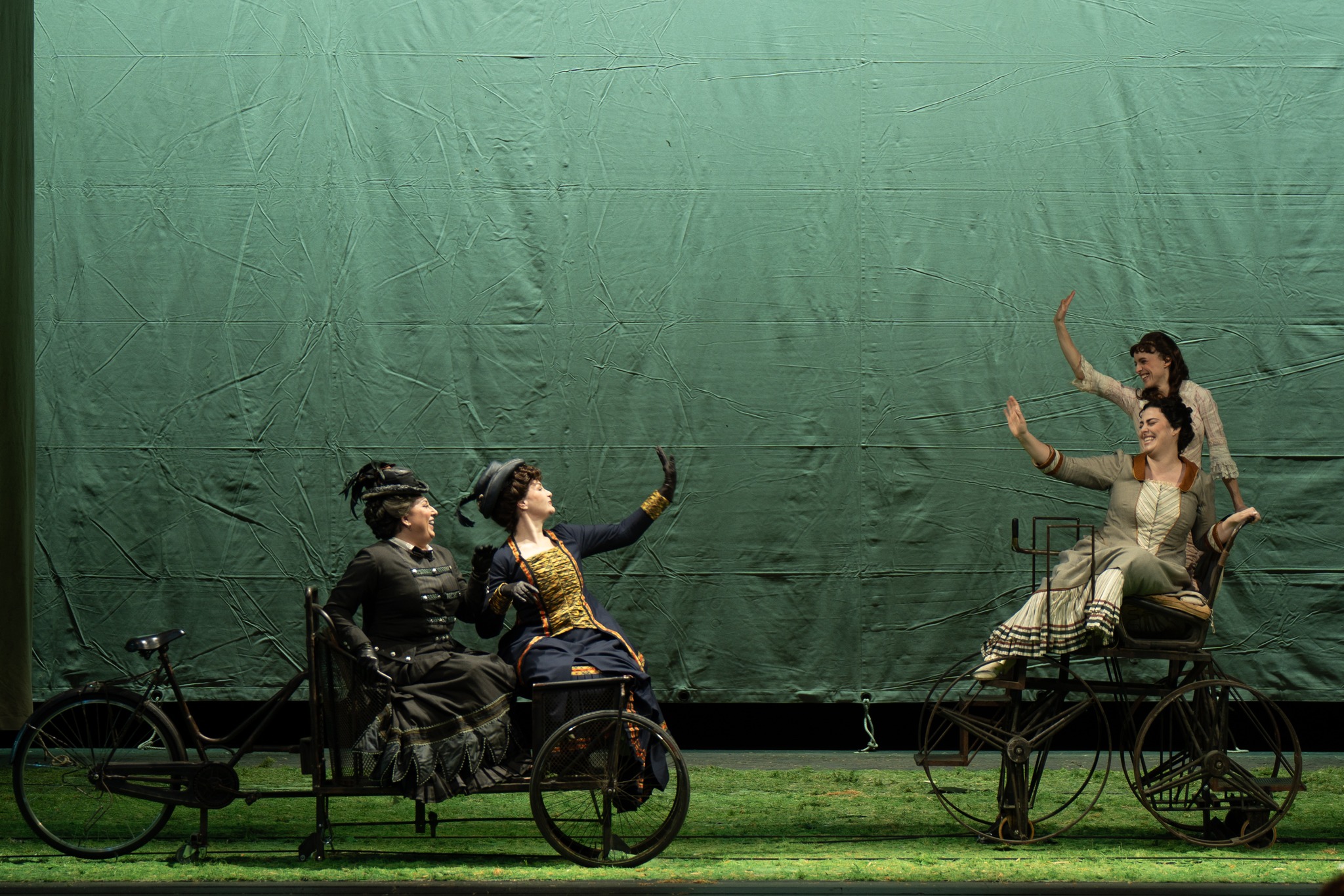
Ronconi’s staging makes for an efficient framework for the action. The set, by Tiziano Santi, is relatively basic, consisting as it does of three plain backcloths around the stage, with various bits of stage furniture adding interest. Ronconi sets the action in what seems to be the time of composition, bringing out how this score not only marks the final opera of one the greatest operatic composers, but also very much looks forward to the future in its harmonic and rhythmic language. This is manifested in Ronconi’s set by the addition of bicycles and steam trains that the cast use to move around the stage in Act 1. In Act 2, Ronconi sets the action in a simple space with a bed and a couch, placing the emphasis firmly on the principals. It also struck me how in Act 3, with the forest descending from the flies, it felt that the staging itself was also looking forward to a new, perhaps unknown, future, one where technology allows trees to fill a stage.
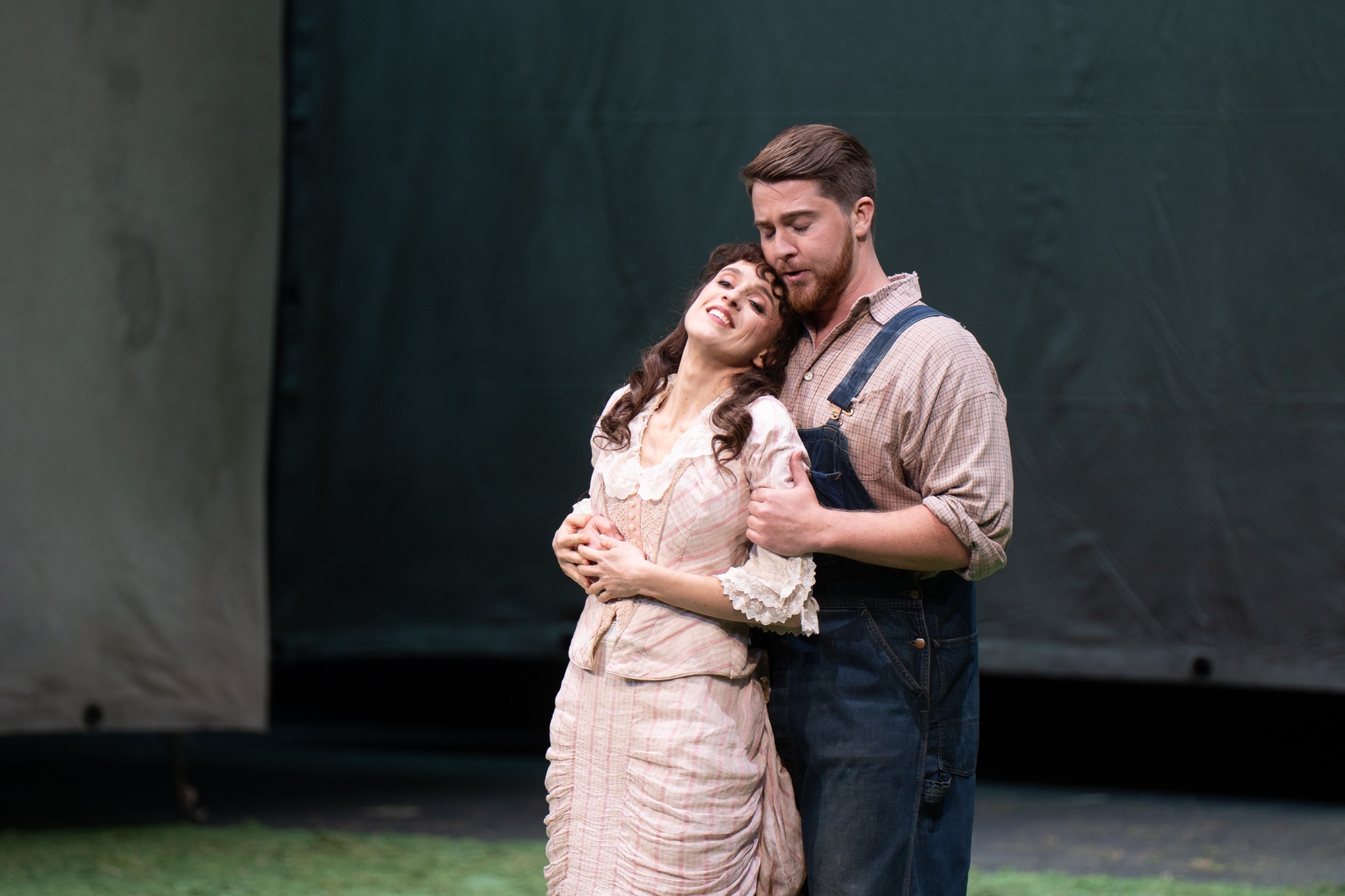
With the spareness of the set, much more attention is given to the personenregie. Given that the set is surrounded by drapes, Ronconi and Bianchi sensibly keep the cast at the front of the stage to ensure maximum audibility. The atmosphere on stage was absolutely terrific; the cast were clearly having the time of their lives and seemed to genuinely enjoy working with each other. I also found it interesting how in Ronconi’s staging, Falstaff isn’t an oversized cliché, but instead, as in his costume to meet Alice, is actually quite elegant. This made Milan Siljanov’s Falstaff much more three-dimensional as a result. It’s undoubtedly an interesting and thoughtful staging.
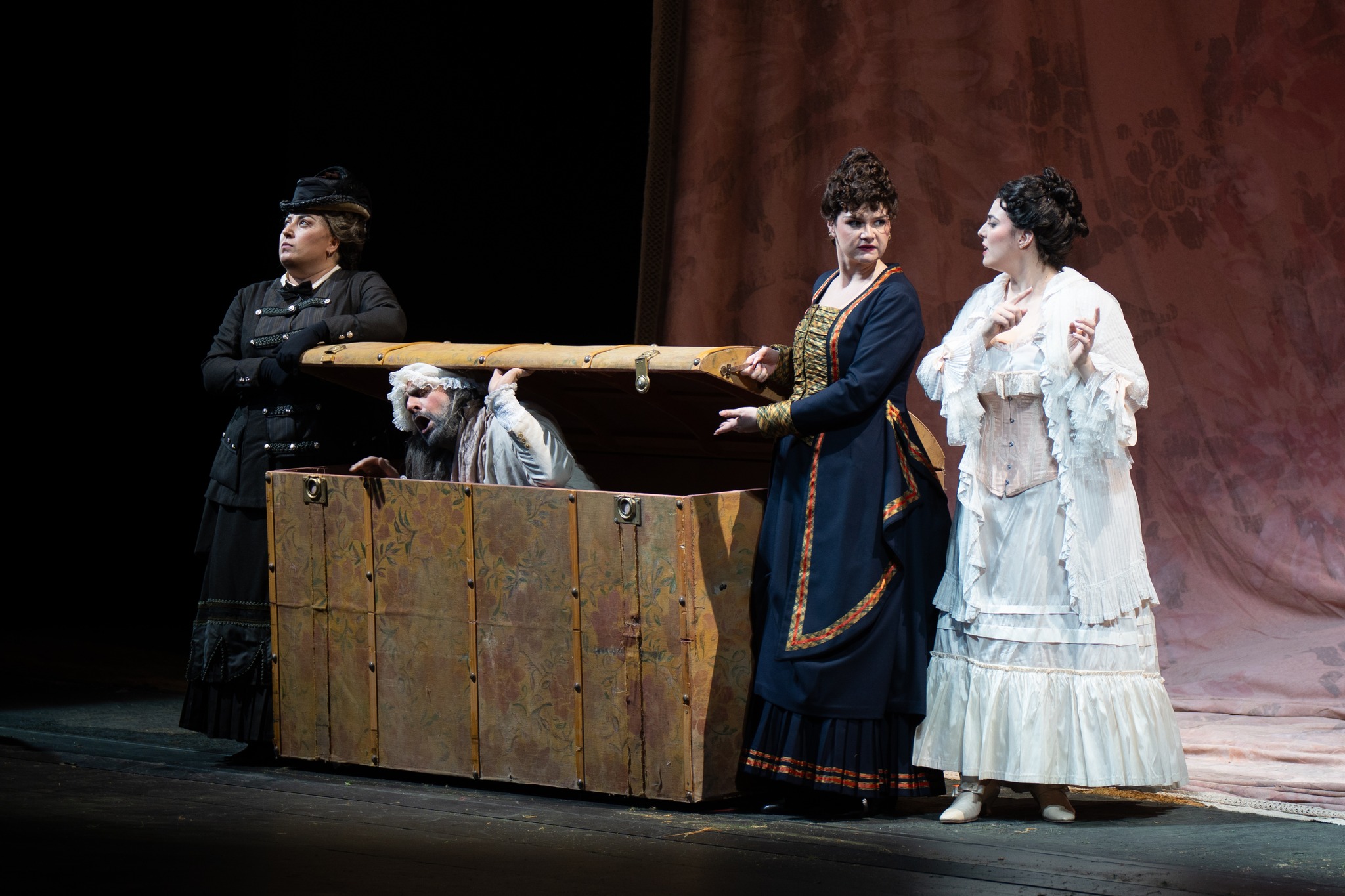
Milletarì led the Petruzzelli orchestra in a reading of staggering unanimity of approach. Indeed, the way the singers negotiated the rapid-fire ensemble writing of Act 1 was sensational – the syncopations brought out with striking precision. The quality of the orchestral playing was extremely high, with Milletarì eliciting a rainbow of orchestral colour, whether in the darkness of the horns, the glow of the flutes, or the shimmering strings. Yes, I have to admit that some of the very highest string harmonics were not completely unanimous in tuning, but the sheer meticulousness of the way they dispatched those complicated rhythms was seriously impressive. I also found Milletarì’s tempi to be wonderfully quicksilver, the mood constantly changing naturally and imperceptibly. Once again Milletarì has proven himself to be a Verdi conductor of distinction. The chorus, prepared by Marco Medved, dispatched their brief interjections with the same precision as their orchestral colleagues.
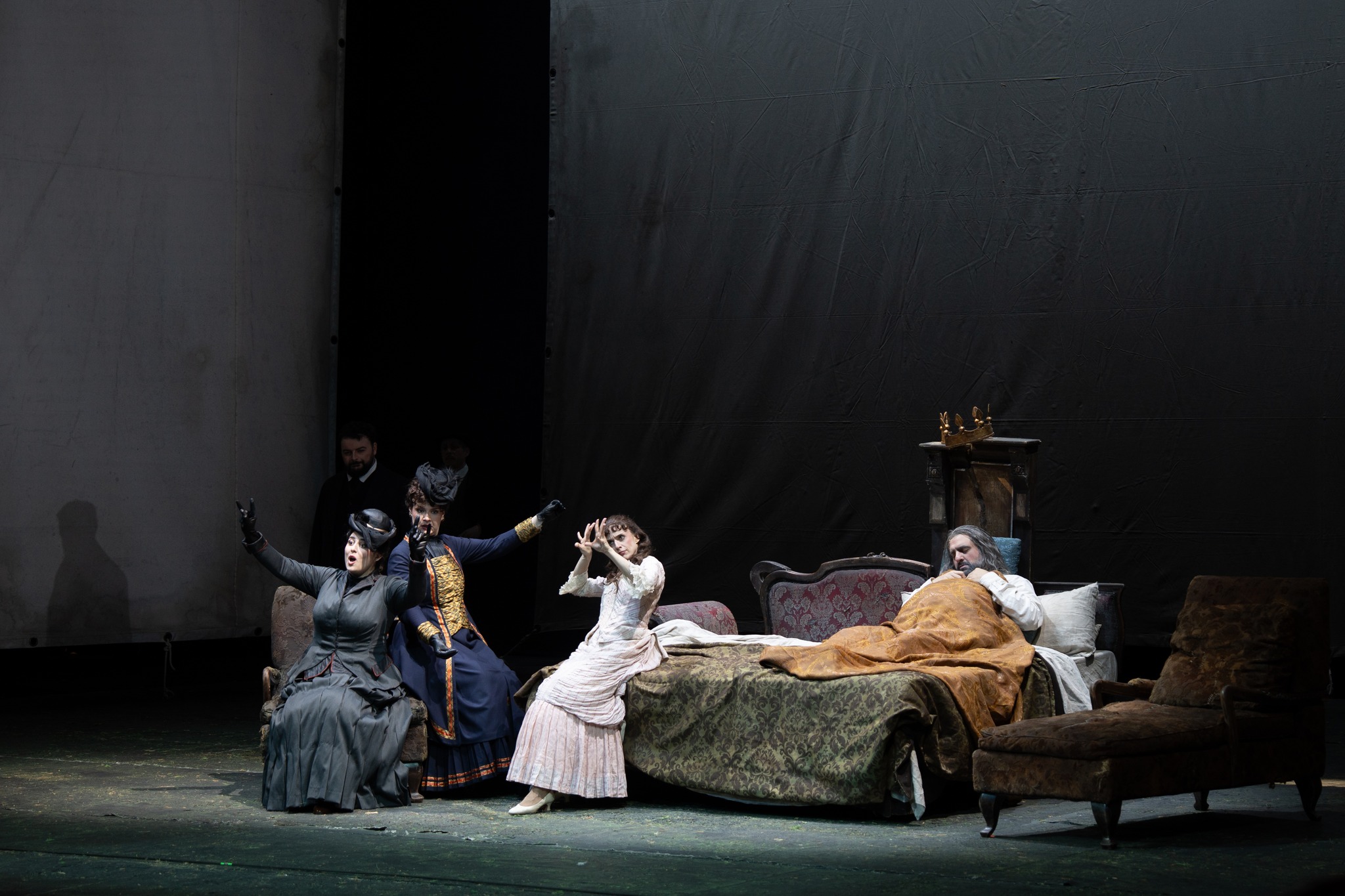
Siljanov is a familiar name from evenings at the Bayerische Staatsoper, where his performances frequently give great pleasure. I was keen to hear him in this most iconic of roles. The voice has a soft-grained warmth, with the words always nicely forward. It must be said that it does taper off a little at the top, with the close of his ‘Onore’ monologue not quite ringing out. That said, Siljanov does have character to spare in his singing, the voice distinctive and full of personality, while he held the stage with enthusiasm and warmth. His was a Falstaff that was more complex, more three-dimensional, one whom the viewer actually felt pity for in Act 3.
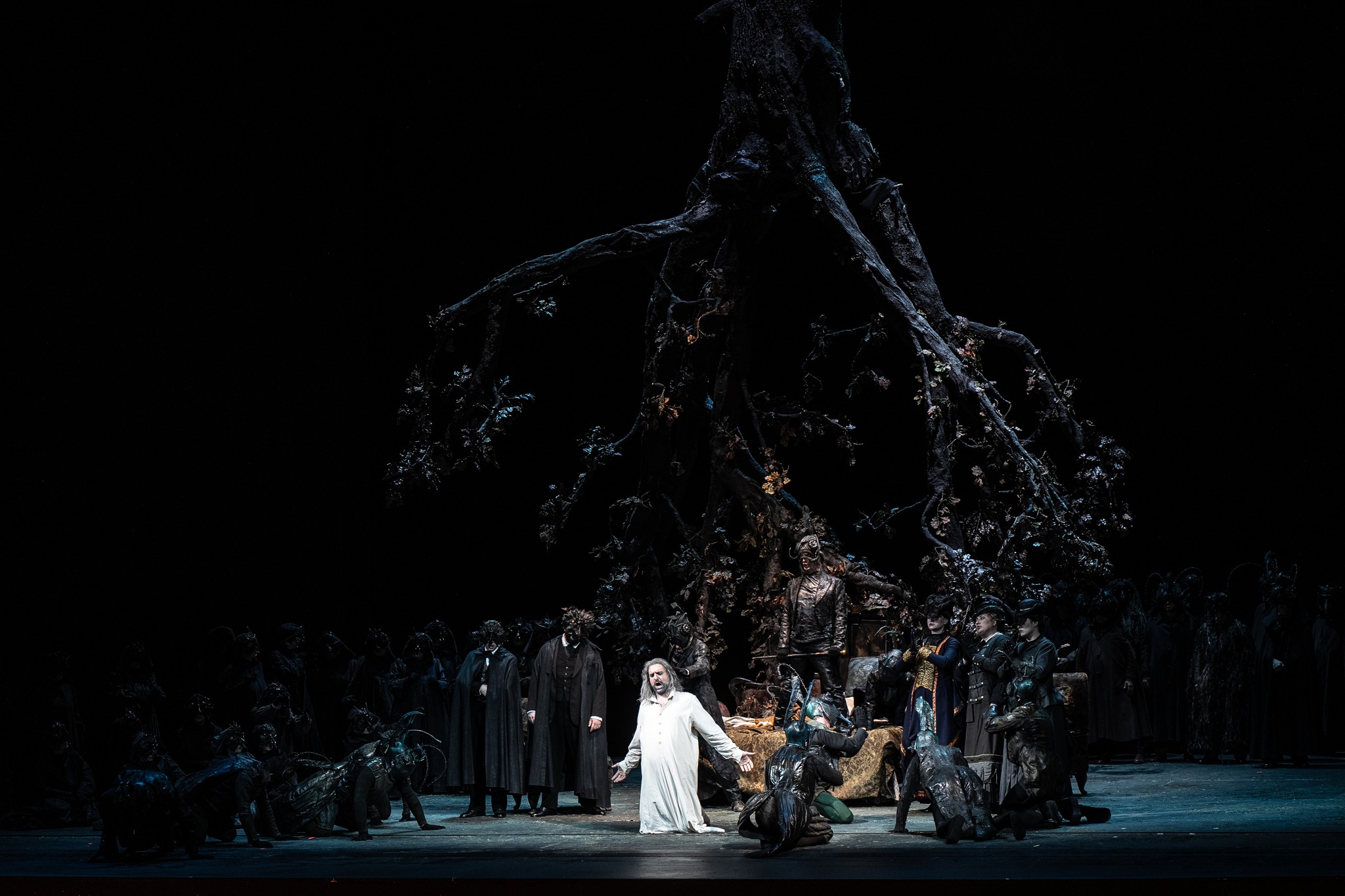
It was a privilege to see the magnificent Anita Rachvelishvili back on stage as Quickly. Indeed, I must admit to feeling quite emotional as she started singing, given everything that she’s gone through over the past few years. She still has star quality to spare, her Quickly not so much holding the audience’s attention as grabbing it and not letting go. Rachvelishvili didn’t hold back on those big trombone-like lower notes as she descended to the depths of her ‘reverenza’s. Yes, the middle isn’t quite as full as it was, but this is an ideal role for her currently and she filled it with such genuine warmth and comic timing. Rachvelishvili was simply a delight.
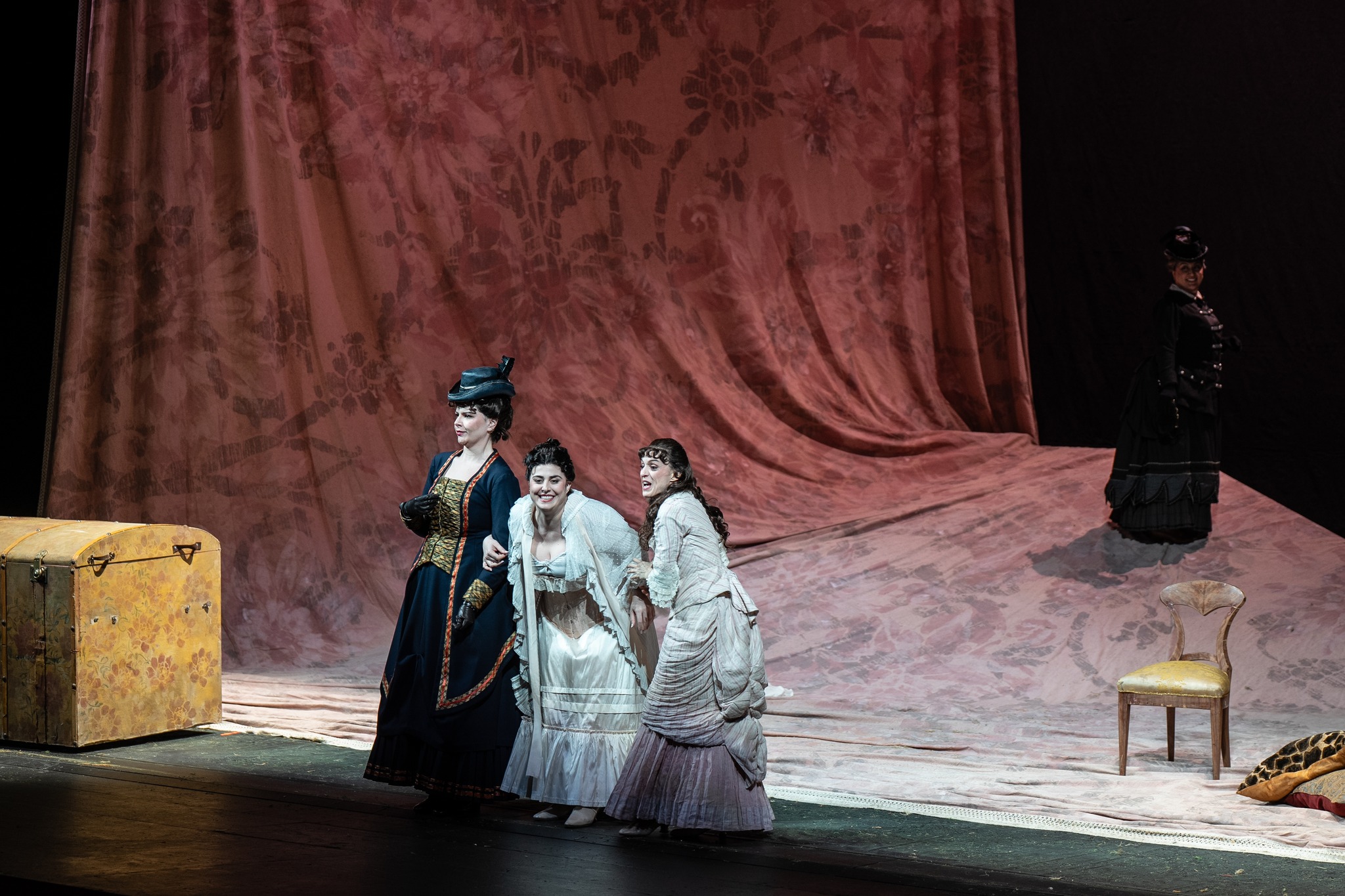
As Alice, Roberta Mantegna brought her glamorous, strawberries-and-cream soprano to her music, the voice so full of rosy pulchritude – and a genuine trill. Mantegna was also a wonderfully generous stage presence. Mihai Damian sang Ford in a firm column of focused sound, absolutely even from top to bottom, never succumbing to the urge to hector. He sang his ‘È sogno? o realtà?’ with room to spare, the voice seemingly unlimited in height and amplitude. Jack Swanson was luxury casting as Fenton, singing his music in a bright, forwardly-placed tenor, bringing plaintive poetry to his song in the forest.
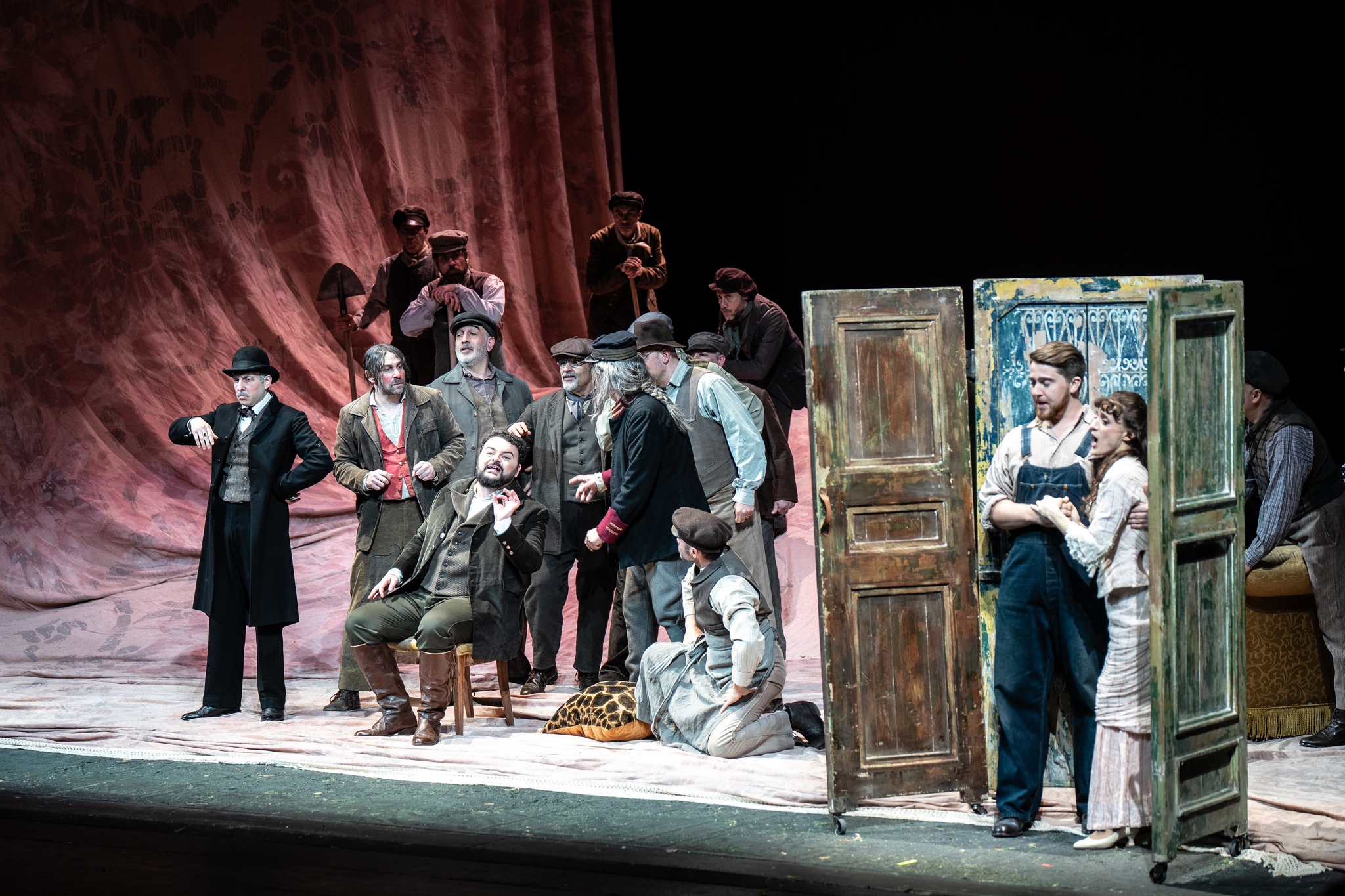
His Nannetta was Damiana Mizzi. Hers was a winning account of the role, her soprano light with a delicious smile to the tone. She floated her ‘luna’ with impressive shading of the tone, the voice soaring with an agreeable fizz of vibrato. Undoubtedly a singer to watch. Irene Savignano sang Meg in a copper-toned mezzo with easy reach. Christian Collia brought his customary textual eloquence to Dottore Cajus, Enrico Casari sang Bardolfo in a focused tenor, while Marco Spotti’s resonant bass was an asset to the cast as Pistola. The casting throughout had clearly been thoughtfully considered, the entire evening cast from strength.
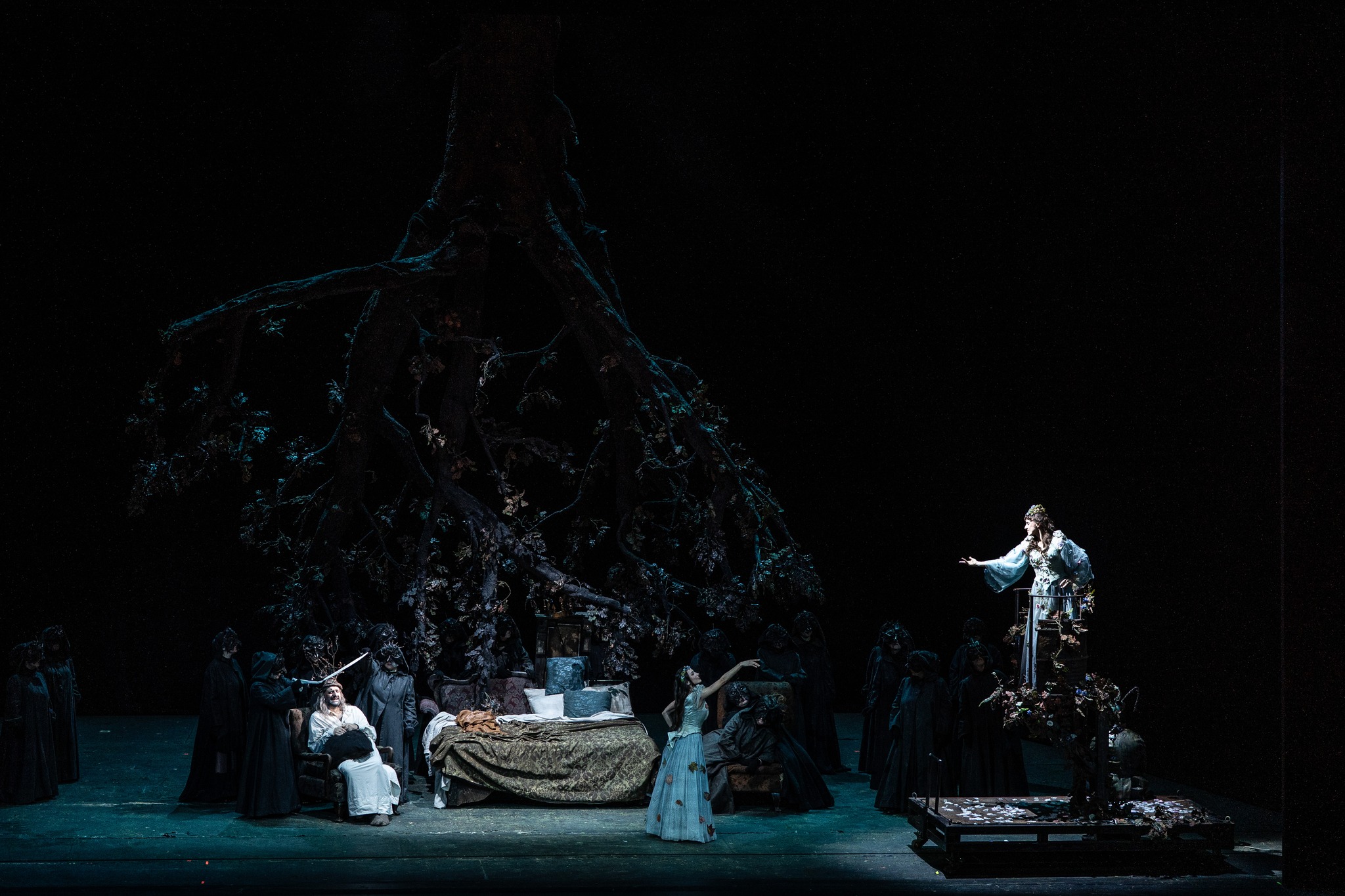
Tonight’s Falstaff was a terrific introduction to this venerable theatre. Ronconi’s staging is one that is well-rounded in approach, and puts the focus on the singers, using them to tell the story and drive the action forward. And what singing! Indeed, it’s hard to think of a better cast today than the one the Petruzzelli gave us tonight, both in the principals and in the musical direction. The singing across the board was marvellous and Milletarì conducted with idiomatic verve, eliciting singing and playing of staggering rhythmic precision. Something happened as we reached the closing fugue. Perhaps this is fanciful, but such was the sheer delight of this performance that there was a sense, as we heard the voices intertwine, that we had reached the end of a musical era. Maybe it was that the three hours were coming to a close. Or maybe we could feel the Maestro Verdi in the room saying his farewell to opera in the only way possible. The audience responded with generous ovations at the close for this, the last performance of the run.
 operatraveller.com