Puccini – Turandot
La Principessa Turandot – Anna Pirozzi
L’Imperatore Altoum – Gregory Bonfatti
Timur – Riccardo Zanellato
Calaf – Roberto Alagna
Liù – Mariangela Sicilia
Ping – Biagio Pizzuti
Pang – Paolo Antognetti
Pong – Francesco Pittari
Un Mandarino – Alberto Petricca
Prima ancella – Silvia Spruzzola
Seconda ancella – Vittoria Vimercati
Il Principino di Persia – Guo Haiyang
Coro di Voci Bianche dell’Accademia Teatro alla Scala, Coro del Teatro alla Scala, Orchestra del Teatro alla Scala / Nicola Luisotti.
Stage director – Davide Livermore.
Teatro alla Scala, Milan, Italy. Wednesday, April 1st, 2026.
For any opera lover, walking into the Teatro alla Scala feels different to walking into any other place. The sense of history and tradition at this house, one embedded into the very fabric of the building, is undeniable. To be able to see Turandot, in the place where it was premiered exactly a century ago, this month, truly, is a rare privilege. To mark the centennial of Puccini’s final opera, the Scala has revived Davide Livermore’s 2024 staging. More notably, this time around, they have cast it with principals almost entirely of Italian descent, under the musical direction of Nicola Luisotti.
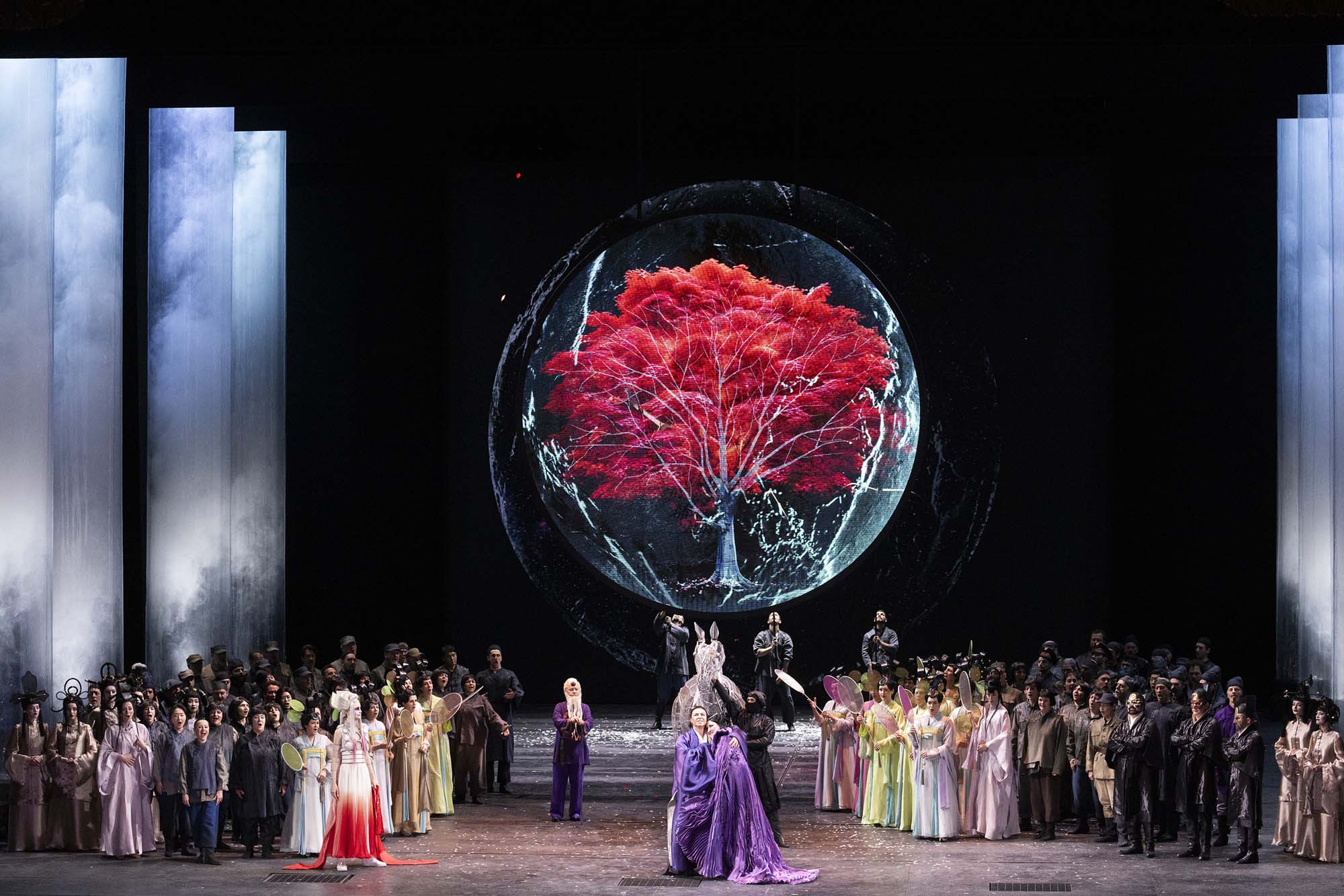
Livermore most definitely gives us a ‘show’ in his production, tonight revived by Laura Galmarini. As indeed does the actor playing the Principino di Persia who is stripped naked by Turandot’s people, showing the wounds on his back from torture, just before he’s murdered in front of the crowd. Livermore lays bare the brutality of the society, the violence intimated by use of a corps of danseurs and danseuses who move around the stage threateningly. He makes a genuine attempt to grapple with the problematic issues in the libretto – the man who won’t take ‘no’ for an answer, the woman taken against her will – engaging with them in a way that a spectacle such as Zeffirelli’s, for instance, doesn’t. Livermore’s staging looks spectacular, the stage full of people, with the mighty Scala chorus at full strength, along with the extras. Moreover, he makes use of video, by D-WOK, to set his staging in a phantasmagorical world, one where the moon, upon which images are projected, seems to incarnate multiple realities. The visuals are undoubtedly arresting, if one stays on the surface, but the moment one starts to question what one sees, I’m not convinced it adds up fully to the sum of its parts.
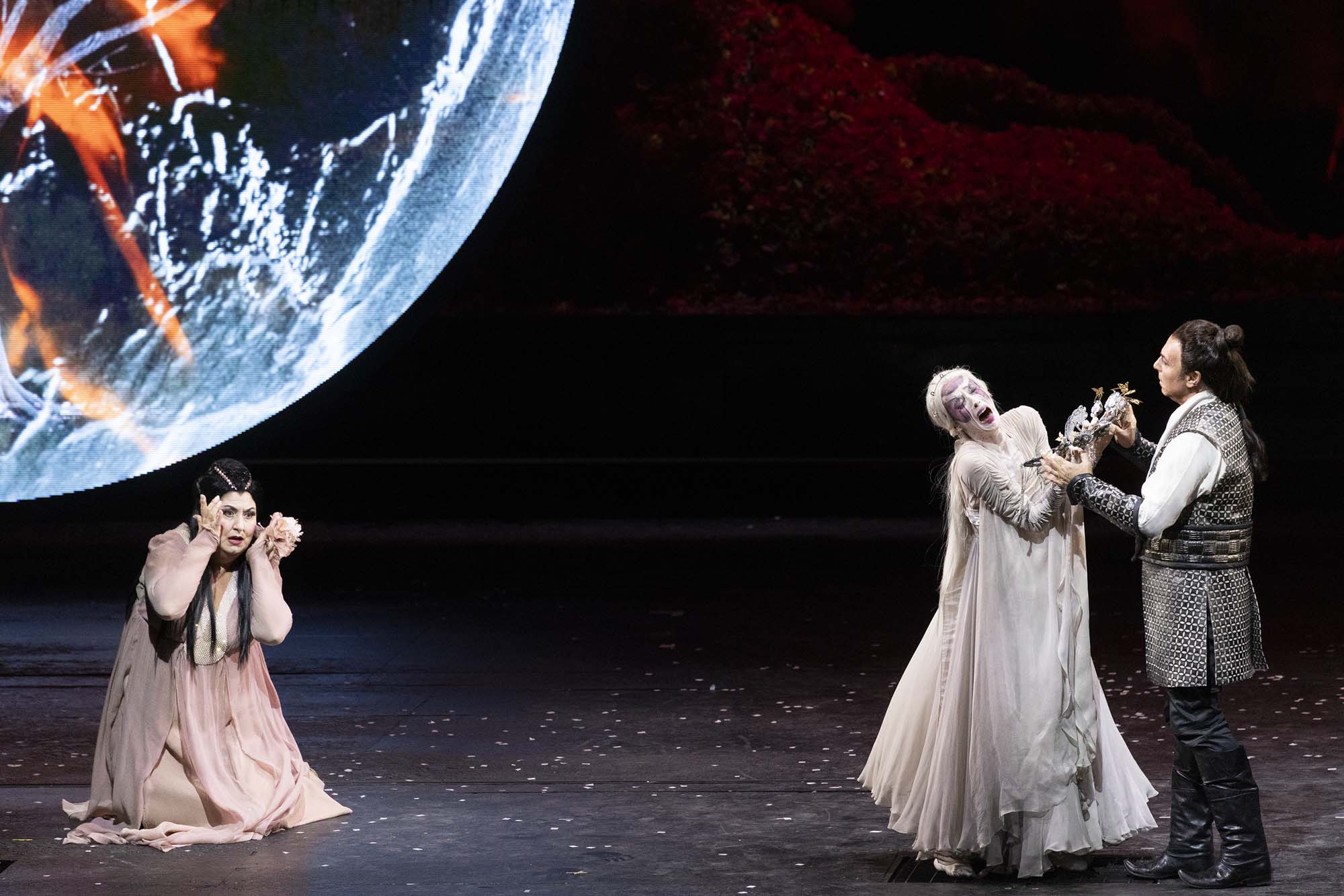
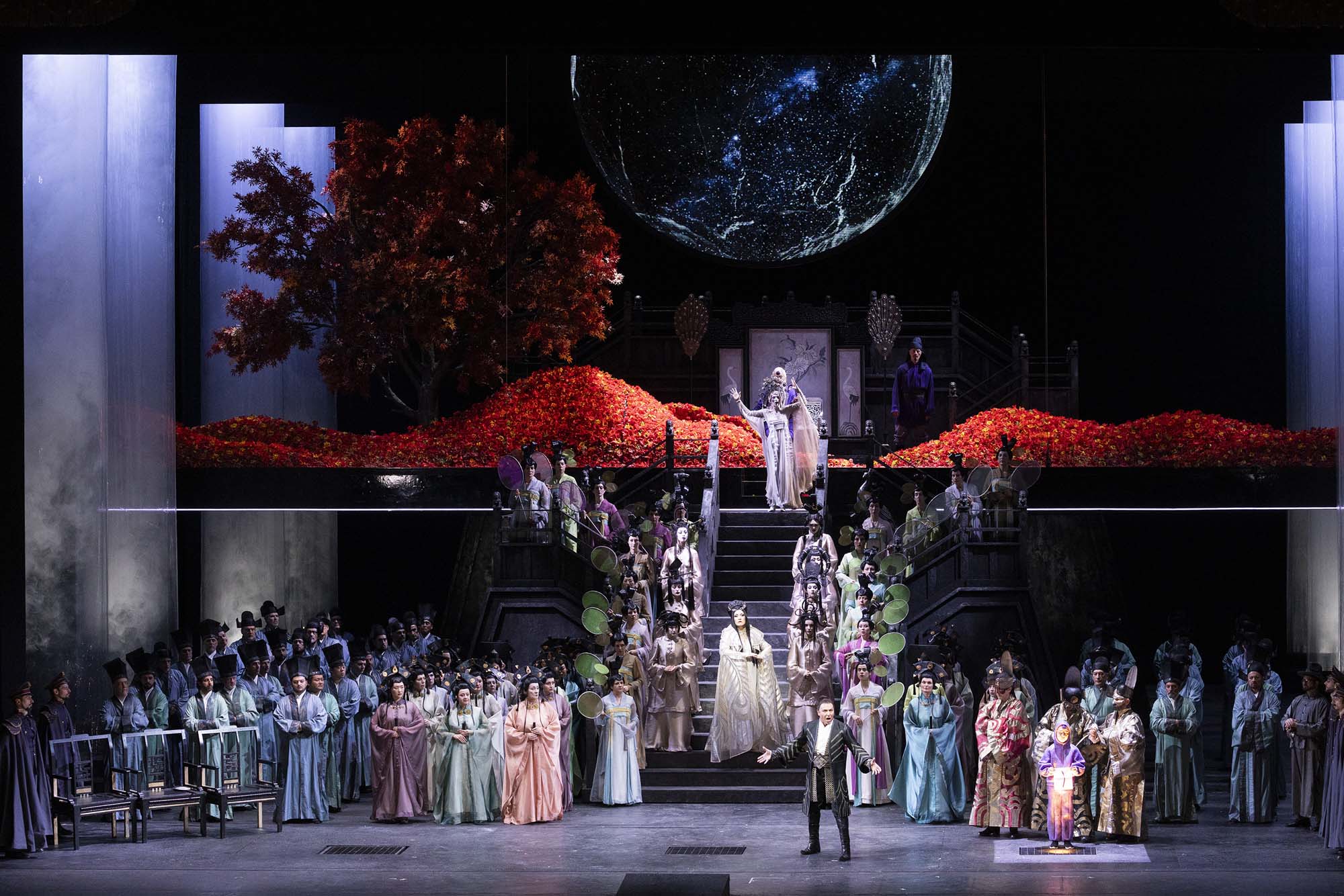
For example, Turandot appears to be incarnated by two people – a danseuse who flails around during Turandot’s interjections, and the singer herself. In the closing duet, Calaf initially addresses the double, but as the duet proceeds, the double seems to evaporate and is ultimately gone. Perhaps, this is Livermore’s way of showing that Turandot prevented herself from feeling love by invoking Principessa Louling and surrounding herself with brutality. It’s certainly a plausible way of illustrating Turandot’s journey, even more so when the duet is staged with the utmost simplicity of a bare set and only the moon shape for decoration, in contrast to the preceding crowded stage. Similarly, in Act 1, the impressive set, by Livermore, Eleonora Peronetti and Paolo Gep Cucco, has the presence of a thin, ghostly female figure standing on the balcony of an establishment called ‘Hôtel Amour’. What this figure represents and what her role is, is unclear. Is Livermore making her the madam of a brothel? Or is he suggesting that love is a temporary state, one that one stays at and then leaves. There’s also an equine figure, that trotters on noisily at the end of each act, whose presence also seems superfluous and unclear. Moreover, some of the choreography, uncredited, is unintentionally comic in Act 1; rather than incarnating a threatening mob, the effect instead was risible. That said, having Ping, Pong and Pang together with their attendants end the opening scene of Act 2 with a conga line was certainly arresting. I also appreciated how Livermore had Pong surrounded by some buff, shirtless men in that opening scene of Act 2, while Pang was surrounded by nubile ladies. Perhaps the most striking moment in Livermore’s staging comes after Liù’s demise, the moment when Puccini ceased writing. Tonight, Luisotti didn’t close the evening at that moment as Toscanini did in 1926. Instead, the moon was filled with a projection of Puccini’s face as the chorus and other principals filed off, before the closing duet began. Livermore’s staging definitely gives us a visual feast, but interrogating it on a deeper level, reveals it to not completely add up.
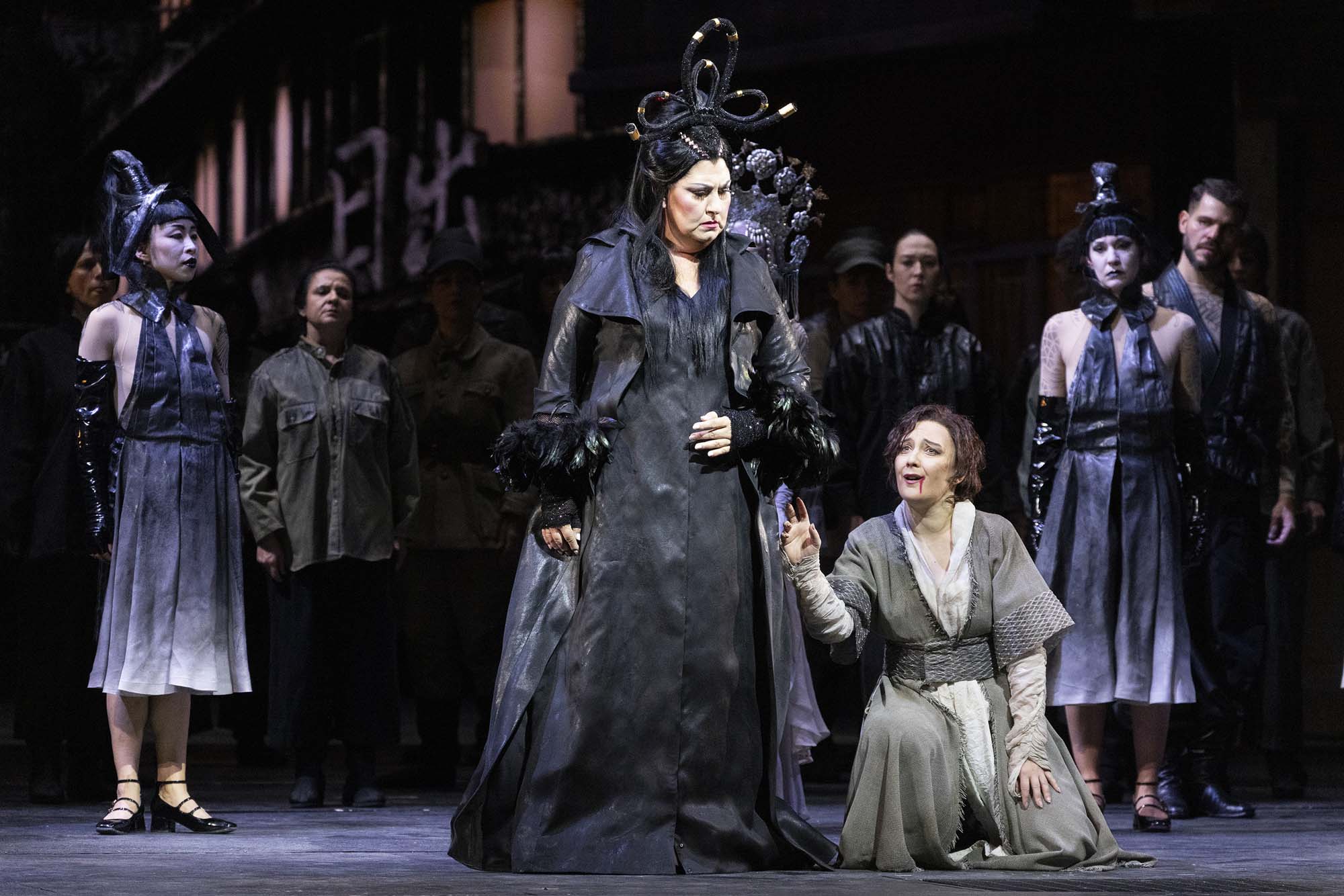
After his tremendous Verdi Requiem at the San Carlo in February, I had high hopes for Luisotti’s Turandot. He was certainly an able guide through the score. Tonight was the first night of this revival and there were more than a few passing moments of stage-pit coordination not being quite on point, for instance in the children’s chorus just before the riddle scene, or in ‘gira la cote’, where the approach was not quite unanimous. Luisotti’s tempi were relatively swift, constantly keeping the work moving; but again, both in ‘signore ascolta’ and in ‘nessun dorma’, stage and orchestra did not seem to be operating in the same time zone, at least momentarily. I have no doubt this will settle down as the run proceeds. He obtained some excellent playing for the Scala orchestra: the perfume heady in the air in the muted strings, the sweetness of the trumpet playing, and the precision of the percussion all gave much pleasure. The Scala chorus also demonstrated the significant improvements made under Alberto Malazzi’s direction. This is one of the great choral operas and they made a mighty noise tonight. The amplitude was massive, filling the room in a blaze of sound, the sopranos utterly fearless as they dispatched their high C-sharp at the end of ‘gira la cote’. The sopranos and mezzos now have a pleasing firmness of tone and blend, while the tenors shone out of the textures with significant squillo. The basses were also full of resonance as they descended to the depths after Liù’s demise. The children’s chorus, prepared by Marco De Gaspari, sang with charming tone in their brief interjections.
Anna Pirozzi swept all before her in the title role. What a delight it is to hear a soprano who doesn’t take ‘quel grido’ literally, and is able to support the remainder of that line without a hint of strain. Her soprano has glorious amplitude; she rode the waves of choral sound with almost nonchalant ease, dispatching two spectacular high Cs following Calaf’s victory in the riddle scene that must have been heard in her native Naples. Pirozzi was also able to fine down the tone with beauty in the closing duet, yet opened up to make the repeated Fs and F-sharps after Calaf’s big reveal to sound utterly thrilling, the point where so many before her have run out of gas. Pirozzi is a formidable interpreter of this brutal role.
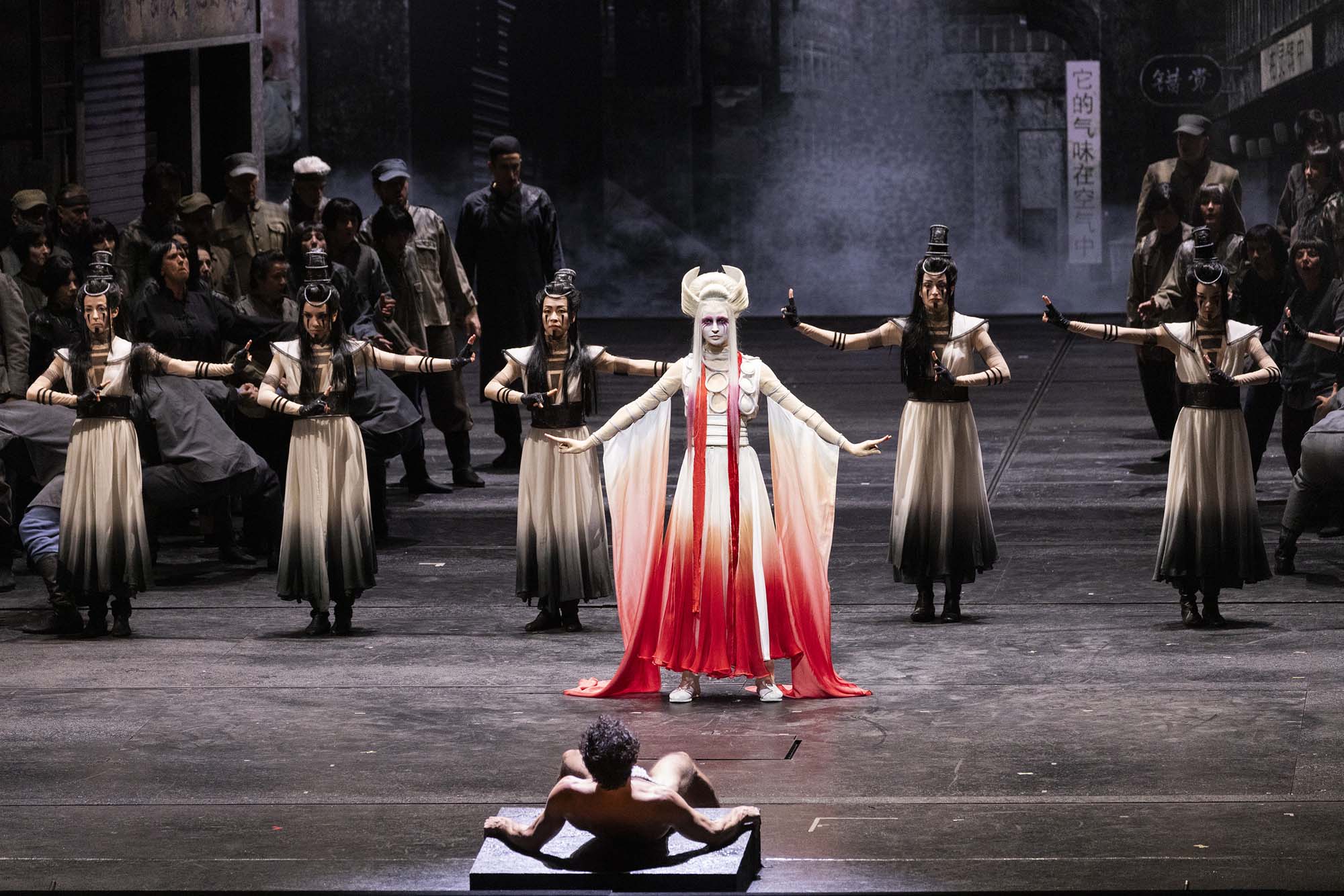
Roberto Alagna responded to Pirozzi’s high Cs in the riddle scene with a creditable high C of his own. He’s 62 now and has been singing some of the most challenging roles in the repertoire for many years, yet the voice is still in decent shape. His tenor is bright and focused. Yes, the big money note in ‘nessun dorma’ didn’t quite spin, but it was there, and if his account of that celebrated aria lacked some introspection and dynamic contrast, one felt perfectly comfortable in the knowledge that he’d make it to the finish line. Alagna more than gave a solid account of himself tonight.
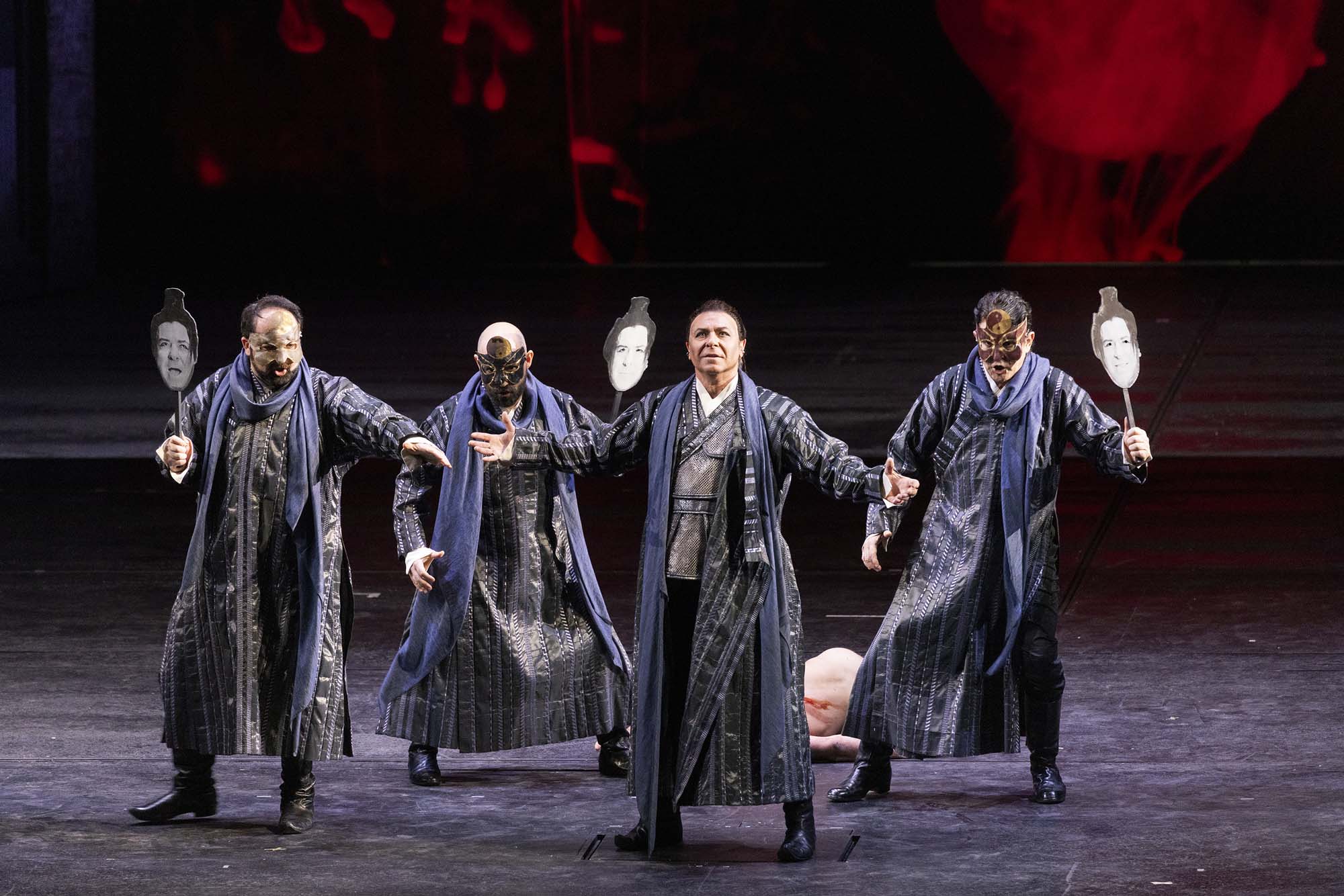
Mariangela Sicilia gave us a wonderfully refined Liù. She made a genuine effort to control the dynamics, her strawberries-and-cream tone floating easily throughout the house. She capped her ‘signore ascolta’ with a fabulous double hairpin on the closing high B-flat, rightly earning a generous ovation from the Scala public. Riccardo Zanellato sang Timur in a resonant, generous bass, filling his lines with dignity. As Ping, Biagio Pizzuti was an extrovert stage presence, singing in a firm, solid baritone, even if the tone did have a tendency to taper at the very top. Paolo Antognetti’s bright, forward tenor as Pang contrasted nicely with Francesco Pittari’s more mellow tone as Pong. Gregory Bonfatti made much of little as Altoum, his tenor penetrating beyond the footlights with ease. We also had an imposing Mandarino from Alberto Petricca who boomed magnificently in his interjections.
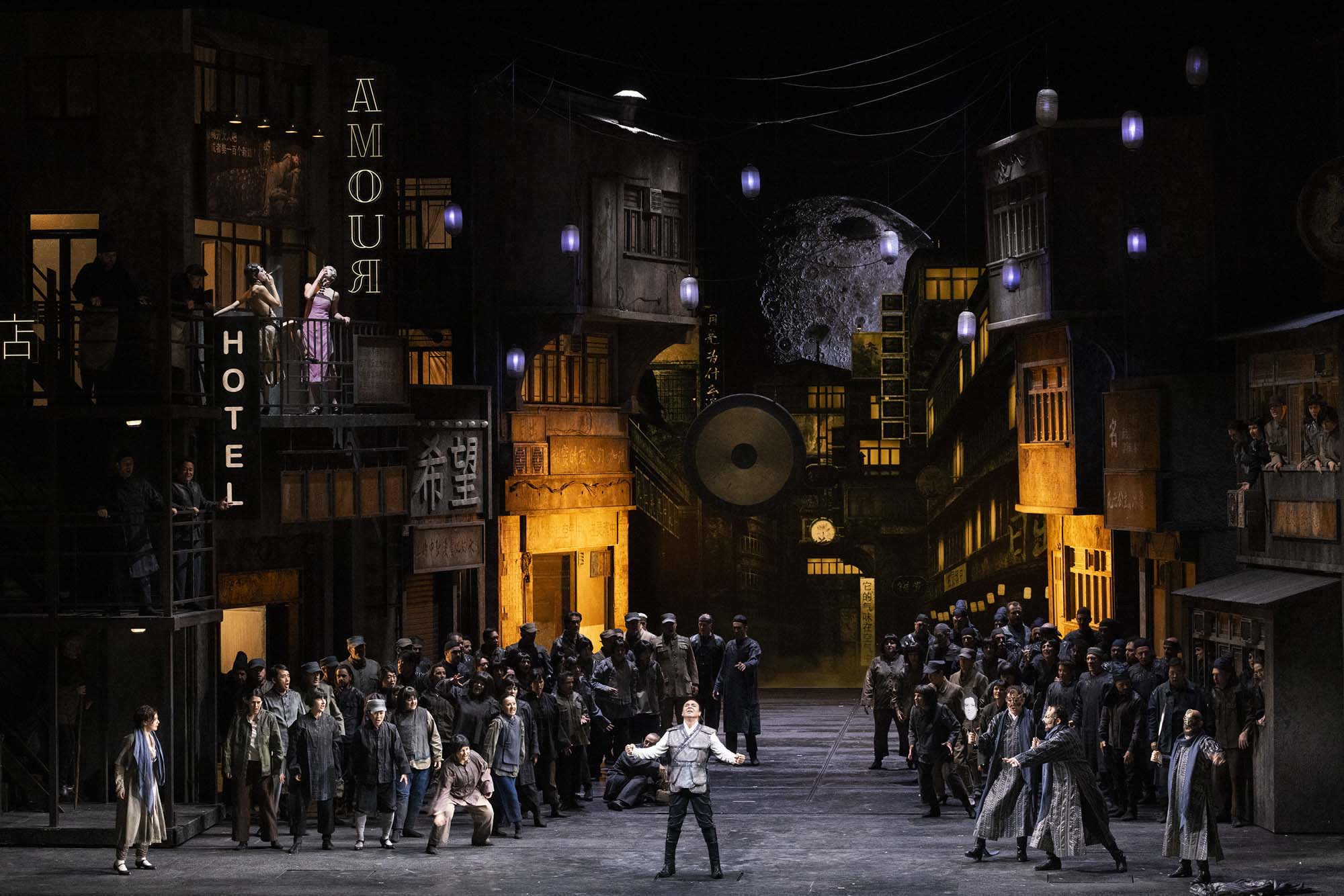
This was a very special evening. The simple act of being in this storied place, seeing this work where it was first heard, was awe-inspiring. This alone would be reason to go. Livermore has given us a real spectacle, one that really does attempt to engage with the work and its issues, while still giving us the kind of lavish, memorable visuals that one might expect. Yes, I’m not convinced it entirely adds up and some of the choreography is risible, but the fact that Livermore has made an effort to confront the work while honouring its legacy here is notable. Musically, there was so much to enjoy: the massive sound of the chorus, Sicilia’s lovely Liù, Alagna’s reliable Calaf, and Pirozzi’s spectacular Turandot, all made it most definitely a night to remember. The audience responded at the close with generous cheers. This was a night that showed this legendary house at its best.
 operatraveller.com