Verdi – Il trovatore
Il Conte di Luna – Franco Vassallo
Leonora – Francesca Dotto
Azucena – Clémentine Margaine
Manrico – Riccardo Massi
Ferrando – Roberto Tagliavini
Ines – Carmela López
Ruiz – Didier Pieri
Vecchio zingaro – Sandro Pucci
Messo – Enrico Picinni Leopardi
Coro del Teatro Comunale di Bologna, Orchestra del Teatro Comunale di Bologna / Francesco Ivan Ciampa.
Stage director – Davide Livermore.
Teatro Regio, Parma, Italy. Sunday, September 24th, 2023.
It was a pleasure to be back at the beautiful Teatro Regio in Parma for their Festival Verdi, honouring the region’s famous musical son, this year celebrating its twenty-third edition. In addition to this new staging of Il trovatore, co-produced with the Teatro Comunale di Bologna, other events this year include performances of I Lombardi, Falstaff, Nabucco, and the Requiem, as well as a street parade. There was certainly a festive atmosphere on arriving at the theatre this evening, with local students giving a demonstration of ballet in front of the house.
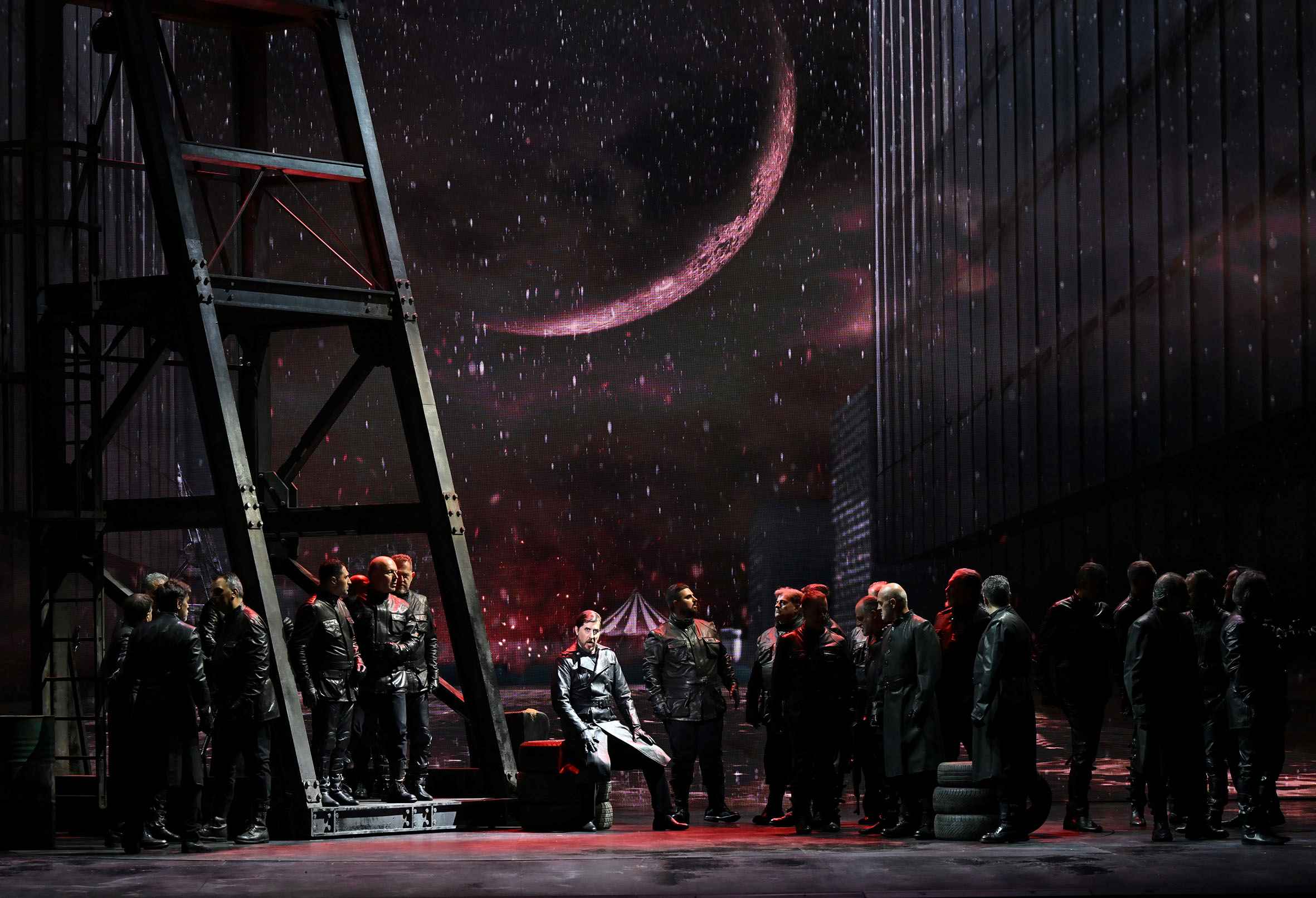
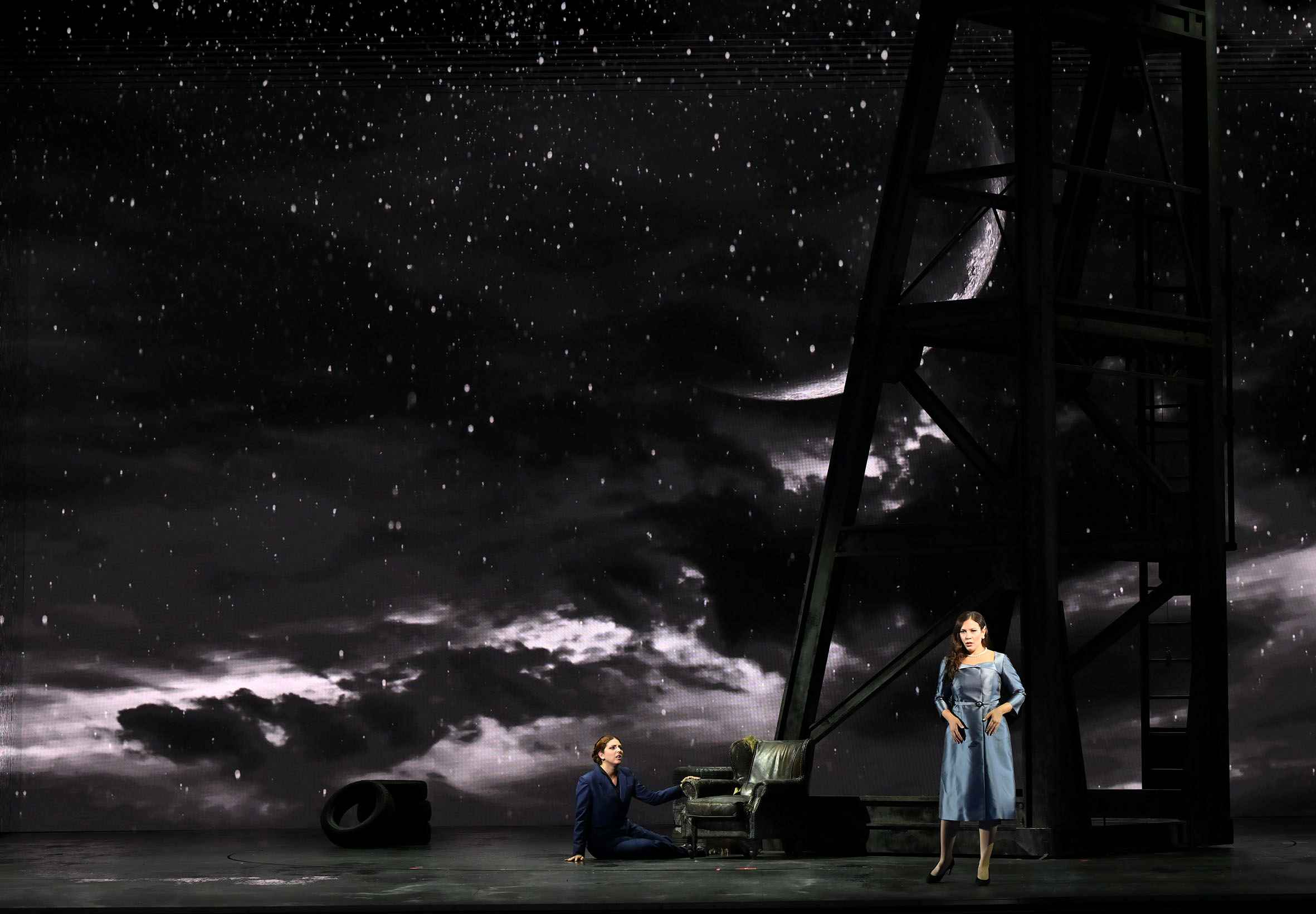
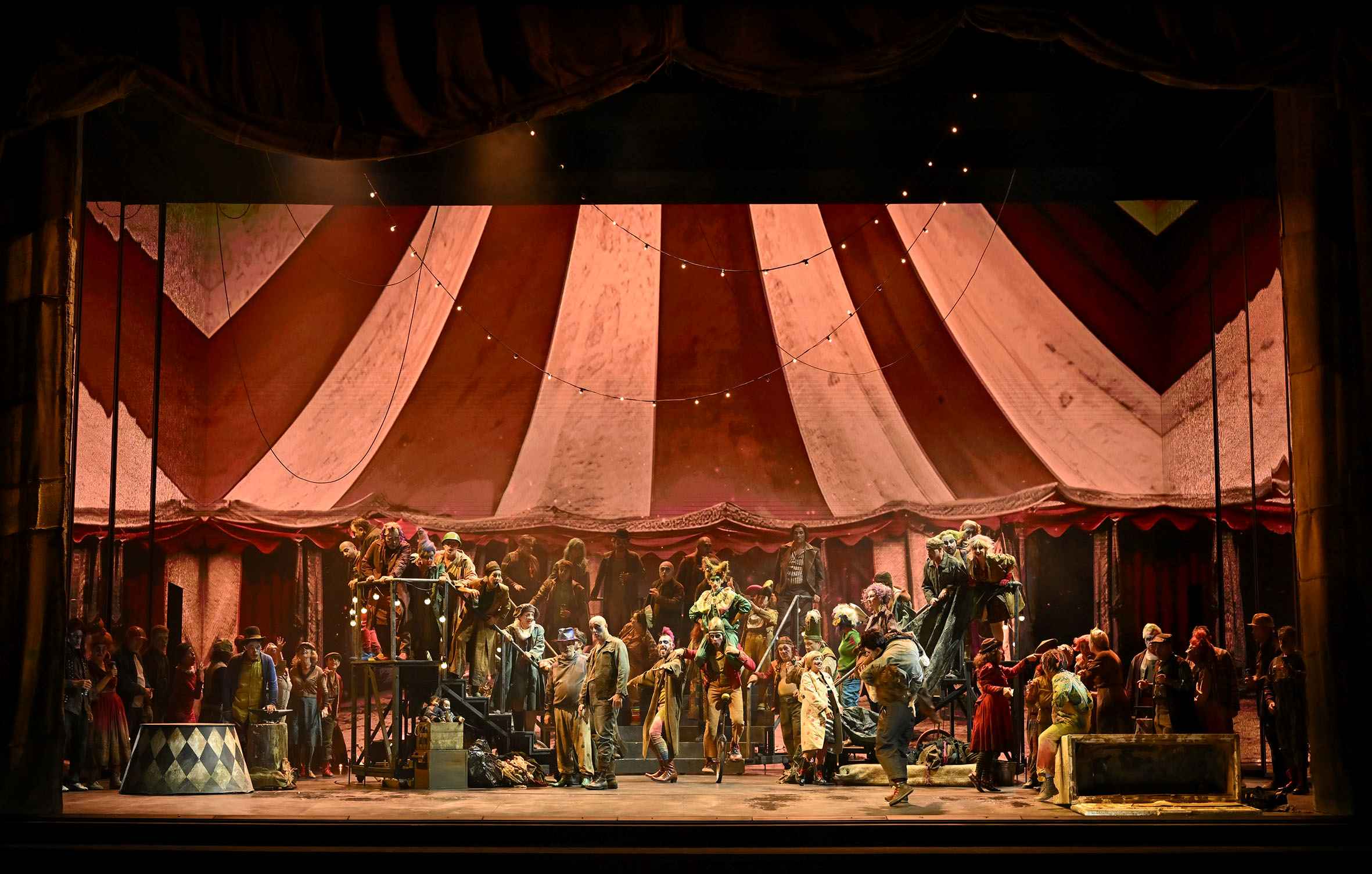
Tonight’s staging was confided to Davide Livermore. It offered many of his usual trademarks, as well as the strengths and weaknesses one has come to expect of his work. He sets the action in what appears to be an urban dystopia. Rather than significant sets, he uses video, by D-WOK, with visuals accompanying the music and establishing atmosphere, while a few items of stage furniture add additional visual interest. Luna apparently lives in a skyscraper, while the gypsies live in a circus hut. Leonora sings her Miserere outside what looks like a university library. On top of these images of locations, Livermore shows these settings, whether buildings or city vistas, going up in flames or being consumed by water. Is this his way of showing us how passions can be all-consuming? Or does he view the work as an allegory of global warming? I can’t say I know the answer. The video was, however, extremely fluently executed.
I found the personenregie to be very much focused on gesticulating to the front. There was some sense of characters engaging with each other, but, as so often with Livermore, his staging felt primarily illustrative. The gypsies were a motley crew including a unicyclist, fire eater and other circus artists imported from his València Bohème. That said, there was a narrative clarity to it that I found convincing. Even though the sets were minimal, they did require some lengthy scene changes which was less than optimal for pacing.
The lengthy pauses caused by the scene changes were especially regrettable, since Francesco Ivan Ciampa gave us a terrifically-conducted account of the score. In an intimate space such as this, the combination of the rhythmic incisiveness of Ciampa’s conducting, and the precision of the orchestral playing, became physically overwhelming. Ciampa fully brought to life that irresistible sense of rhythmic propulsion under long, cantabile lines. It also helped that he had the outstanding orchestra and chorus of the Teatro Comunale di Bologna at his disposal. The sense of sharp attack in the strings, while still capable of a beguiling silkiness in the tone, was splendid. The plangent clarinets also made a pleasurable impression. I very much enjoyed how Ciampa also elicited a highly musical rubato from his forces. Even though this was a first night, the stage-pit coordination was unanimous all night. Indeed, the quality of the playing was undeniable. The chorus, prepared by Gea Garatti Ansini, was terrifically lusty, with the sopranos and mezzos able to pull back and give us impeccably sustained soft singing in the nun’s chorus.
Francesca Dotto offered admirable clarity of text as Leonora, always searching for and bringing out meaning. Her soprano isn’t the most refulgent. It’s somewhat chalky in tone, but it is well schooled and there’s an implicit musicality and understanding of the idiom there. She approached the florid writing of ‘di tale amor’ with gusto, turning the corners with dexterity. We got two verses, although sadly the second wasn’t ornamented. Dotto made a real effort to sustain the long lines of ‘D’amor sull’ali rosee’, but the prominence of the vibrato here suggested that the support wasn’t ideally lined up. Still, she emerged from her assignment with dignity and her diction was a consistent pleasure through the evening.
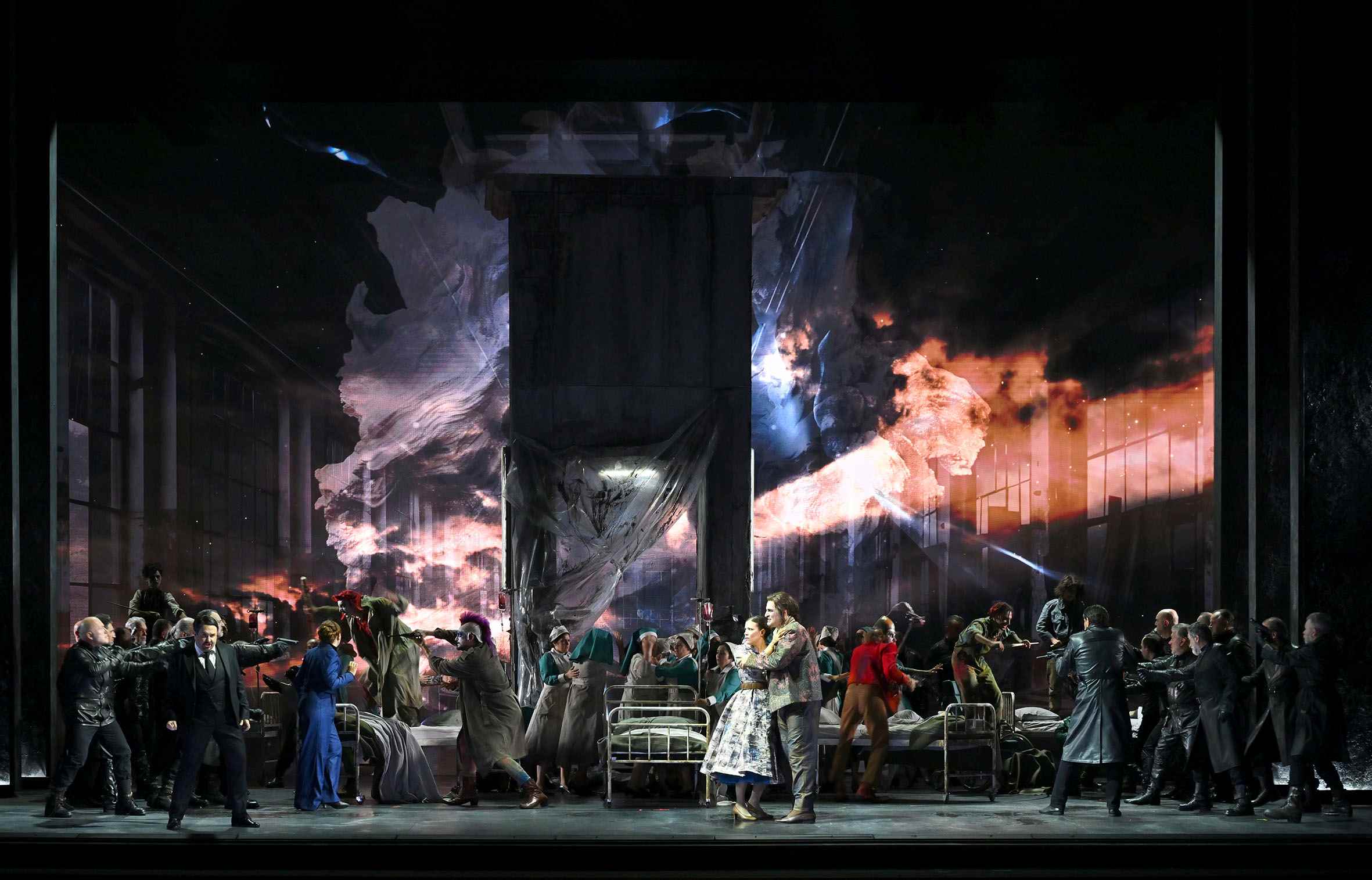
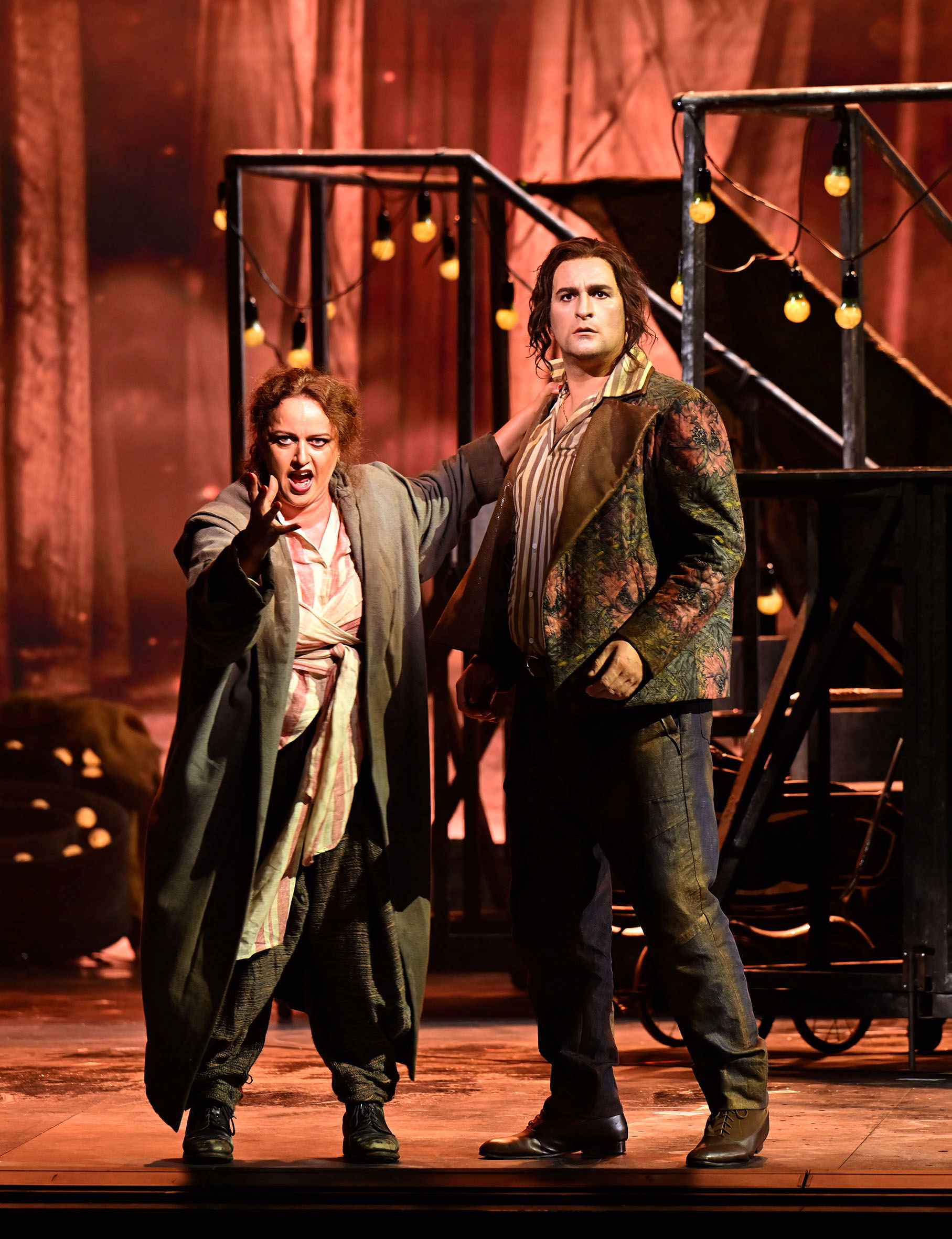
Riccardo Massi gave us a vocally elegant Manrico. No bruiser here, instead his assumption filled the text with feeling and poetry. His tenor is rather soft-grained, but he brings an agreeably sunny warmth to the tone. This was best appreciated in a deeply-felt ‘Ah sì, ben mio’, which he dispatched with an aristocratic line. We got both verses of ‘Di quella pira’, including some subtle ornamentation, and both Cs were present. Given how many ungainly barkers we’ve had to endure in the role over the years, the sheer musicality Massi brought to the role was a pleasure to hear.
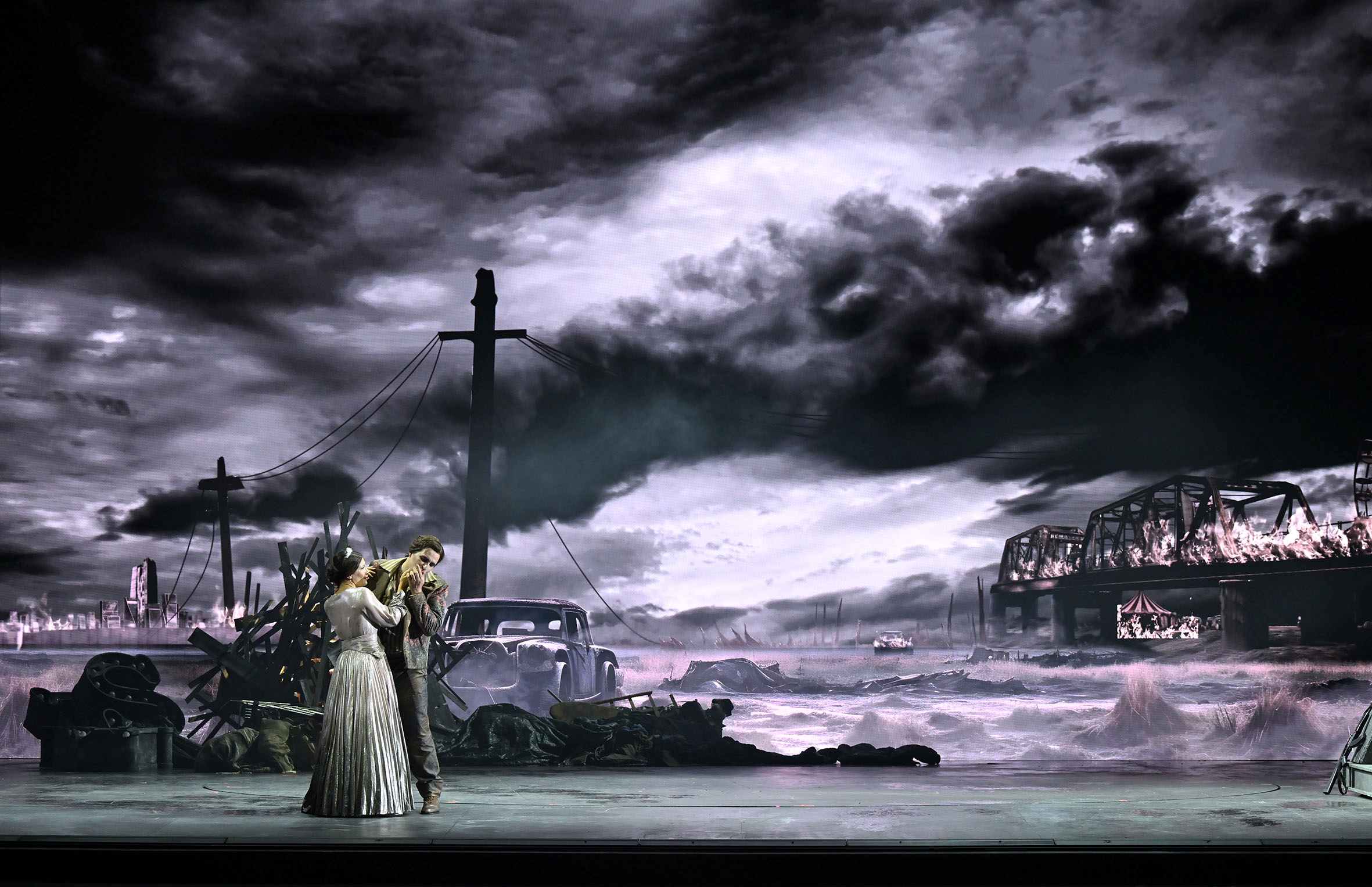
Franco Vassallo, replacing the originally-cast Markus Werba, brought admirable clarity of text to Luna. He was also extremely dramatically engaged with Livermore’s staging. His vocalism, however, wasn’t easy going, for him or for us. He made a genuine attempt to phrase expansively in ‘il balen’, but the voice sounded tight and nasal, emerging as if through sheer determination, and the legato was heavily aspirated. His leathery baritone is not lacking in amplitude, but the tone is acidic and lacking in warmth – although perhaps not the worst combination for such an evil character. Unfortunately, Vassallo was booed by a noisy contingent of the audience at the curtain calls. Roberto Tagliavini sang Ferrando in a large column of sound, his bass absolutely healthy and filling the room in floods of warm masculinity. Carmela López sang Ines in a silvery mezzo with good reach, while Didier Pieri brought an attractive lyric tenor to the role of Ruiz.
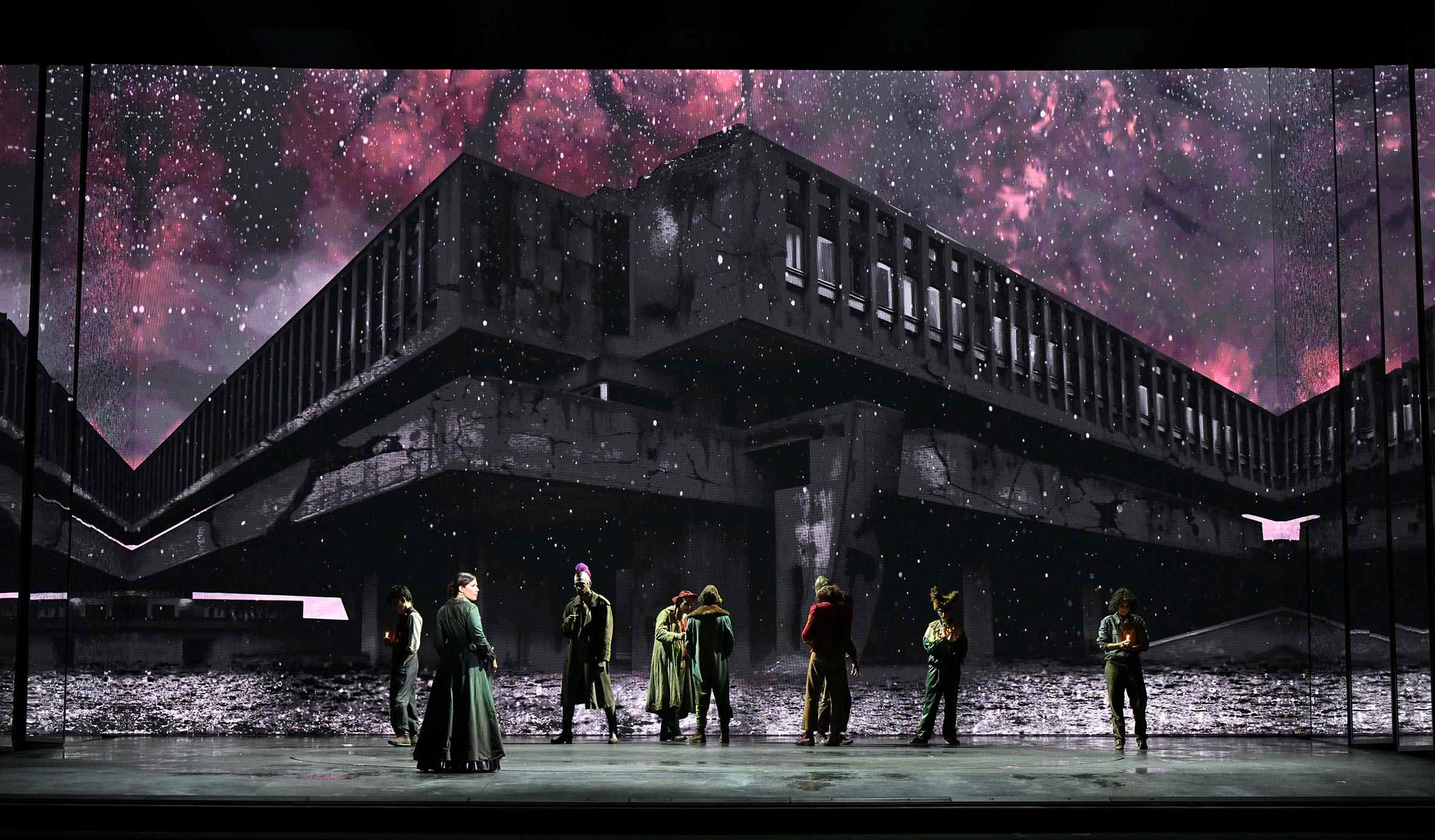
Then there was Clémentine Margaine’s Azucena. She was thrilling. The voice has glorious resonance, combined with a textual acuity that made her Azucena absolutely gripping. Those repeated cries of ‘Il figlio mio’ in her big duet with Manrico had me absolutely enthralled and hanging off every word. Her substantial mezzo descends to a chestiness so rich and so resonant that it seems to fill the room, overtaking the listener. The middle is so warm and full, and the top opens up thrillingly. Margaine was utterly hypnotic.
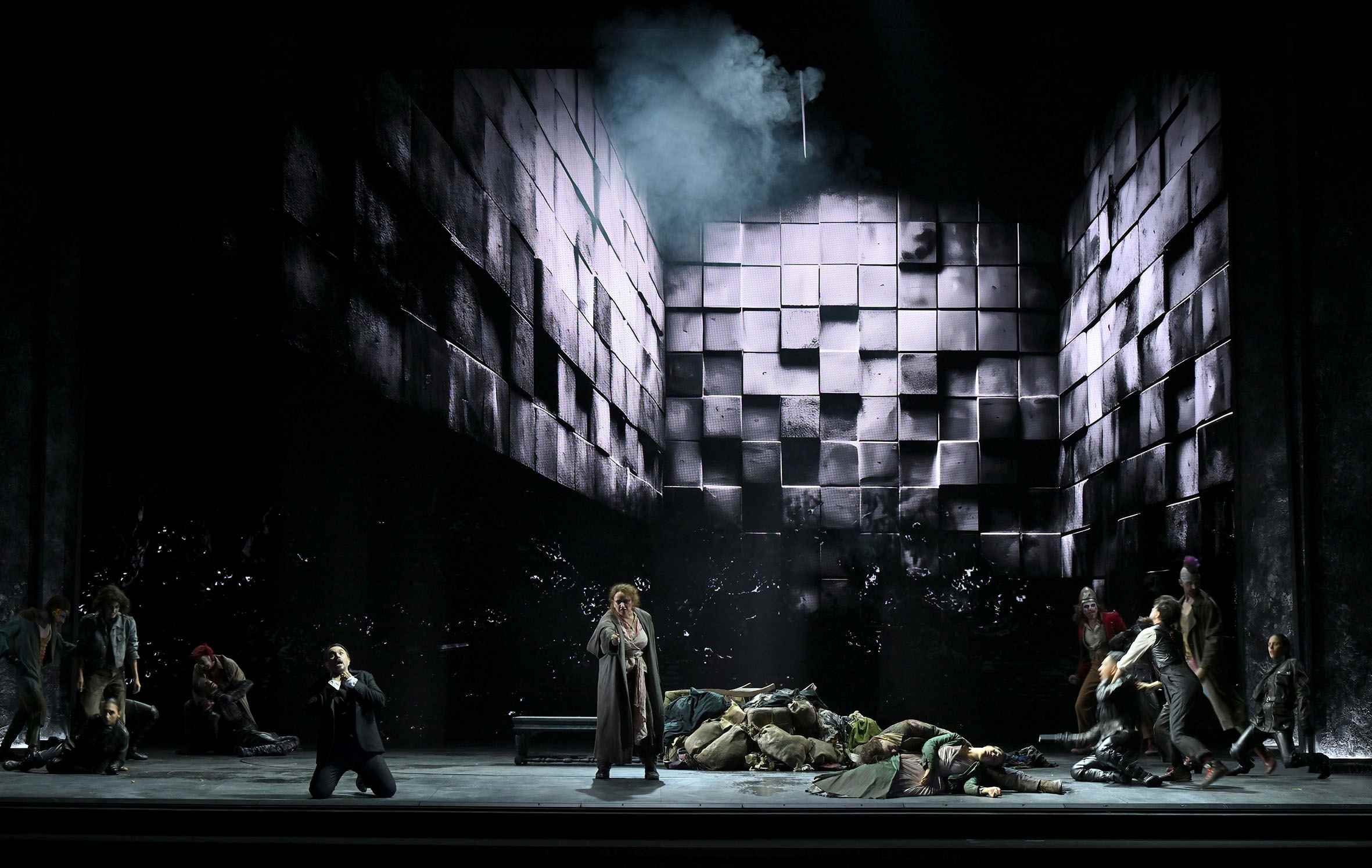
It was a genuine delight to be able to hear Verdi’s opera in his very own part of the world – particularly in a performance that was as idiomatic as this. Livermore’s staging was illustrative and gave much to look at, even if there was a sense that character development took a back seat to the visuals. The evening benefitted from some sensational conducting, orchestral playing and choral singing, and an electrifying account of Azucena from Margaine. The audience rewarded the cast with warm cheers, though there were some boos for Vassallo and significantly more for Livermore. It was certainly well worth the journey.
 operatraveller.com
[…] Amneris. Over the past few months, I’ve had the pleasure of seeing Margaine as Eboli, Azucena, and now as Amneris. She has most certainly arrived as one of the leading Verdi mezzos of […]
[…] sounds to my ears like a much happier match for Francesca Dotto’s talents than the Trovatore Leonora I saw her as in Parma recently. Her soprano has a milky tone around a steely core, […]
[…] Degout a glorious Posa and Ève-Maud Hubeaux an exciting Eboli. I saw two Trovatores. One in Parma, featured Clémentine Margaine again giving us a riveting Azucena, while Riccardo Massi sang a […]
[…] common with his Trovatore that I saw in Parma in 2023, Livermore accompanied his stage pictures with video, produced by D-Wok […]
[…] evening. This is not a new way of setting up a production for Livermore, having produced a Trovatore in Parma two years ago that had a similar set-up. The imagery shown was fairly banal, with […]