Verdi – Un ballo in Maschera
Amelia – Lidia Fridman
Riccardo – Piero Pretti
Ulrica – Alla Pozniak
Renato – Luca Micheletti
Oscar – Damiana Mizzi
Silvano – Sergio Vitale
Samuel – Daniel Giulianini
Tom – Luca Dall’Amico
Un giudice – Riccardo Rados
Un servo d’Amelia – Riccardo Rados
Coro Teatro Regio Torino, Orchestra Teatro Regio Torino / Riccardo Muti.
Stage director – Andrea de Rosa.
Teatro Regio, Turin, Italy. Sunday, February 25th, 2024.
This run of Un ballo in maschera at the Teatro Regio in Turin is certainly a hot ticket. The fabulously plush auditorium was absolutely packed this afternoon for the much-awaited return of Riccardo Muti, here leading a stage production by Andrea de Rosa. Visiting this elegantly beautiful city and its theatre is always a pleasure. Coming up later this season are new productions of La fanciulla del west and Der fliegende Holländer, among others, while later this fall, the house will present an Italian first – the opportunity to see the Manon operas of Massenet, Puccini, and Auber in a single weekend.
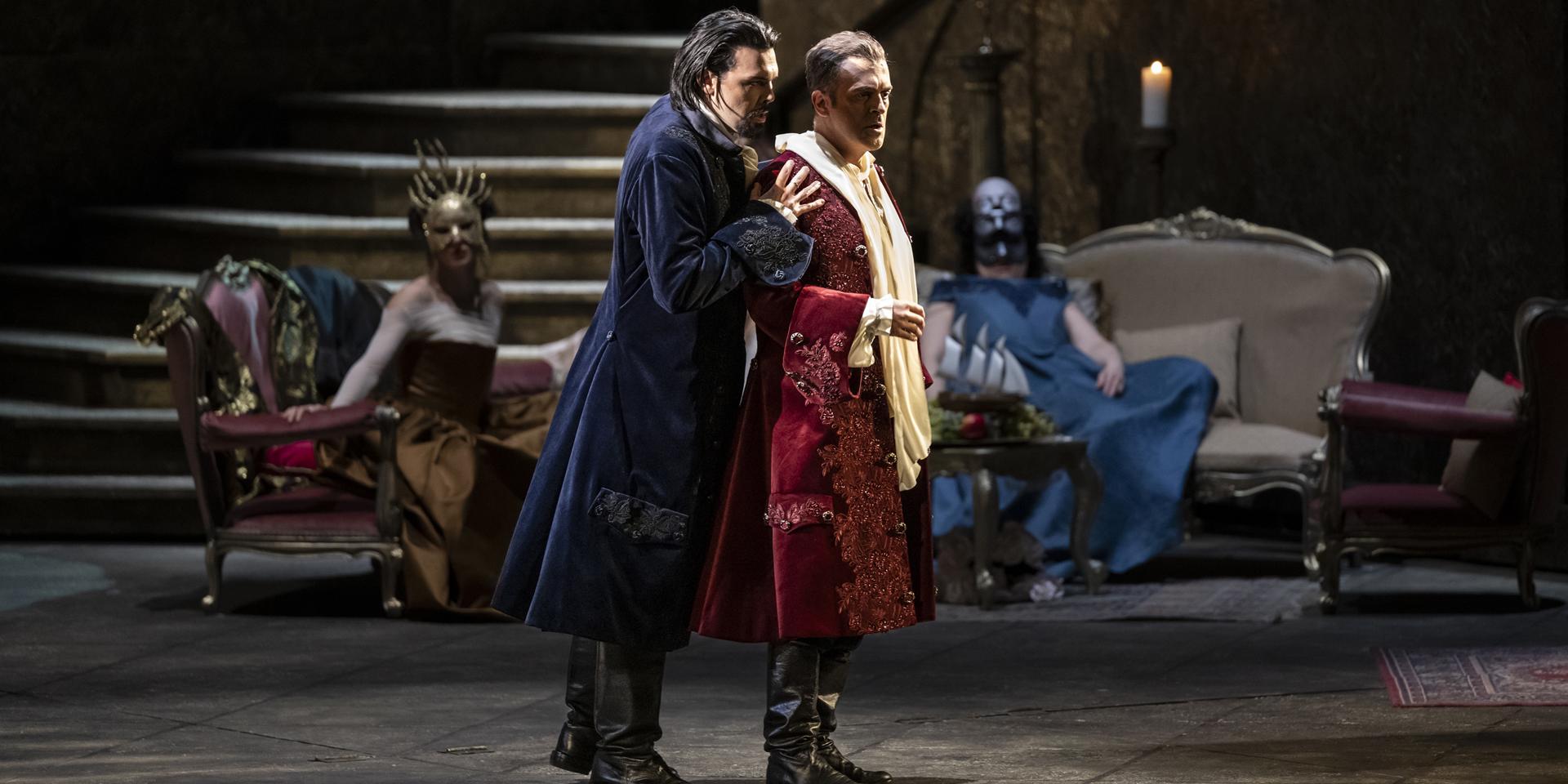
De Rosa’s staging was certainly going for a classic look. It’s a very visual production, with large heavy sets that required long intermissions. At its best, the staging gave us some striking images, such as the ‘orrido campo’ being a dark place with bodies all over the ground. Or in the closing scene, where Ulrica reappeared, standing on a plinth, representing a tombstone meant for Riccardo. I also found how Ulrica moved her hands, as if manipulating marionettes, to get Renato to be the first to shake Riccardo’s hand, following her prophecy, to be an interesting touch.
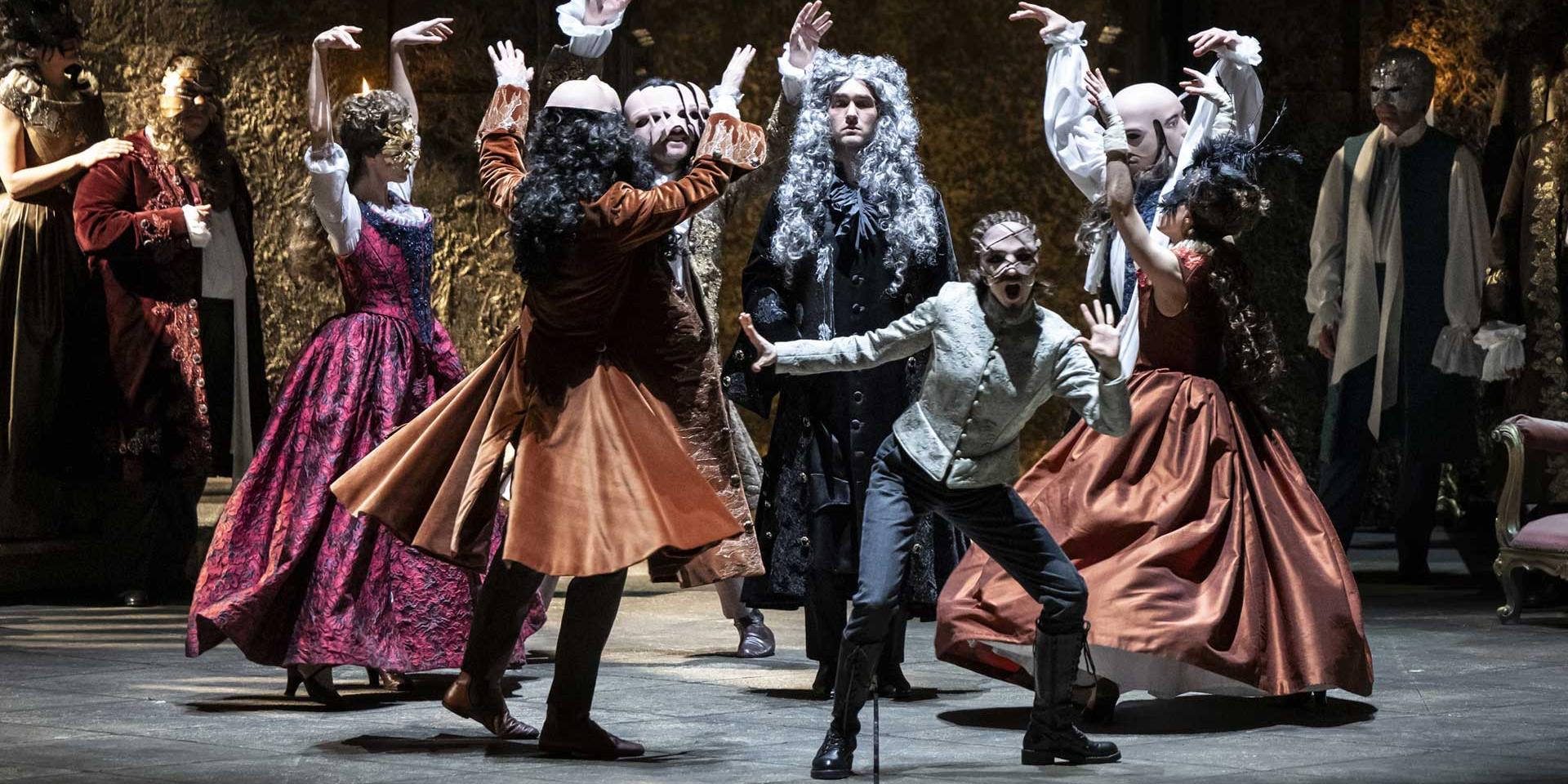
Unfortunately, however, there was much more that was rather risible. For instance, the shadowy figure in a gimp suit who perambulated around the horrid field carrying a candelabra, as Amelia exclaimed ‘Ah! Che veggio?’. She definitely spoke for us all at that point. Not to mention the moving statues, similarly attired, who were draped around Ulrica’s plinth. Oscar presented as both male and female depending on the scene – it wasn’t clear to me if De Rosa was making a point about the fluidity of gender here. Then there was the choreography of the final masked ball. I imagine the singers of the Regio chorus were quite relieved that they were parked on stage whenever they appeared, rather than being asked to gyrate. Instead, De Rosa used a corps of danseurs and danseuses to indulge in the most random movements – whether kicking their legs in the air, thrusting their pelvises, or twirling around. The program credited the ‘movimenti coreografici’ to Alessio Maria Romano. Again, there were moments of insight. Such as when the conspirators approached Amelia and Renato in the horrid field from the background murk. Or how Renato forced Amelia to pick a mask from a bag as they drew lots to decide who would murder Riccardo. Yet far too often, the individual personenregie simply consisted of standing and delivering.
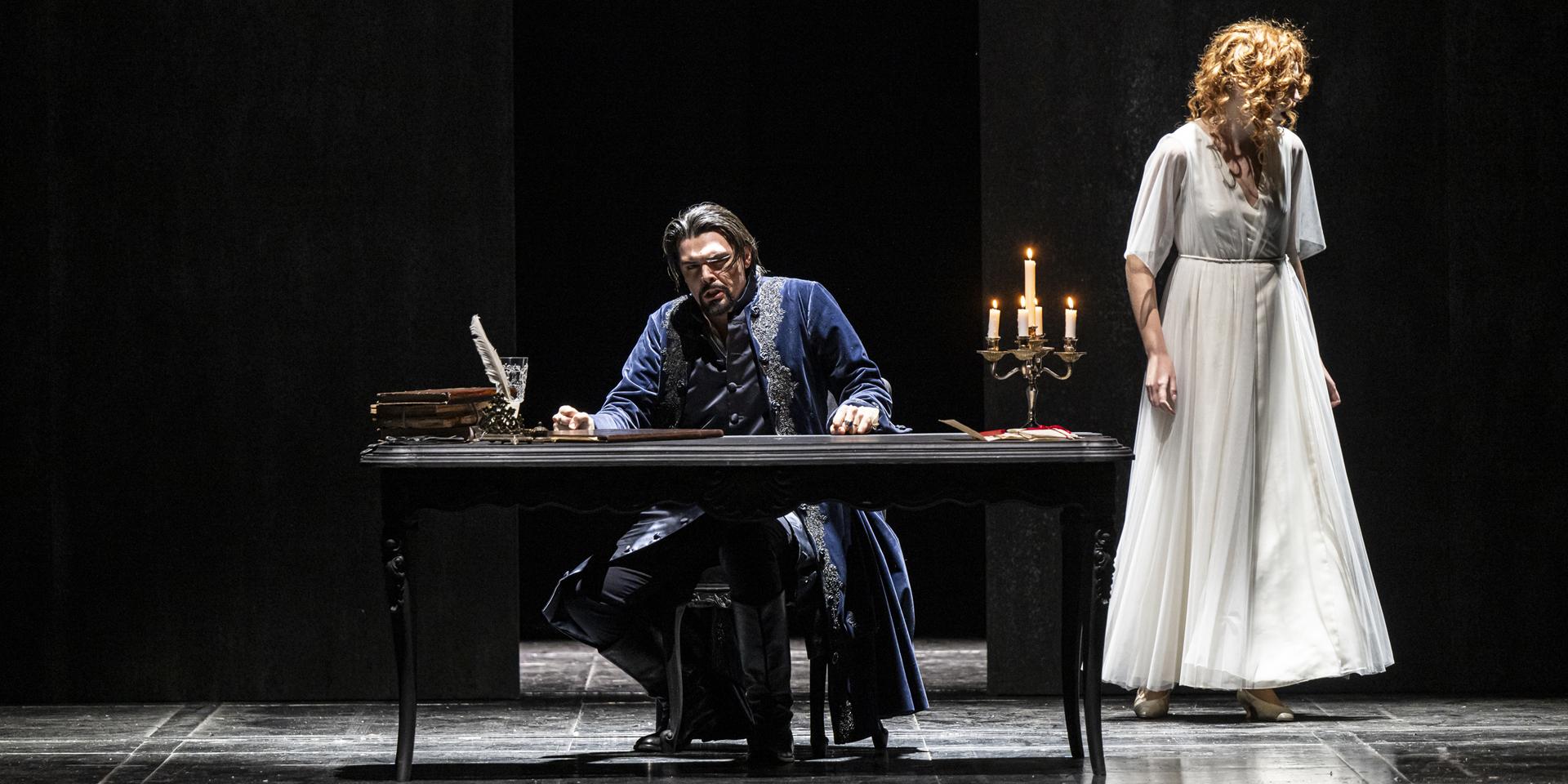
Muti brought a lifetime of experience with Verdi’s score to his interpretation today. Of course, one shouldn’t expect a reading based on the latest research in performance practice in Muti’s conducting. Rather, he encouraged the Regio orchestra to phrase their contributions with genuine beauty and eloquence – not least the ravishing solo cello in ‘Morrò, ma prima in grazia’. There was a cantabile longing to Muti’s reading of the score that felt inimitably Italian. I found his tempi to be generally sensible, although I was surprised by the fact he took ‘Ogni cura si doni al diletto’ at a more moderate tempo than usual. The way that Muti build up the tension in the first scene of Act 3 was absolutely masterful. He obtained admirable playing from the orchestra. I did find attack in the strings to be a bit flaccid, although the opening chords of the Ulrica scene were absolutely unanimous. Muti brought out a world of orchestral colour from his forces. The chorus, prepared by Ulisse Trabacchin, sang with firm tone and featured some nicely resonant basses.
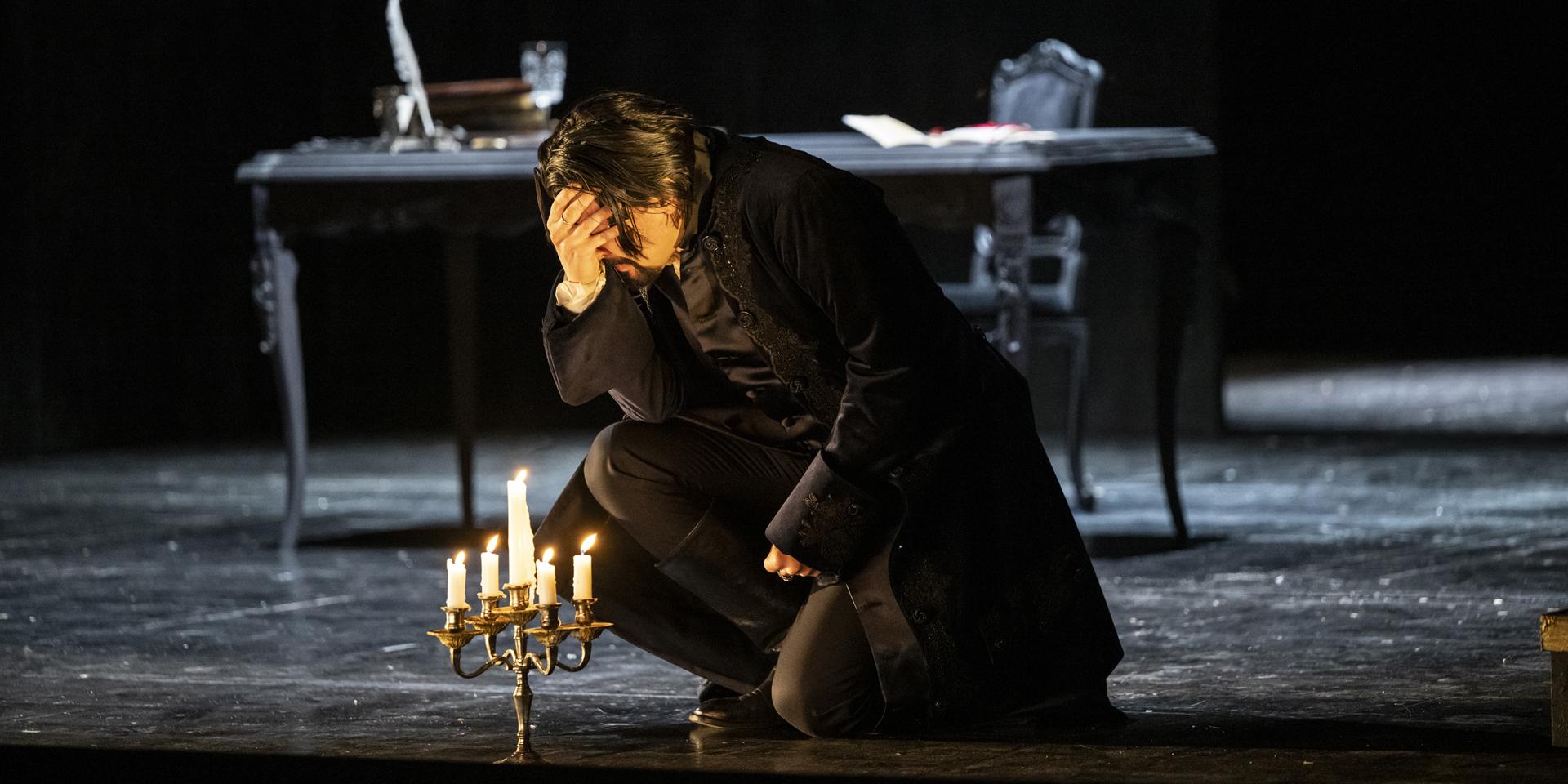
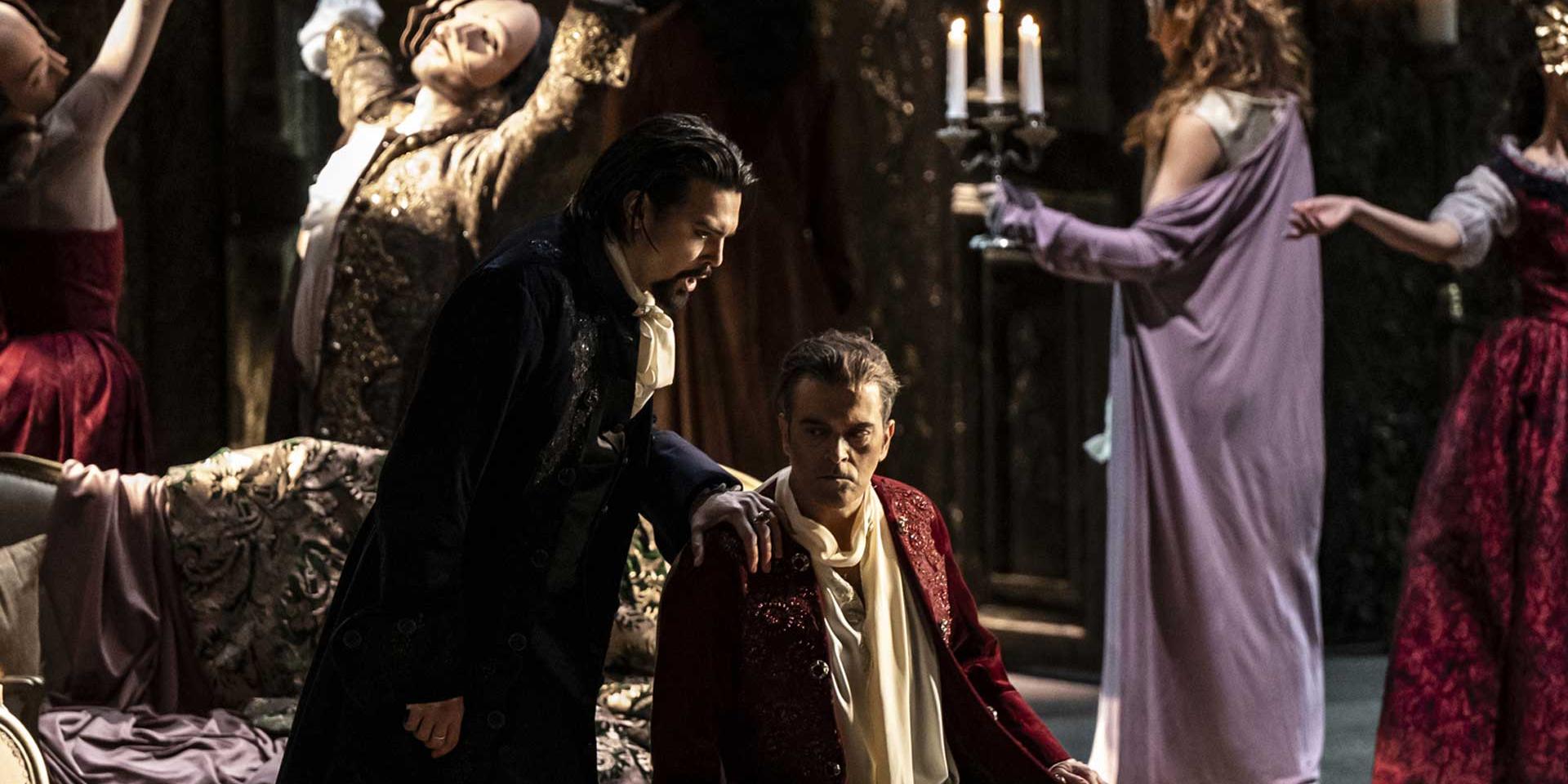
As Riccardo, Piero Pretti sang with sunny Italianate tone and an impeccable sense of style. The voice may be slightly lighter than one might expect in the role, but Pretti always sang within his means. Indeed, he sounded as fresh at the end of the evening as he did at the start. The relative brightness of tone also made Pretti’s Riccardo sound optimistically youthful, as if living the first flush of love through Amelia. His ‘Ma se m’è forza perderti’ seemed to shimmer on the air, floating through the auditorium, the elegant line bringing out a genuine sense of loss, remorse, and hope. Pretti was a very satisfying Riccardo.
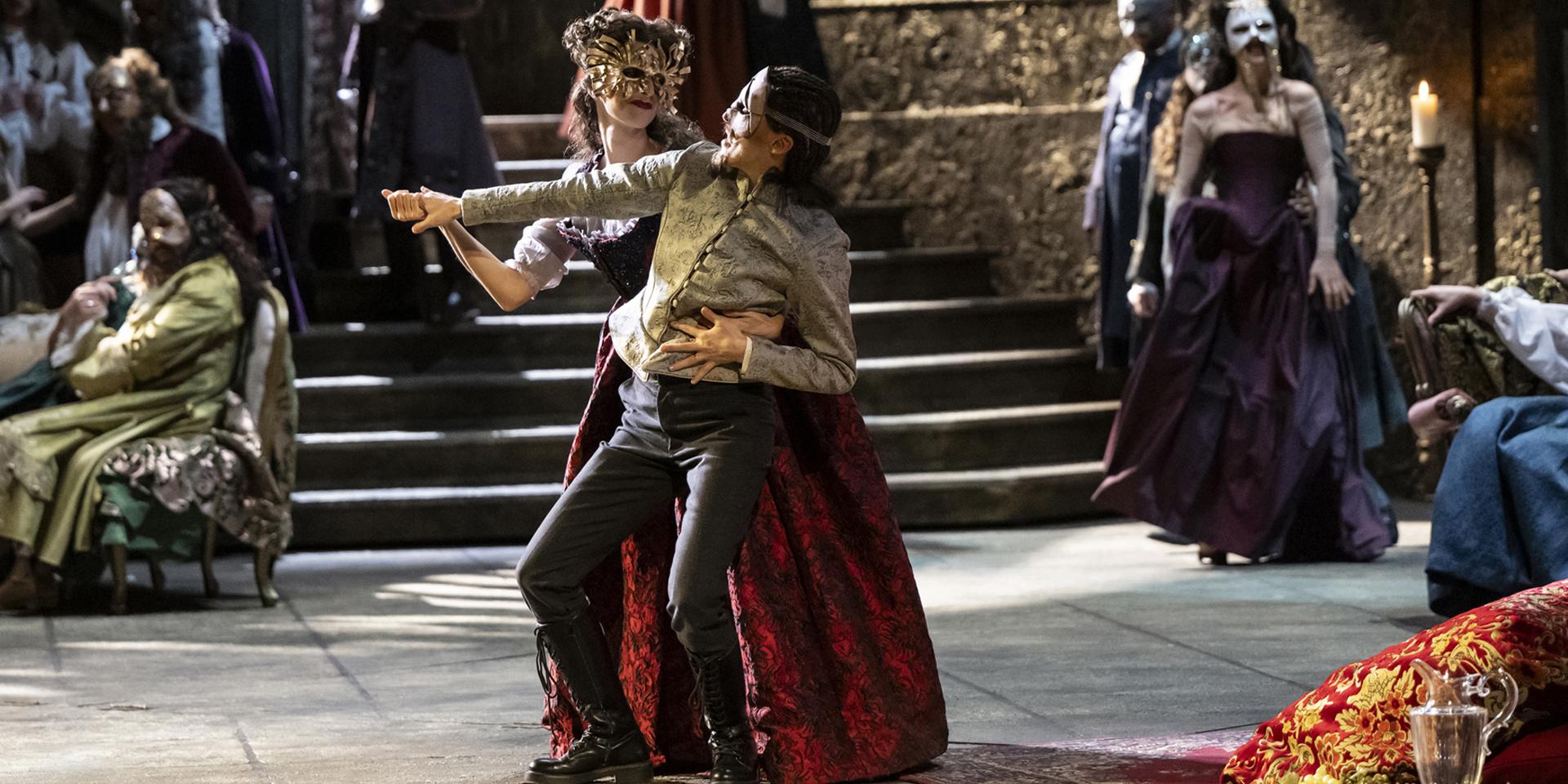
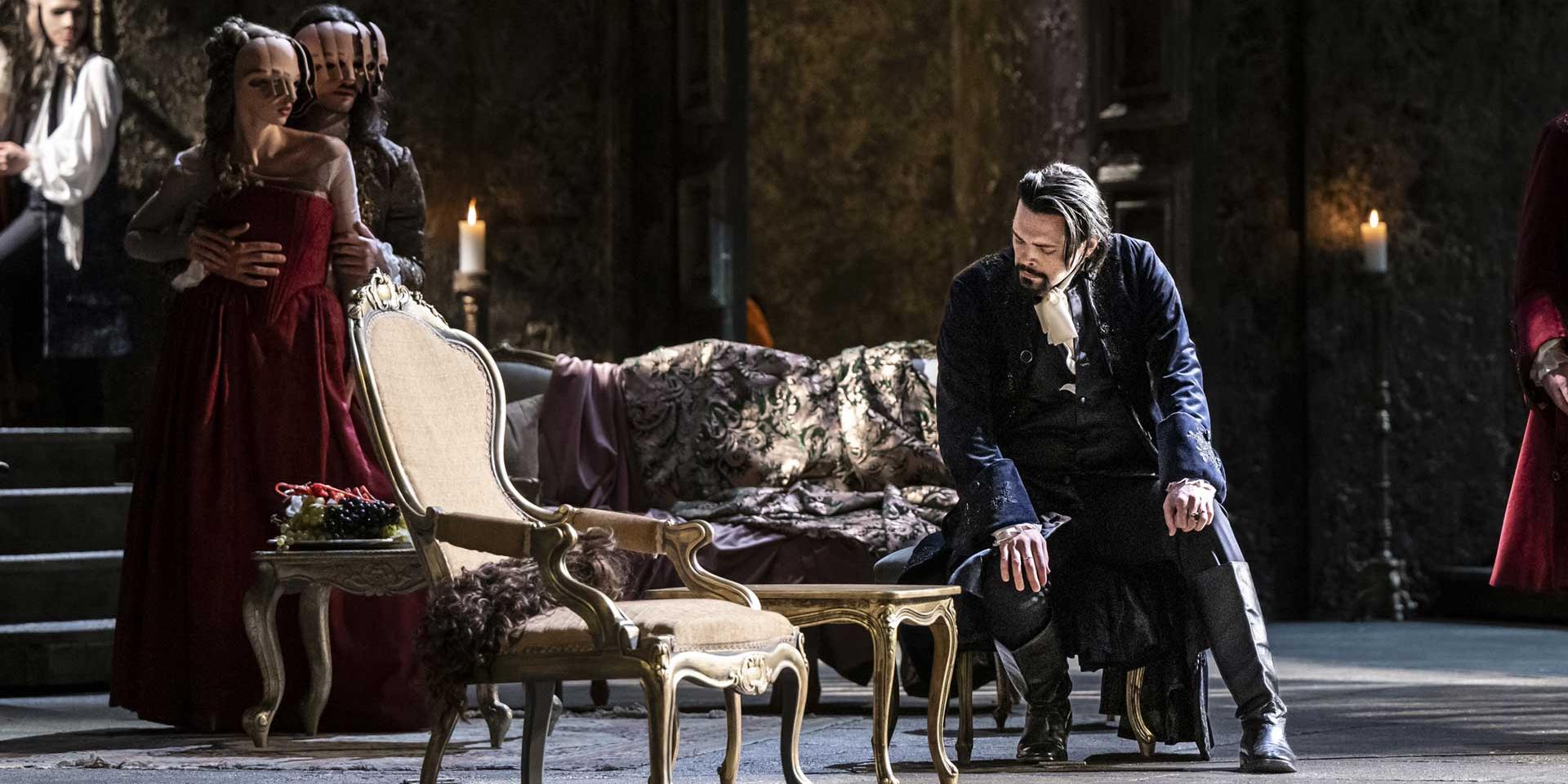
An announcement was made at the start of the evening for Luca Micheletti as Renato, since he’s currently unwell. At times such as this, it’s the technique that carries a singer through. Today Micheletti gave us a singing lesson. Yes, having heard him in two other roles recently, it was clear that the tone was a bit cloudier than usual. And yet, Micheletti rose to a thrilling ‘eri tu’. Not only did he dispatch the dramatic opening with such textual acuity, he allowed the voice to flow freely in the slower section, sustaining seemingly endless phrases through superb command of his breath control. Micheletti’s use of text is revelatory, bringing out so much meaning, with the voice also able to soar up to a free and easy top. Another electrifying assumption from this incredibly insightful and intelligent artist.
I was first introduced to Lidia Fridman in L’Ange de Nisida in Bergamo. She seems much more at home singing in Italian than she did in French. Indeed, Fridman has a good understanding of the Verdian style and phraseology, using the text to find meaning and phrasing with generosity. The voice is interesting. She boasts a juicy chestiness, a rich and plush middle, with a top that vibrates freely, if tending to be slightly squally. Her opening phrases in Act 1 did suggest a not quite complete mastery of the passaggio, but this was less apparent as the evening went on. Fridman sang her big scene at the horrid field with extrovert passion, and admirably kept her composure when faced with the aforementioned gimp-costumed, candelabra-carrying demon. Her ‘Morrò’ was also sung with genuine feeling. Fridman is undoubtedly a very individual artist who has much to offer.
Alla Pozniak sang Ulrica in a big, vibrant mezzo, the registers admirably even throughout. She could perhaps have made a bit more of the text, but her stage presence was utterly commanding, and she intoned her music with authority. Damiana Mizzi gave us a perky Oscar, sung in a crystalline soprano with easy agility and a genuine trill. Without doubt a real find and a singer I would like to hear more of. The remaining roles reflected the admirable quality one has come to expect at this address.

There was so much to enjoy in today’s Ballo. Getting to hear Muti’s decades of understanding of this music was a genuine treat. De Rosa’s staging had some moments of insight, but was also rather risible. The singing gave an immense amount of pleasure – and I just wish I could listen to Micheletti’s ‘Eri tu’ several times over, because it was one of those moments where I had the privilege of seeing a master technician at work and, in the process, deepening my own understanding of vocal technique. The audience greeted the cast with roars of approval at the final curtain.
 operatraveller.com
[…] outstanding. In Turin, Riccardo Muti brought a lifetime of experience to his conducting of Ballo. His Renato was Luca Micheletti who gave us an electrifying account of his ‘eri tu’, singing […]
[…] by his daughter, Chiara Muti. This was a return to the house for Muti père following his Un ballo in maschera here exactly two years ago. That Ballo also featured Luca Micheletti and Lidia Fridman, who […]