Puccini – Tosca
Floria Tosca – Carmen Giannattasio
Mario Cavaradossi – Saimir Pirgu
Il barone Scarpia – Roberto Frontali
Cesare Angelotti – Vladimir Sazdovski
Il sagrestano – Domenico Colaianni
Sciarrone – Maurizio Cascianelli
Spoletta – Saverio Fiore
Un carciere – Alessandro Fabbri
Un pastore – Francesco Cicciarello
Scuola di Canto Corale del Teatro dell’Opera di Roma, Coro del Teatro dell’Opera di Roma, Orchestra del Teatro dell’Opera di Roma / Antonino Fogliani.
Stage director – Francesco Micheli.
Teatro dell’Opera di Roma, Terme di Caracalla, Rome, Italy. Friday, July 26th, 2024.
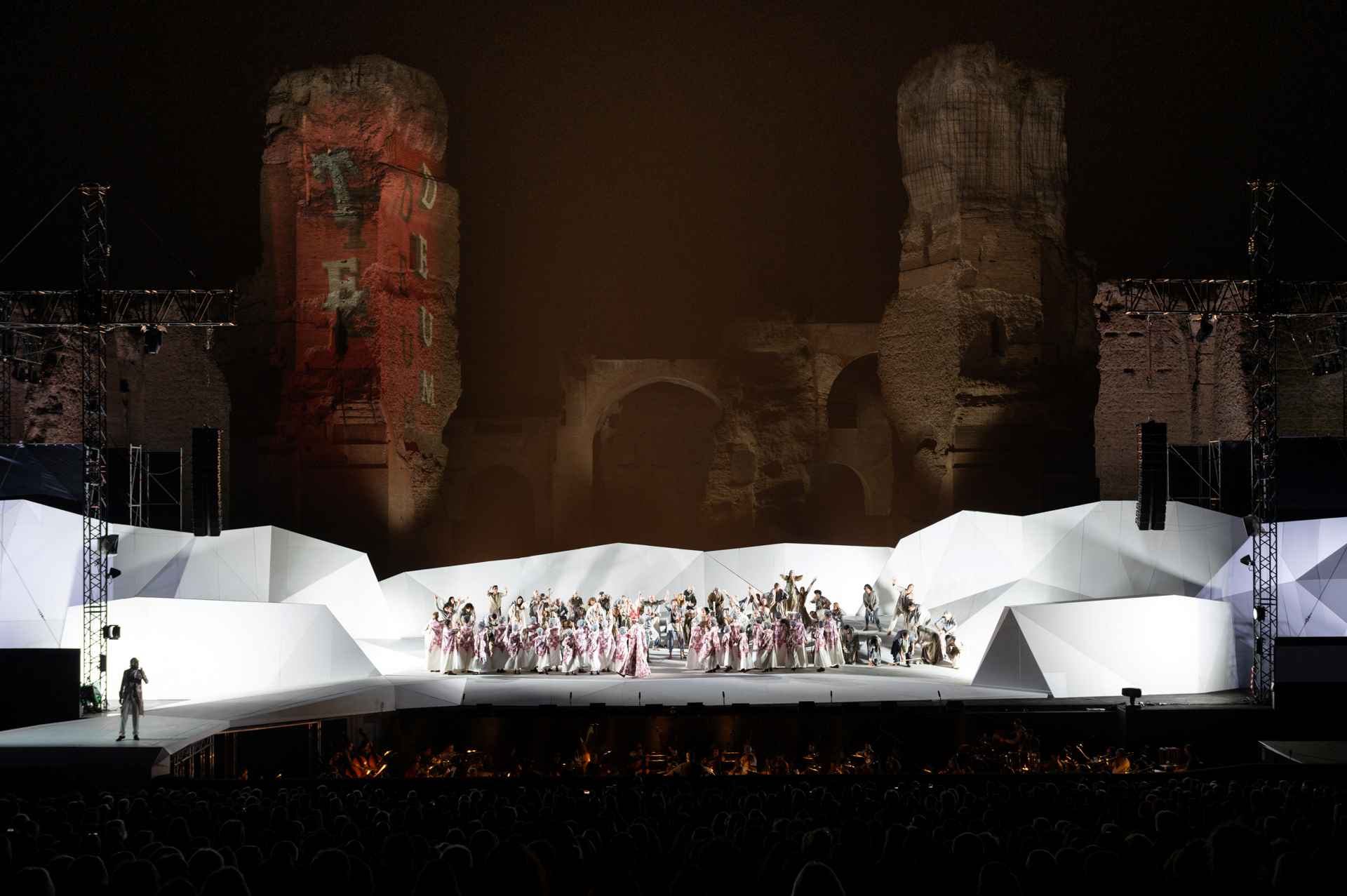
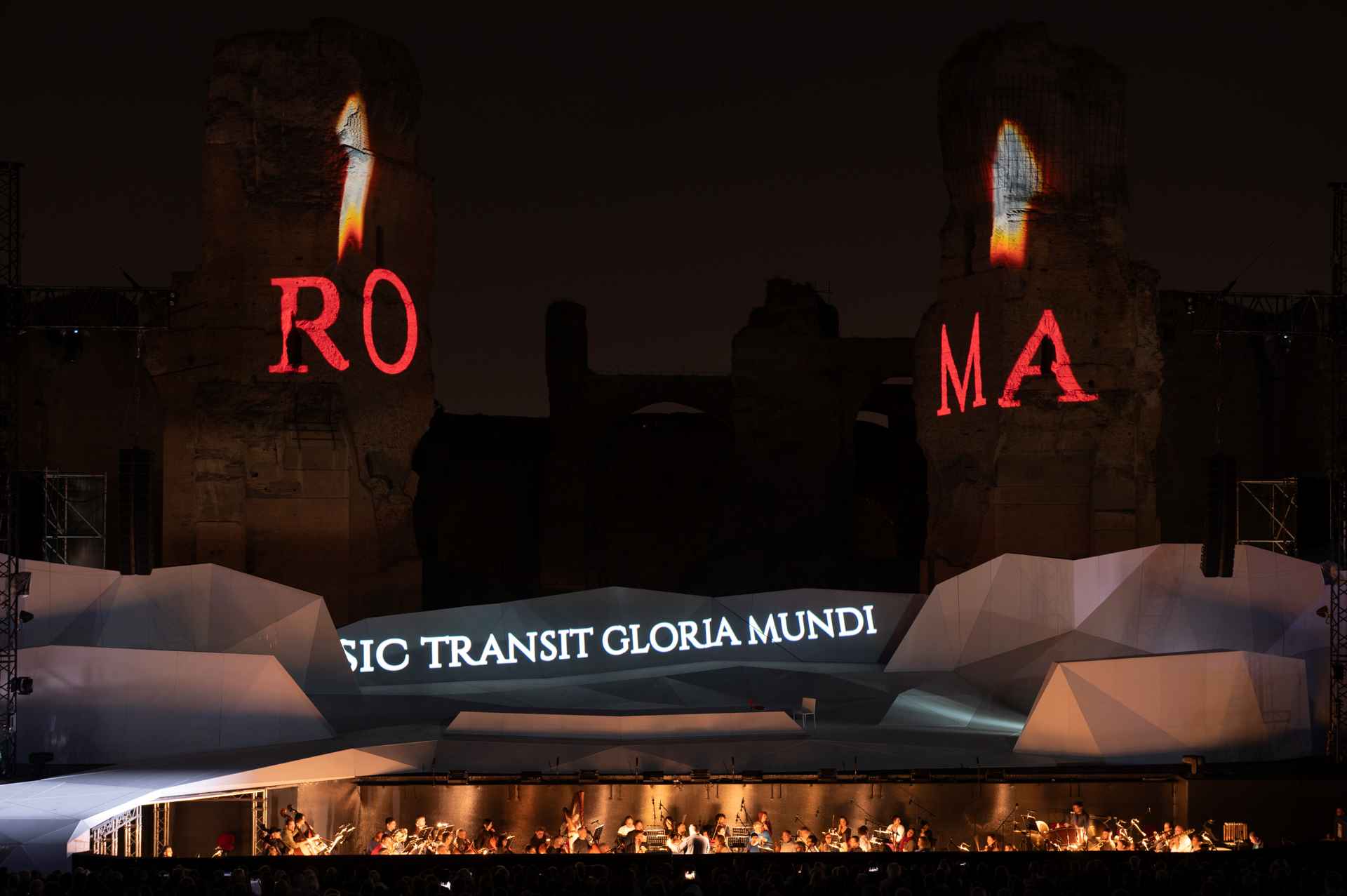
Tonight marked my first visit to the Opera di Roma’s summer home at the Terme di Caracalla. I am privileged at this point to have been able to visit pretty much all of the world’s major lyric theatres. Yet there was something undeniably special about walking in to these ancient Roman ruins, and seeing opera under the stars with the twin towers of the Terme behind the set. Due to the particularities of the setting, and unlike in Verona or Macerata for instance, amplification was used. I must admit that this was perhaps less than satisfactory. The sound design did not reflect the location of the singers on stage, so that Angelotti, singing on the far left of the stage, sounded like he was singing on the right. Similarly, when singers walked across the stage, the voices came from exactly the same position through the speakers.
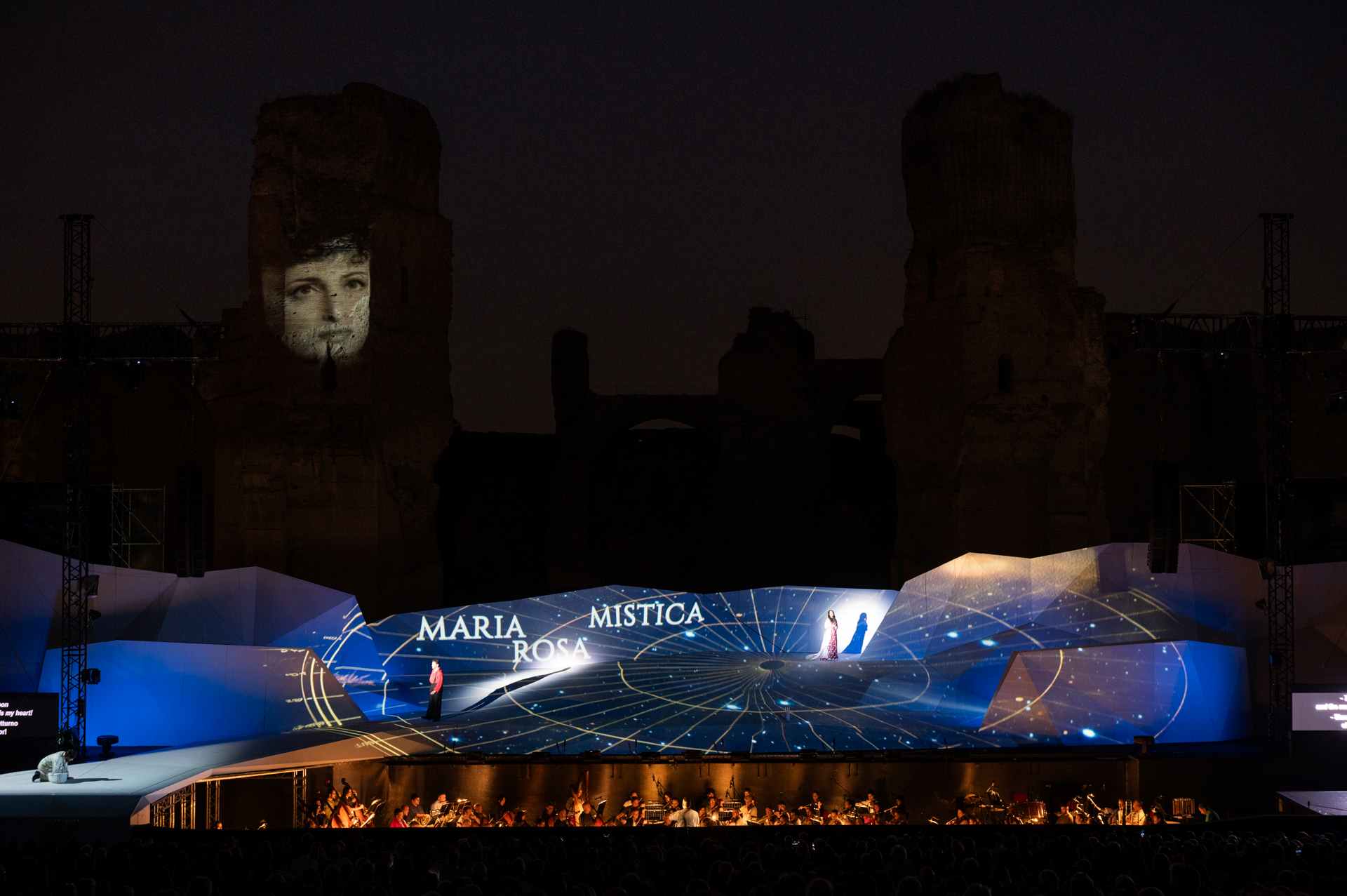
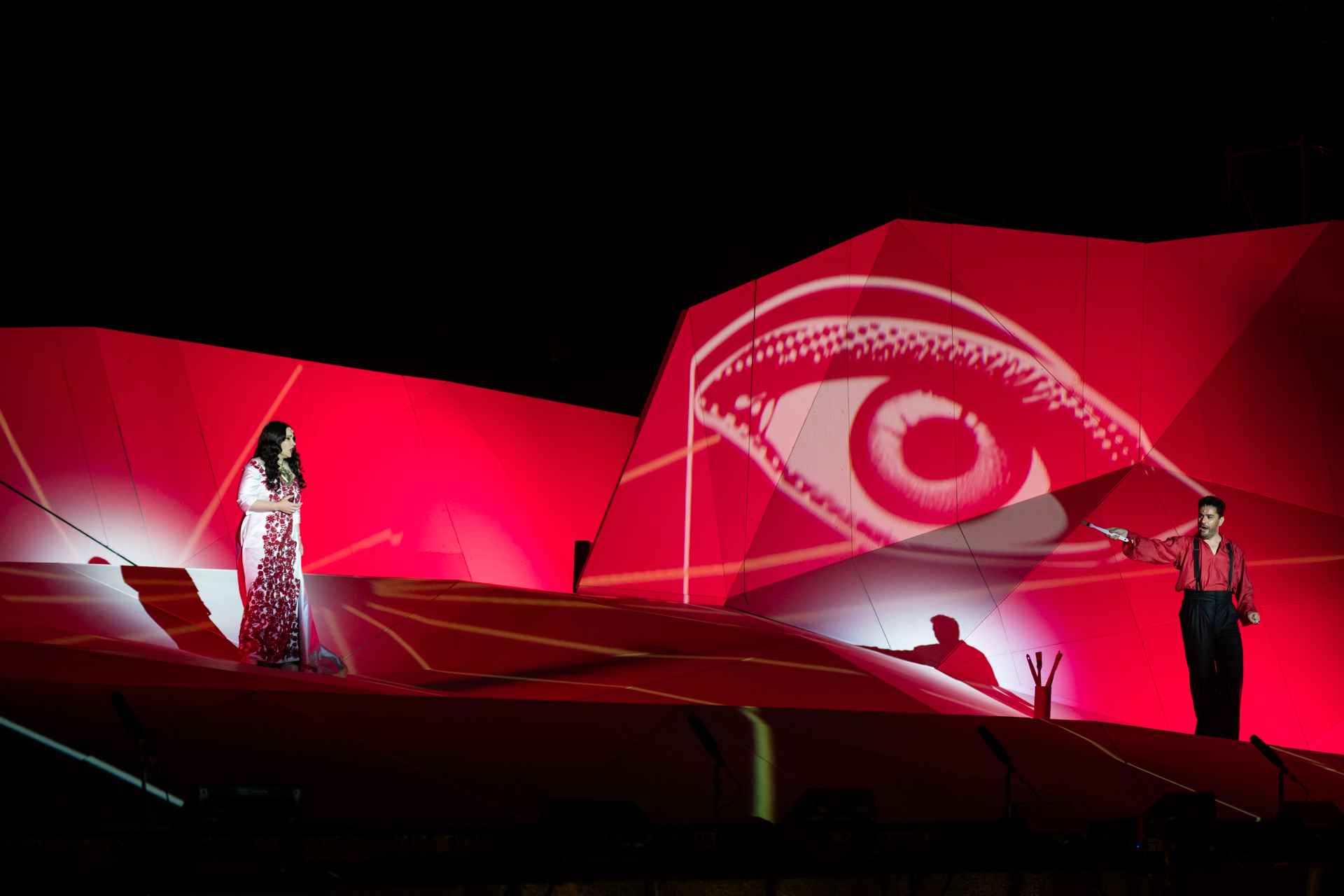
The staging was confided to Francesco Micheli, with a ‘progetto scenografico’ by Massimiliano and Doriana Fuksas. It had its moments. The set was a plain white surface, that undulated with the addition of, in Act 2, a table for Scarpia to have dinner on. Given the nature of the setting, more emphasis was required on the interaction of the principals to create a cogent theatrical narrative. The set was enhanced by the use of video projections, by Luca Scarzella, Michele Innocente and Matteo Castiglioni. The most striking of these came after Scarpia’s murder, when a red flow emerged from his body to take over the stage and bathe it in a red glow. Similarly, as Tosca revealed her jealousy in Act 1, this was accompanied by the stage being covered in a pink glow. The video designers made use of the twin towers behind by projecting the word Roma or using the image of a woman intermittently on the towers. It certainly gave something to look at and, at its best, illustrated the drama.
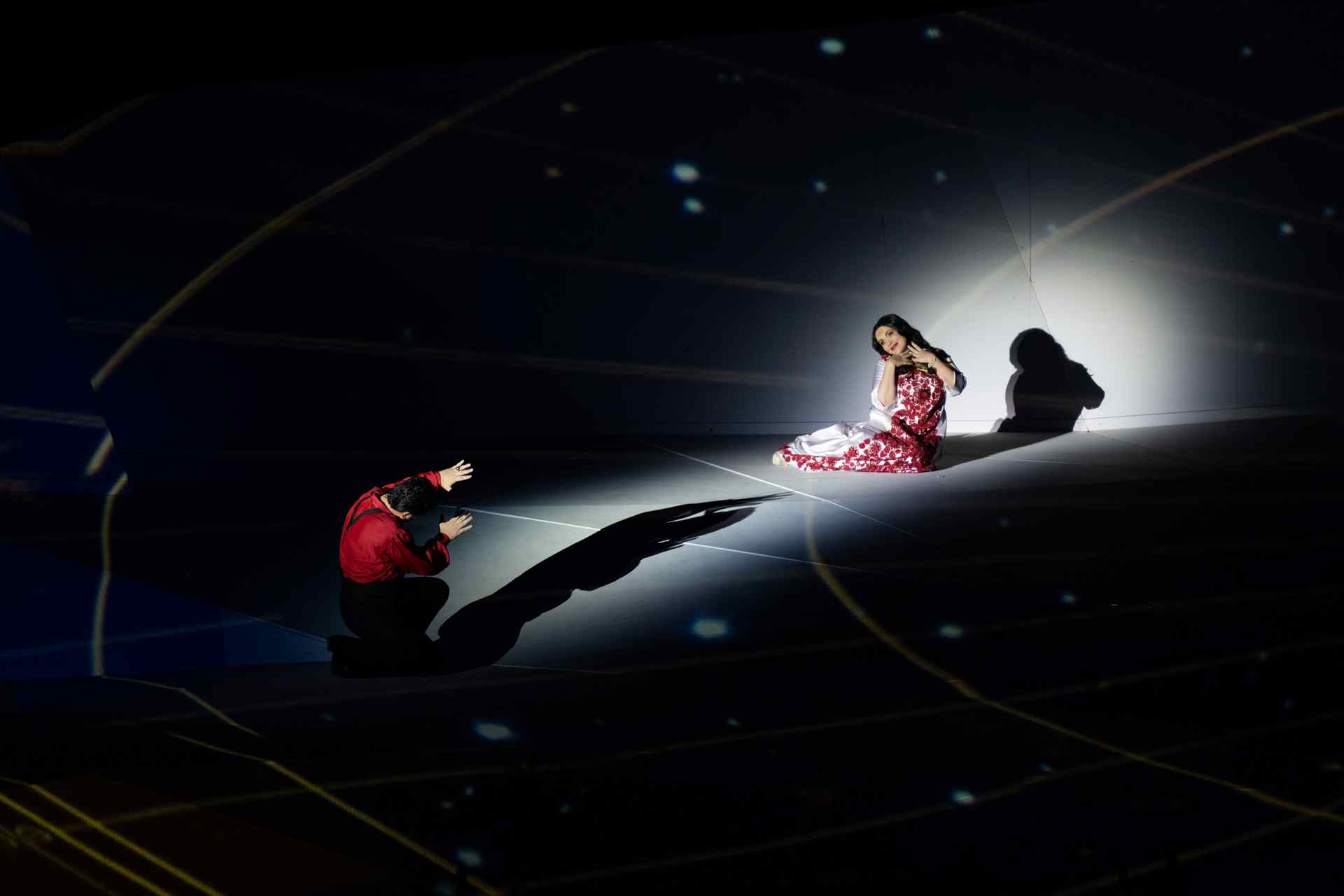
And yet, there were also ideas that didn’t seem to add up. Tosca was seen at the start of the evening standing on stage, seemingly a kind of Madonna figure that the sagrestano prayed to. At the end of Act 1, the crowd appealed to her. Here, I’m not sure whether they were appealing to her operatic celebrity, or elevating her status to that of a Madonna. On reflection, this imagery may have meant more to a Catholic than it did to an atheist Jew. However, I felt that this conflation of celebrity/diva/divine to be briefly explored and then discarded. That said, the personenregie throughout was at least convincing and we were given a sense of characters who truly related to each other, despite the relatively sparse staging around them.
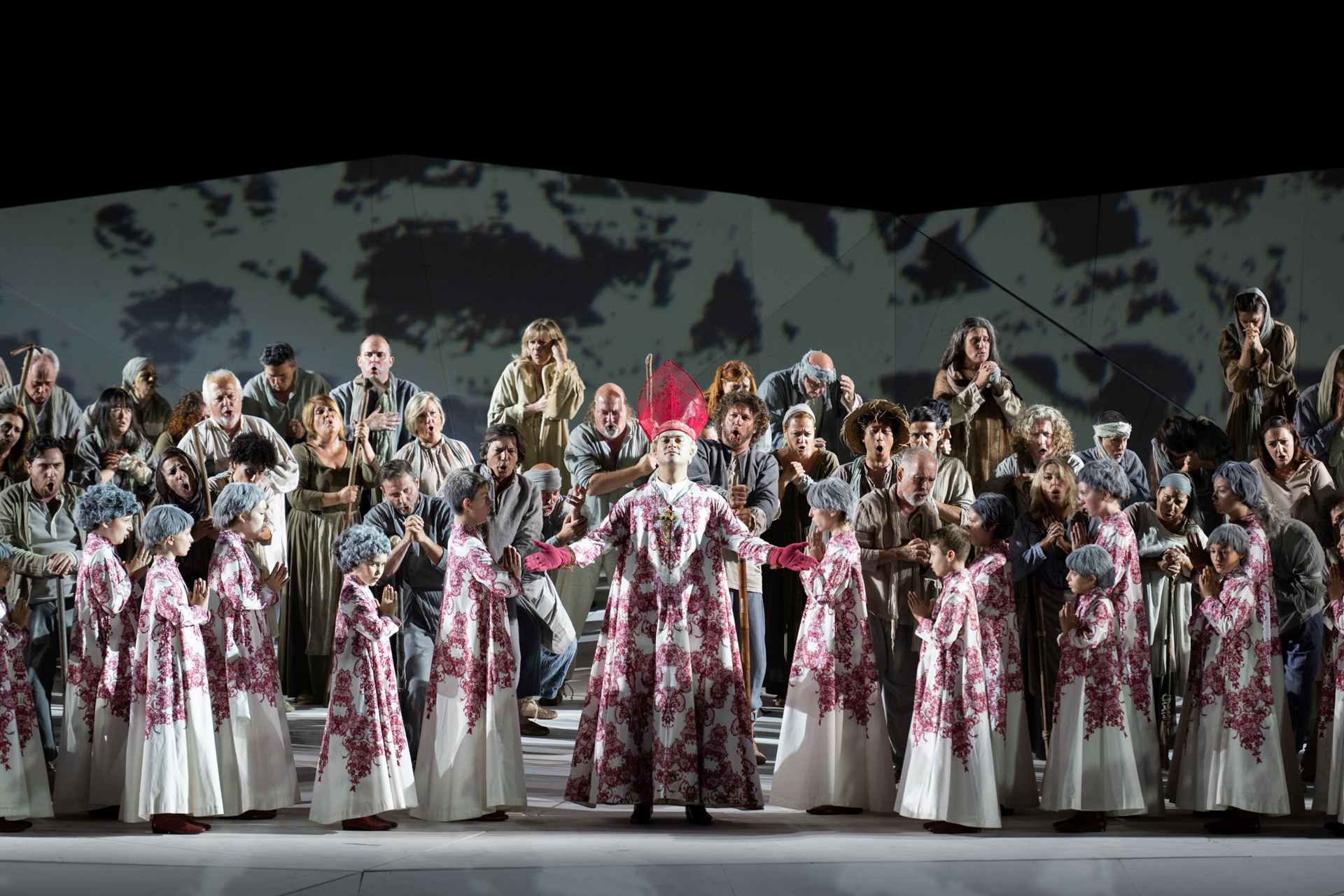
This is, of course, an opera that this house owns, the house forces having given the world premiere over a century ago. One would imagine that the musicians of this orchestra would be able to play this score in their sleep. Antonino Fogliani’s reading did have some interesting aspects. He brought out a lyric beauty in the score that I found attractive to listen to. The amplification helped with bringing out the fragrance of Puccini’s orchestration, with tinkling celesta and piquant clarinets, in a way that might not be as apparent in a conventional theatre. And yet, Fogliani gave us a reading that was so slow it completely removed the drama from the piece. Scarpia’s entrance in Act 1, a moment that should crackle with drama, was completely numbed. Compare that to Andrea Battistoni in Munich a few months ago, who made it sound absolutely terrifying. That constant twisting of the screw of tension in Act 2 was similarly absent, the reading positively comatose. Worse, in Act 3, he lost control of the orchestra completely in the introduction to ‘e lucevan le stelle’ which momentarily fell apart. How this can happen with an orchestra than knows this score inside out is a mystery. The choruses were respectable. The children were lively, while the adult sopranos and mezzos vibrated generously.
I heard Carmen Giannattasio’s account of the title role in Macerata a couple of years ago. For a singer in her late forties, Giannattasio sounds extremely mature these days. It took a while for her to find her best form. In the initial duet, the vocal production sounded strangulated, lacking in consistency of emission. Fortunately, she warmed up, yet her grapefruit-toned soprano had a tendency to sit on the underside of the note. She did sustain her ‘vissi d’arte’ well, at the extremely slow tempo she was set. Where Giannattasio gave pleasure was in her use of text. Her diction was superb and despite the voice no longer having the freshness of youth, with vibrations now loosened, she managed to build and portray a most convincing journey of her character through the text – from jealous diva to freedom fighter.
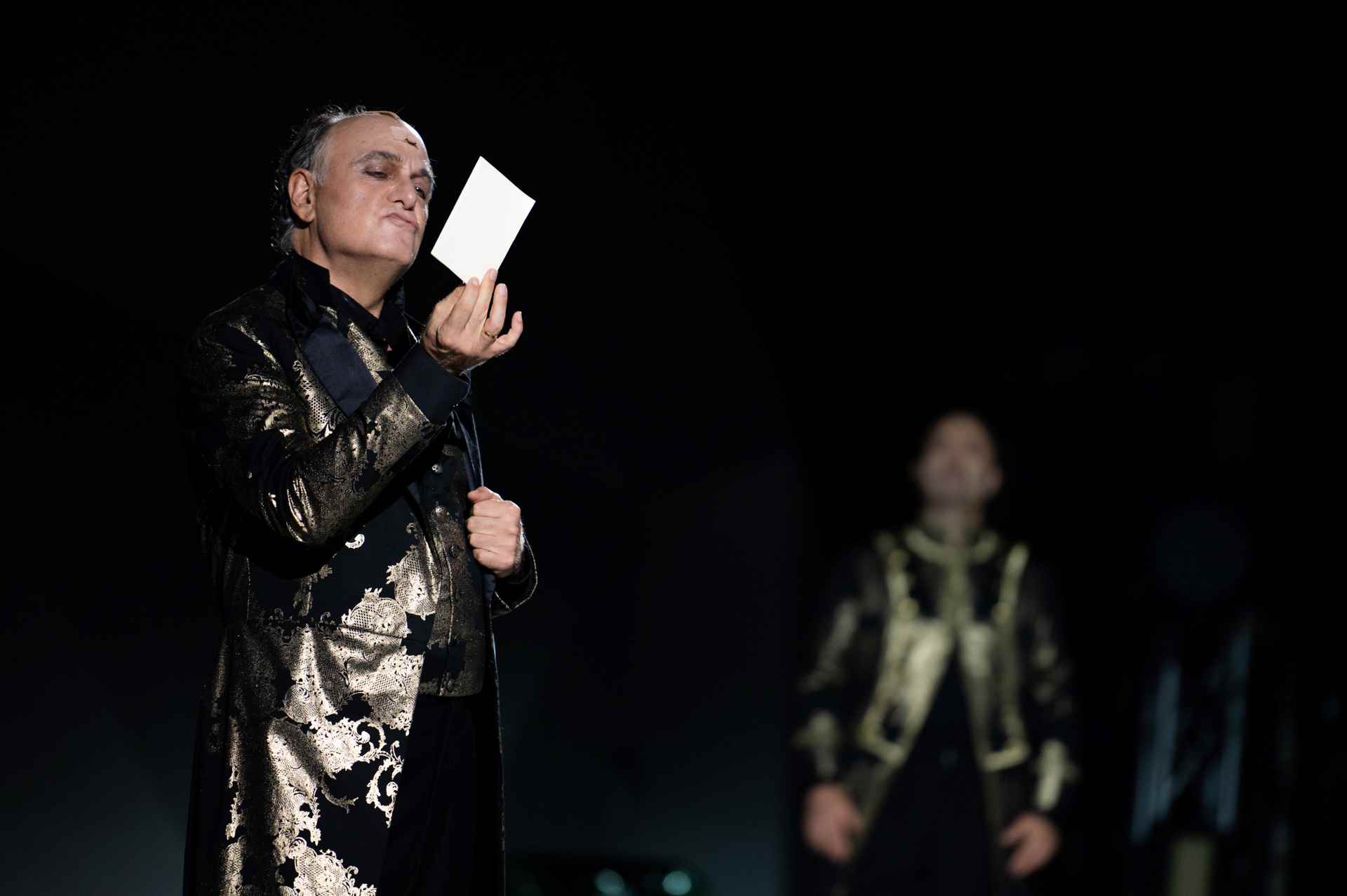
Saimir Pirgu is the owner of a very handsome tenor voice. He sang with taste, his ‘vittoria’s not held out interminably, and his ‘recondita armonia’ sung with feeling. There was an attempt to sing with feeling and beauty of tone in his Cavaradossi that I appreciated. During the evening, there was a troublesome buzz at the core of the tone that emerged intermittently, accentuated by the amplification. In Act 3, it became apparent that Pirgu was not on top form, by then he had lost the top of the voice and had to sing his duet with Tosca down the octave. I appreciated his bravery in not wanting to give up, but it was a genuine shame to see such a decent singer get into trouble in this way.
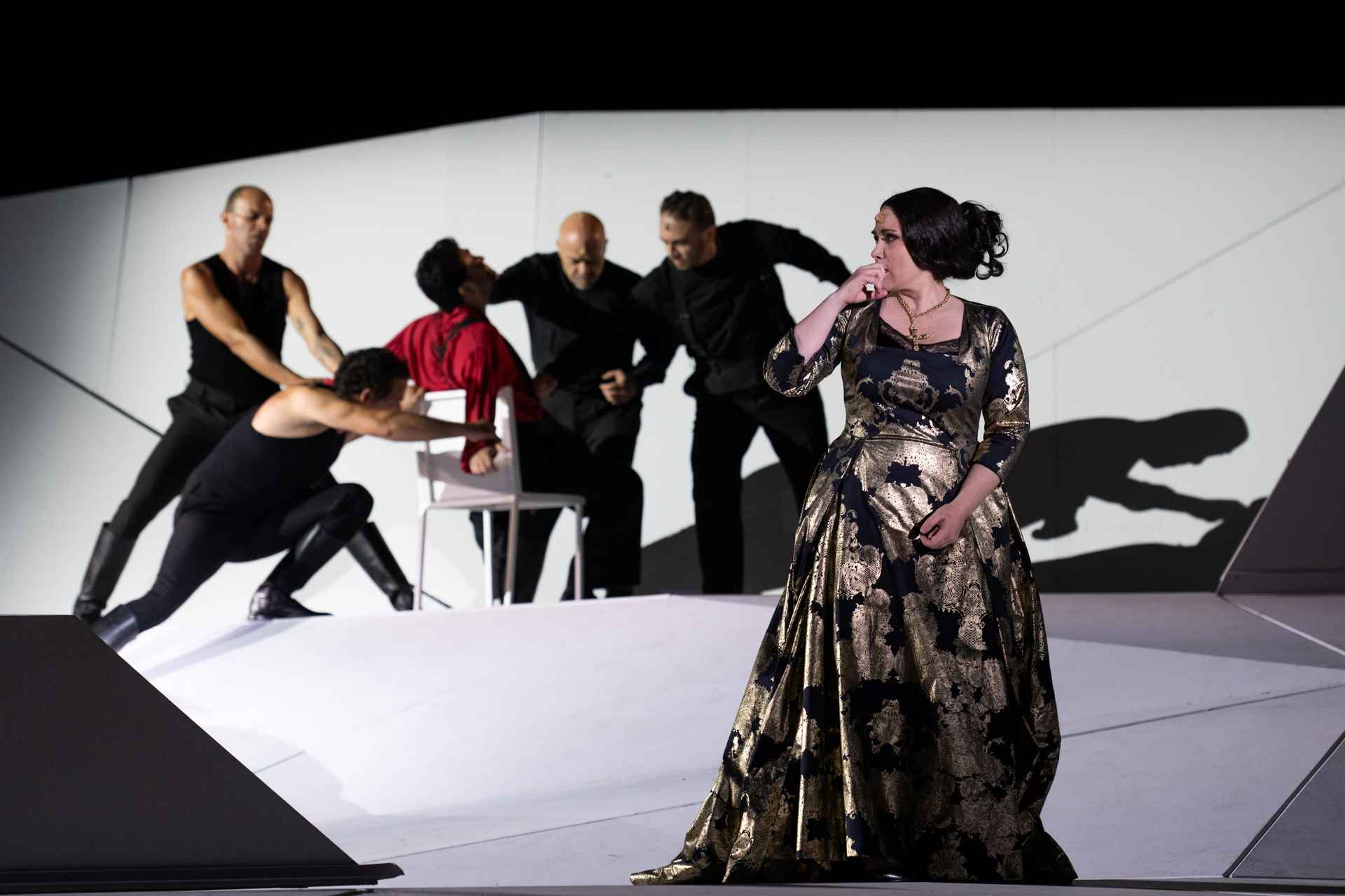
I had the pleasure of seeing Roberto Frontali’s Scarpia at the Opera di Roma’s home in the Teatro Costanzi a few years ago. There I was impressed by the security of his vocalism and this was an element that was apparent this evening. His Scarpia was securely sung throughout, in a firm, warm baritone that had admirable evenness of emission. Unfortunately, his performance was numbed by the slow tempi and amplification, his big ‘Tosca mi fai dimenticare iddio’ went for nothing, sung more like a man ordering cacio e pepe at his local trattoria, than an evil sex pest villain. Still, I did appreciate that this role was truly sung and not barked.
The remaining roles were taking by stalwarts of the Opera. Vladimir Sazdovski was an impressive Angelotti, sung in a big, warm and healthy bass. Domenico Colaianni sang the sagrestano with wonderful textual acuity and an appropriately characterful tone. Compliments also to Francesco Cicciarello who sang the Pastore with real confidence and assurance – and excellent diction.
On the one hand, this was, on a personal level, a very special occasion to see this most Roman of operas in such an emblematic and unique venue. That said, I am fully aware that readers would expect me to appraise and hold this performance to the highest standards. And this is, unfortunately, where it was a bit less than the sum of its parts. Giannattasio’s diction and dramatic commitment were not in doubt, even if vocally the voice is less than fresh these days. Pirgu was brave and kept going, despite the voice not responding, while Frontali sang with the utmost security. The staging gave something to look at. Unfortunately, the evening was robbed of drama by Fogliani’s numbing conducting. The audience responded with polite applause at the close, though it was heartening to hear them give Pirgu a generous ovation for his commitment.
 operatraveller.com
[…] was my third encounter with Giannattasio’s Tosca, having heard her previously in Macerata and Caracalla. She was in much fresher voice tonight than on those previous occasions and, despite […]