Verdi – La battaglia di Legnano
Federico Barbarossa – Riccardo Fassi
Lida – Marina Rebeka
Arrigo – Antonio Poli
Rolando – Vladimir Stoyanov
Marcovaldo – Alessio Verna
Il Podestà di Como / Il Console di Milano – Emil Abdullaiev
II Console – Yang Bo
Imelda – Arlene Miatto Albeldas
Uno Scudiero di Arrigo / Un Araldo – Anzor Pilia
Coro del Teatro Comunale di Bologna, Orchestra del Teatro Comunale di Bologna / Diego Ceretta.
Stage director – Valentina Carrasco.
Teatro Regio, Parma, Italy. Sunday, September 29th, 2024.
This year’s edition of the Festival Verdi in Parma is entitled ‘Potere e Politica’, and features mainstage productions of Macbeth (en français), Ballo and Attila, along with a staggering array of talks and performances around the city and region. This year’s festival also offers the opportunity to see the rarely-performed La battaglia di Legnano, and tonight was the premiere of Valentina Carrasco’s new staging, a coproduction with the Teatro Comunale di Bologna, which provided the chorus and orchestra, conducted by the exciting young Italian conductor, Diego Ceretta, leading an international cast. There was a real sense of occasion in this beautiful theatre and in the city more widely tonight. This is a festival that really should be on every opera lover’s itinerary.
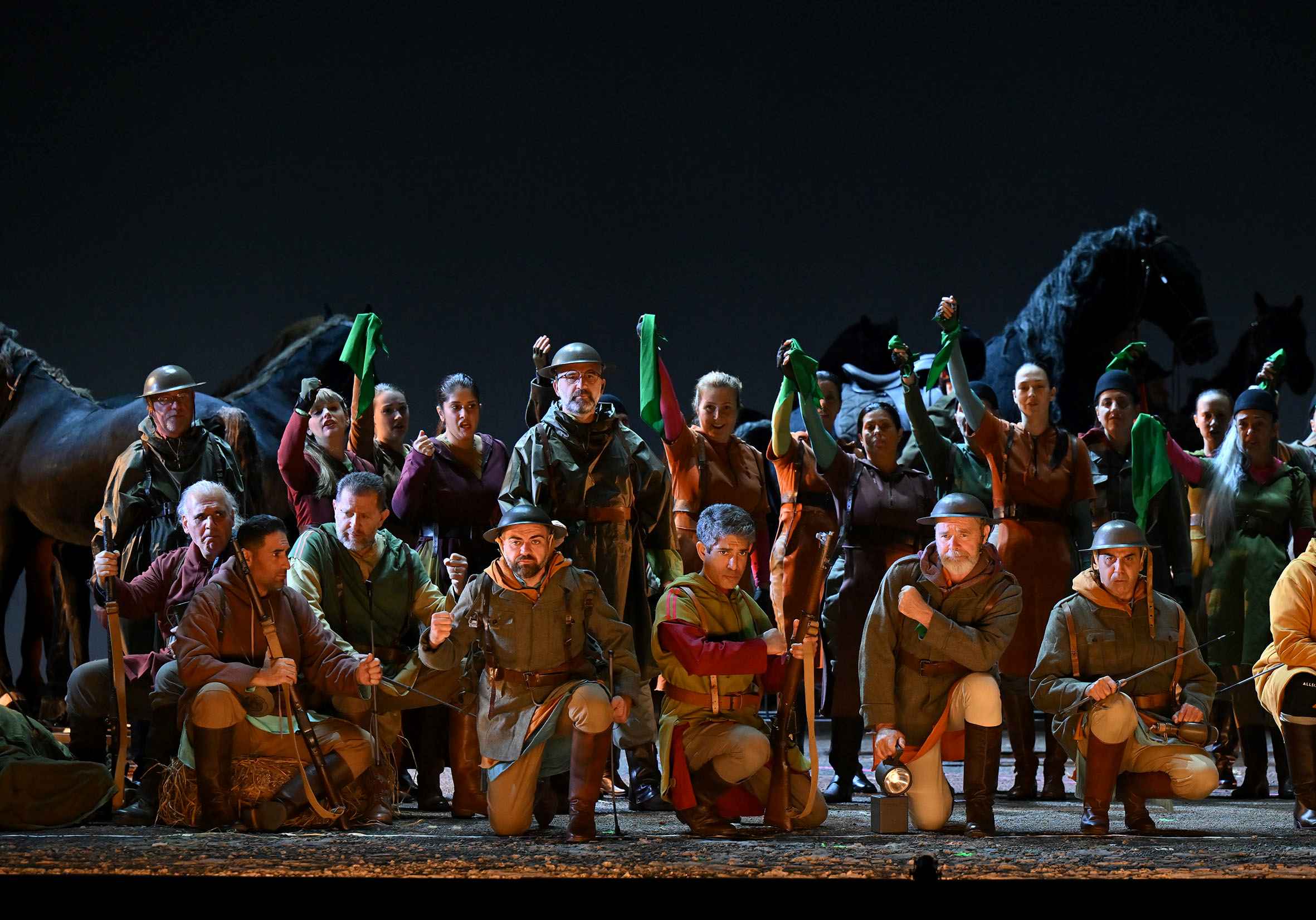
Tonight was also my first opportunity to hear La battaglia di Legnano live, although I have fond memories of having studied it during my undergraduate days. It’s the usual love triangle of soprano married to baritone, though she was previously in love with the tenor, who was presumed dead but actually shows up again. She still holds feelings for him, while he’s miffed that she moved on to someone else. It contains some terrifically rousing choruses, being very much a product of the risorgimento, and the incipient Italian nationalism that came around with unification. It also has some lyric yet heroic writing for the tenor and music for the soprano that requires great technical fluency. It really does deserve to be heard more frequently, though. The sinfonia contains one of those classic Verdi melodies that will stay in your brain for weeks – indeed I heard a crowd of people humming it on the way back to the train station after the show.
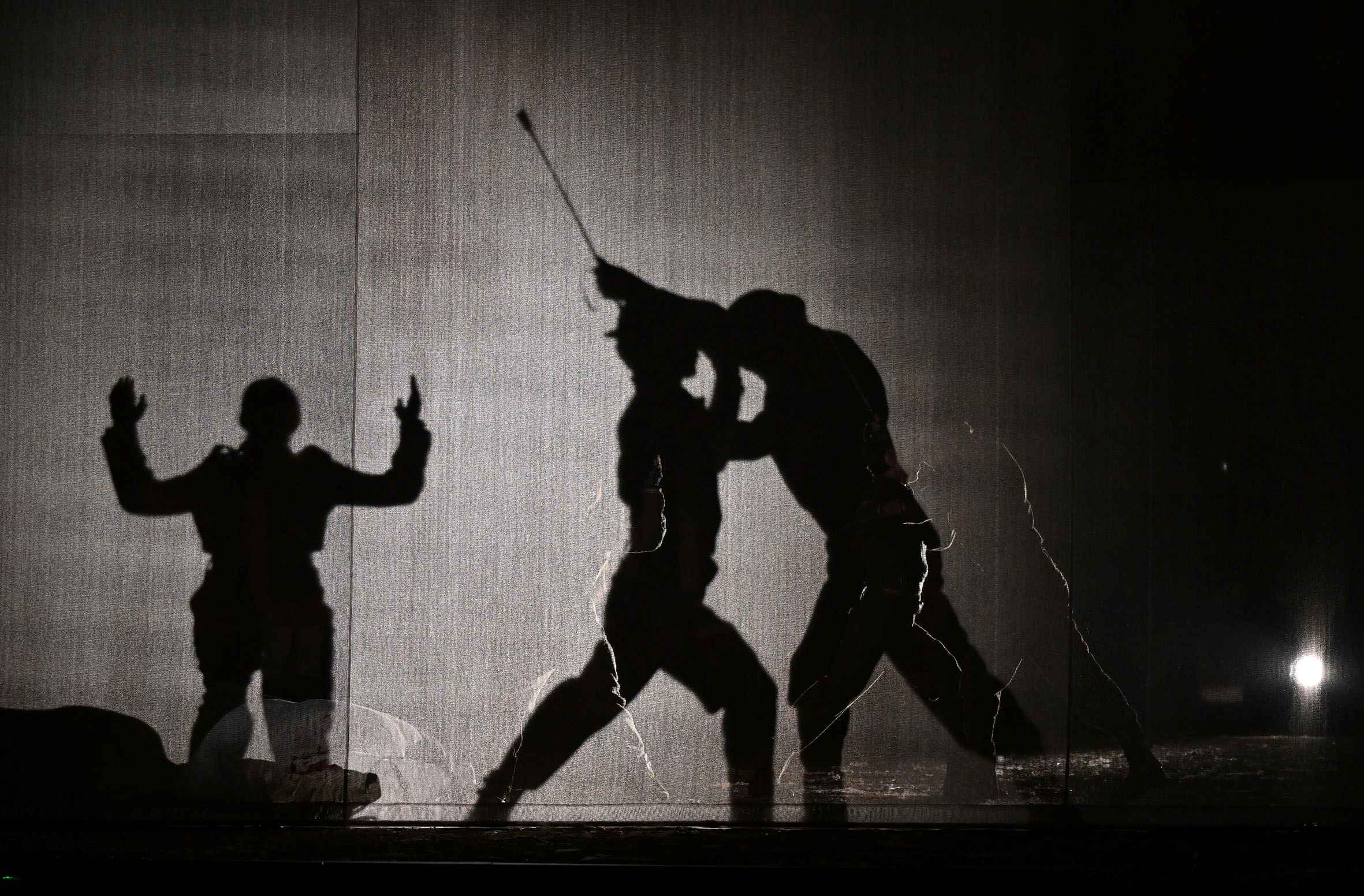
Carrasco sets the action in what appears to be World War One. The presence of life-sized model horses on the stage serves as a reminder that that conflict was the last major conflict before fully mechanized warfare. She gives us some striking stage pictures – the entrance of Barbarossa on horseback, with a bright light behind him was definitely impressive – as indeed was the ease with which Riccardo Fassi mounted and dismounted his nag. Indeed, the ability to create these memorable stage pictures was a strength of Carrasco’s staging, whether in the use of shadow to display murky soldiers behind a backdrop or the horses wearing gas masks. That said, it’s regrettable that Carrasco didn’t show Arrigo jumping from the tower exclaiming ‘viva Italia’. Instead, he was imprisoned in a stable where there was conveniently a hammer hanging around that he used to smash his way out.
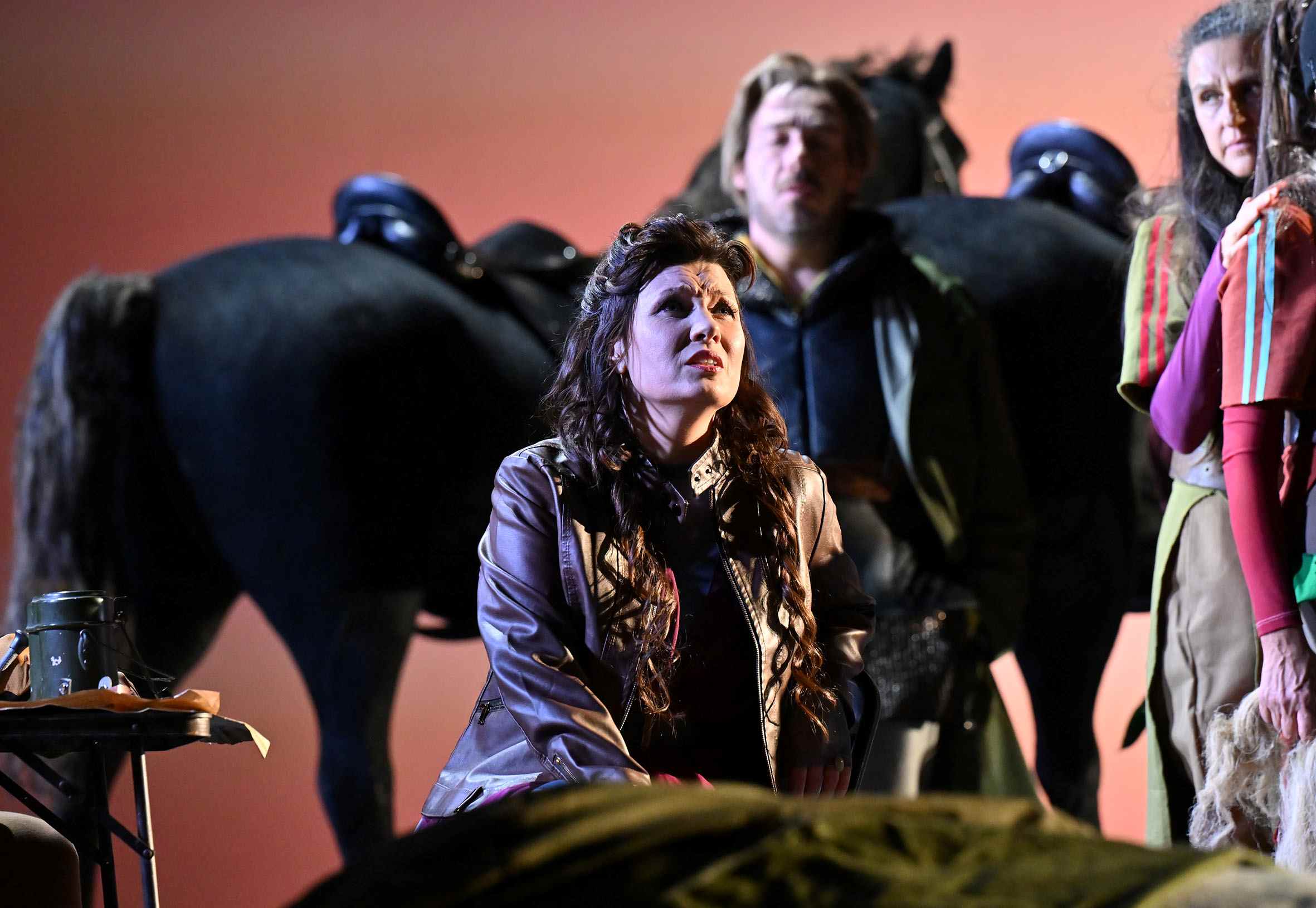
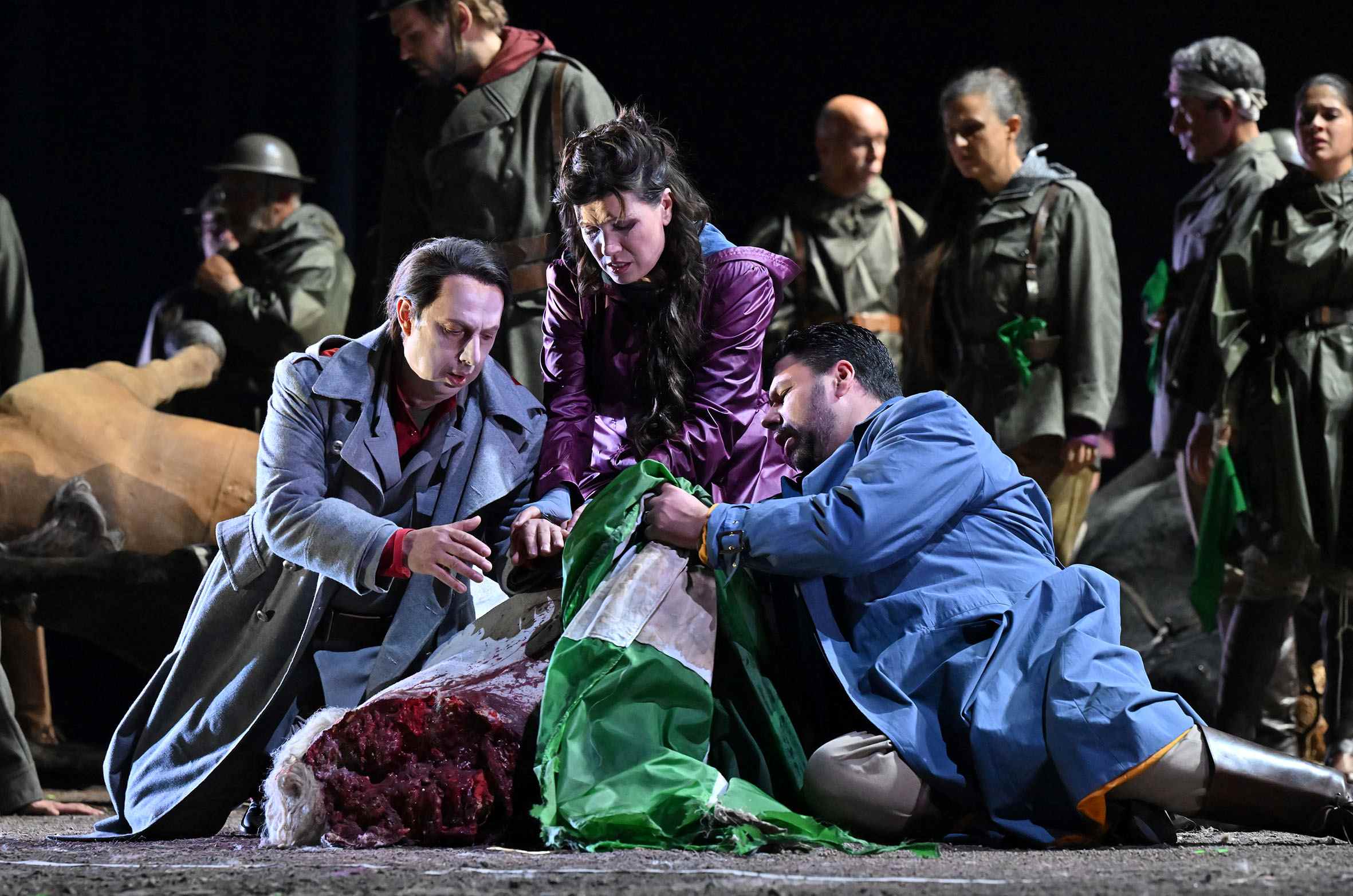
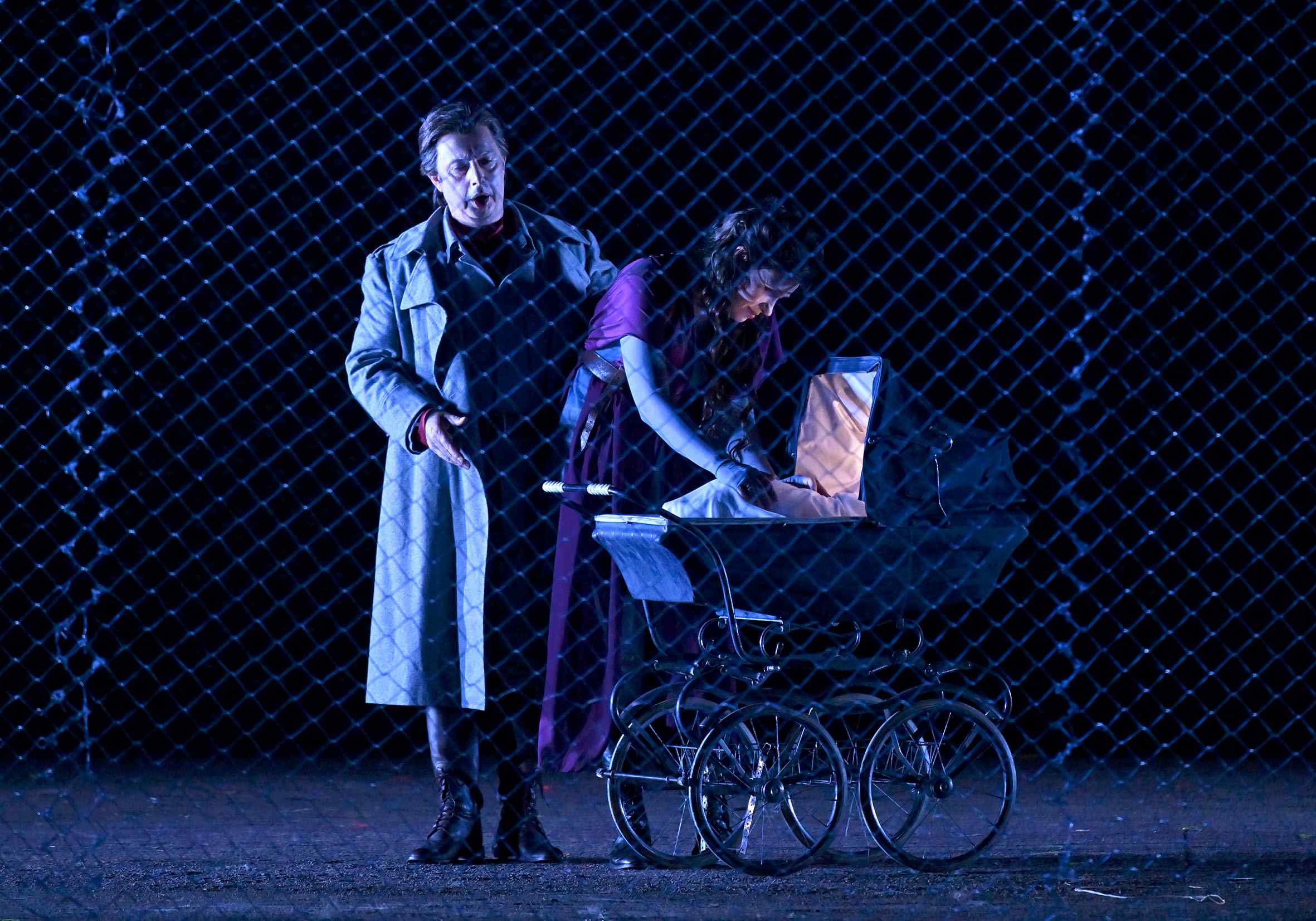
I did however find Carrasco’s personenregie rather rudimentary. Far too often, characters were simply parked on stage to gesticulate to the front. There were moments where the principals did address each other and when this happened, the chemistry between Marina Rebeka’s Lida, Antonio Poli’s Arrigo and Vladimir Stoyanov’s Rolando was real and believable. And yet, there was a significant amount of emoting to the front. The chorus, in particular, was marched on and off – the kind of detailed direction that we saw in last week’s Trionfi in Hamburg was absent here. The main reason for the placement of the singers on stage was the lack of a set for them to project off. Fortunately, Carrasco kept the principals at the front to provide them with the maximum acoustic impact.
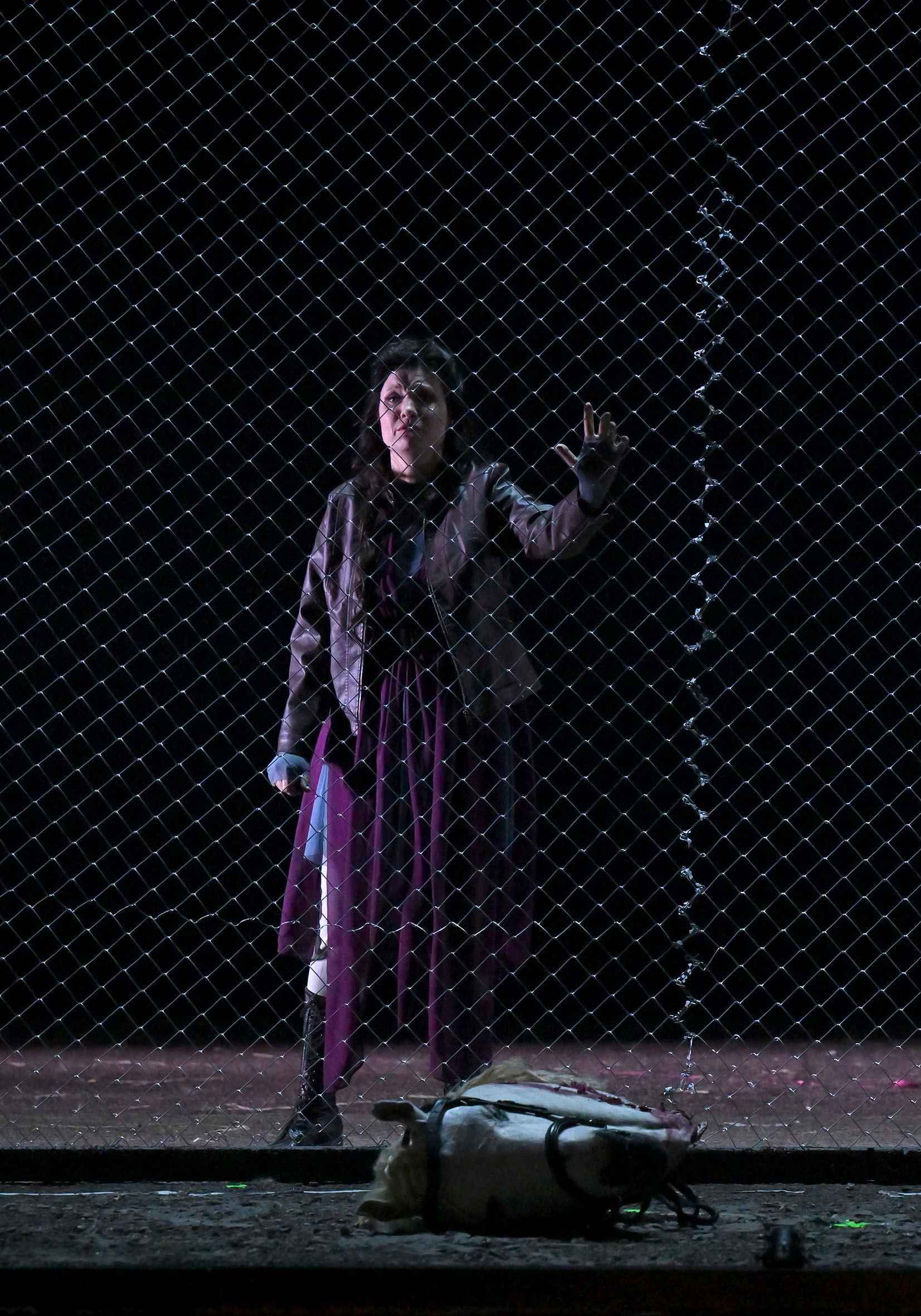
Ceretta is a new name to me, but one I hope we’ll be seeing much more of. Indeed, he’s one of a spectacularly talented new generation of Italian conductors that really gives hope for the future. He led a reading that was delightfully swift. The Bolognese orchestra responded with playing of excellent quality for him. Attack was crisp and unanimous, with winds nicely forward with some extremely eloquent solo playing from the oboe and clarinet in particular. The brass, both in the pit and on stage, was absolutely solid throughout. Ceretta also encouraged his singers to add some tasteful embellishments to the line. My only regret was that he didn’t ask the strings to play senza vibrato, otherwise his conducting was pretty much ideal. The chorus, prepared by Gea Garatti Ansini, sang with lusty enthusiasm and an admirable blend, making the big choral scenes just as uplifting as they should be. Their tuning in the Act 4 prayer was also impeccable.
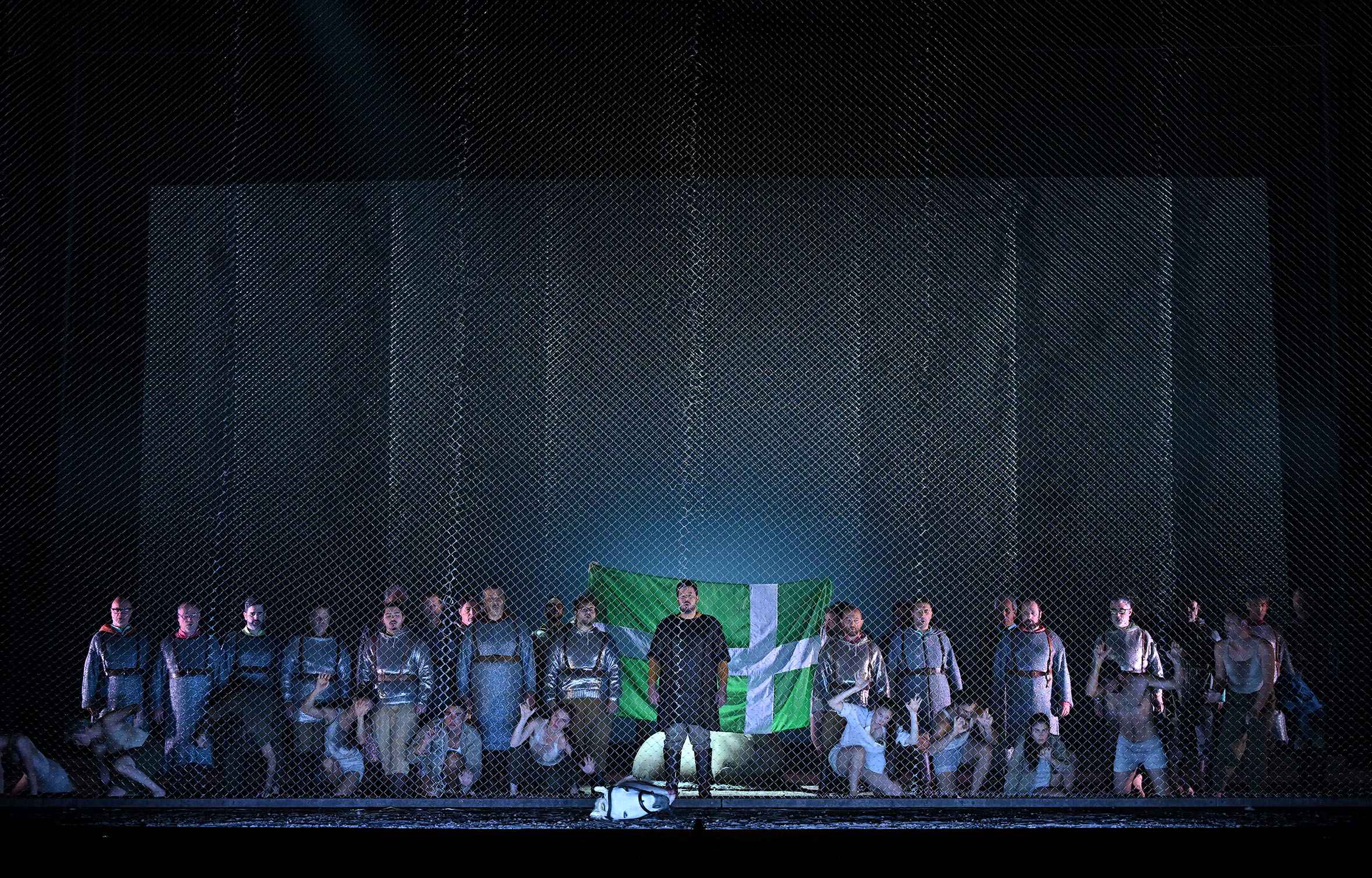
Rebeka gave us a singing lesson as Lida. Her technique is fabulous, able to surmount the challenging writing with ease. Her opening cavatina set the stall for the evening, long lines, with an impeccable legato and words nicely forward. She sang her cabaletta with thrilling agility, not to mention a genuine trill, and capped it with a terrific high C that just filled the house in a diamantine glow. The second verse was delightfully embellished, just as it should be. Her big Act 4 prayer was sung with radiant tone, rising over the chorus with ease. This was an electrifying assumption from a master technician. Every single time she appeared on stage, Rebeka brought so much vocal glamour and sheer star quality to the evening.
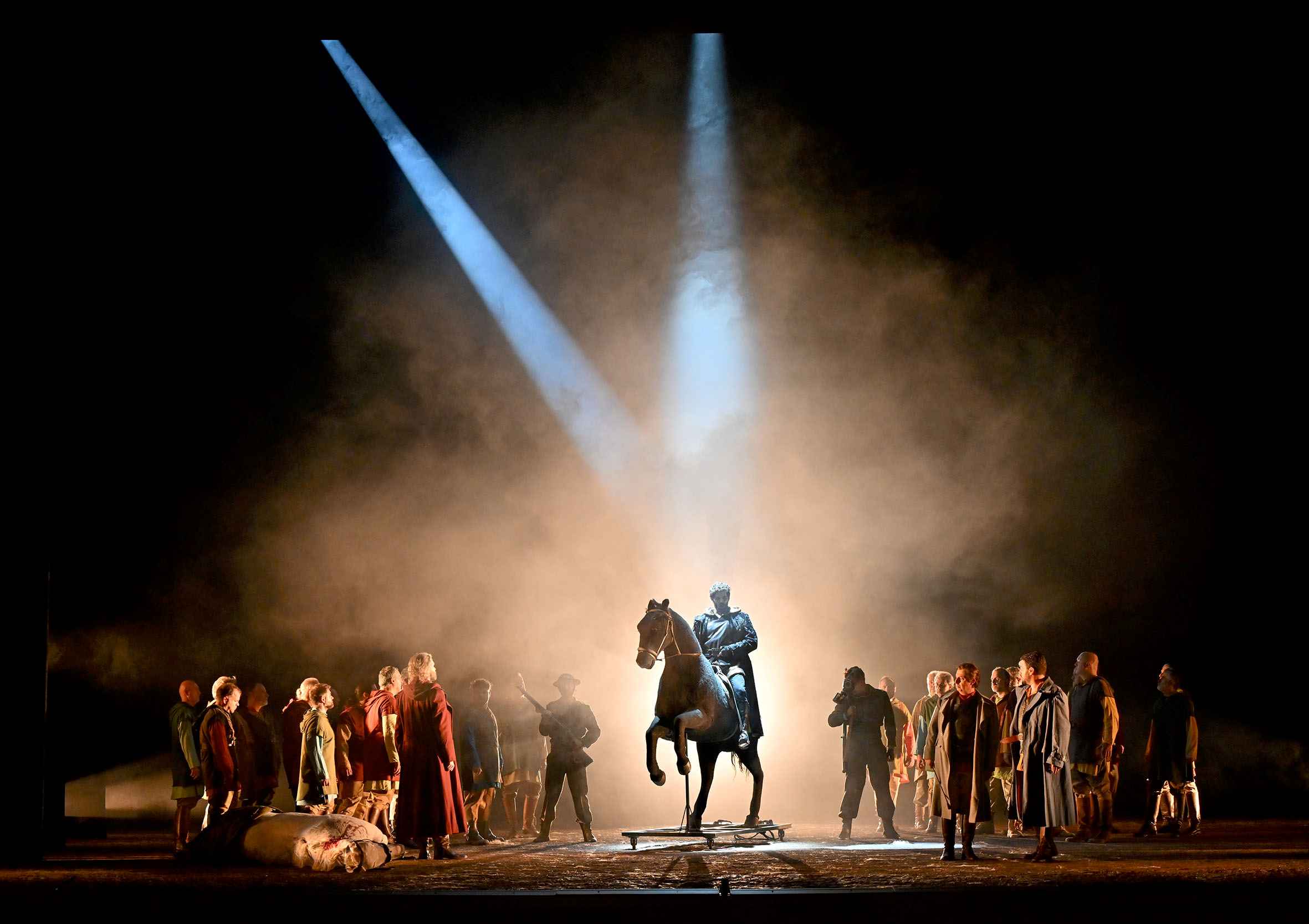
Arrigo was a much better match for Poli’s current vocal estate than the Cavaradossi I saw him sing at Macerata a few years ago. It’s a role that requires a lyrical sensibility, but also has some bigger moments. The voice is still a primarily lyrical instrument, but it does have a decent ring on top. Poli’s legato, however, is rather aspirated and I longed for him to establish a smoother line, while the tone tends to dryness. Still, he emerged from his assignment with dignity, the clarity of his diction giving much pleasure. Stoyanov’s Rolando was sung in a firm, well-rounded baritone. He made a genuine attempt to sing with a real sense of line and he brought a welcome musicality to his singing. The top does show some discolouration but emissions were always even and his embellishments to the line were always welcome.
The remaining cast reflected the admirable qualities of the festival. Fassi made a notable impression in his brief cameo as Barbarossa, singing with a plush bass with warm, generous tone. Arlene Miatto Albeldas sang Imelda in a deliciously piquant mezzo, while Alessio Verna was an extrovert Marcovaldo. In the smaller roles, I was impressed by the admirable resonance of Yang Bo’s bass, who could himself make an impressive Barbarossa in future.
This was a terrific evening in the theatre. It’s certainly the best production I’ve seen from Carrasco, whose work I’ve previously found to simply be trying too hard and overcrowding the narrative. Here, there was an admirable clarity of storytelling, even if the personenregie was relatively rudimentary. It was very well sung, with Rebeka in particular giving us magnificent vocal glamour and technical mastery in her singing. Above all, what I’ll take with me from tonight is Ceretta’s conducting, which was so invigorating and alive. I will definitely be following his career with attention. The audience responded at the close with warm applause.
 operatraveller.com
[…] In Parma, at the Festival Verdi, I was thrilled by Diego Ceretta’s conducting of La battaglia di Legnano, where he established swift tempi and encouraged ornamentation, essential in early Verdi, while […]