Wagner – Siegfried
Siegfried – Thomas Blondelle
Brünnhilde – Åsa Jäger
Mime – Christian Elsner
Der Wanderer – Derek Welton
Alberich – Daniel Schmutzhard
Fafner – Hanno Müller-Brachmann
Erda – Ulrike Schneider
Stimme des Waldvogels – Soloist of the Tölzer Knabenchor
Dresdner Festspielorchester, Concerto Köln / Kent Nagano.
Concert performance.
Philharmonie, Cologne, Germany. Thursday, April 10th, 2025.
Following their previous, and very successful, accounts of Das Rheingold and Die Walküre, which I had the pleasure of seeing in Amsterdam in 2021 and Cologne in 2024 respectively, it was time for Kent Nagano, Concerto Köln and the Dresdner Festspielorchester to move on to Siegfried. I must admit this has always been the part of the Ring that I’ve found most difficult to get on with. Previously, I’ve found it to be full of longueurs, not least in the forest scene, while the fact that so much of this work is given over to recapitulating what happened previously doesn’t always result in a riveting evening in the theatre.
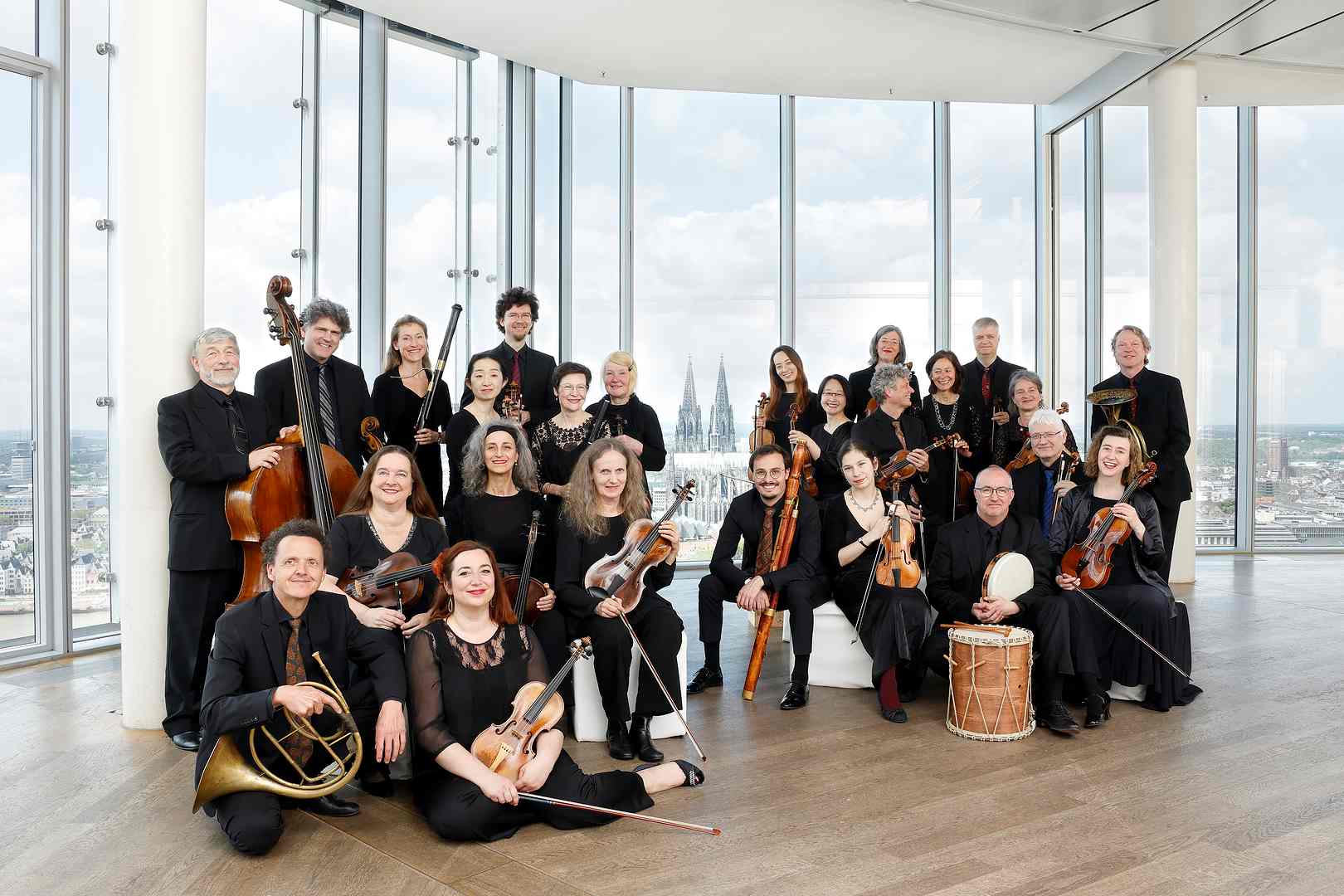
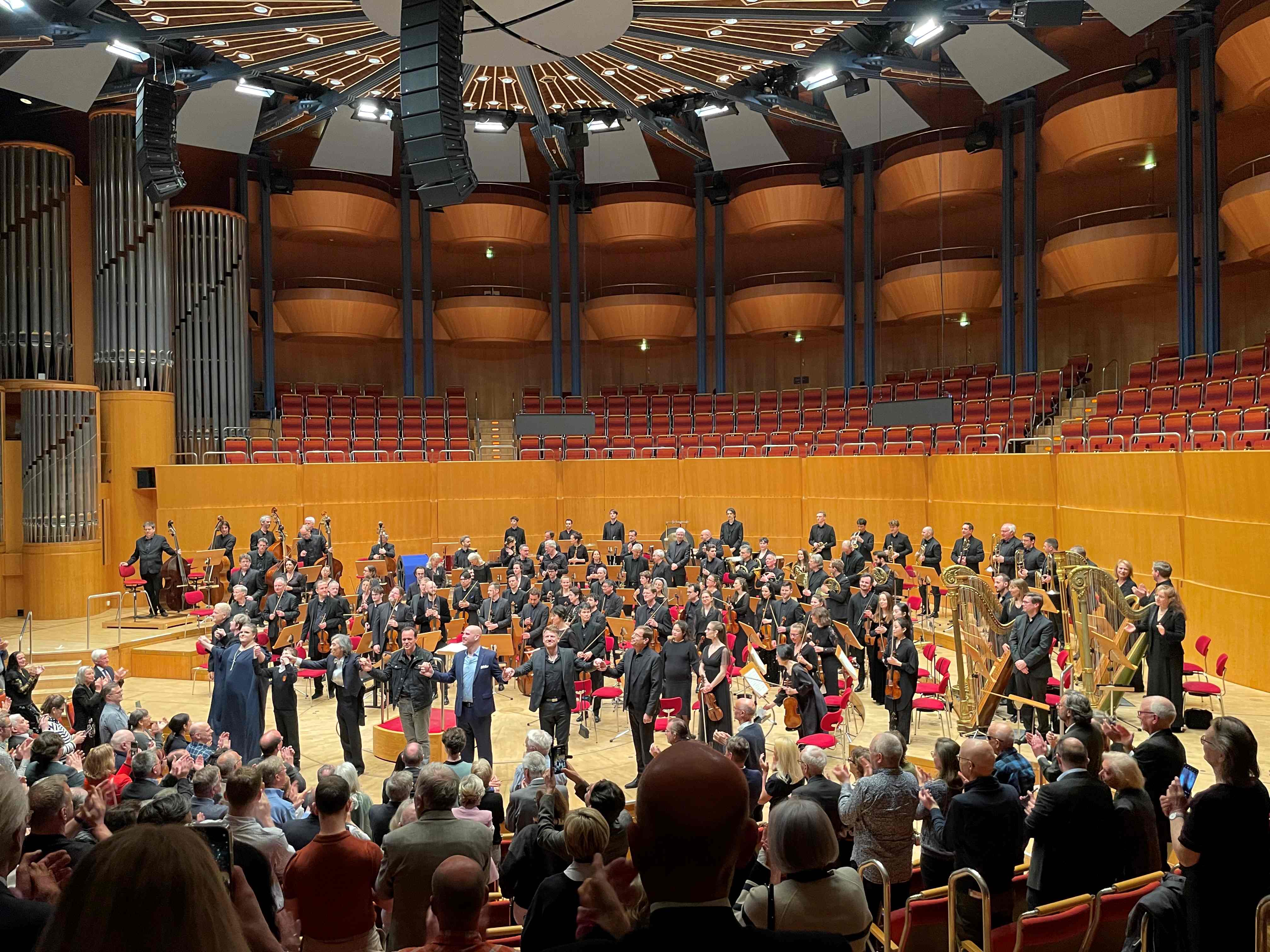
Tonight, however, was different. We were given a concert performance, with a number of the singers singing from scores at the front. That said, the characters did engage with each other, whether through gestures or by simply addressing each other, so there was a sense of added theatricality in the evening, while Thomas Blondelle’s Siegfried wore casual attire in order to illustrate his character’s rustic nature. What struck me more than in the fully-staged performances I’ve seen of the work was how the drama was pushed through in the orchestra. Without sets and costumes to distract us, those constant interpolations of leitmotifs, that tapestry of constantly-changing musical-dramatic insights, felt even more pressing, driving the drama forward. It also helped that Nagano’s tempi were generally swift, the evening coming in at around four and a half hours, with two twenty-minute intermissions.
Yet what also made the work even more cogent and compelling was the contribution of the period sonorities of the orchestras. Right from the opening measures, with nutty winds and mahogany violas, there was a sense, once again, of the years of grime being removed from this work and a chance of hearing it in its full aural splendour. Yes, there were inevitably a few split brass notes given the length of the evening and the perils of working with instruments of Wagner’s time, but generally the brass playing was excellent – indeed better than I’ve heard from some orchestras on modern instruments. The overall soundworld of the band was darker, more sepia in tint, than the brighter sound of modern instruments. Furthermore, the minimal vibrato and gut strings gave the sound a fuller depth. The way that the colours in the band, the flinting winds and those woody strings, interplayed in the forging song was really special. That said, they were also capable of considerable volume, particularly in the opening to Act 2; while at the start of Act 3, Nagano pushed the drama through, building up a storming impetus in the Wotan/Erda scene that filled it with dramatic power in a way that I have never heard it before. The strings coped well with the treacherous high writing as Siegfried approached Brünnhilde’s rock. Yes, the sound was slightly hazy, but the loving portamenti they used, combined with that minimal vibrato, was utterly captivating. Once again, Nagano and his musicians have given us a revelation in orchestral sound.

Blondelle is recognized as one of the finest character tenors before the public today, his Herodes is one of the best I’ve had the pleasure of hearing, so he was a surprising choice for Siegfried, perhaps reflecting the choice of a lighter voice for the title role. It’s true that his Siegfried was a lot more lyrical and indeed lighter than we’re used to, not always able to penetrate through the wall of orchestral sound – at least from my seat around 15 rows back from the front. That said, this isn’t a particularly voice-friendly acoustic either. Blondelle also lacks that penetrating top that the role ideally needs, not quite able to trumpet out on high in the forging song, for instance. What Blondelle did instead was the sing the role with his voice, never forcing it, always entirely aware of what his instrument is capable of. He’s a real stage animal, even in this concert setting, and though singing from a score, he used both his voice and his physicality to illustrate Siegfried’s impetuousness. An unconventional account of the role, certainly, but an interesting one nonetheless.
Derek Welton gave us a riveting account of the Wanderer’s music. His dark, resonant bass-baritone is utterly healthy in tone. Indeed, the sound is so handsome and masculine, that this has to be one of the healthiest accounts of this giant role I’ve had the pleasure of hearing. So much that Welton did was communicated through the text. Yet there was a sense of groundedness in his Wanderer, that sense of knowing that fate was fixed and that the power he once had was no longer, that made his account even more compelling – all communicated through the voice and use of text. Christian Elsner’s tenor may no longer be in the first flush of youth as Mime, but he sang his music with equal textual eloquence. While the top of the voice now needs a bit of heavy lifting to get up there and lacks a bit of spin, he got through the evening on sheer technique. Indeed, he gave us a masterclass in how to use his technique to negotiate the high-lying writing. Elsner has a professorial appointment in Karlsruhe and it’s clear that his students are in very good hands.
Daniel Schmutzhard was also a lighter-voiced Alberich than one might be used to, yet he raged passionately, his firm, compact baritone always projected through the text and never pushed further than it could go. In his relatively brief contribution, Hanno Müller-Brachmann boomed imposingly as Fafner, the darkness of the voice filling the auditorium. The Waldvogel was taken by a member of the Tölzer Knabenchor. The young man sang with real confidence, the words always clear, and coped well with the very high tessitura. Ulrike Schneider, a very last-minute replacement for Gerhild Romberger as Erda, held the stage most imposingly in her scene. Yes, the registers have parted company in her mezzo, but she sang her music with a generous chestiness and great authority. The fact that she and Welton were singing without scores reflected a deeper familiarity with their roles, which in turn brought even more dramatic insight.
Then there was Åsa Jäger’s Brünnhilde. She’s still very young but is also, without a shadow of a doubt, the owner of a magnificent natural instrument. The voice is capable of glorious amplitude, but she’s a sensitive singer and knows when to pull back and when to let her considerable instrument loose. She sang so radiantly, the voice bright yet also lyrical and able to phrase with generosity. I did feel that there’s still some work to do on the support – the voice tends to lose a little in quality as she pulls back on the volume, taking on a graininess that isn’t apparent at fuller amplitude. Jäger also knows how to use the text, caressing the words and bringing out meaning. I did regret that she didn’t hold on to her closing high C longer, I would have appreciated more of an opportunity to bathe myself in that sound. As I mentioned, she’s very young but is a major talent. I really hope that she has good people around her. There have been far too many Wagnerian shooting stars over the past few years, who have been pushed too far too soon by artist managers and intendants who don’t know how to develop voices. Jäger is most definitely a name to watch.
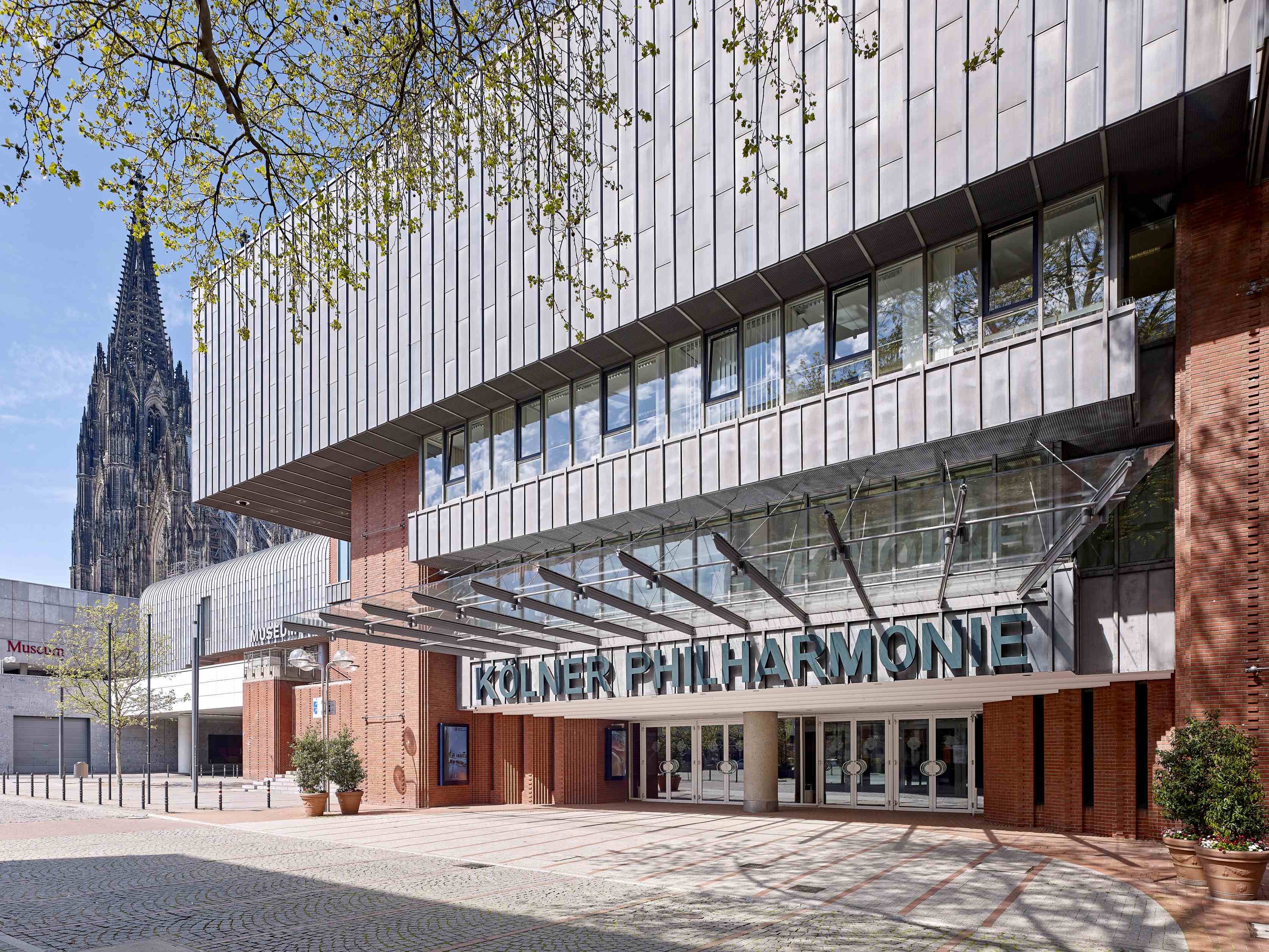
This was a revelatory evening. Nagano made this work sound more theatrical, more compelling that I’ve ever heard it before, through the seemingly unlimited palette of orchestral colour he was able to obtain from his musicians, but also in his pacing that kept the work flowing. Indeed, his tempo transitions always felt organic and natural, giving the work a logical narrative inevitability. The singing was, by and large, excellent – particularly in Welton and Jäger – while the entire cast was received most generously by the audience at the close, with particularly loud cheers for Blondelle. The Götterdämmerung is scheduled for June 4th, 2026 in Cologne and will no doubt be seen in other cities also. Most definitely a date for your diaries.
 operatraveller.com
[…] In short, a very Belgian approach. Kent Nagano and Concerto Köln continued their cycle with Siegfried, the period instruments bringing a revelation in orchestral sound. The Bologna Ring also […]