Verdi – Attila
Attila – Giorgi Manoshvili
Ezio – Ernesto Petti
Odabella – Anna Pirozzi
Foresto – Francesco Meli
Uldino – Francesco Domenico Doto
Leone – Sebastià Serra
Coro del Teatro di San Carlo, Orchestra del Teatro di San Carlo / Vincenzo Milletarì.
Concert performance.
Teatro di San Carlo, Naples, Italy. Sunday, April 27th, 2025.
This pair of concert performances of Attila, with one show this evening and another a few days ago, mark the first outings of Verdi’s opera at the San Carlo in almost twenty years. The 2006 run featured a staged production, with Samuel Ramey in the title role and Andrea Gruber (whatever happened to her?) as Odabella. The cast for this evening was something of a revolving door. Sondra Radvanovsky had been due to sing Odabella, but withdrew a few weeks ago, with Anna Pirozzi taking over in between performances of Minnie on consecutive evenings. To sing two highly demanding roles in succession is a major feat, particularly given the presumably added pressure of singing at home for Pirozzi. Furthermore, Luciano Ganci (pictured) sang Foresto in last Thursday’s performance, but withdrew this evening with Francesco Meli taking his place at short notice.

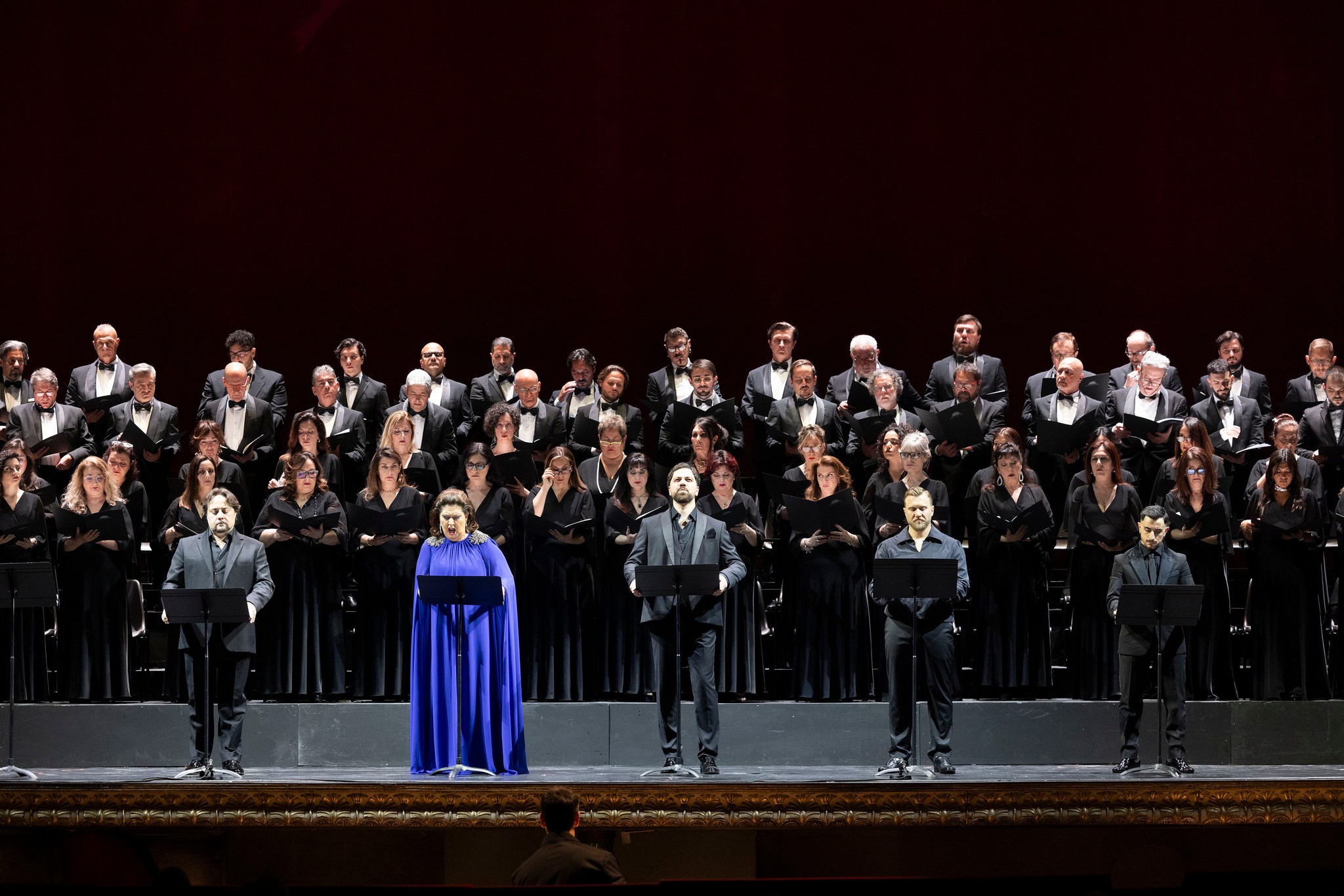
This was very much a concert performance, with the orchestra in the pit, the chorus arranged in rows on stage, and music stands for the principals to sing from at the front. There was the use of some lighting to add a little atmosphere, while the principals entered the stage to sing their music and then exited. It had clearly been efficiently organized by Paola Greco, listed in the program book as stage director. What hadn’t been as well organized was the way that the chorus rose and sat for their music. Every time they stood up and sat down was a replica of a Mexican wave. This is something that could and should have been fixed in choral rehearsals, with notes made in scores. It might sound petty to mention it, but it looked quite sloppy, particularly given the efficiency with which the principals were entered and exited.
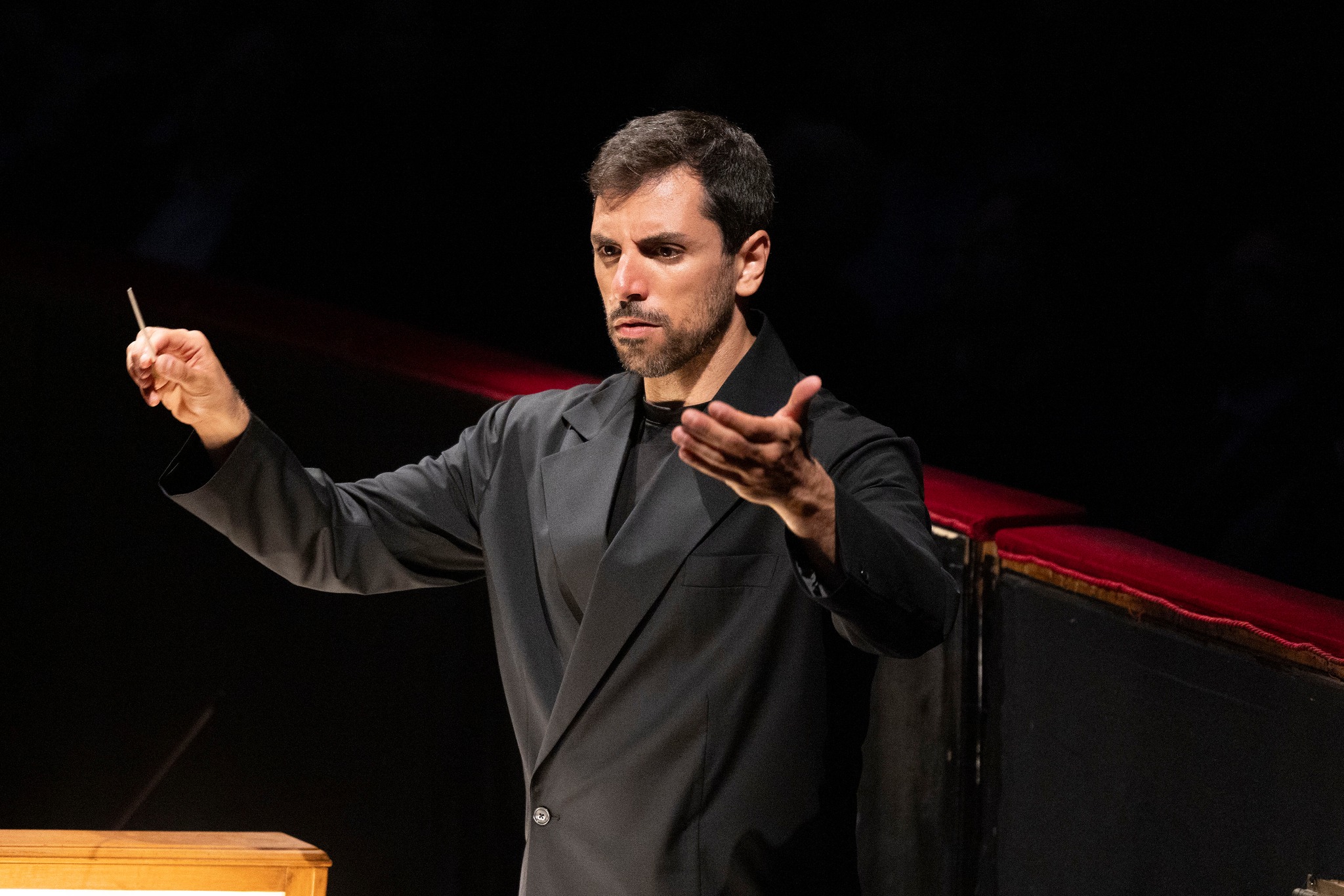
Of course, in a concert performance the focus becomes much more intense on the musical values. Having heard him lead two superb performances of Puccini operas in Milan and in Stockholm, I was very keen to hear Vincenzo Milletarì in Verdi. He was absolutely superb. His reading showed a deeply profound understanding of the idiom, ideally combining rhythmic thrust under long, cantabile lines. Indeed, the precision of the playing he obtained from the San Carlo orchestra was impeccable in its rhythmic efficiency. Yet, his reading was far from being cooly pulsating. Milletarì clearly has an outstanding ear for orchestral colour, the dawn music was rendered in such detail, with chiming winds and silky strings. Milletarì also kept his forces together throughout the evening with unfailing assurance, the off-stage banda also playing with immaculate precision. Yes, of course I’d have preferred the strings playing with minimal vibrato, and while the principals did add some very welcome embellishments to the line, I would certainly have appreciated more – but both of these are very much a matter of personal taste. The sheer cantabile beauty he brought to the strings, the warmth of the portamenti, all combined with the irresistible rhythmic impetus meant the minutes flew by and I could gladly have sat through it all again immediately.
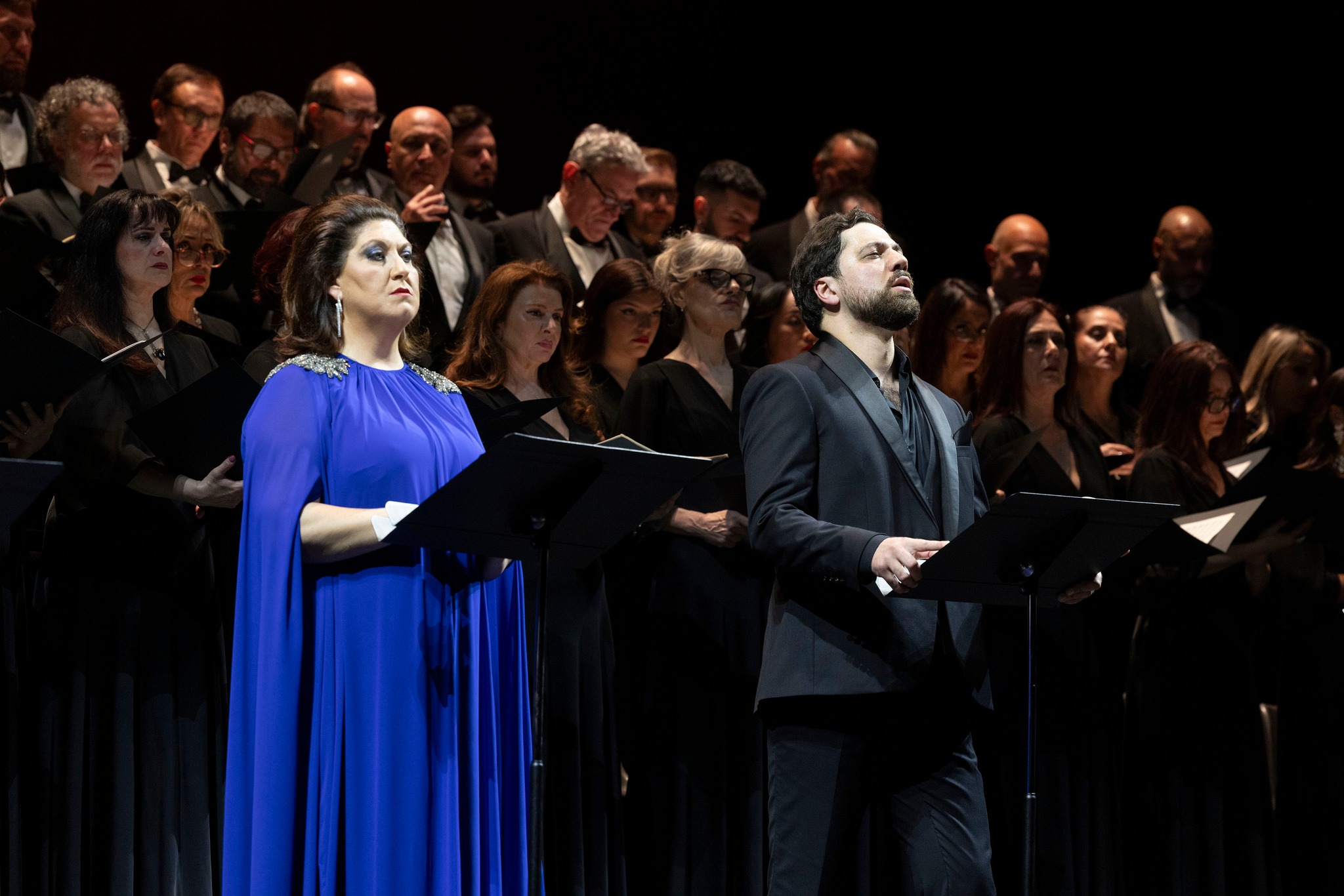
Pirozzi very much swept all before her as Odabella. In her opening scena, she raised the temperature of the evening instantly, her big high C rang through the house making everyone simply sit up and listen. Pirozzi most definitely has the measure of the role, those long florid lines were executed with effortless aplomb, her vocalism thrilling in her uninhibited virtuosity. That said, she wasn’t just about the coloratura. Pirozzi also spun long, lyrical lines with a milky-smooth legato, shading the tone with delicacy, using dynamics most intelligently. The voice has metal on top and an ability to fill the house with a steely focus. She sang for us with such generosity, while always demonstrating a consummate understanding of the Verdian style.
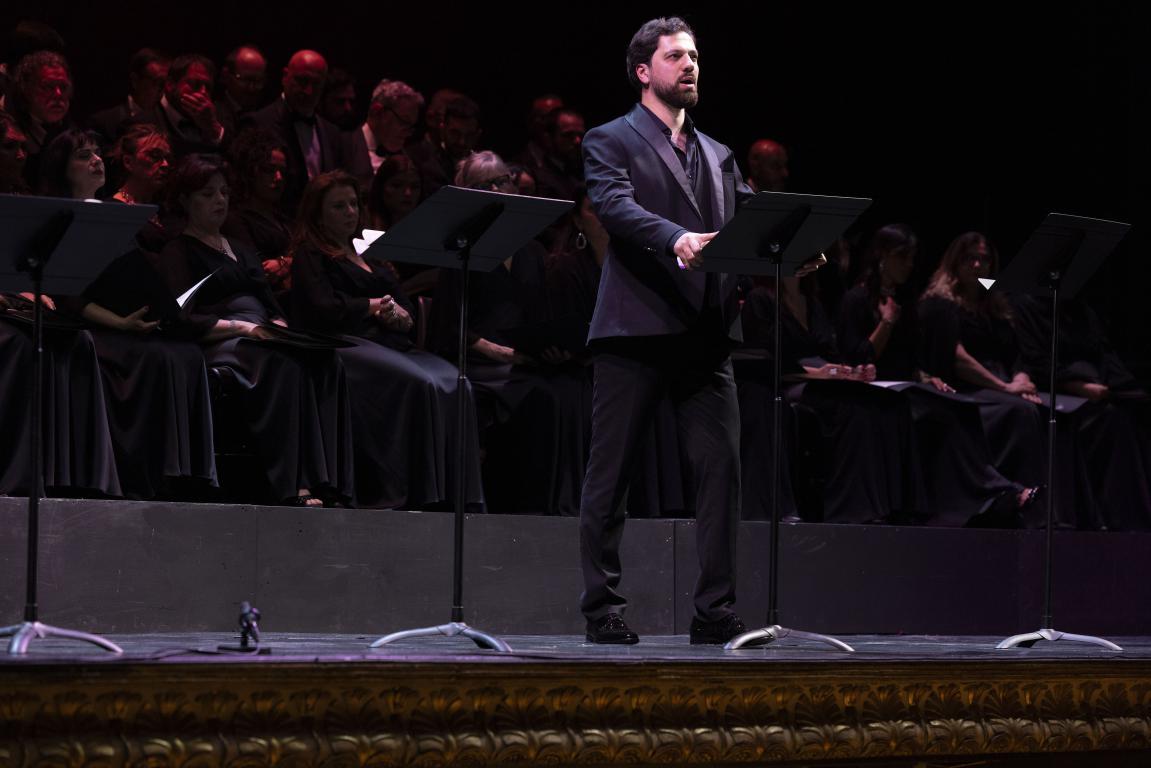
Giorgi Manoshvili brought his warm, ample bass to the title role. The sound is rich and warm although it does taper off slightly towards the bottom. He sang his big closing scene in Act 1 with extrovert smoothness of line. Compared to his colleagues, I did find his use of the text to be somewhat generic – it was certainly clear and idiomatic in approach, but it just felt that compared to his colleagues who made so much of the words, that his textual reading stayed on the surface. That said, Manoshvili is a singer of immense musicality and depth of tone and he was very warmly received by the audience at the close.
I last heard Ernesto Petti as Nabucco in Cologne back in December, where unfortunately, he wasn’t ideally helped by the difficult acoustic of the temporary theatre there. I was pleased to have this opportunity to hear him again in a more grateful venue, this time in the role of Ezio. Again, I have to admit that it sounded to my ears that the voice took a little while to get into gear – his opening duet with Manoshvili was somewhat grainy in tone, the legato aspirated. Yet, once he got to his big scene in Act 2, he was like a different singer. The aspirates pretty much disappeared, the tone firmed out, and he sang with exciting and extrovert confidence, capping his big aria with a high B-flat.
I had a quick look at operabase to see when Meli had last sung Foresto and it looks like he hasn’t in a very long time. We must be grateful, then, that he was able to step in for this performance and give such an assured account of his music. That said, while I’m grateful that Meli was able to come on, I can’t say that this role is the best match to his vocal talents. Both of Foresto’s arias lie relatively high, requiring the ability to sustain long, elegant lines. Meli’s tone has never been the most refulgent, but despite his efforts to really sustain the line, the tone at the very top sounded frayed. It certainly felt like the vocal equivalent of watching someone walk a tightrope. He blended well with his frequent colleague Pirozzi in their duets, displaying a welcome unanimity of approach to dynamics. Again, given his likely unfamiliarity with the role and the short notice of his jump-in, we should be grateful that he was able to go on.
The remaining roles were well taken, with Francesco Domenico Doto singing Uldino in a plangent, focused tenor. Indeed, I would be very pleased to hear him as Foresto. Sebastià Serra made much of his moment as Leone, singing in a warm, generous bass. The chorus, prepared by Fabrizio Cassi, offered warm, lusty singing, with the tenors and basses particularly fearless in attack. The sopranos and mezzos sang with relatively even vibrations and blend.
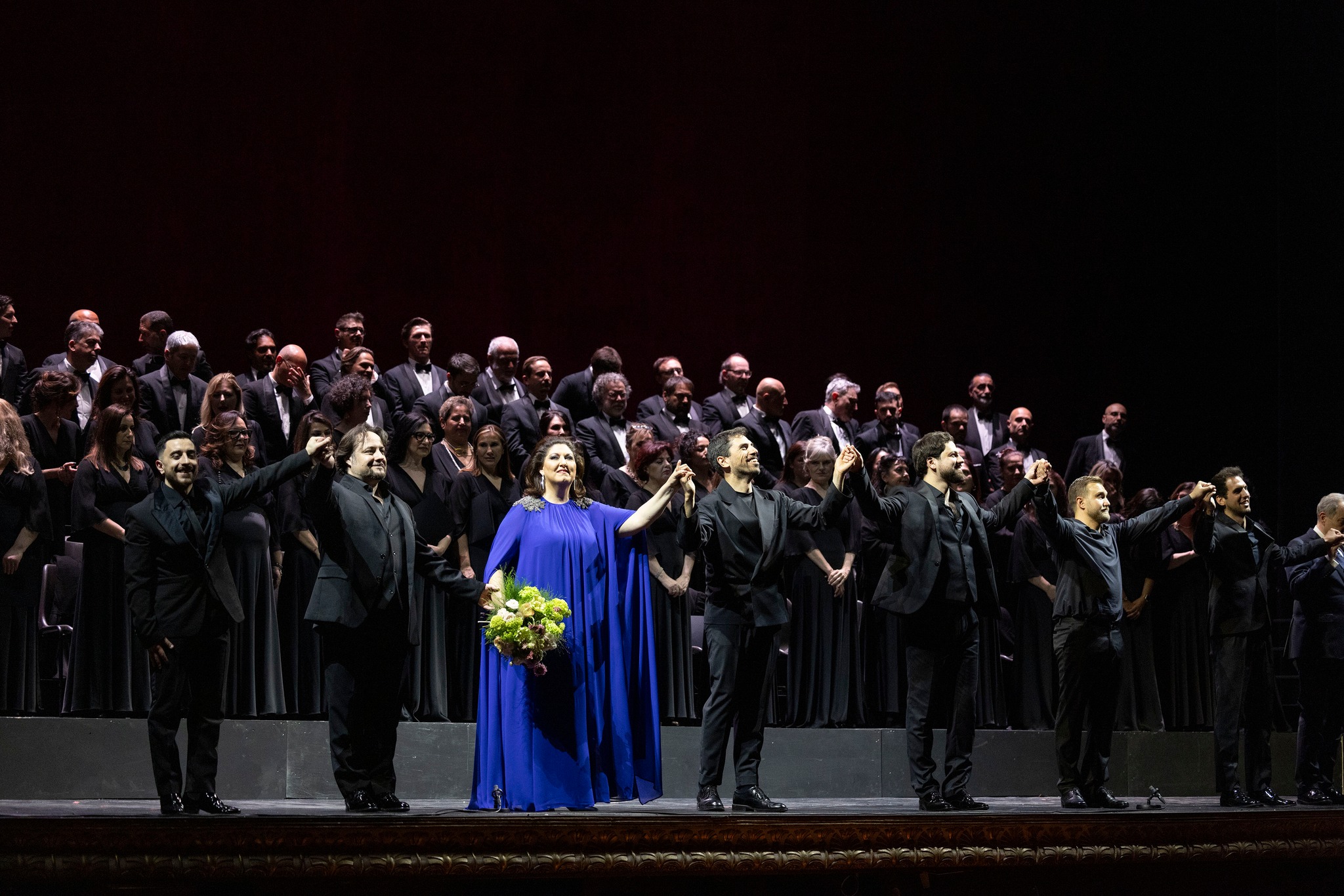
There was so much to enjoy in this concert performance of a work one gets to hear so rarely. Milletarì’s conducting ideally combined precision with lyricism, bringing a rhythmic impetus and stylistic awareness that gave an enormous amount of pleasure. Pirozzi swept all before her with a thrilling account of Odabella’s music, while Manoshvili and Petti also gave generously of themselves. The audience responded warmly at the close with substantial ovations.
 operatraveller.com
[…] made Jago utterly quotidian in his evil. In Naples, Anna Pirozzi swept all before her in Attila, conducted with real verve by Vincenzo […]