Donizetti – Roberto Devereux
Elisabetta – Roberta Mantegna
Il duca di Nottingham – Nicola Alaimo
Sara – Annalisa Stroppa
Roberto Devereux – Ismael Jordi
Lord Cecil – Enrico Casari
Sir Gualtiero Raleigh – Mariano Buccino
Un famigliare di Nottingham – Ciro Giordano Orsini
Un Cavaliere – Giacomo Mercaldo
Coro del Teatro di San Carlo, Orchestra del Teatro di San Carlo / Riccardo Frizza.
Stage director – Jetske Mijnssen.
Teatro di San Carlo, Naples, Italy. Tuesday, July 22nd, 2025.
It’s quite rare that one has the opportunity to see the same production in a different theatre within just over a month. That was the case this evening with this chance to revisit Jetske Mijnssen’s staging of Roberto Devereux, which I saw in València last month, tonight at the Teatro di San Carlo, with an almost entirely Italian cast. This was the final performance in what turned out to be a run of three, since the fourth performance, scheduled for Friday, was cancelled. There was also a cast change, with the originally-scheduled Rene Barbera being replaced by Ismael Jordi in the title role, who I also saw in València.
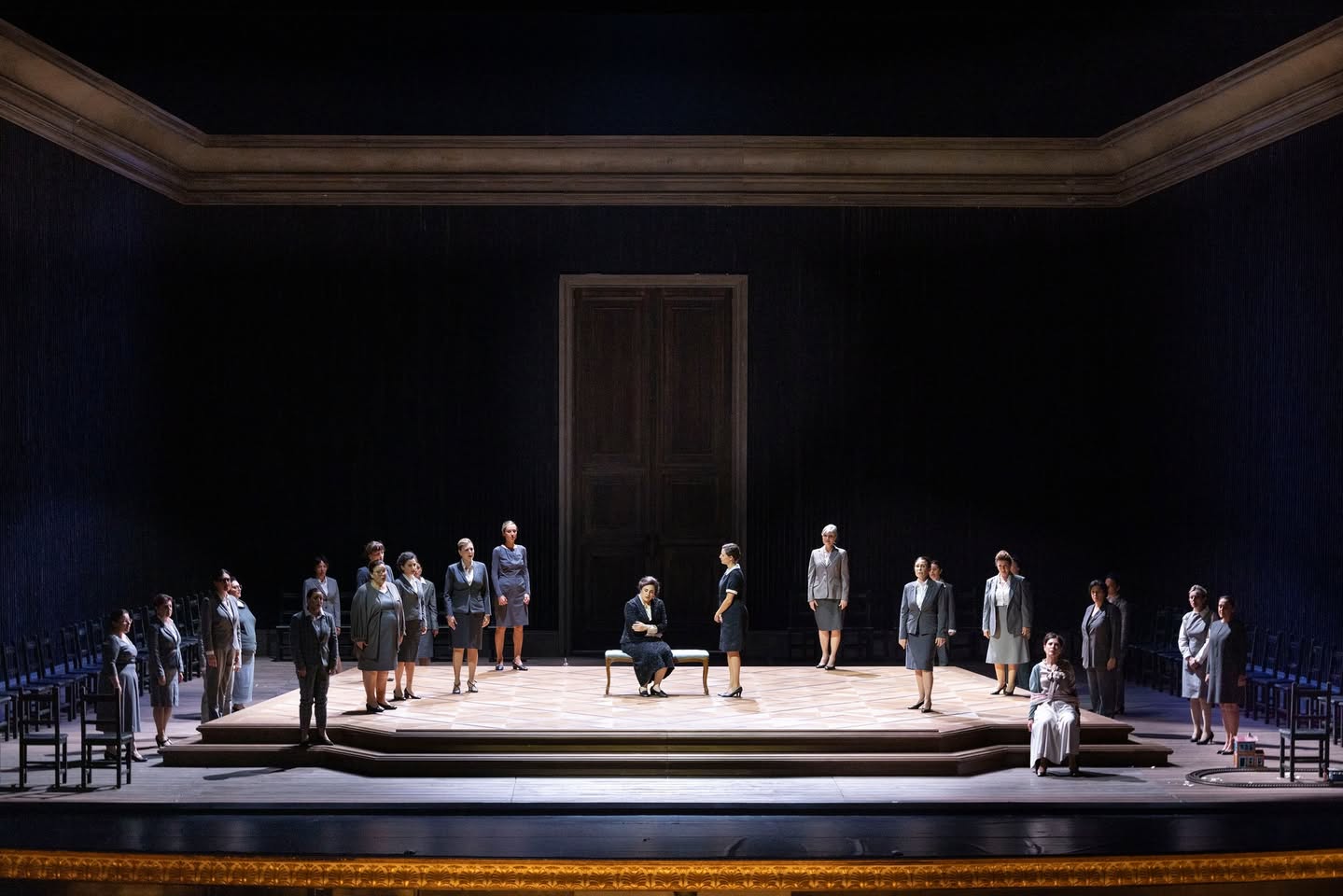
I discussed Mijnssen’s staging at length last month and so I don’t have a huge amount to add subsequently. What struck me the most tonight is how perfunctory Mijnssen’s personenregie is. Far too often, characters were left to simply emote, arms aloft, to the front, barely engaging with each other. There was very little sense of a group of characters engaging with each other, the passions under the surface felt barely explored. Frankly, we could have done without the sets and costumes and performed it in concert and there wouldn’t have been much difference. Yes, Mijnssen gives us an intriguing stage picture in Devereux’s big Act 3 scena, which he sang with both the Queen and Sara on stage, perhaps aiming to remind us of the human implications of these personal relationships. And yet, I was unable to shake this impression of a show that had been barely directed. Perhaps, due to the short run and the fact that the sets were coming from the other side of the Mediterranean, the rehearsal period had been curtailed.

That sense of routine, was also present in the musical aspects of the evening. Riccardo Frizza is an experienced Donizettian and I had high hopes for his account of the score after seeing him conduct it in Bergamo last year. It was a very hot and humid day in Naples, so this might explain why the intonation of the San Carlo strings was not for those of a sensitive disposition in their contributions to the sinfonia. The positive is that they did settle down quickly, and found the core of their tuning a couple of numbers in. What did strike me was the quality of the brass and wind playing. The trumpets had a very piquant sound, one that was rather distinctive, while I found the wind playing to be particularly eloquent. Frizza’s tempi were sensible on the whole, never unduly slow, but always giving his singers space to phrase their long, bel canto lines. Perhaps I did have a sense that he let the tension drop a little in the slower sections of the final scene, but he phrased Devereux’s big Act 3 scena with a wonderfully flowing tempo.
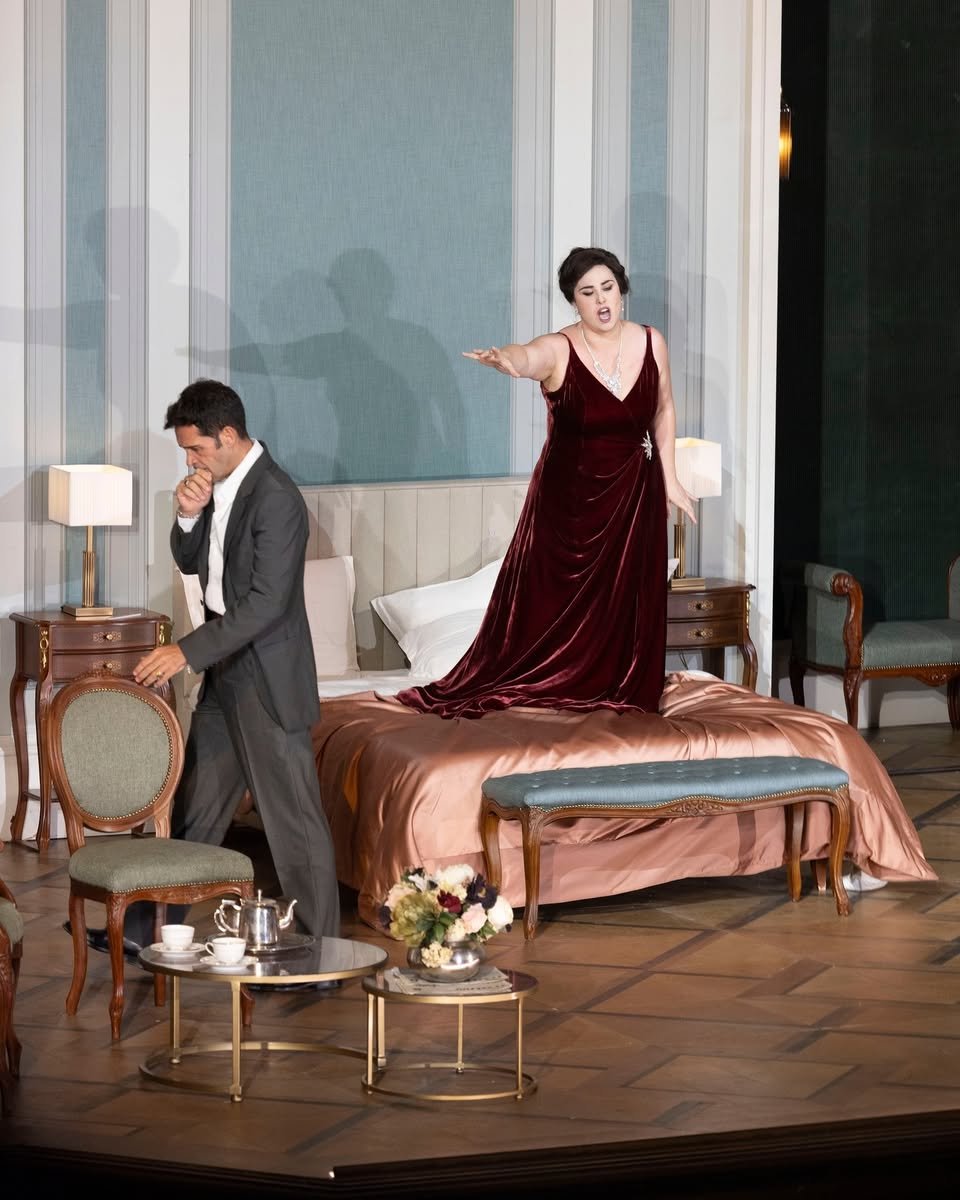
Roberta Mantegna took on the role of Elisabetta. It’s somewhat unfortunate for Mantegna that I saw Eleonora Buratto in the same role last month, since tonight very much reinforced the difference between watching a good singer and a truly great one. Mantegna clearly has all the bel canto tools at her disposal – long eloquent lines, an ability to turn the corners, and she capped the evening with a thrilling high D in the final scene. I had a sense of watching a diligent artist, with a warm voice of genuine pulchritude, singing a role for which she had prepared herself well. And yet what I missed was that ability to transform the notes on the page into a thrilling dramatic experience. That difference between singing the notes and words on the page and living them. The quality of Mantegna’s vocalism was absolutely not in doubt, even if the very top lacks the ultimate degree of spin, although she has a rich chestiness, and she gave so generously of herself. Hers was most definitely a competent and convincing reading.
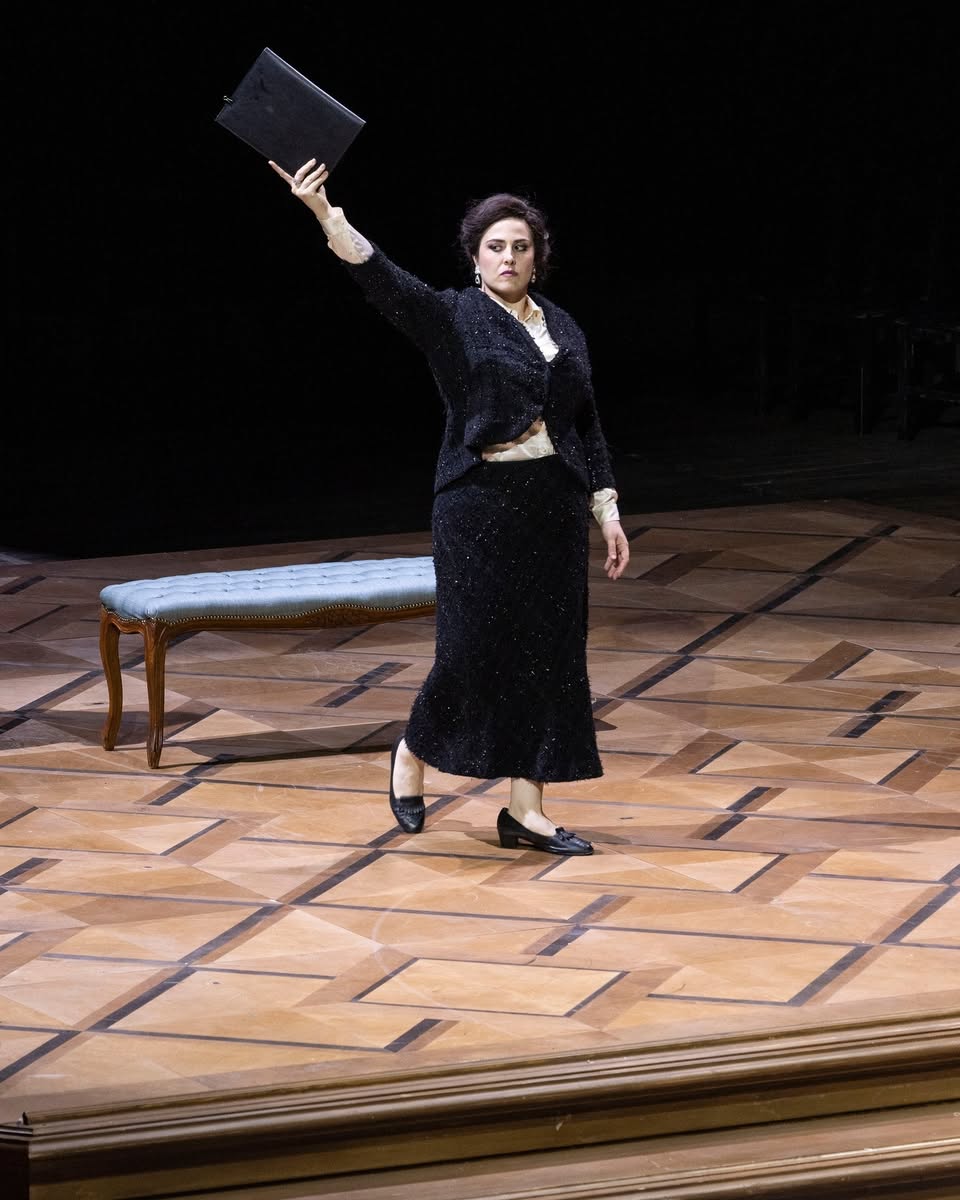
As with the orchestra, Annalisa Stroppa took a little while to find the core of the note as Sara. Her intonation in her opening scene had a tendency to dwell to the south of the pitch and throughout the evening intervals weren’t always judged completely cleanly. Still, she grew to a thrilling account of her confrontation with Nottingham in Act 3, singing with uninhibited passion, throwing caution to the wind by interpolating acuti that took her right to limit of her range. It was undoubtedly exciting, even if the registers were not quite ideally integrated. Nicola Alaimo brought a profound understanding of the style to the role of Nottingham. Indeed, of all the principals, his was the account of his role that I found to be most engaging. Yes, the voice is rather grainy and thins out towards the top, but he filled his music with emotion, using the text to portray Nottingham’s journey from friendship to vengeance.
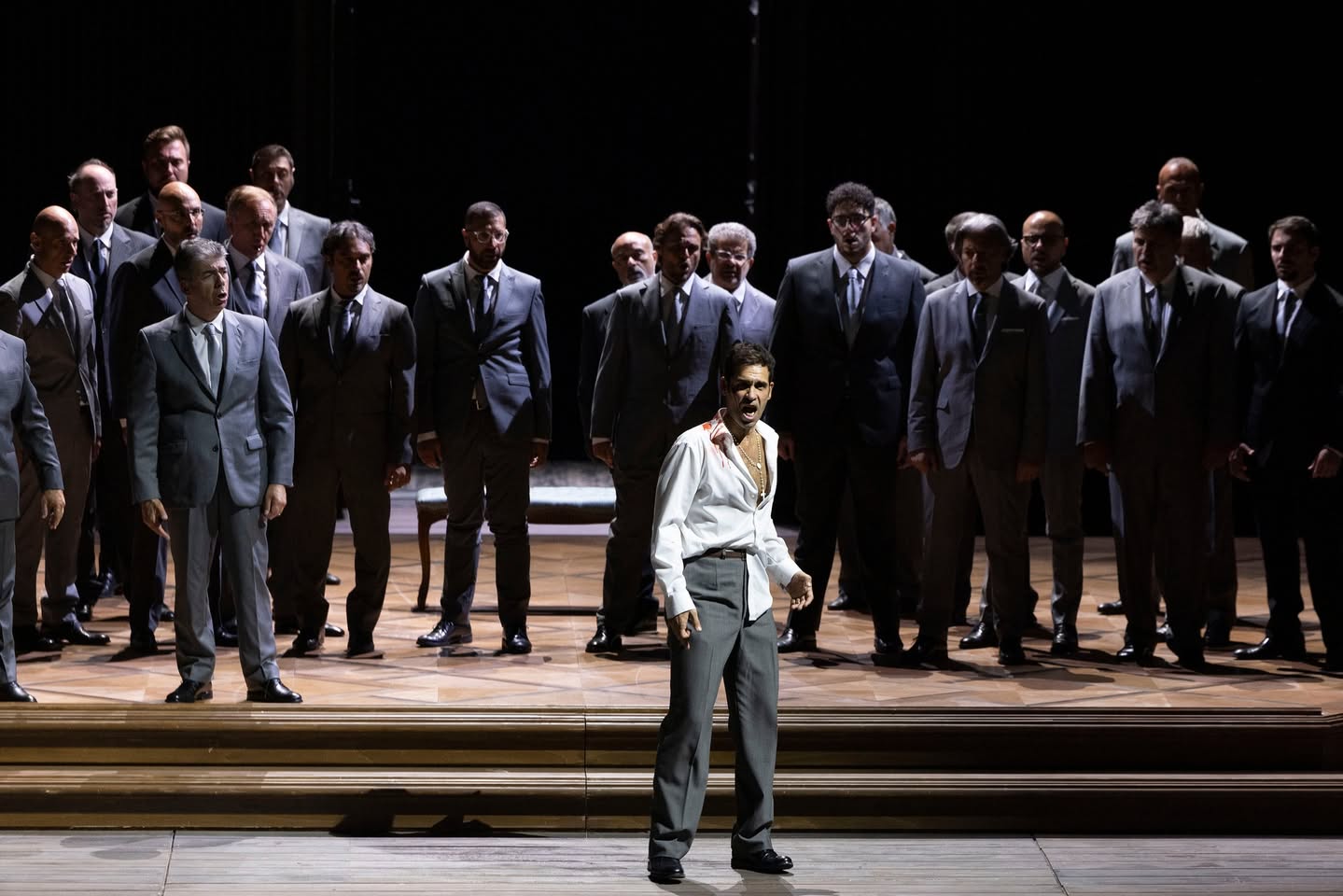
Jordi’s Devereux was sung in his familiar sunny tone, the lines long and well supported. He gave a creditable account of himself, the support seemingly better integrated than it was last month. The remaining roles reflected the quality one would expect at this house. Enrico Casari sang Lord Cecil in a ringing, extrovert tenor. Ciro Giordano Orsini demonstrated a handsome baritone in his very brief contribution as the Famigliare di Nottingham. The chorus, prepared by Fabrizio Cassi, sang with an appropriate unanimity of approach.
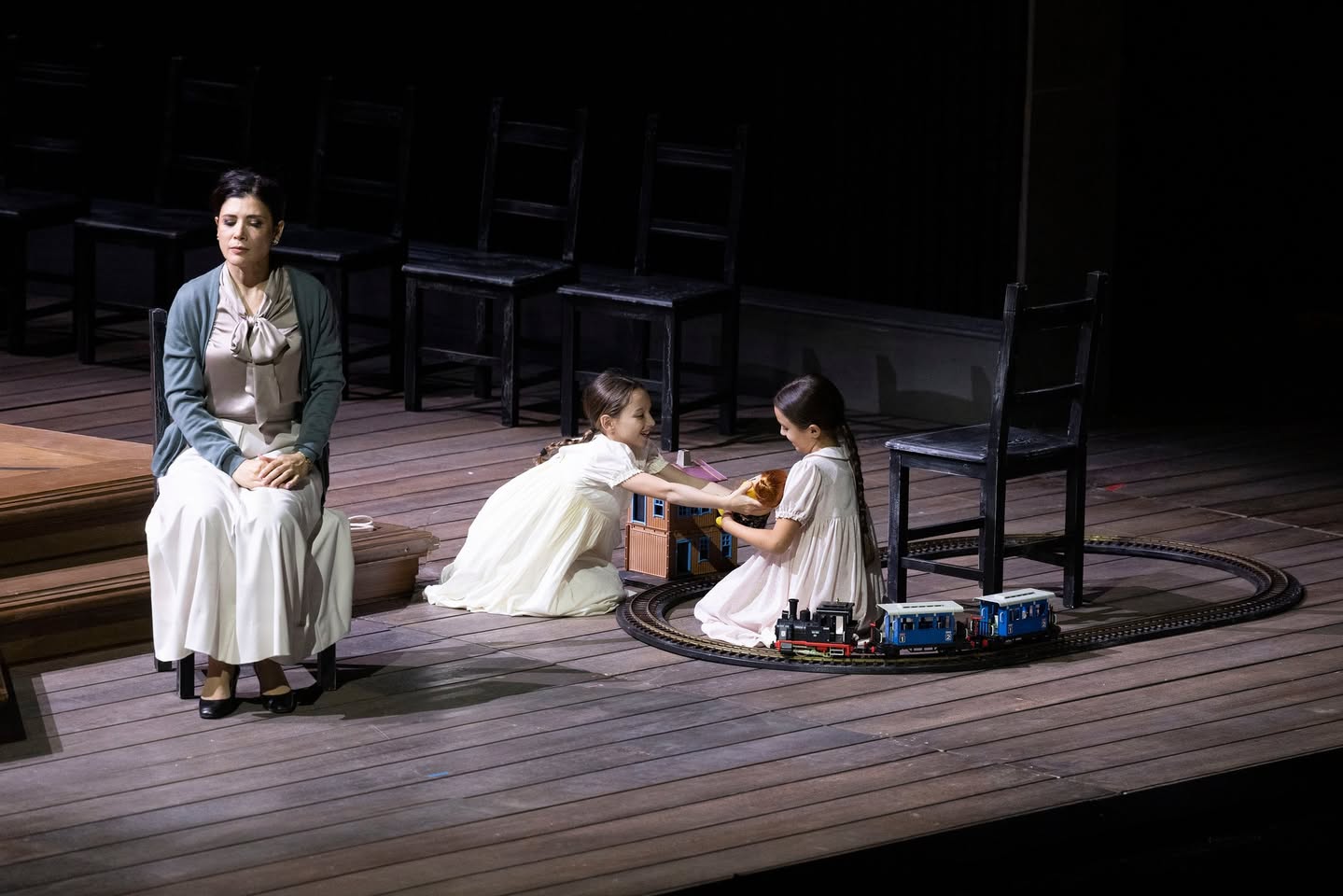
There were certainly some invigorating elements to this evening’s Roberto Devereux: Alaimo’s stylistic understanding, Mantegna’s exciting final scene, and the excellent wind and brass playing. Frizza’s conducting also demonstrated a singer-friendly approach. Yet, ultimately this was an evening that felt rather routine. From Mijnssen’s perfunctory personenregie, to the relative lack of detail in the individual assumptions, perhaps it was simply as a result of the heat, but the evening as a whole felt earthbound. Still, it was generously received by the San Carlo audience who greeted Alaimo, Stroppa and, in particular, Mantegna with generous cheers at the close.
 operatraveller.com
[…] by Silvia Tro Santafé who was unflinching. Roberta Mantegna sang with generosity in Naples, accompanied by a solid cast. In Turin, an Elisir d’amore reminded us what a superb talent […]