Bizet – Les Pêcheurs de perles
Leïla – Hasmik Torosyan
Nadir – Javier Camarena
Zurga – Lucas Meachem
Nourabad – Liu Huigang
Coro del Maggio Musicale Fiorentino, Orchestra del Maggio Musicale Fiorentino / Jérémie Rhorer.
Stage director – Wim Wenders.
Maggio Musicale Fiorentino, Florence, Italy. Sunday, September 21st 2025.
The program book for this run of Les Pêcheurs de perles at the Maggio Musicale Fiorentino revealed that this is only the second time that this eminent theatre has performed the work. The first was a decade ago. It was a good choice for the house to engage Jérémie Rhorer, one of the finest conductors of French opera, to lead the run, while they imported Wim Wender’s production from the Staatsoper Berlin. Of course, Javier Camarena and Lucas Meachem are known quantities, though I must admit that the Leïla, Hasmik Torsyan, is a new name to me.
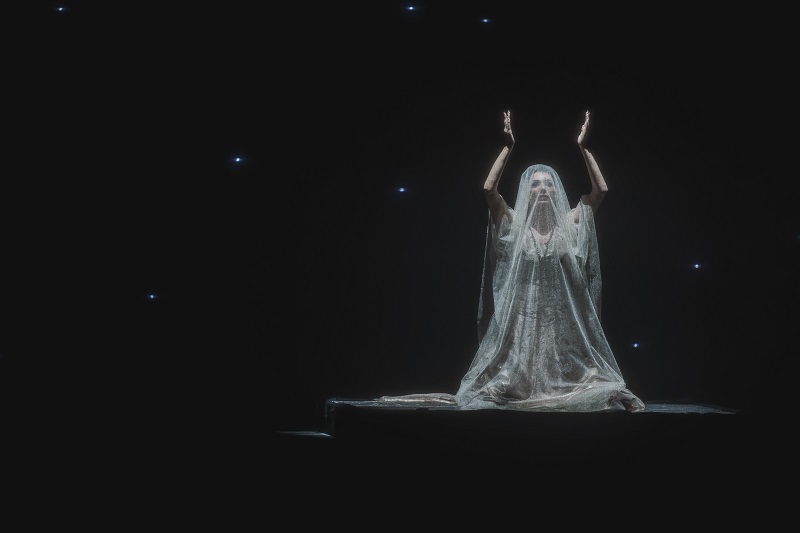
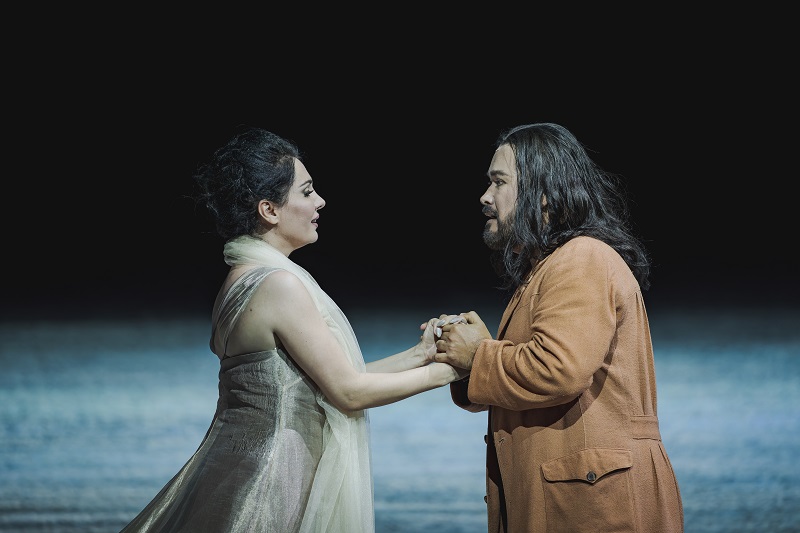
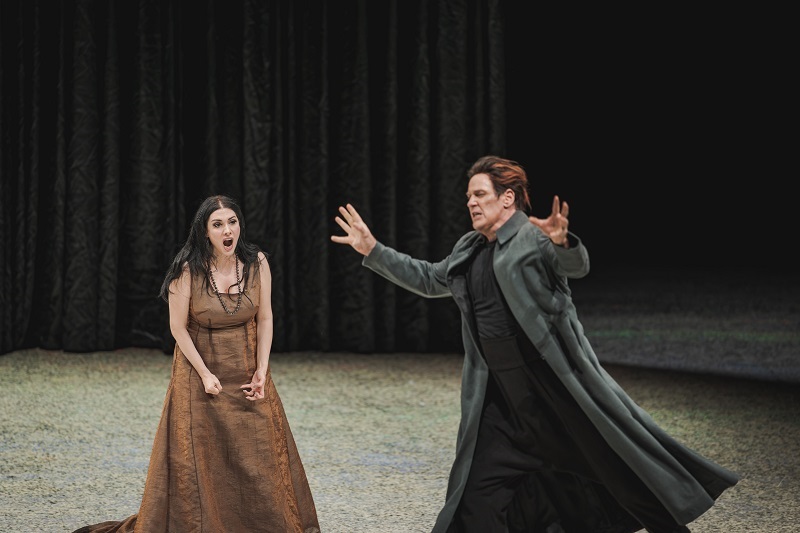
In common with last night’s Tosca in Naples, this staging of Pêcheurs is the work of a celebrated film director moving into opera, with the production revived tonight by Derek Gimpel. Fortunately, it’s more successful, although not without some issues. Perhaps understandably, Wenders makes use of video to set the scene and places the action instead on a relatively barely stage, with only some black drapes at the back to set atmosphere. This meant that a front curtain frequently provided visual insight – generally through images of a surging sea, through which we could see the protagonists, and giving a sense of the principals and chorus as being part of the water. It was certainly visually interesting. Later in the evening, during the Leïla/Nadir duet in Act 2, the drapes blew around as if to suggest the impending punishment that would castigate the pair. It all made for an interesting visual framework.
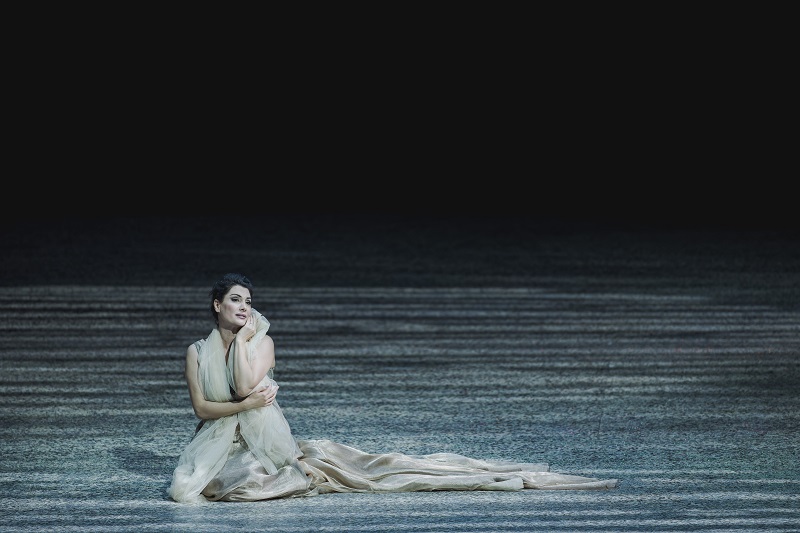
And yet, Wenders’ lack of experience in the operatic form was perceptible through the way that the chorus was under-directed, frequently parked on stage as a block to gesticulate to the air. Since the stage was surrounded by drapes, there was no acoustic support for the singers. Fortunately, the stage direction had the principals situated at the front for the most part, to ensure maximum audibility. That said, I did wish that the chorus had been brought further forward for their big moments, even from a relatively recessed position they made a thrilling sound. The direction of the principals was also relatively perfunctory, with frequent hands being held out to the front to denote the importance of the moment. Still, there was at least a sense of characters engaging with each other and telling us a story, which is something to appreciate.
Musically, this was an evening that showed the house forces at their very best. Lorenzo Fratini’s chorus had a terrific evening. The discipline of their singing was outstanding, the accuracy of pitching in the off-stage chorus that opens Act 2 was spot on, while the sopranos gave us some delectable soft singing elsewhere. The tenors were absolutely solid in tone, shining out of the textures. The corporate sound was big and warm, yet without the war of vibratos so many other choruses subject us to. Similarly, their colleagues in the pit were on excellent form for Rhorer. He accompanied ‘au fond du temple saint’ with silky strings, sparkling harp and the orchestral sound grounded in a rich bass. The wind playing was also full of eloquence, particularly the solo cor anglais full of sheer poetry and the horns were on their best behaviour in ‘comme autrefois’. Throughout he brought an exquisite ear for orchestral colour and melody, that he communicated to the band and they were responsive to. Rhorer brought his customary rhythmic sensibility to the dance music, but also gave the principals room to phrase their long, languid lines with easy beauty. Rhorer’s tempi were ideally chosen throughout.
As I mentioned above, Torosyan is a new name to me and she’s an interesting talent. The voice is slender, yet still manages to carry, and she has a limpid line with impeccable breath control. She also made a decent stab at a trill. Torosyan wasn’t afraid to resort to some generous chestiness to make a dramatic point. When singing legato, she did have a tendency to swallow the words, which robbed her singing of impact. She was also generally consistent in her tuning, but there were a few moments where intervals were not quite judged cleanly. The voice also tended to lose the core of the tone when she pulled back on the dynamics higher up. Still, she’s a very committed singer and actress and there was a lot to appreciate in her elegant legato and long lines.
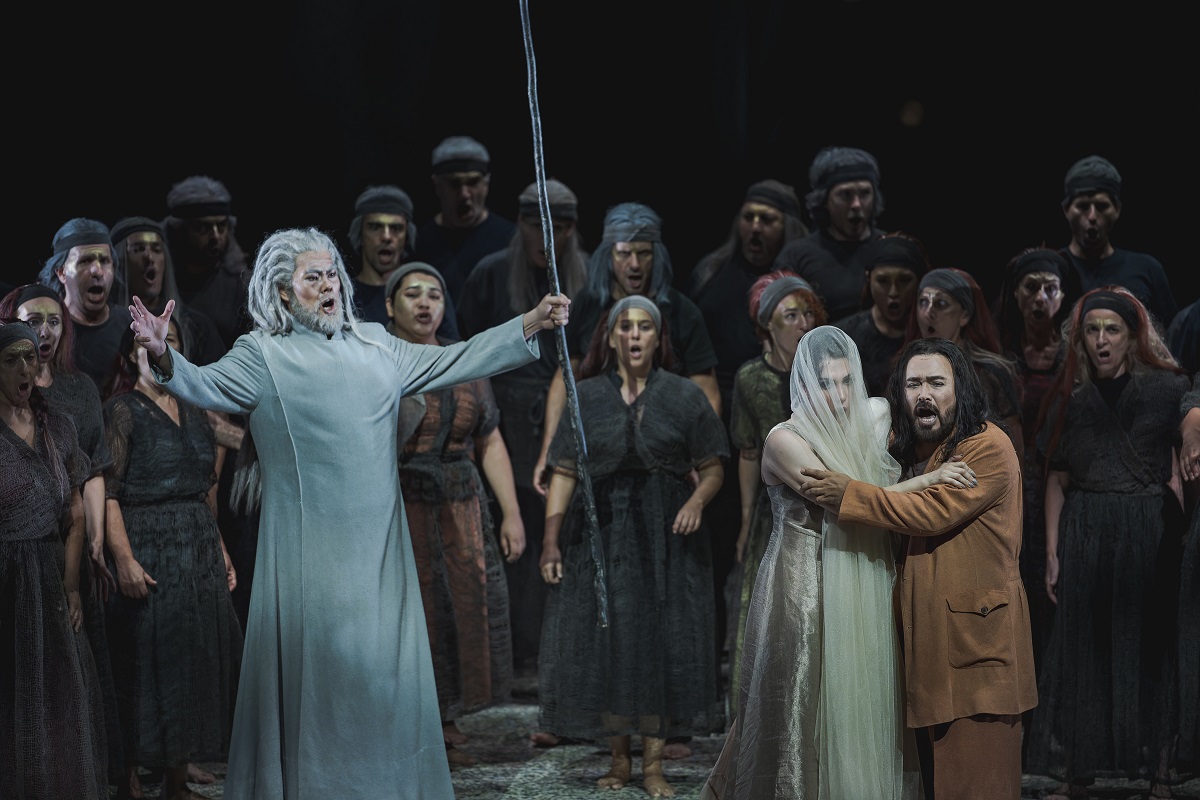
Camarena took, to my ears, a few moments to find his very best form. The start of ‘je crois entendre encore’ was ever so slightly lumpy, but then he found his groove and dispatched the rest of the number in long, eloquent lines, with an impeccable use of voix mixte, sustaining the quiet dynamics with poise while still being able to be heard throughout the house. Indeed, his contribution to ‘that’ duet was simply glorious, helped by the ravishing sounds from the pit, the voice soaring over the band so well placed and forward, that it was impossible not to be moved. His sung French is very good, filling every word with meaning. I must admit that he has my sympathy with the rather dreadful wig he had to wear, but he threw himself into the staging with generosity.
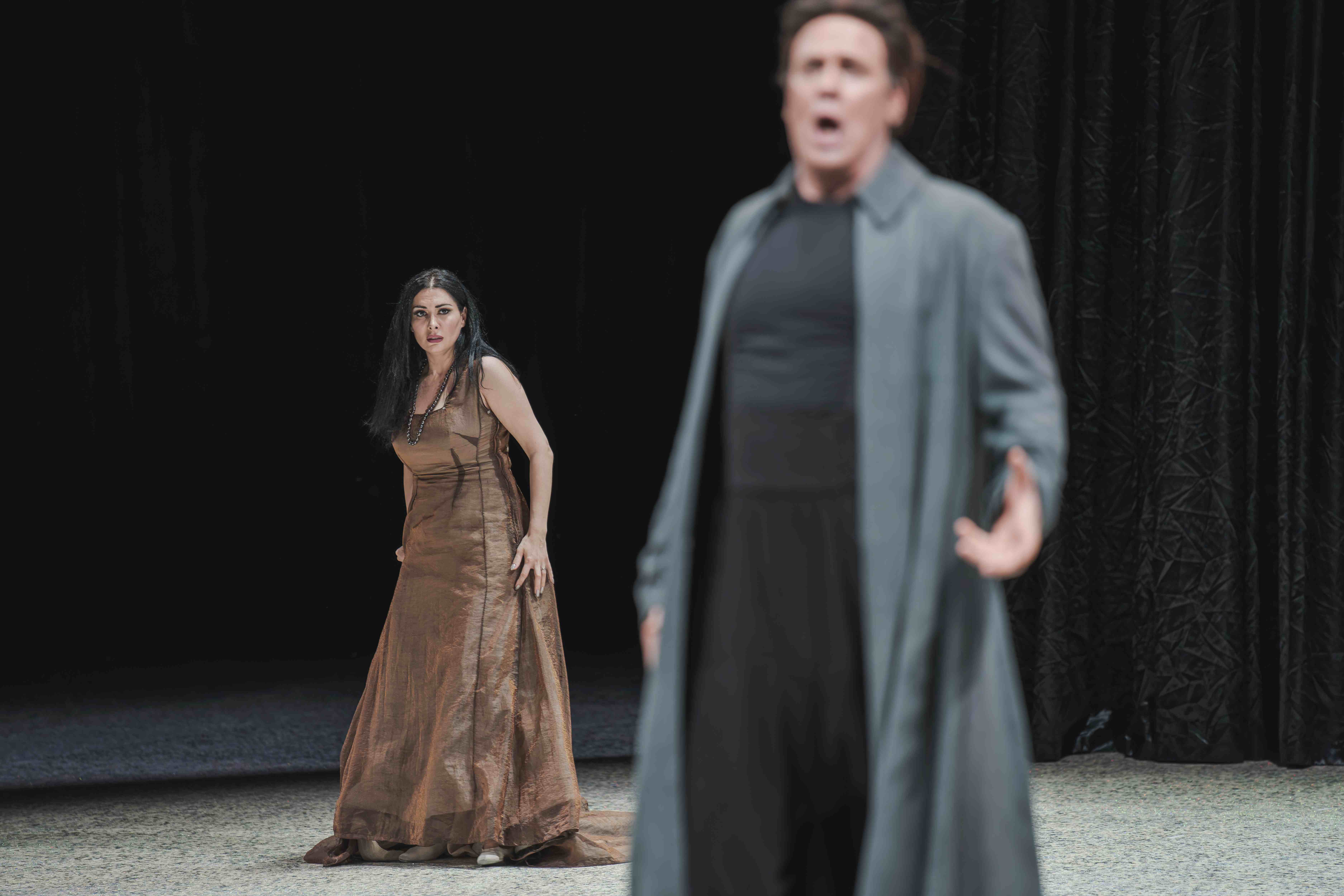
Meachem has grown significantly as a singer over the past few years and his Zurga is very much a sign that he has arrived. The voice was in fabulous shape today, focused and healthy, even from top to bottom. He was capable of some impressive amplitude and Meachem was equally fearless at the top of the voice, ringing out into the house with visceral energy. He also sang in very comprehensible French, giving us a sense that he was utterly engaged in what he was singing. I’m very much looking forward to seeing him take the next step in his career as he takes on those bigger roles. Liu Huigang gave us a lugubriously sung Nourabad, although his French was somewhat exotic in fragrance.
There was much to enjoy in this performance of Pêcheurs. Yes, Wenders’ staging did feel under-directed, but it at least gave us a sense of interaction between the principals and ensured they were optimally audible by ensuring optimal stage placement. Musically, it really did show this house at its very best, with superb orchestral playing and choral singing, while Rhorer’s conducting was very well judged. The singing from the principals also gave a great deal of enjoyment. The audience responded at the close with generous cheers.
 operatraveller.com
Thank you, I enjoy your reviews!Will you be