Donizetti – Caterina Cornaro
Caterina Cornaro – Carmela Remigio
Andrea Cornaro – Fulvio Valenti
Gerardo – Enea Scala
Lusignano – Vito Priante
Strozzi – Francesco Lucii
Mocenigo – Riccardo Fassi
Un cavaliere del re – Francesco Lucii
Matilde – Vittoria Vimercati
Coro dell’Accademia Teatro alla Scala, Orchestra Donizetti Opera / Riccardo Frizza.
Stage director – Francesco Micheli.
Festival Donizetti Opera, Teatro Donizetti, Bergamo, Italy. Friday, November 14th, 2025.
There was a most festive atmosphere at the Teatro Donizetti tonight for this evening’s opening of the 2025 edition of the Festival Donizetti Opera. November in Bergamo, Donizetti’s home town, is always a destination for international music lovers. Caterina Cornaro is very much a rarity in the Donizetti canon, tonight given in a new critical edition by Eleonora Di Cintio and published by Ricordi, with the staging a coproduction with the Teatro Real. This evening served to remind us of the importance of this festival in allowing us to hear rare Donizetti at the highest levels of musical preparation, with the musical direction under that of the festival’s chief, Riccardo Frizza.
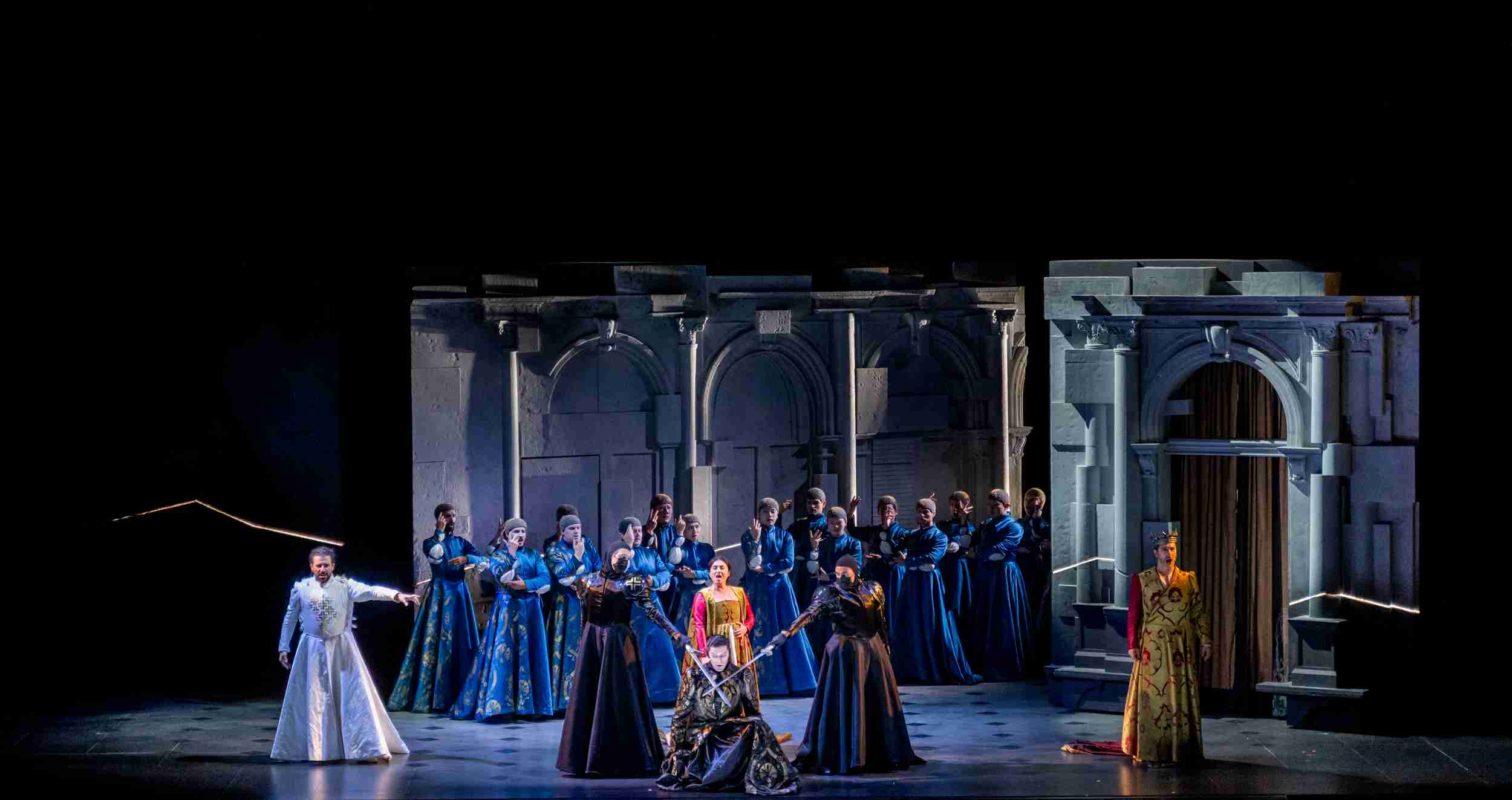
Caterina Cornaro was Donizetti’s final stage work to be premiered during his lifetime, yet he wasn’t present for the rehearsals in Naples, which meant that consequently he was unable to make the kind of final adjustments to the work that might have further strengthened it. That isn’t to say that that it doesn’t contain some terrific music. Caterina’s opening scena contains a real showpiece for the soprano, with long legato lines and the ability to demonstrate all the bel canto facilities of coloratura and trills. There’s also a terrific duet for the tenor and baritone and a conspirators’ chorus that certainly deserves to be better heard. Indeed, there’s an adventurousness to Donizetti’s harmonic language here that feels incredibly forward looking. While there are the aforementioned big numbers, the work also contains long stretches of declamatory music that require a firm hand on the tiller to keep it moving. The plot, a fictional interpretation of the real-life figure of the Queen of Cyprus, Caterina Cornaro, is very much of the soprano loves the tenor, Gerardo, but has to marry the baritone, Lusignano, for matters of state, while the bass, Mocenigo, plots to put a spanner in the works to exploit his power. This critical edition ends with the alternative finale, where Caterina mourns Lusignano, while hearing of Gerardo’s demise in battle.
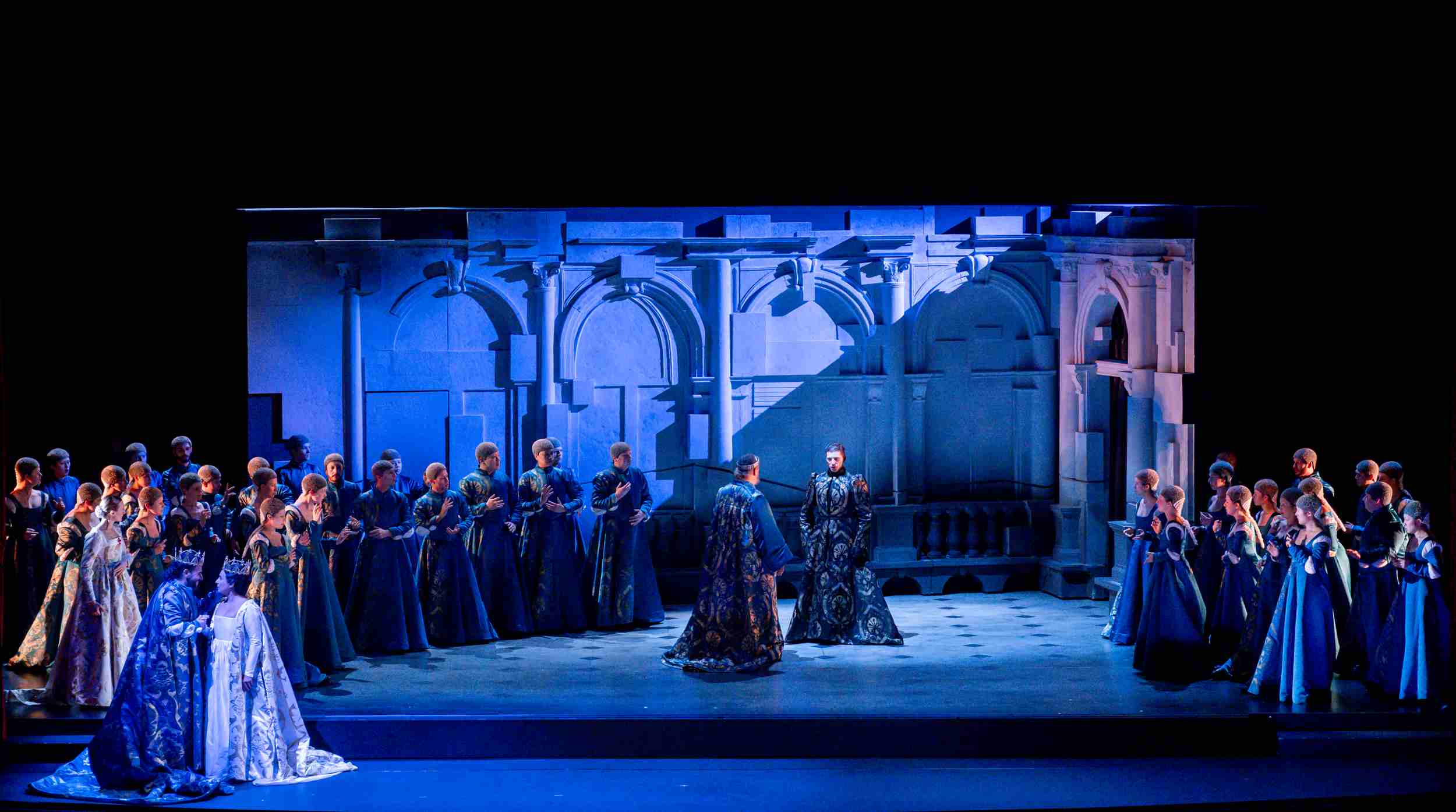
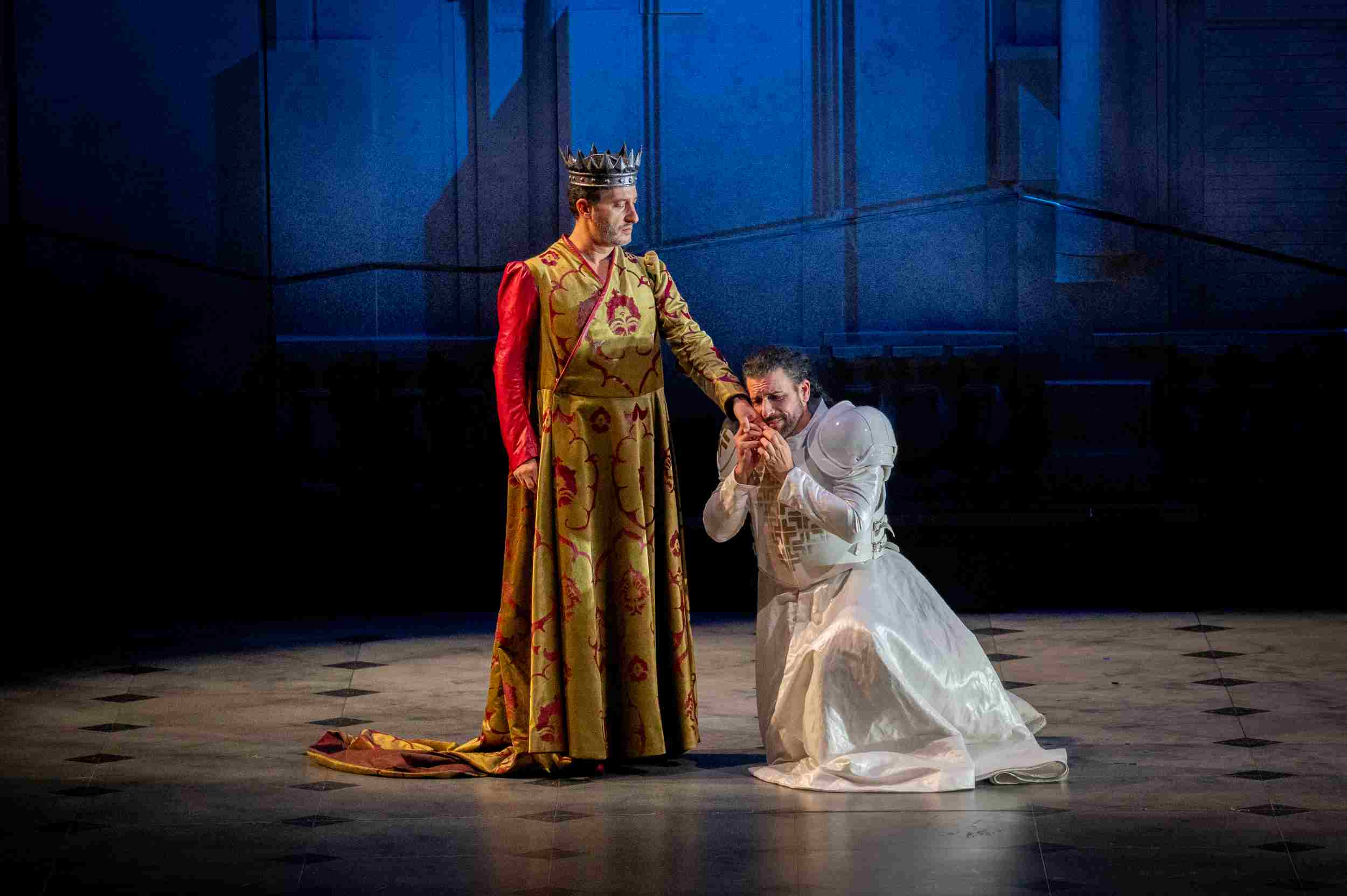
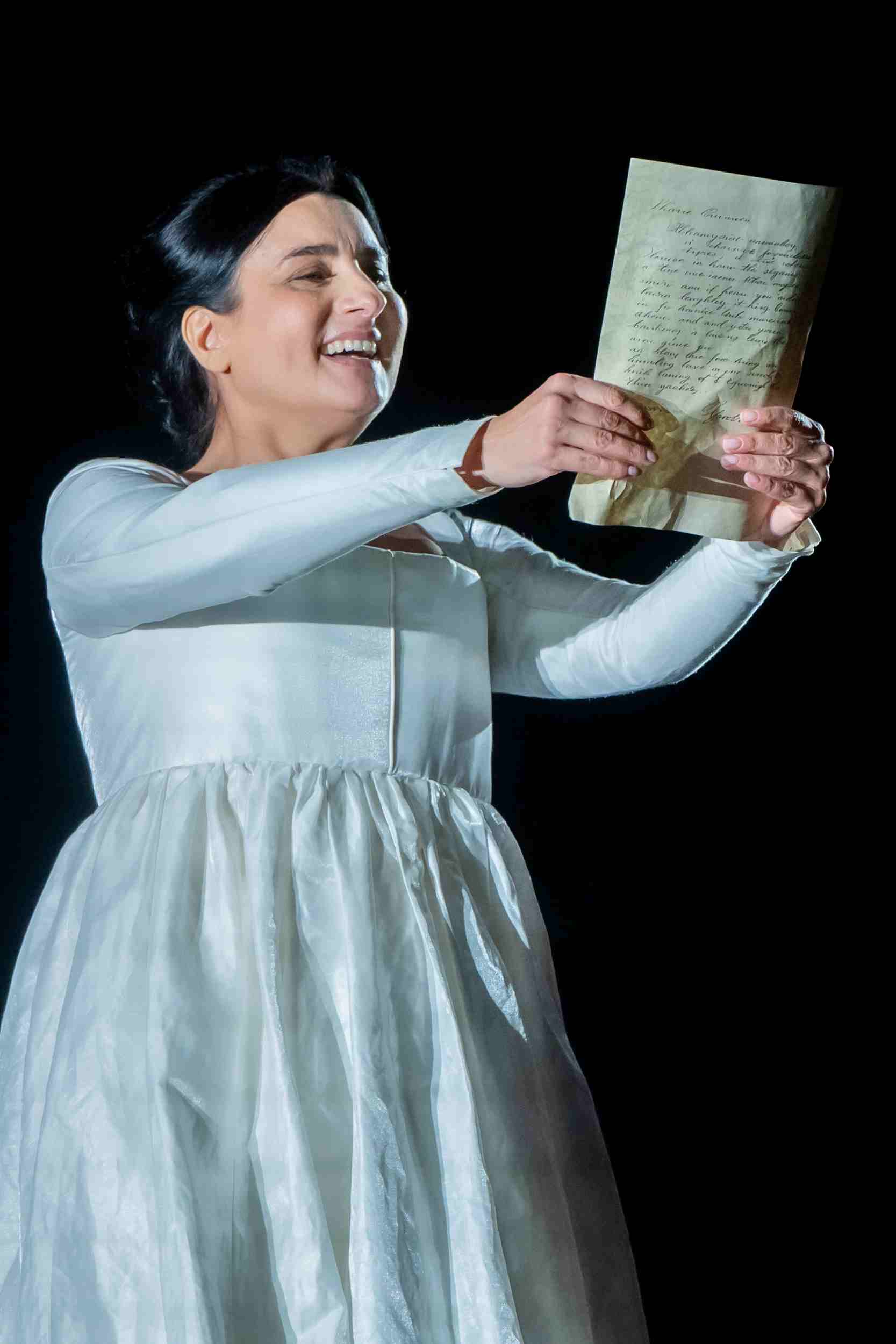
The plot may seem quite straightforward, but in the hands of Francesco Micheli, the festival’s artistic director from 2014 – 2024, he adds multiple layers to confuse the audience. This should be a work that focuses on true love against the duties of state. I don’t often read producer’s notes before a show, preferring to base my own impressions on what I read; but given the unfamiliarity of the work, I wanted to go in as informed as possible. In a note in the handsome program book, dramaturge Alberto Mattioli, describes how Micheli wanted his concept to bring the story closer to a modern audience. I regret to write that the outcome of his staging was completely the opposite. The curtain rises to reveal a pregnant woman sitting in a hospital waiting room. Video titles suggest that she’s a lady called Caterina, waiting on news of her husband’s fate, while he undergoes surgery. She recalls their honeymoon in Venice, and her memories of their relationship, and wishes that her child gets to know her husband. Micheli then sets another narrative, that of the opera itself, in parallel with this alternative reading, so that Caterina and the other characters incarnate figures in the opera as well as those in the hospital. The opera’s characters, including Caterina, show up in lavish medieval costumes, by Alessio Rosati, while frequently also appearing in modern dress. The problem is, this falls apart very quickly. It transpires that modern Caterina is deeply in love with Lusignano and has no feelings for Gerardo, while the operatic Caterina never gave up her love for Gerardo. This confused and added unnecessary layers to a narrative that should be so clear and should also be a source of multiple rich emotions.
Furthermore, Micheli’s staging also falls down in its lack of coherent personenregie. Characters barely look at each other, simply parked at the front to emote. The principals definitely work very hard to inject dramatic life into the evening through their musicality, but the chorus is just brought on stage to pose with completely random hand movements, and then marched off again. The best directors, such as Michieletto, Bieito, or Warlikowski know how to make us ‘feel’, and there’s so much in this opera that abounds in real emotion. And yet the result of Micheli’s staging is that it unfortunately just sucks the life out of the work, rendering it confused and lacking in emotion, despite the best efforts of the cast.
As mentioned above, the consistent pleasure of my visits to this festival over the past 6 years has been the quality of the musical preparation and those high musical values were on display tonight. Frizza led the festival orchestra in a reading that privileged bel canto beauty with rhythmic impetus. The quality of the playing that he solicited was excellent, the strings varying their use of vibrato to bring out the richness of Donizetti’s harmonic invention. His tempi were generally sensible, although I do wish that he had pushed the closing duet of Act 1, the aforementioned big number between Gerardo and Lusignano, a bit faster. Still, he was a sensitive accompanist to his singers and gave them the space they needed. The chorus, provided by the Accademia Teatro alla Scala and prepared by Salvo Sgrò, sang with impressively firm tone and agreeable blend, with excellent discipline and unanimity of approach.
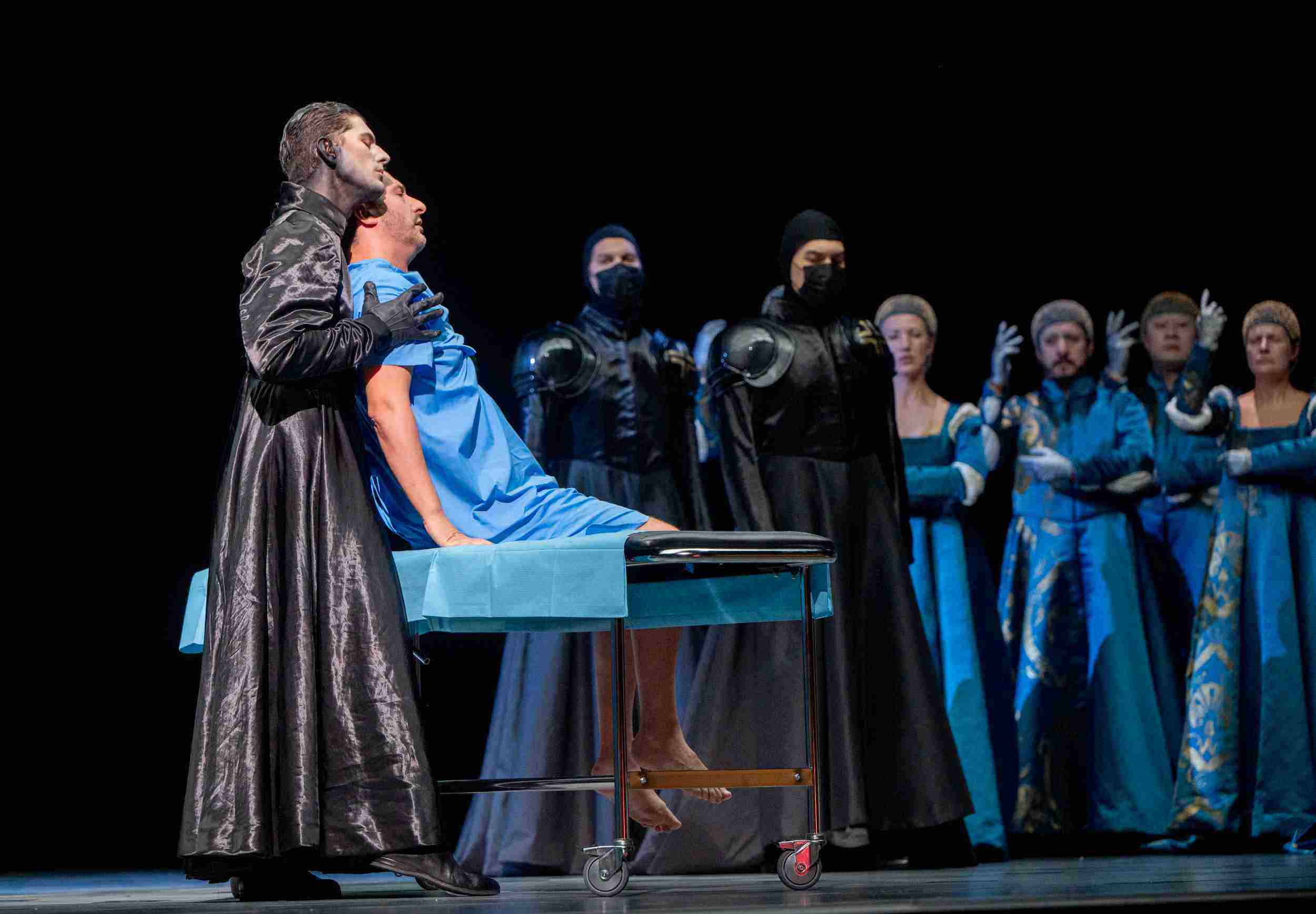
Carmela Remigio brought her decades of experience to the title role. She injected her music with so much passion and feeling, transcending the static nature of the staging to give us something so much more compelling than the framework in which she was operating. Of course, one cannot deny the passage of the years in her soprano now. The tone is somewhat more soft-grained than of yore, but the bel canto technique is still very much there, with impeccable coloratura, a genuine trill, and a deep understanding of the style. Remigio gave so fully and unstintingly of herself that one could not fail to be moved.
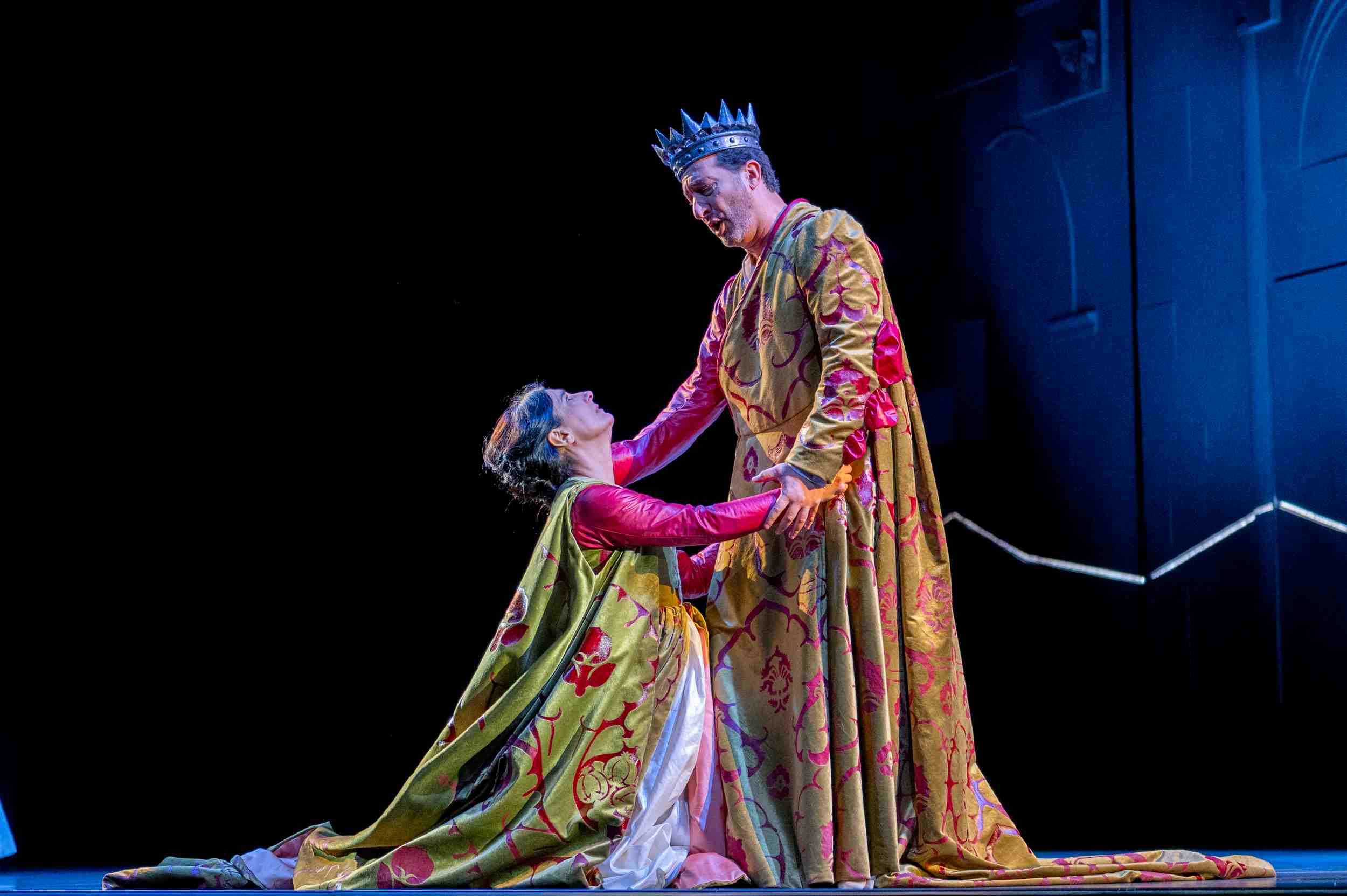
I’ve had several enjoyable evenings in Enea Scala’s company and Gerardo should be a good match for his focused and warm tenor. He certainly brought sensitivity to his love music with Caterina, shading the tone with southern warmth. That said, I found his singing in the louder passages tonight to be focusing more on width of sound rather than focus. It sounded that he was attempting to make the voice artificially wider in order to produce more volume. Perhaps this is a result of his repertoire transition – he’s due to debut Manrico next year – but the result was that his tuning had a tendency to succumb to the laws of gravity at higher volumes which, when combined with Remigio’s similarly woozy intonation, made the duets not always the easiest to listen to. Naturally a singer never stops studying, and it could be that Scala is now attempting new ways of singing, but it did feel that his singing lacked something of the finesse that I had previously associated with him.

Vito Priante sang Lusignano in his customarily firm baritone and incisive textual awareness. The voice has noticeable amplitude and he similarly filled his music with emotion. He also displayed an implicit understanding of the style and considerable dramatic engagement. Riccardo Fassi demonstrated a deliciously dark, almost acidic bass in the role of the villainous Mocenigo, descending with confidence to the sepulchral depths. The top isn’t yet quite as integrated as the bottom, but he made considerable impact in his interjections. In the smaller role of Andrea Cornaro, Caterina’s father, Fulvio Valenti dispatched his music in an appropriately warm, rustic bass. As Matilde, Vittoria Vimercati displayed an agreeably claret-toned mezzo, while Francesco Lucii demonstrated an attractive lyric tenor in his roles.
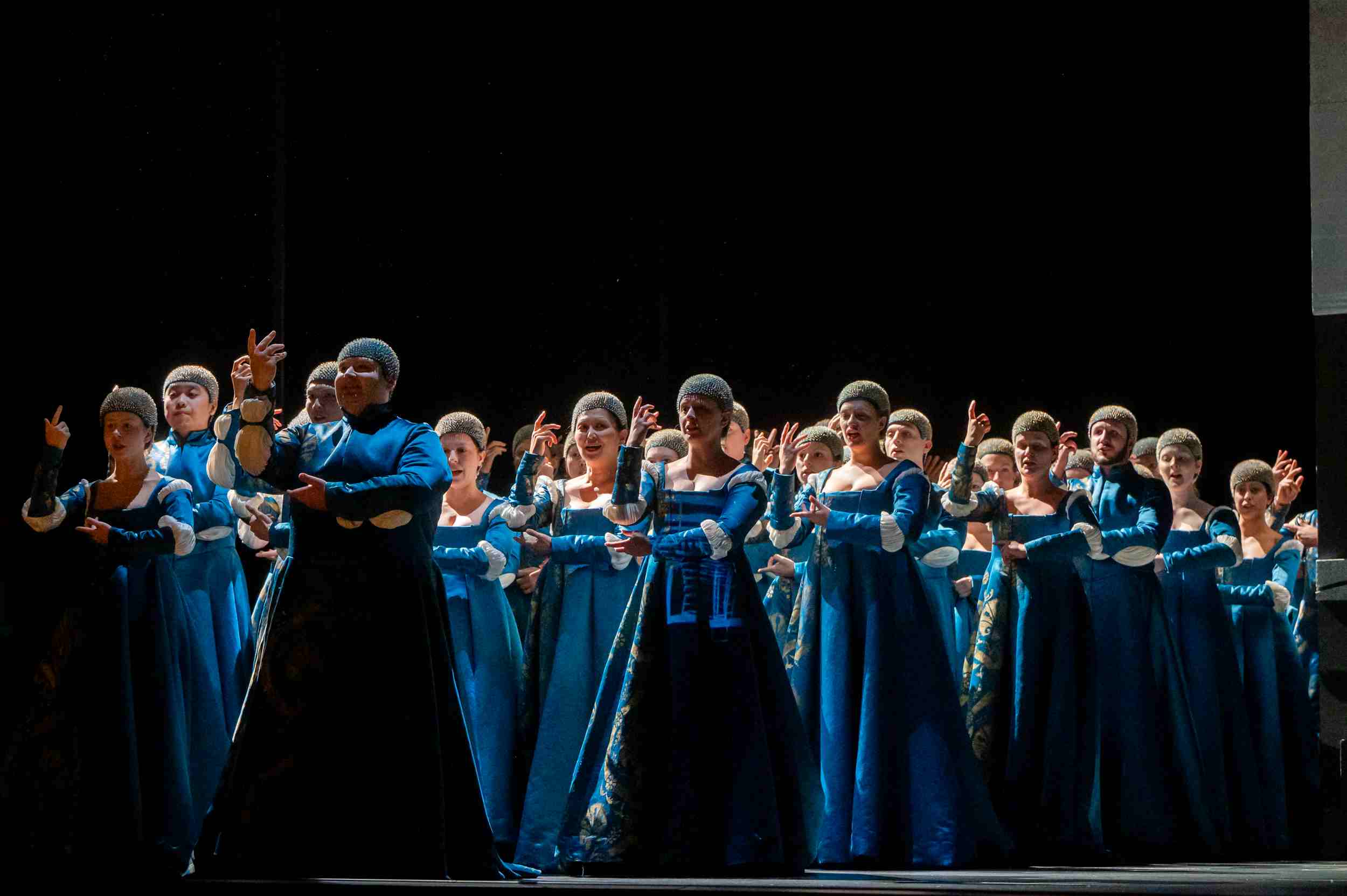
Musically, tonight gave so much to enjoy and exemplified the high musical values of this festival. Frizza led a sensible reading, one that exploited a wealth of orchestral colour and kept his forces firmly together. Remigio filled her music with so much passion and emotion, giving so generously of herself, while her castmates also worked hard to inject emotional life into the evening. Unfortunately, Micheli’s staging lacked clarity, adding extraneous dramatic ‘noise’ to the evening and negating the emotion that the cast had worked so hard to include. The cast was greeted with generous ovations at the curtain call, while the reception for Micheli and his production team was extremely vocal with cries of ‘vergogna’ and many boos. At its best, tonight demonstrated the musicality one would expect here.
 operatraveller.com
[…] an ugly wig. In Bergamo, the Festival Donizetti Opera, always a highlight of November, presented Caterina Cornaro. Sadly, Francesco Micheli’s staging was a bit of a mess, but the musical standards were, as […]