Donizetti – Lucrezia Borgia
Don Alfonso – Mirco Palazzi
Donna Lucrezia Borgia – Jessica Pratt
Gennaro – René Barbera
Maffio Orsini – Laura Verrecchia
Jeppo Liverotto – Daniele Falcone
Don Apostolo Gazella – Gonzalo Godoy Sepúlveda
Ascanio Petrucci – Davide Sodini
Oloferno Vitellozzo – Hou Yaozhou
Gubetta – Mattia Denti
Rustighello – Antonio Mandrillo
Astolfo – Liu Huigang
Coro del Maggio Musicale Fiorentino, Orchestra del Maggio Musicale Fiorentino / Giampaolo Bisanti.
Stage director – Andrea Bernard.
Maggio Musicale Fiorentino, Florence, Italy. Sunday, November 16th 2025.
This new production of Lucrezia Borgia at the Maggio Musicale appears to be Andrea Bernard’s second of the work. I write ‘appears’ since there was no mention in the program book of his earlier production, which I saw in Bergamo in 2019, and this one, a coproduction with Cagliari, is certainly visually different to his earlier one. Seeing three operas on consecutive evenings, as I have been doing on this trip, can often feel useful in terms of comparing the art of stage directors. Indeed, I left the theatre this evening with a sense that Bernard really is an excellent opera director.
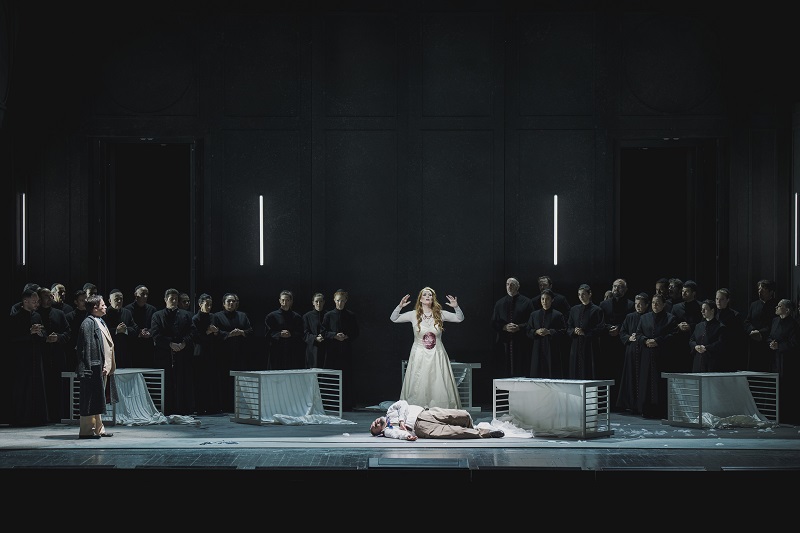
This time around, he sets the action in what seems to be a transitional time – perhaps the 1960s in Italy. There is a clear dichotomy between the world of Gennaro and his friends, and that of the Borgias. Gennaro’s world is one of rebellion, where the prologue reveals them to be a group of young people who enjoy a drink or six, hang out under posters proclaiming ‘libertà!’ and where the relationship between Gennaro and Orsini is very much that of more than friendship. The Borgias, on the other hand, live in a world sustained by the church, where Alfonso practises body mortification and their palace contains an altar with the word ‘Borgia’ on it for the friends to then desecrate. This works extremely well as an approach. The way that the friends not only remove the ‘B’ from the altar, but also completely destroy it and its symbols represents a clear rejection of the power that sustains the Borgias and which stands in antithesis to the friend’s values. Similarly, Bernard starts the evening by showing the events of Lucrezia giving up her son, the future Gennaro, to a group of nuns, setting up the very potent idea that the power that supports Lucrezia today, is that which also led her to the biggest tragedy of her life.
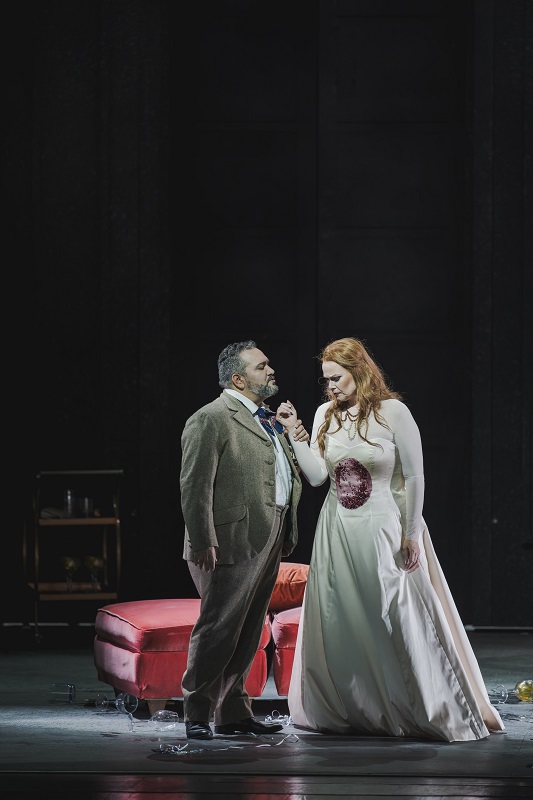
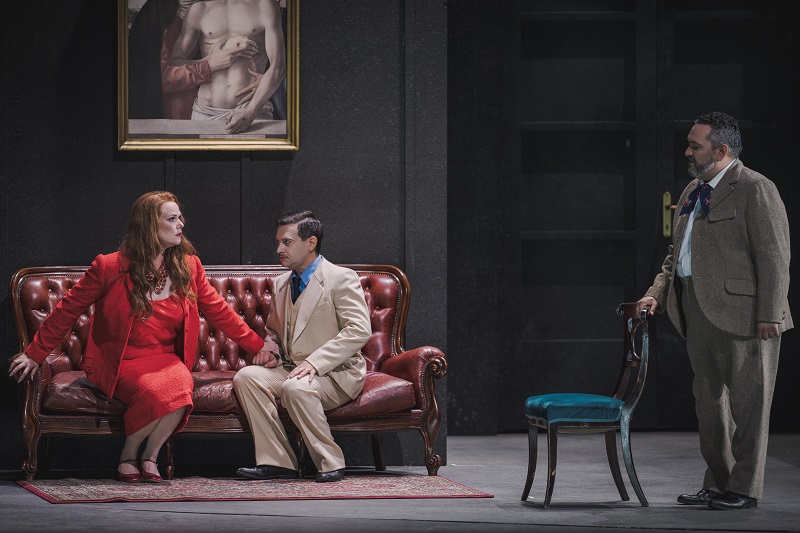
Yet Bernard’s staging is not simply about creating a cogent and compelling theatrical argument, he also directs his singers with such intelligence and vigour. He manages to combine intricate personenregie, while also using the set, by Alberto Beltrame, as an integral part of his storytelling. The set, which unfortunately does revolve somewhat noisily, offers multiple rooms for the action to take place in, the revolving reinforcing the sense that these characters have layers of conflicting feelings in their souls – whether Lucrezia’s deep hidden longing for the son she came to know later in life, or Orsini’s deep feelings for Gennaro. Bernard and his team truly manage to integrate what we see with the actions and events in the plot, combining the acting, the set and the music to bring the work to life. Similarly, the party chez Negroni is wonderfully debauched, with gymnastic danseurs and Negroni herself a drag queen enjoying a good time. This highlights both the hypocrisy of the clerical environment, but is also so convincingly directed by Bernard in his handling of the principals, chorus and extras. This staging really does confirm that Bernard is a major directing talent.

Giampaolo Bisanti led a lively reading from the pit. His tempi were nicely swift and he was always supportive to his singers, while keeping everyone together despite the challenges of the presence of the off-stage banda. The quality of the playing of the Maggio orchestra was exceptional, particularly the discipline of the horn playing and the piquant winds. That said, I did wish that Bisanti had made the articulation of the strings somewhat tighter. This is very much a matter of personal taste, but it felt that I was listening to a classic Bentley, albeit one still capable of speed, rather than a compact sports car. I would have liked to have heard a sharper attack, with strings using shorter bow strokes for example, and using less vibrato. Again, this is very much a personal preference in the matter of articulation, and Bisanti’s tempi were very well chosen. Lorenzo Fratini’s chorus sang with its customary focused tone and discipline of approach.
Jessica Pratt swept all before her in the title role. Hers isn’t the most refulgent of sopranos. The tone perhaps lacks a wide palette of colours, but that doesn’t stop her using the music to draw out so much emotion. Pratt gives so unstintingly of herself, using all the bel canto tools at her disposal together with her implicit musicality to bring her character to life. While her chest register isn’t the most ample, she still used all she had to pull out emotion, to tell a story, and to bring us in. She was able to float some exquisite phrases high up, the voice seemingly defying gravity, combined with an eloquent legato. Her final scene was spectacular, crossing the registers with ease, offering some impressive acuti, all while adding some highly musical yet deeply emotional variations to the line. The audience went wild for her, greeting her every number with ecstatic applause, culminating in a thundering response at her final curtain call. Tonight, Pratt left me the sense of an artist willing to take risks, to dive deep and to bring out emotion, and to push herself and her technique further to give so much of her to us. She was simply electrifying.
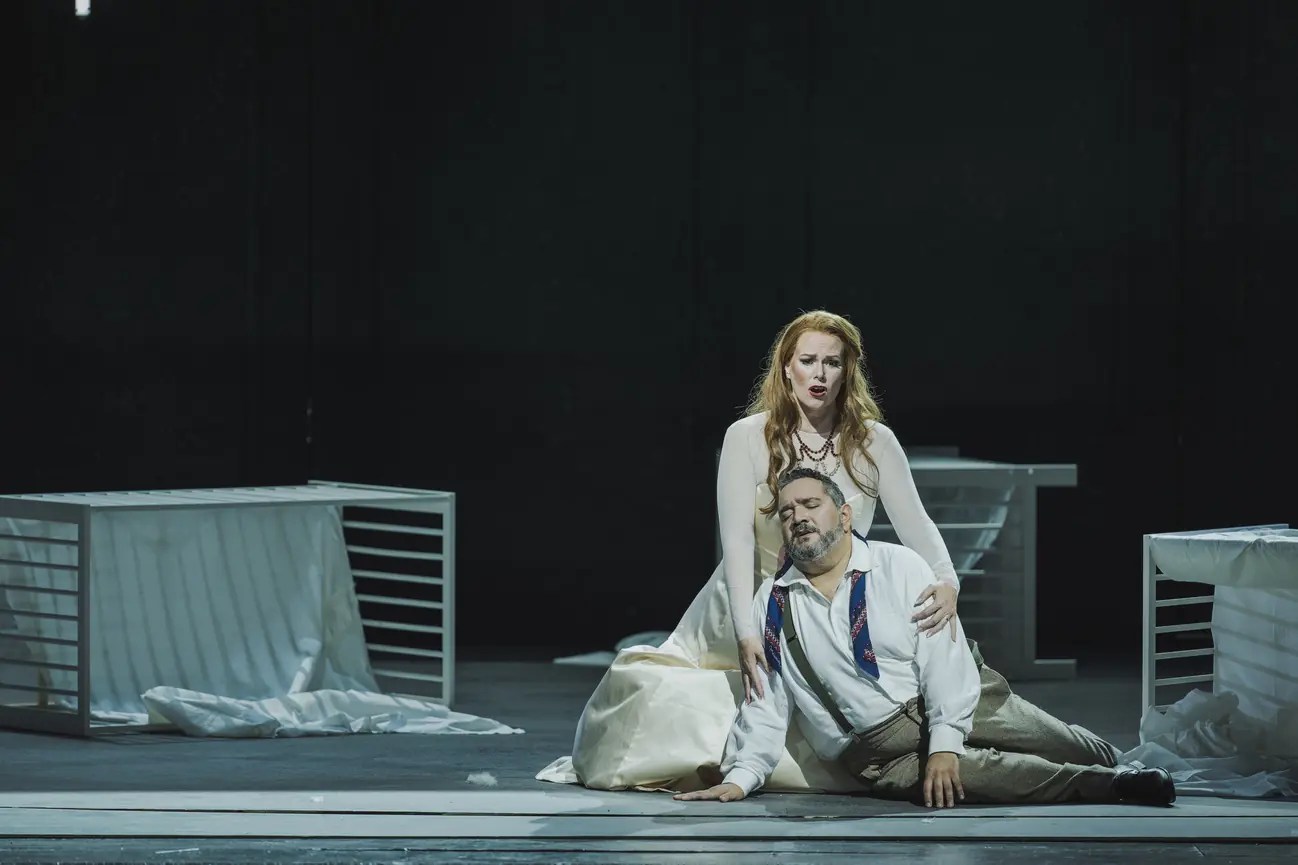
René Barbera brought his customary Latin warmth of tone to the role of Gennaro. Despite the challenging acoustic of the Maggio theatre, the voice projected with ease into the auditorium, thanks to the bright, forward placement of the sound and his elegant line. Alfonso is a challenging role for whoever takes him on, since he has very little stage time in which to make an impression. Mirco Palazzi demonstrated great dramatic engagement with Bernard’s staging, holding the stage with confidence. The voice had agreeable warmth and depth at the bottom, with a rich middle and a decent legato. Laura Verrecchia brought a fruity mezzo to the role of Orsini. It’s a role that lies slightly low for her perhaps, since it sat right in the middle of her lower passaggio, which did betray a slight lack of evenness as she passed through the registers. The voice does carry well, however, and she was warmly received by the audience at the close.
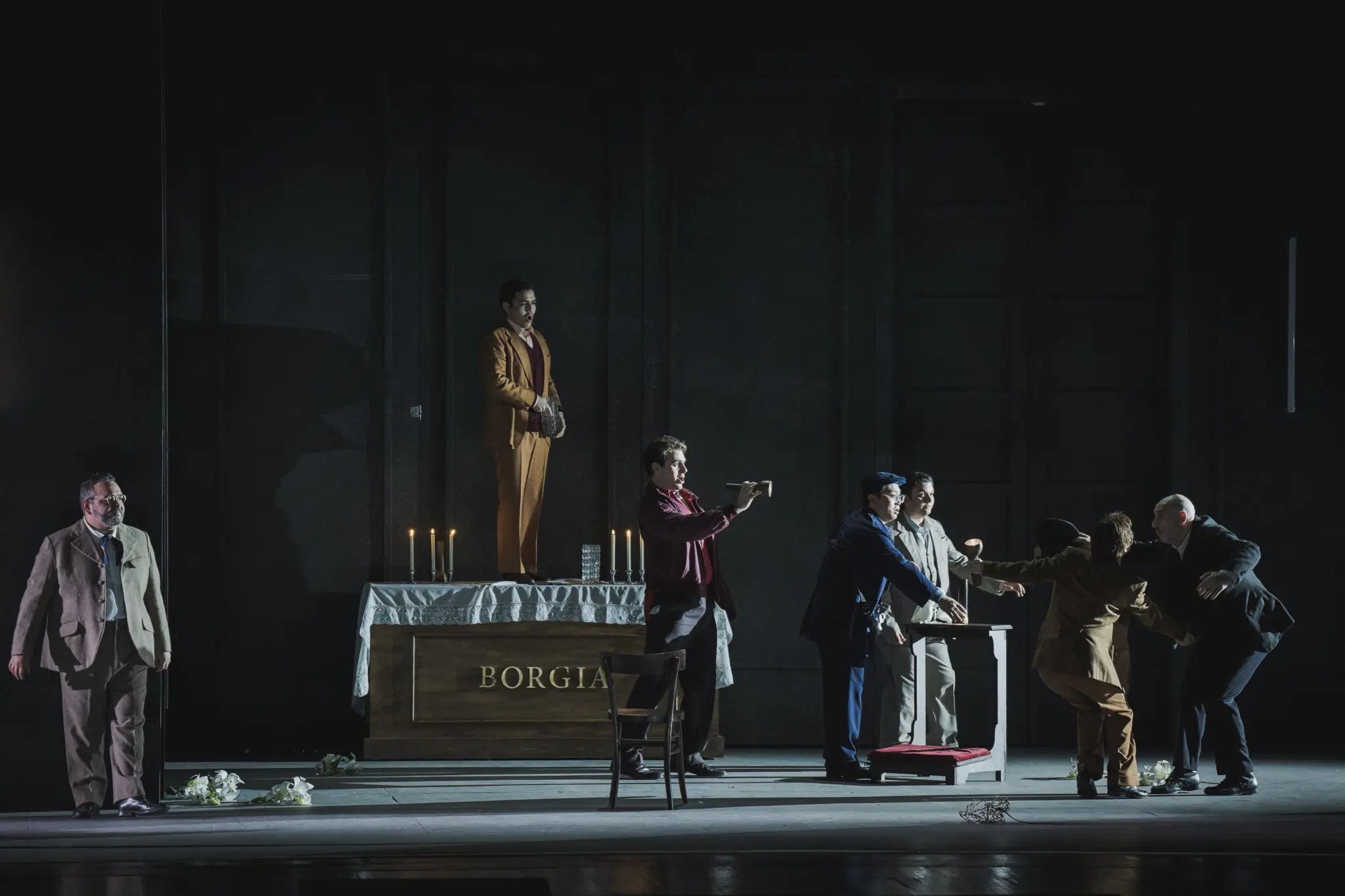
The remaining roles exemplified the excellent quality of the house and allowed us to enjoy many of the names one has become familiar with over the years of visiting. Gonzalo Godoy Sepúlveda brought his handsome baritone and energetic stage presence to the role of Gazella, while Davide Sodini brought a similarly handsome bass to the role of Petrucci. Indeed, Gennaro’s entourage was most vividly sung, thanks to the excellence of their vocalism combined with their textual clarity. Antonio Mandrillo sang Rustighello in a bright, forwardly-placed tenor, while Mattia Denti brought a warm, resonant bass to the role of Gubetta.
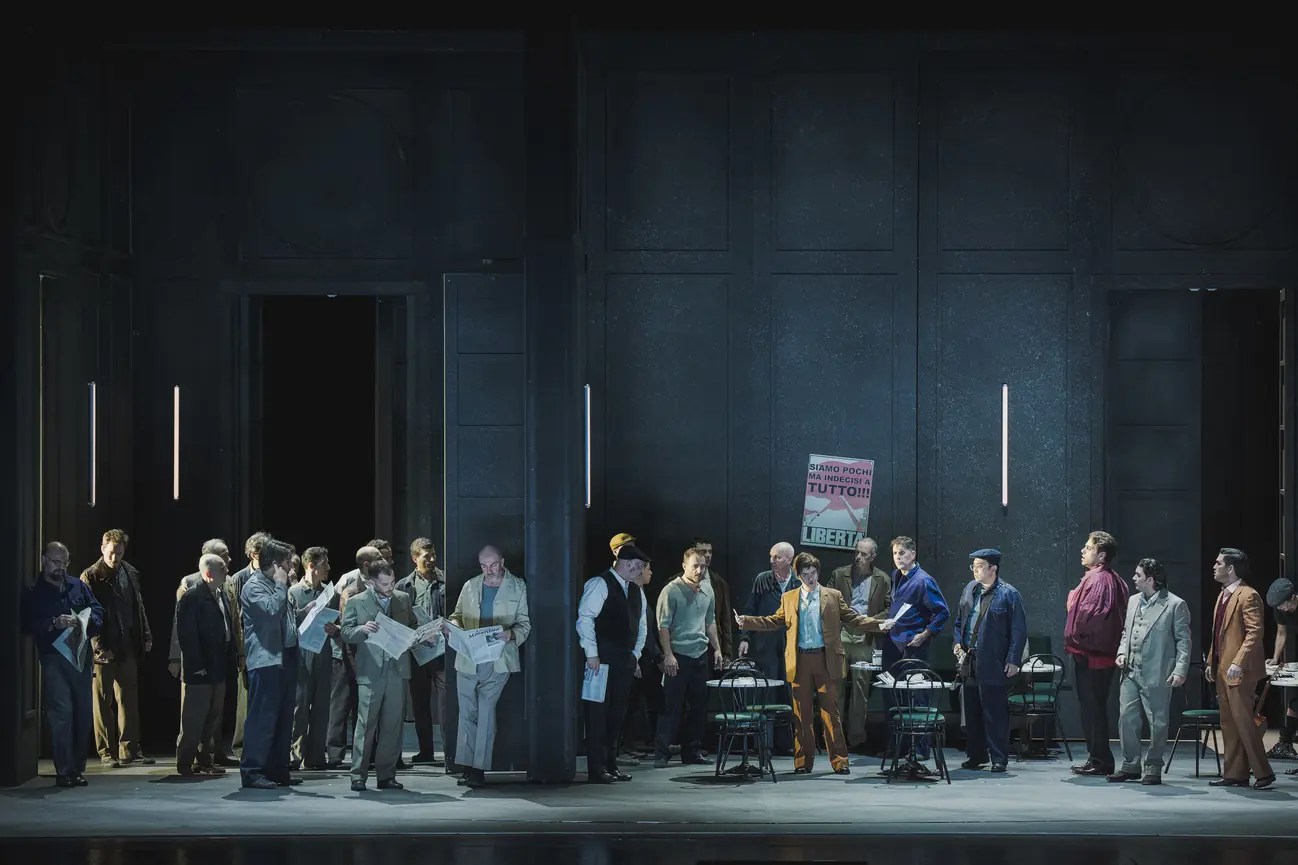
This was a terrific evening in the theatre. We were given a thoughtful and superbly-directed staging that engaged with the text and brought it to life with great realism. Musically, it was at the highest level. Yes, I do wish Bisanti had used more period-informed playing styles with the orchestra, but his tempi throughout were effectively swift and he had galvanized stage and pit to operate as one. The cast throughout was excellent, with no weak links and once again demonstrated the excellence of this house. While it was very much an ensemble show, it was Pratt who gave us the cherry on the sundae, giving us a Lucrezia of staggering dramatic commitment and unflinching vocalism. The cheers from the audience at the close were enormous and generous.
 operatraveller.com
[…] to hold the stage alone in her final scene. However, compared to Andrea Bernard’s staging in Florence last month, I found Paoli’s staging to be thoughtful yet lacking in focus on the […]
[…] was a real treat. In Rome, Lidia Fridman showed poise and well-schooled singing. In Florence, Jessica Pratt invested the role with so much emotion, giving so generously of herself. She […]