Verdi – Aida
Aida – Aleksandra Kurzak
Il Re – Antonio Di Matteo
Amneris – Marie-Nicole Lemieux
Radamès – Arsen Soghomonyan
Amonasro – Ludovic Tézier
Ramfis – Erwin Schrott
Un Messaggero – Vincenzo Di Nocera
Sacerdotessa – Galia Bakalov
Chœur de l’Opéra de Monte-Carlo, Orchestre philharmonique de Monte-Carlo / Massimo Zanetti.
Stage director – Davide Livermore.
Opéra de Monte-Carlo, Grimaldi Forum, Monte-Carlo, Monaco. Saturday, November 22nd, 2025.
Tonight marked my first ever visit to Monaco and the Opéra de Monte-Carlo, for its new production of Aida imported from Rome, Italy. This is a house that has been on my radar for quite some time, with its interesting casting and long operatic tradition. This season also sees a staged, period-instrument Walküre in January, and a very interestingly cast Trovatore in March. Rather than perform this Aida in its historical theatre, the house moved to the larger and very modern Grimaldi Forum. The auditorium of the Salle des Princes is rather large, located 1.5 metres below sea level and down several flights of escalators, although the acoustic from my seat towards the back of the lower level was actually very kind to the voices. Unfortunately, the evening ran significantly behind the scheduled running time, due to a long delay at the start of the evening and at intermission, which meant some significant anxiety for those of us with trains to catch. There was much that was enticing in the casting this evening, with Québécoise star, Marie-Nicole Lemieux, making her debut run as Amneris – tonight singing the third performance of a run of three. There were several changes also in the remainder of the cast, with Ludovic Tézier a very luxurious replacement for the originally scheduled Artur Ruciński, and Dr Aleksandra Kurzak stepping in at the very last moment for Anna Pirozzi, following her debut run in the title role at Verona this summer.
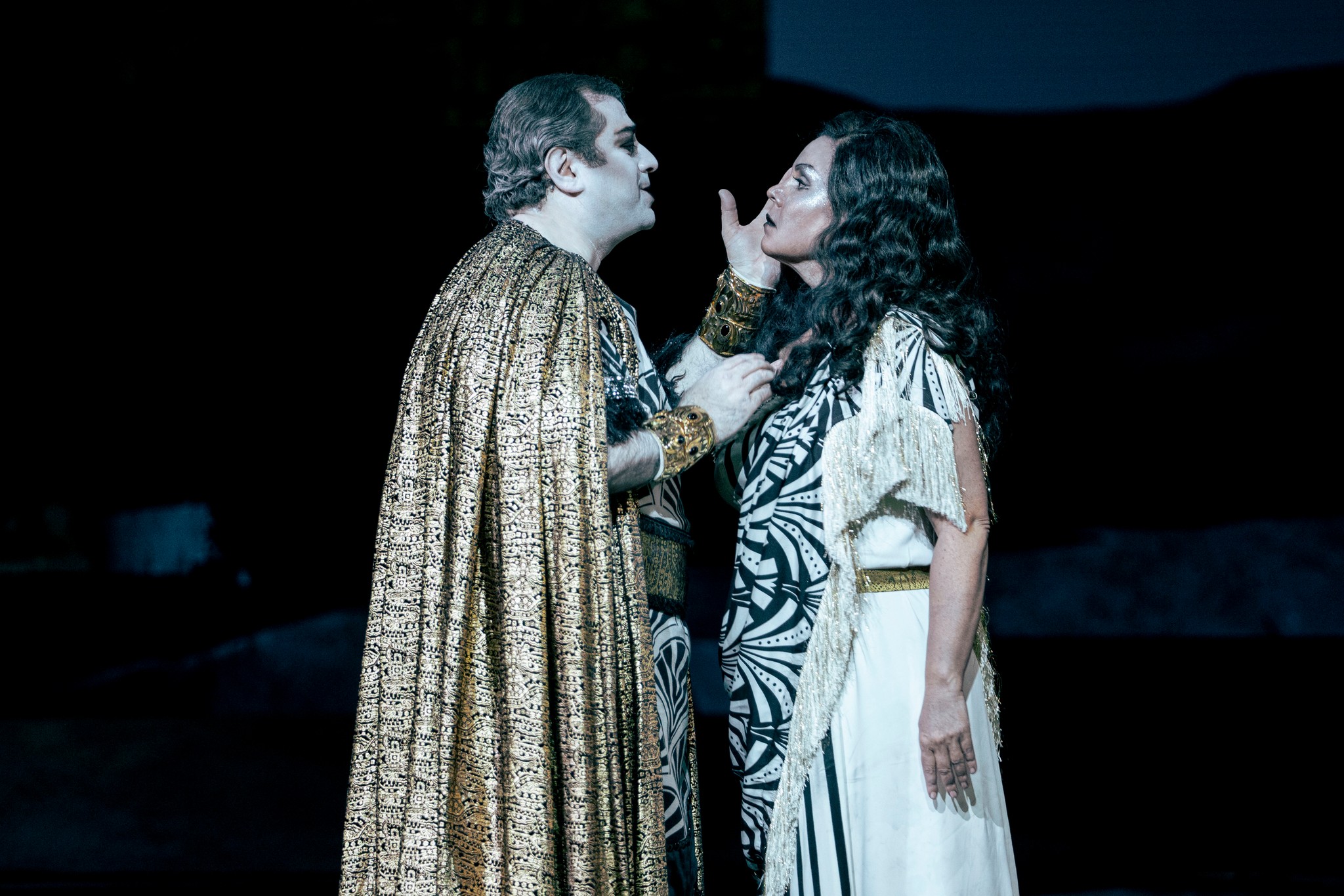
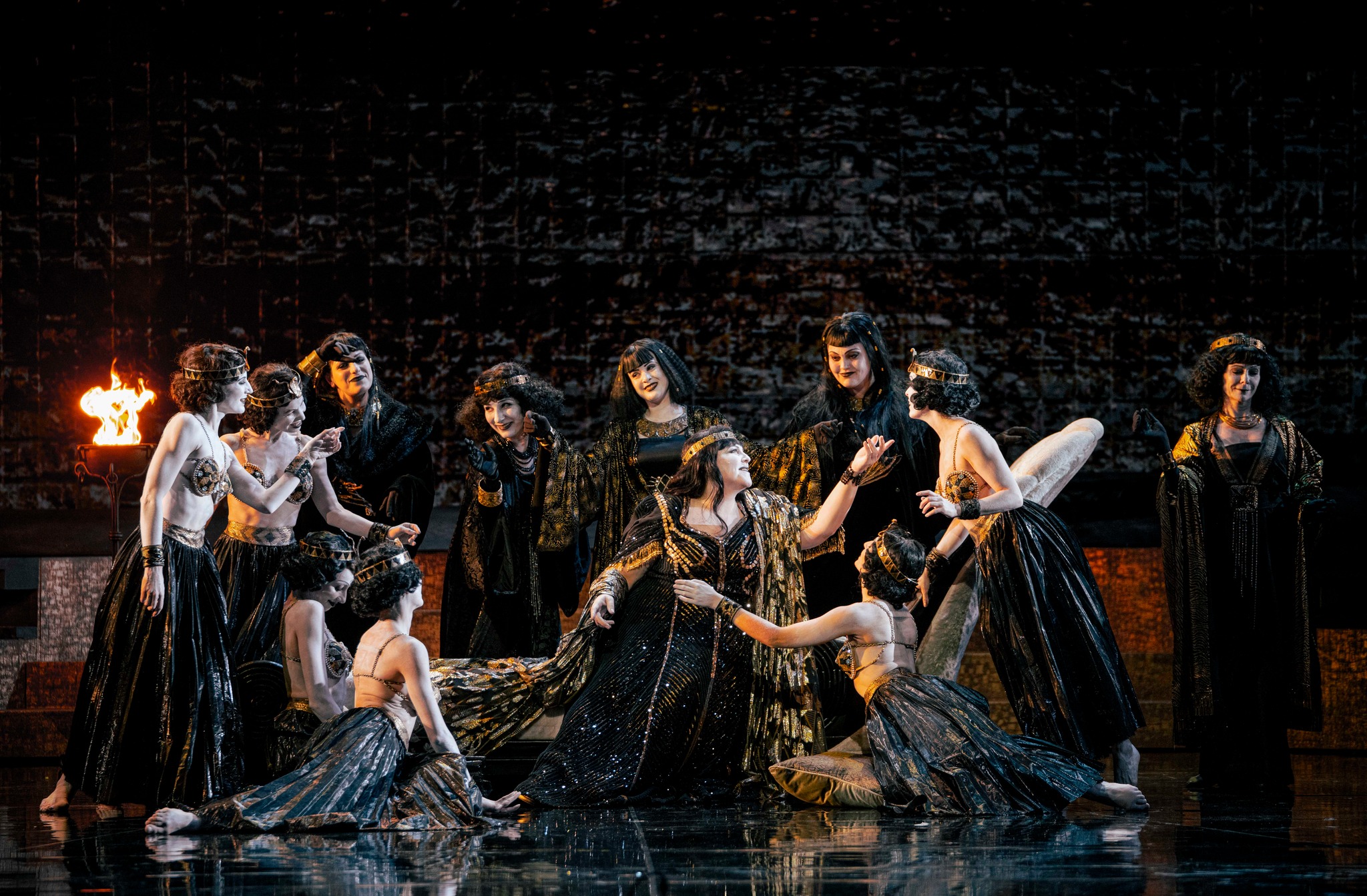
Davide Livermore’s staging seems to be inspired by the silent films of the 1920s. The visuals are sepia-toned, with ‘historical’ costumes, by Gianluca Falaschi, reflecting that period’s view of Egypt. The set, by Giò Forma, is simple, consisting of some stairs, a few panels that are wheeled on and off, and a chaise longue for Amneris to hold court on, while the King descends from the flies on a balcony upon which are superimposed two triangles. Instead, the budget clearly seems to have been spent on a large panel, which displays video, by D-WOK, during the course of the evening. This is not a new way of setting up a production for Livermore, having produced a Trovatore in Parma two years ago that had a similar set-up. The imagery shown was fairly banal, with some aspects that looked like a screensaver, the odd bit of Egyptian imagery showing a seated Pharoah, a woman occasionally making a screaming gesture, and some gushing water. Fortunately, it wasn’t especially distracting and was easy to tune out of and focus on the singers and remainder of the stage action.
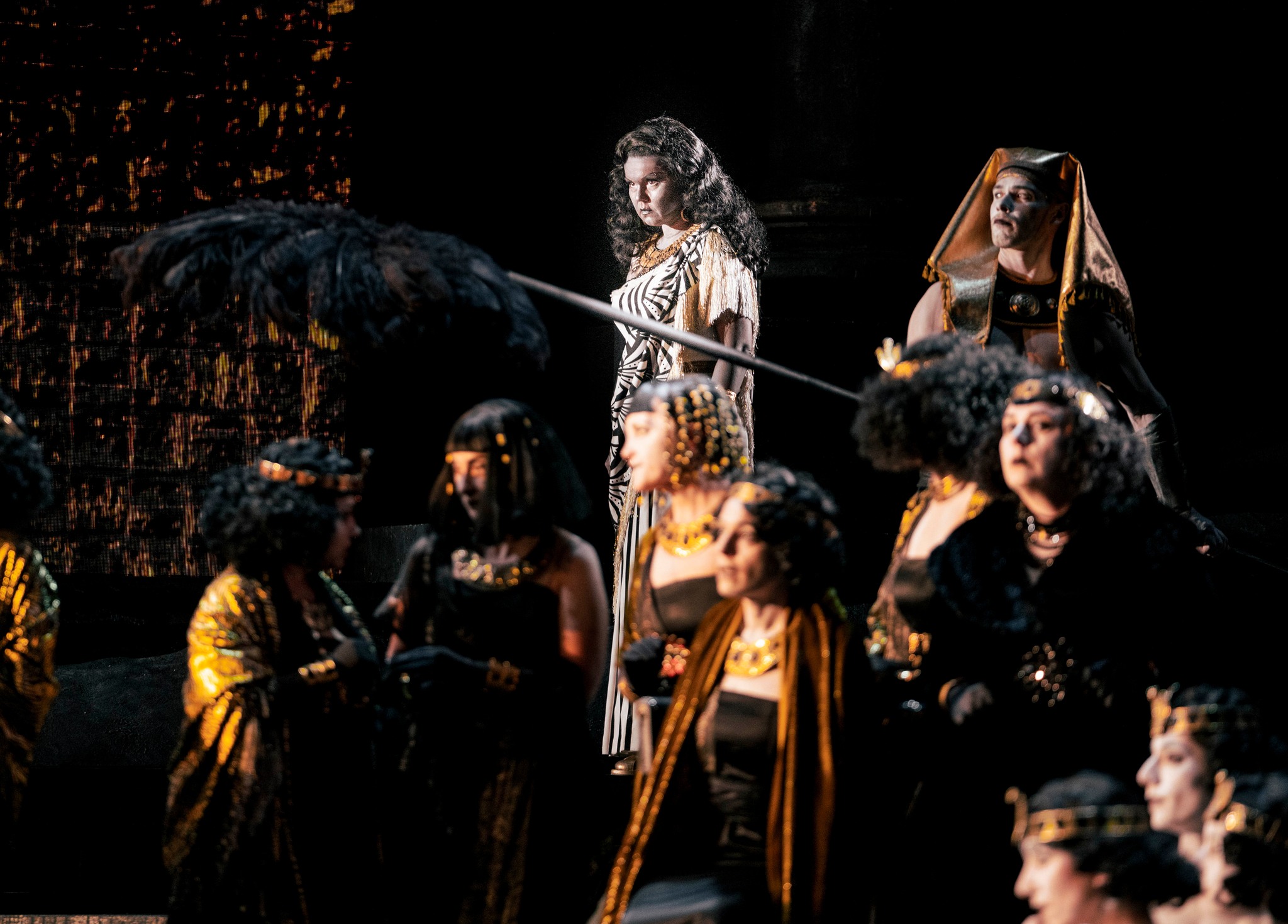
What that focus did reveal is that the singers were incredibly under-directed. Far too often, they were simply parked at the front to emote, or to fall to their knees in moments of great drama. Livermore’s personenregie felt far too clichéd, relying on stock operatic gestures to tell a story, when I longed for him to give us a sense of characters who genuinely engaged with each other on a human level. Furthermore, he made frequent use of a corps of danseuses, choreographed by Livermore himself and Carlo Massari, who added additional visual interest to the video. I must admit that I found the choreography rather risible and hard to take seriously. In the triumphal scene, he had the danseuses running around the stage, simulating slashing their wrists, while grunting noisily as they gyrated. In the scene in the temple of Fthà, they also indulged in some movement which wasn’t clear if they were worshipping a deity or having epileptic fits. Livermore also had the chorus engage in some hand choreography while they were parked on stage during the big choral moments, but this was inconsistently applied.
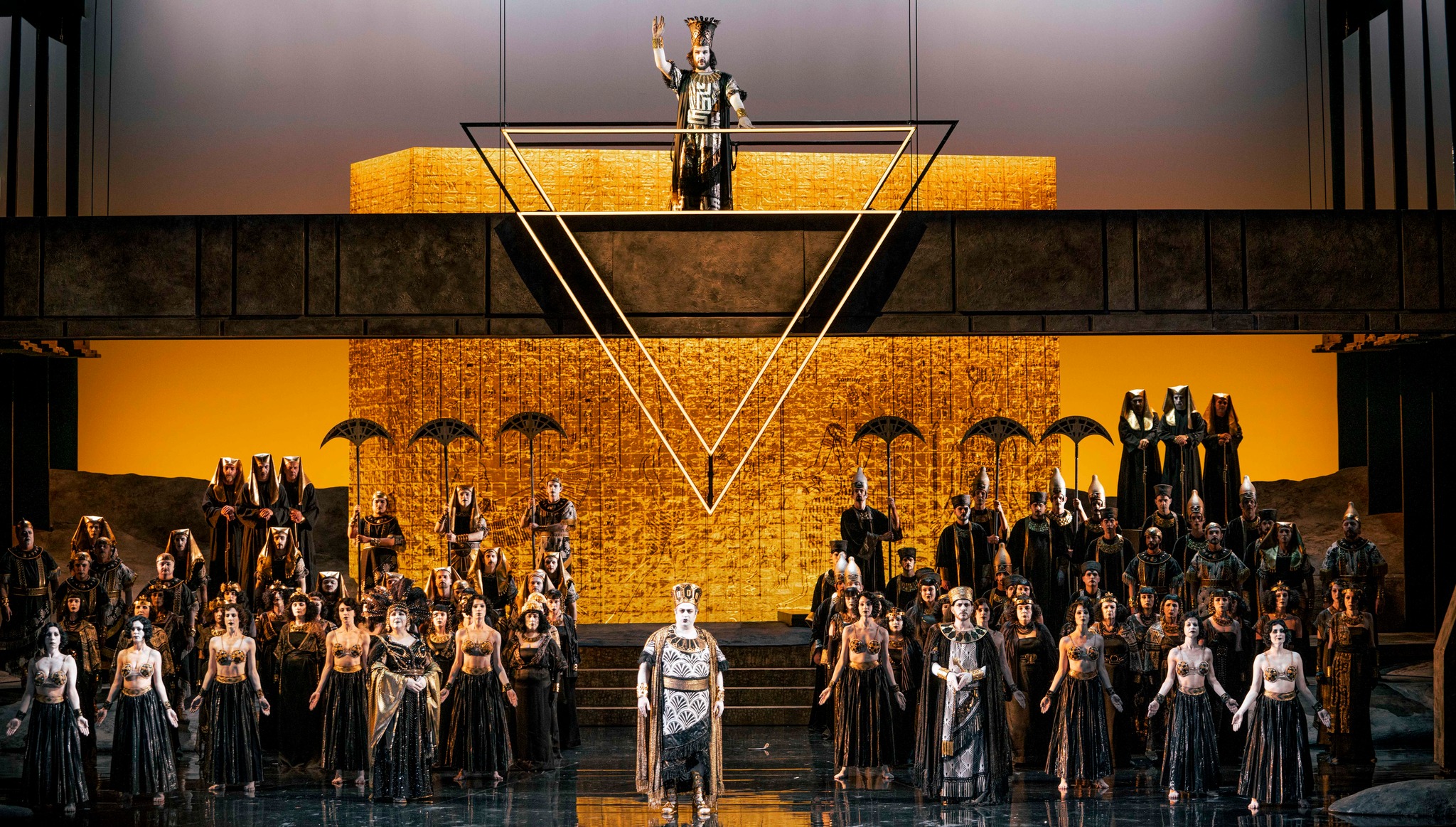
Musically, it was a much more compelling evening. After his vital and vigorous Nabucco in Modena last month I expected a lot from Massimo Zanetti’s conducting. He took a different approach to Aida. This is a work that starts softly, builds to some big triumphal scene, and then ends in a moment of quiet contemplation and ‘pace’. Zanetti gave the work plenty of space in which to unfold, with tempi that were on the more leisurely side. This wasn’t particularly conducive to the anxiety of knowing whether one would catch the last train, and it also meant that the Act 2 duet between Aida and Amneris sagged, despite Lemieux’s significant efforts to add serious drama into proceedings. Despite the simplicity of the stage design, the evening was frequently held up for long scene changes, which also did not help with the pacing. The quality of the playing of the Orchestre philharmonique de Monte-Carlo was superb. There was a precision to the brass fanfares in the introduction to ‘celeste Aida’ and a depth to the string tone in the tomb scene that both gave a great deal of pleasure. The chorus, prepared by Stefano Visconti, sang lustily. There was a very impressive depth of tone to the basses in those a cappella passages in the Temple of Fthà, while the sopranos and mezzos also provided rich tone in the first scene of Act 2. In the triumphal scene there were a few moments of disconnect between stage and pit, perhaps due to the distance between the two, but generally they sang with discipline and accuracy.
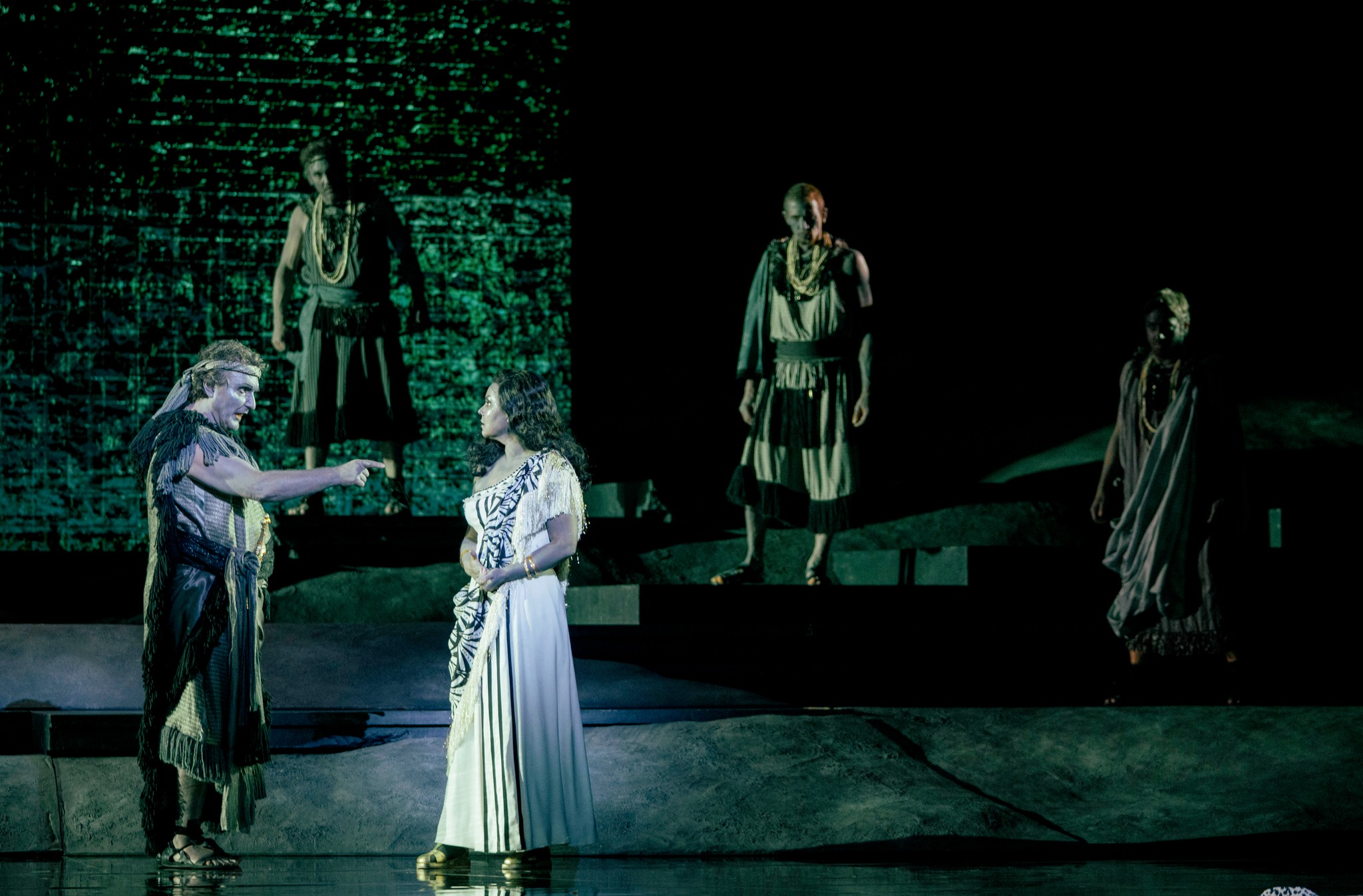
Kurzak is certainly at an interesting point in her career, now taking on those bigger soprano roles such as Tosca, Santuzza, and this Aida. The state of her current instrument made me reflect on the words of one of the greatest of Aidas, Miss Leontyne Price, who reminds singers to always sing with the interest and not the capital. Kurzak’s soprano now sounds more arid of tone than of yore, with the voice sounding made to be artificially bigger, lacking in the ultimate degree of spin, with intonation becoming more approximate as a result. Where Kurzak did excel was in the softer, floated writing of ‘o patria mia’, where she was able to pull back on the tone, and floated up magically up to the high C. Elsewhere, there was a nagging doubt that she was pushing the voice further than it can naturally go. Kurzak is nothing if not musical, and her singing was always founded on an implicit understanding of the Verdian phraseology, frequently pulling out a generous chestiness, not afraid to resort to a kind of sprechgesang down there for dramatic effect. Her Aida was unconventional, certainly, but I did appreciate her willingness to give so generously of herself to us.
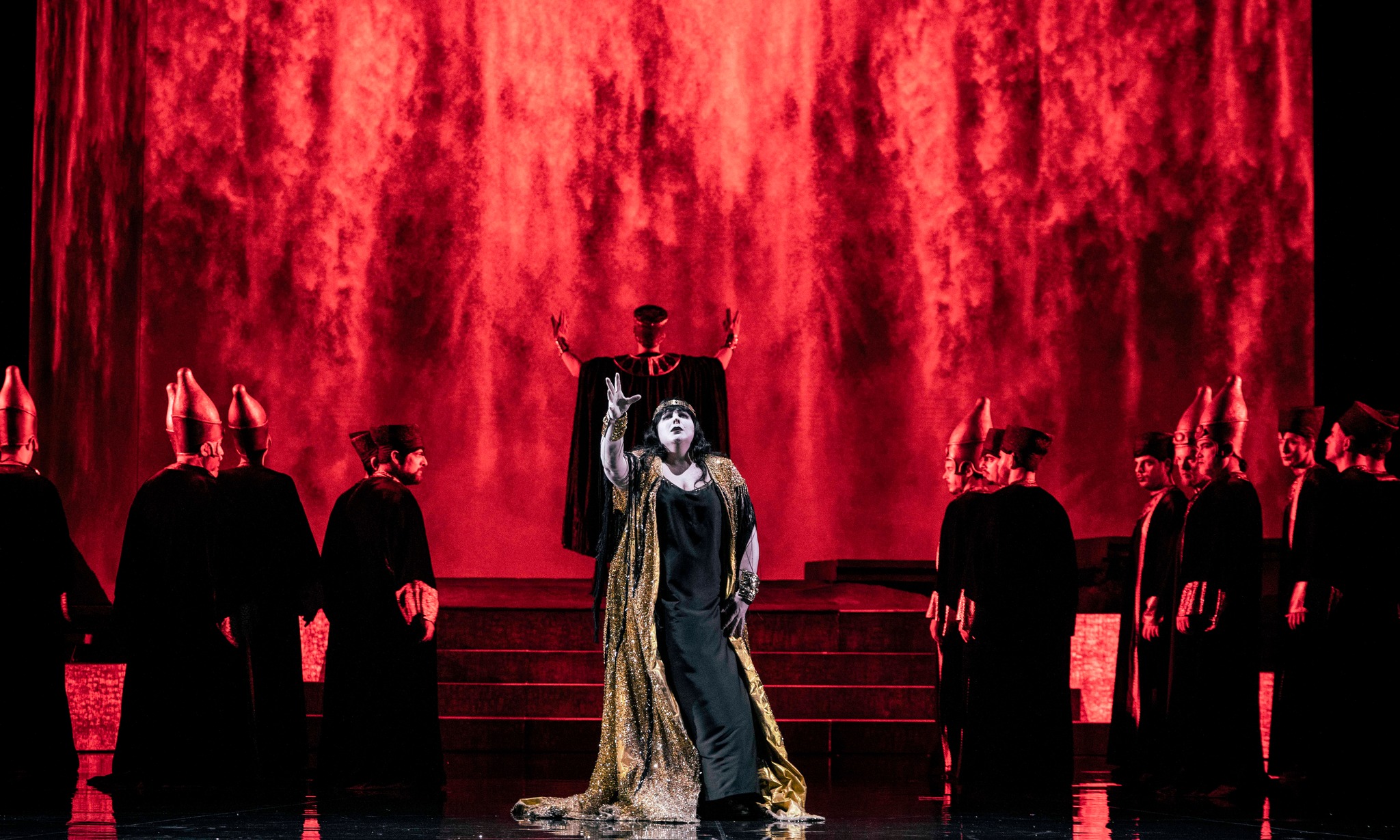
Lemieux was a thrilling Amneris. As is so often the case with her, so much of her singing was based in the text, using it as the starting point for her interpretation, bringing out meaning and feeling. She used the words to shade the tone – lightening it in her opening duet with Radamès, filling the word ‘sperenza’ with so much luminosity of vocal colouring. Her exhortation for him to ‘ritorna vincitor’ was given so much metal and colour that there was no way he would return empty handed. I’ve also never had so much of a sense of Amneris’ complexity as with Lemieux’s assumption of the Act 2 duet with Aida. She made those few moments into a whirlwind of emotion, from haughtiness to jealousy, every emotion communicated in her union of text and tone. Her contributions to the judgment scene were electric – the pain, the anger, the determination, all were brought out in a reading of Shakespearian depth and complexity. A few squally notes at the very top were a small price to pay for an assumption that was utterly thrilling.
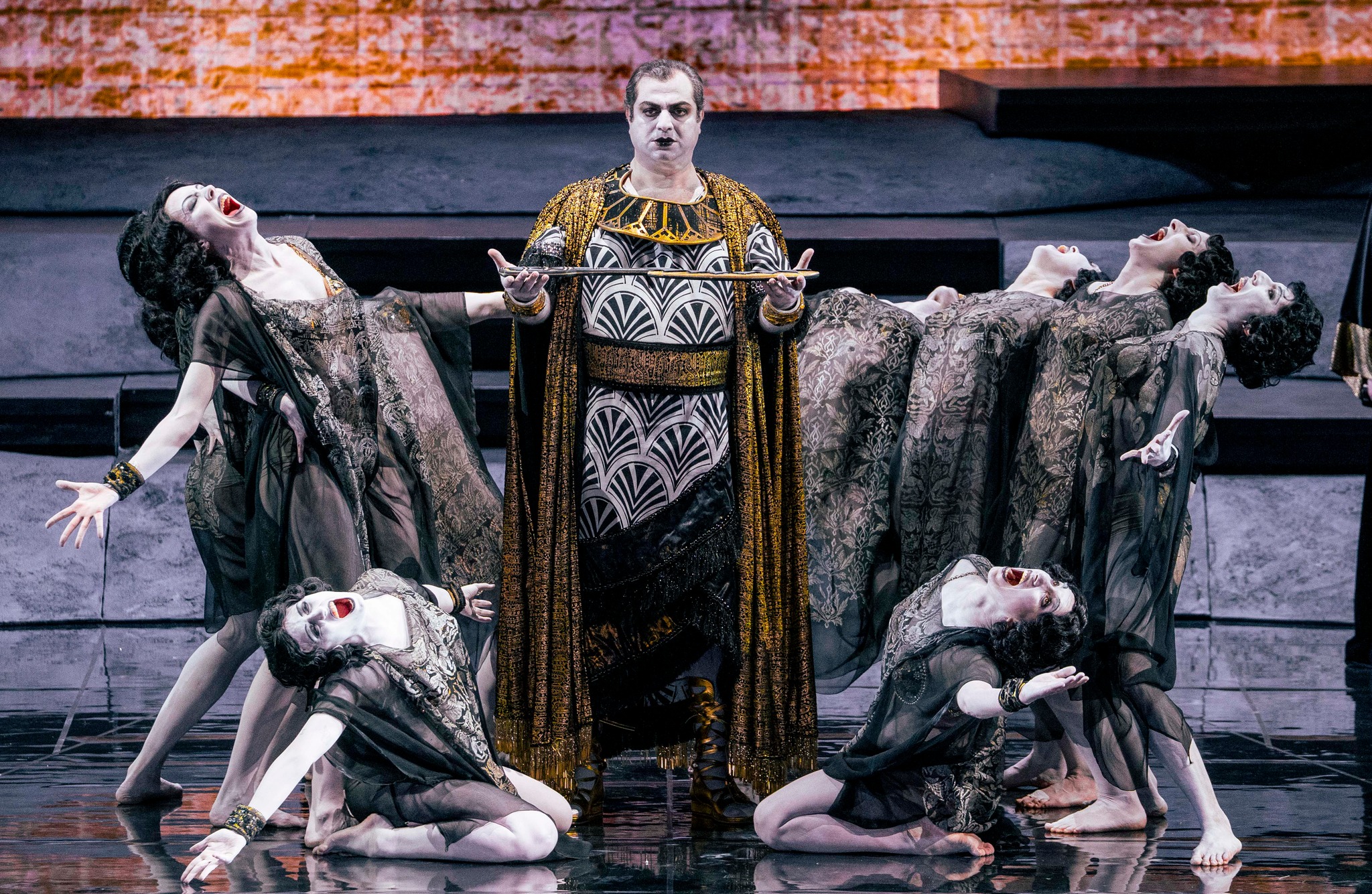
Tézier also gave us a similarly thoughtful Amonasro. He sang his music in such a firm, massive column of tone, the words always clear and full of emotion. Indeed, it made me wish that Verdi had given him and Amneris a scene together. Erwin Schrott’s bass now sounds rather grainy in tone as Ramfis, and he was casual in his attention to note values and pitching. Antonio Di Matteo was a welcome presence as Il Re. He sang his music in a deliciously warm, smoky bass, much more lyrically than one often hears, bringing it a beauty that made that characters’ interjections more thoughtful and in turn more regal. We also had an excellent Messaggero in Vincenzo Di Nocera and Sacerdotessa in Galia Bakalov.
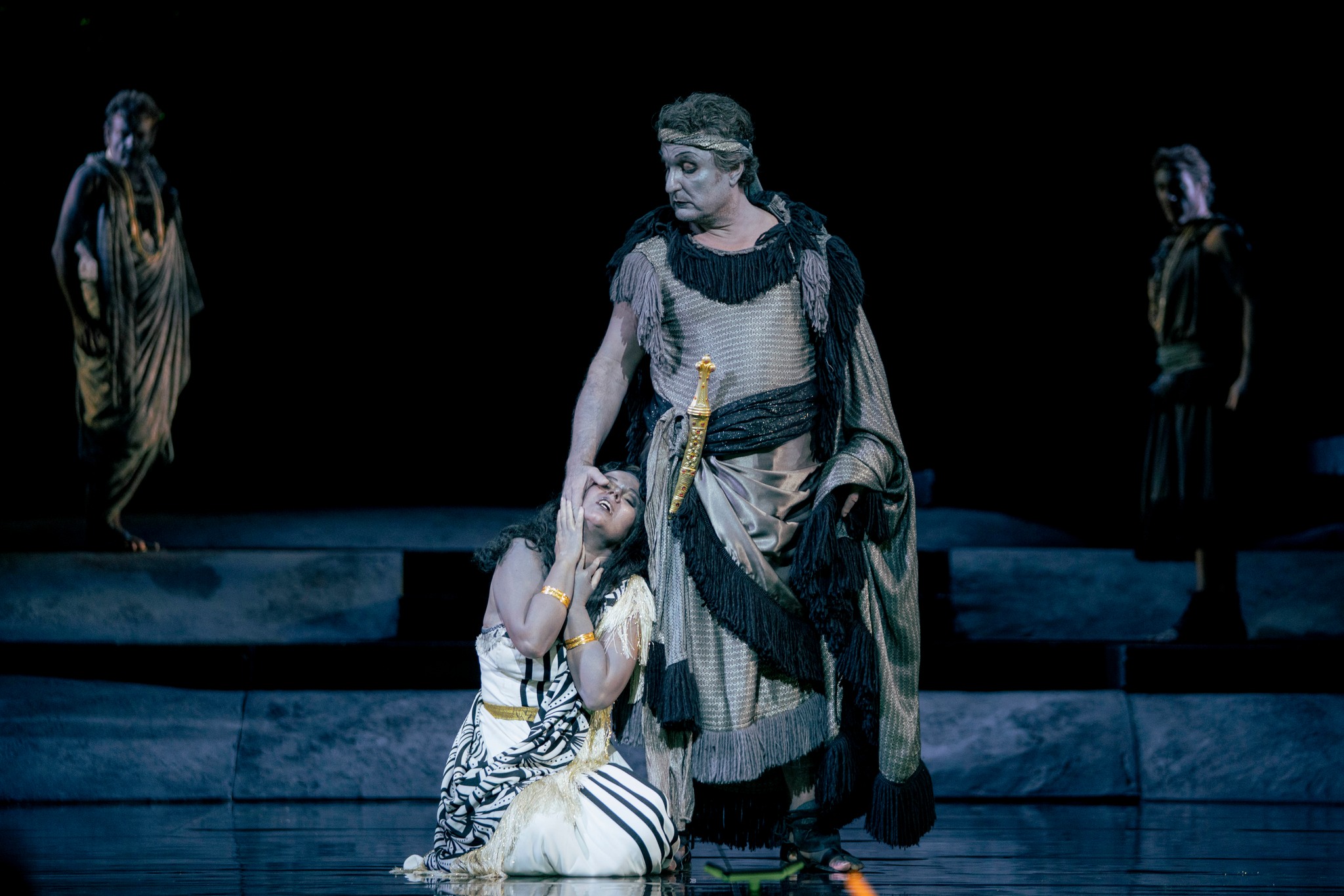
I’ve left Arsen Soghomonyan’s Radamès until last. I do wonder if he was under the weather and suffering from an unannounced indisposition. He’s a phenomenal artist, one who excels in those challenging, tormented roles such as Otello or Gherman. Radamès requires a bit of metal, but also considerable lyricism. It did strike me that, given his experience in playing those tormented characters, that he might have been more at home in Michieletto’s Munich staging, for instance. Soghomonyan got through ‘celeste Aida’ with sheer determination, those long phrases sounding more traumatized than romantic, the final high B-flat trumpeted out but faltering. Fortunately, he rallied and found his best form for the final scene, where he pulled back on the tone, shading it lovingly, and maintained support despite being made to lie prone on the floor. The voice is indeed massive, able to ride the massed forces with ease. Soghomonyan’s was an interesting Radamès and I would very much hope to hear it again when he’s back on top form.
Tonight’s Aida was an enjoyable introduction to this historic house. Livermore’s staging was certainly visual, if under-directed, and the choreography was unintentionally camp and comic. Kurzak and Soghomonyan were consistently interesting and committed, while Lemieux was electrifying, and Tézier filled his moments with vivid drama. Zanetti’s conducting was spacious and the orchestral playing excellent. Unfortunately, I can’t comment on the reception to the cast at the final curtain call, since I had to run due the to the evening ending a half-hour later than the scheduled running time and needing to catch the last train of the day. The initial cheers at the close, however, were enthusiastic.
 operatraveller.com
[…] and orchestra on magnificent form. In Monte-Carlo, Zanetti led a more restrained account of Aida in a risible staging by Livermore. Fortunately, Marie-Nicole Lemieux and Ludovic Tézier were […]