Puccini – La bohème
Mimì – Karen Gardeazabal
Rodolfo – Ştefan Pop
Marcello – Vittorio Prato
Musetta – Giuliana Gianfaldoni
Schaunard – Andrea Piazza
Colline – Davide Giangregorio
Benoît / Alcindoro – Nicolò Ceriani
Coro Voci Bianche del Teatro Comunale di Bologna, Coro del Teatro Comunale di Bologna, Orchestra del Teatro Comunale di Bologna / Martijn Dendievel.
Stage director – Graham Vick.
Teatro Comunale di Bologna – Comunale Nouveau, Bologna, Italy. Sunday, November 23rd, 2025.
Tonight marked the first night of this revival of the late Graham Vick’s award-winning production of La bohème. The house has cast it from strength, with an exciting young cast of Italian, Mexican and Romanian singers, under the direction of the gifted young Flemish conductor, Martijn Dendievel. It was clear right from the opening measures that this would be an exceptional Bohème. With a cast made up of Italian speakers and speakers of other Latin languages who also speak Italian fluently, there was an immediate sense that this was to be a performance where the text would live. Indeed, it made me reflect that Giacosa and Illica’s libretto is as much of a masterpiece as Puccini’s score, helped by the fact that tonight word, gesture, and music were completely and utterly linked.
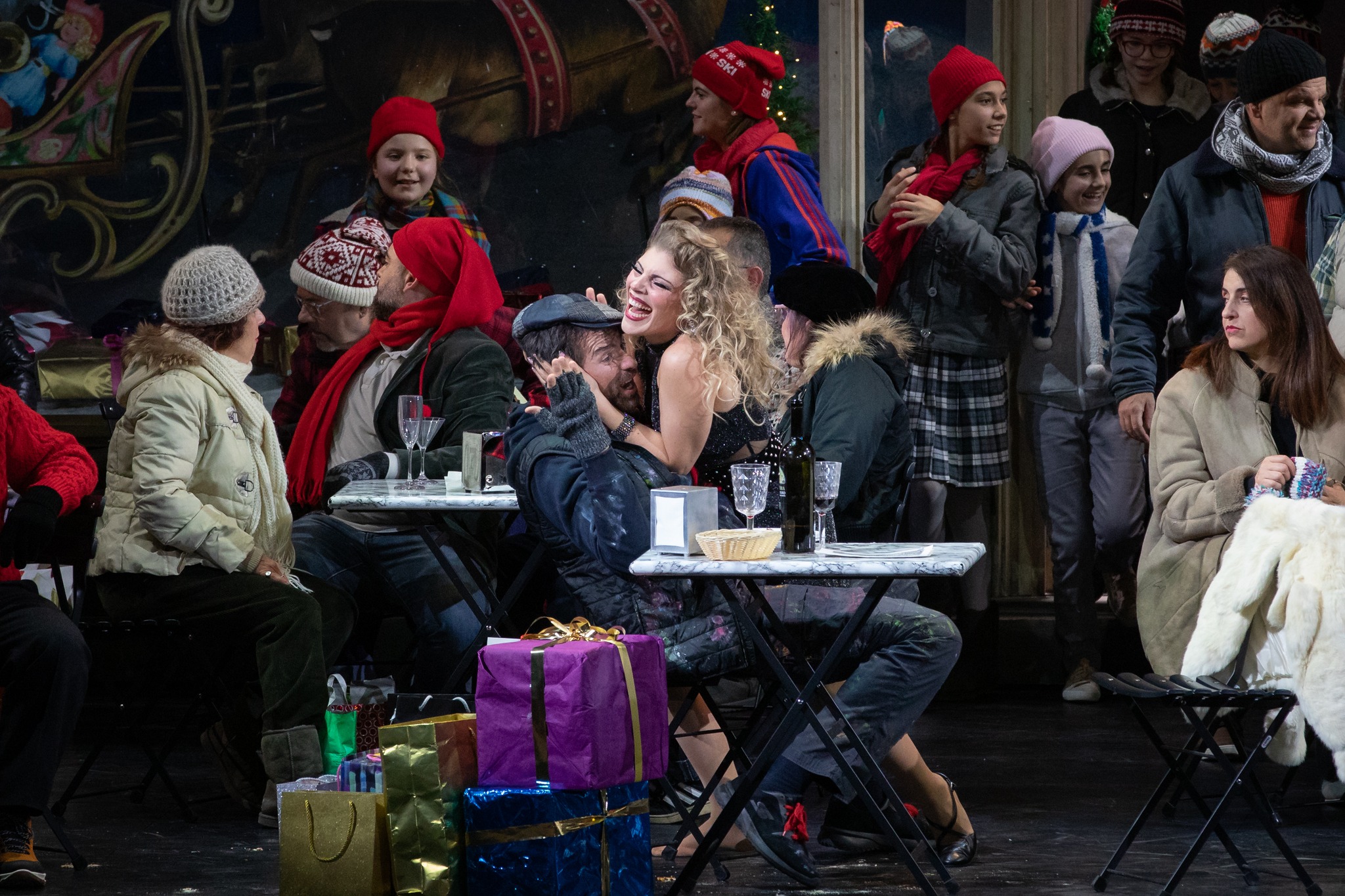
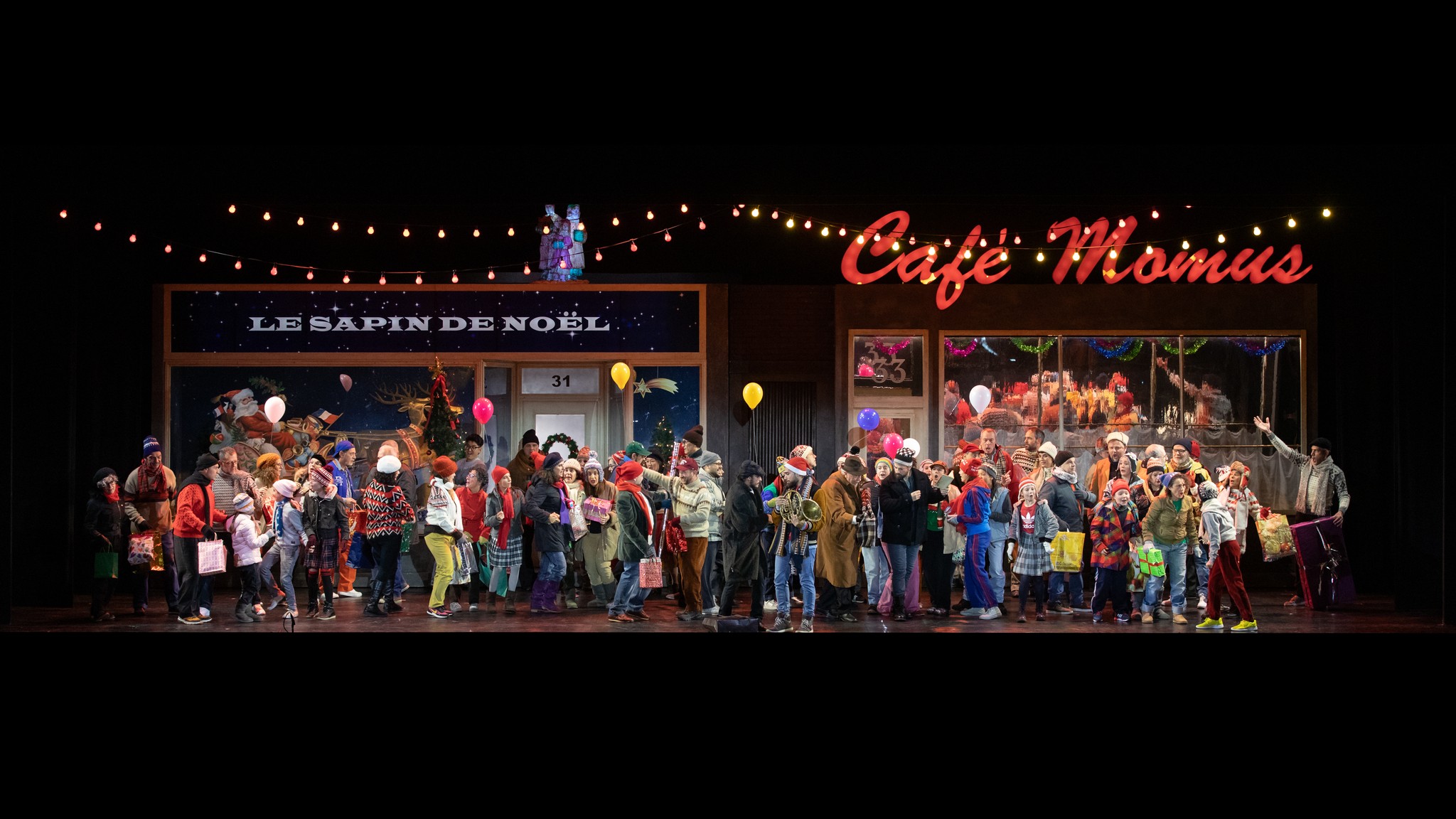
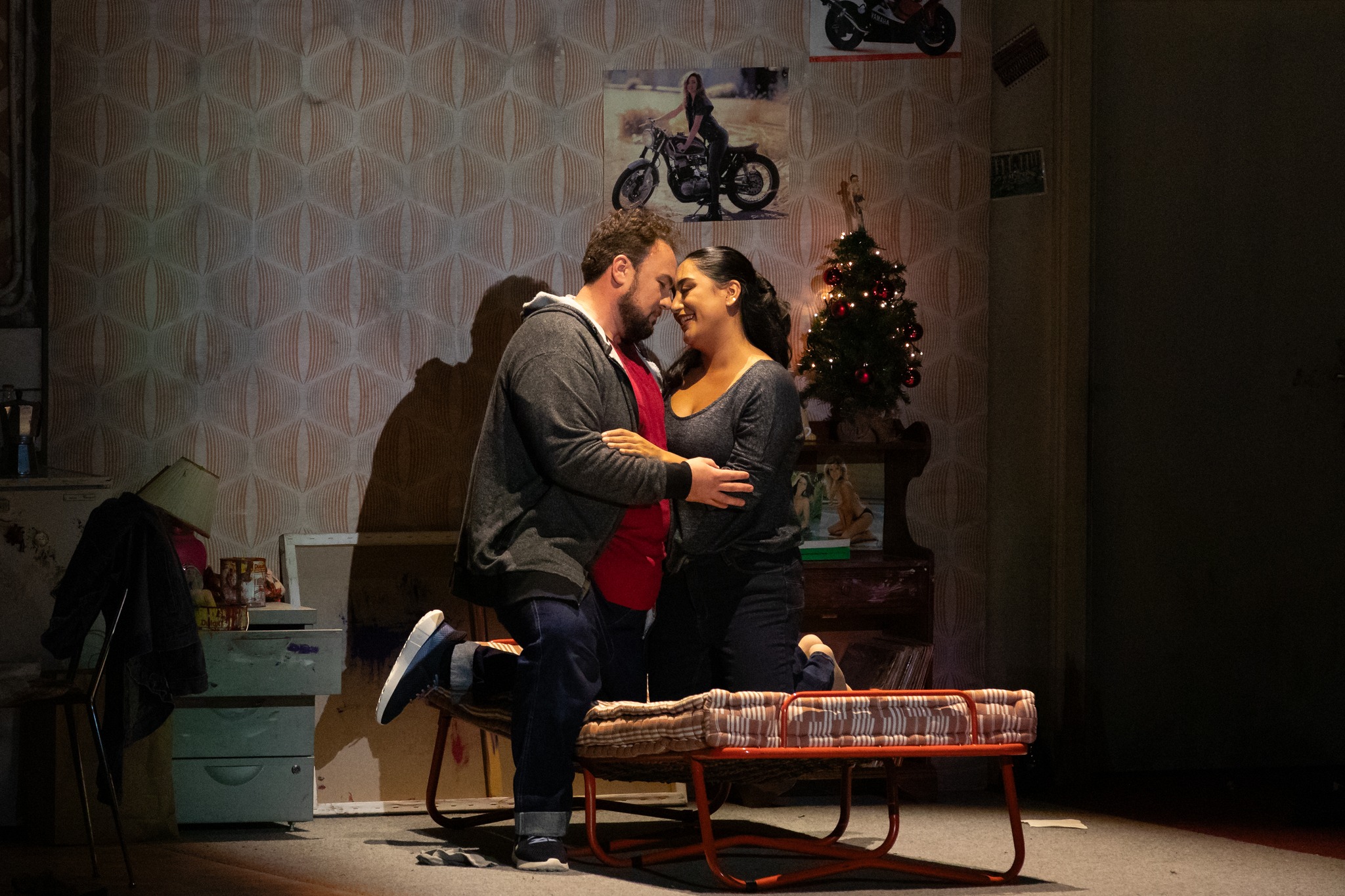
The production was revived by Ron Howell, Vick’s life partner, who brought us a deep understanding of Vick’s vision for the staging, working in collaboration with his co-director, Yamal das Irmich – a long-time associate of Vick’s. Vick sets the action very much in the modern day, representing a group of people who fully engage with each other. Each act has a distinct set, whether a student apartment with an ACDC poster in the first act, a bustling street with a sidewalk café in the second, or the Barrière de l’enfer staged as a grim suburb where a sketchy bar coincides with a men’s cruising ground – complete with violently simulated fellatio. In the final act, the first act apartment returns, shorn of its furniture, as if the students had given up on their bohemian life and were returning to perhaps a more bourgeois existence. In that respect, it felt that Vick takes us on a journey, taking us from the poor yet happy student days, to the fact that in the second half of the evening, those promises of happiness lead to a grimness and grittiness that lie beneath the surface. There’s a sense here that he’s telling us that happiness is fleeting, that life is grey and dangerous, and that relationships are transient. The first two acts are just as uplifting as they should be, the on-stage band dressed up as Santa Claus was a delightfully festive touch, and the stage bustling with activity most definitely raised the spirits. And yet, I did leave the theatre rather disturbed by the final tableau. There, Vick has Mimì left prone, expired alone and covered by a sheet, while the bohemians escape, possibly returning to that former bourgeois life, while Musetta grabs money that Colline had left on the table from selling his coat. I found it a confusing, even troubling, image. Perhaps here, Vick is attempting to say that the Bohemians lacked the maturity to cope with Mimì’s demise. Yet it left me with an unresolved sense and questioning of what the motivations of these people were, and stood in direct opposition to the wonder of those first two acts.
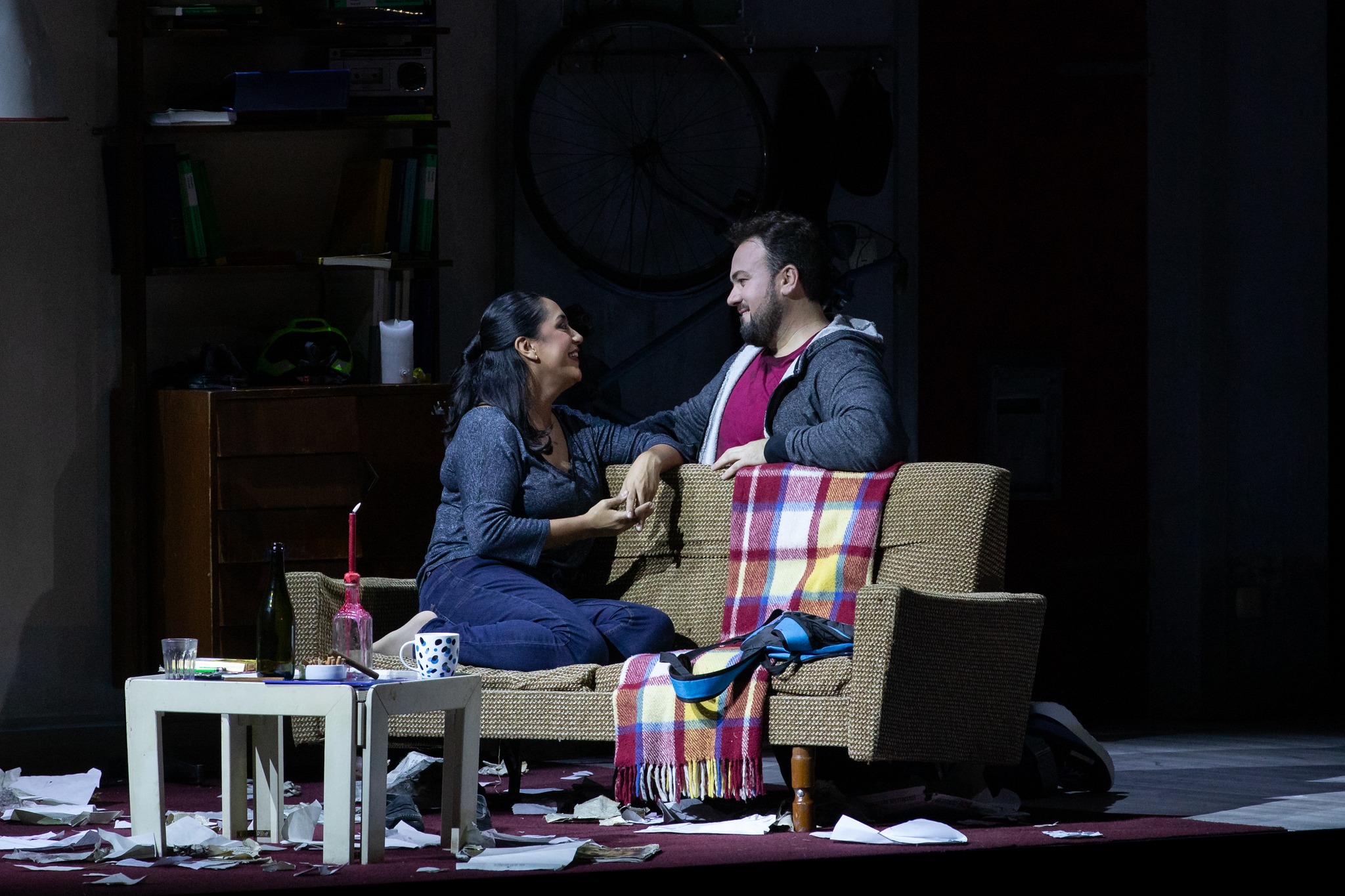
That said, throughout the evening the personenregie was detailed and intricate. That first encounter between Rodolfo and Mimì was wonderfully vivid. It was clear that that they had both pre-planned the encounter, the blowing out of the candles representing two people who wanted to give this meeting every possible chance of success. What also struck me in Vick’s direction, as realized by Howell and Imrich, is how geeky, almost awkward, Rodolfo was in his first interaction with Mimì, and how innocent and charming she was in her reaction to him. In Act 4, Rodolfo throws the pink hat into the garbage bin. At first it felt like the act of someone who wanted to forget his pain, after the final curtain I did wonder instead whether it pointed to Rodolfo feeling that Mimì was disposable. Vick’s staging is certainly complex and multifaceted, just like life, and gives us an enormous amount to consider and reflect on.
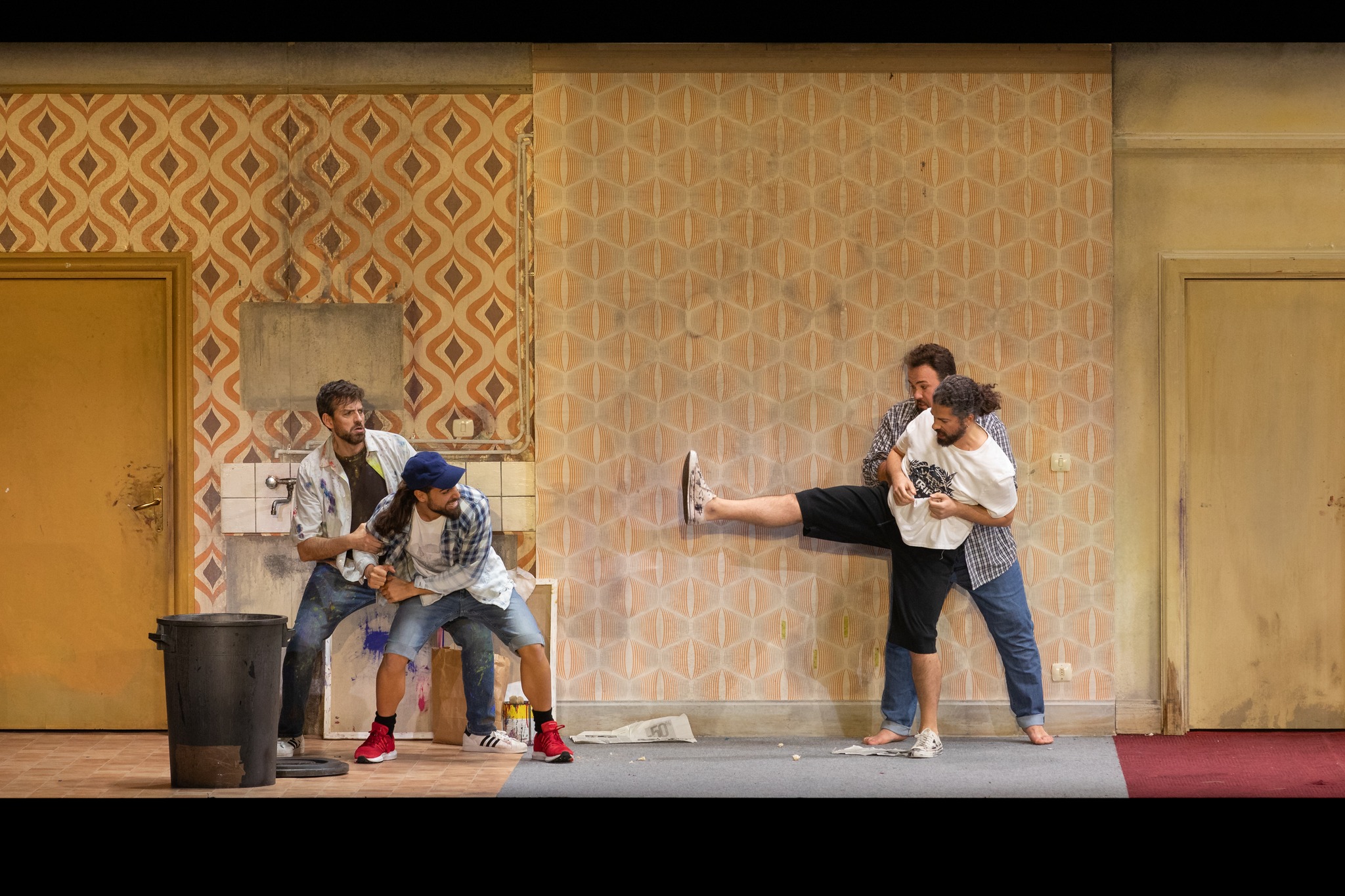
Musically, this was a remarkable evening. Dendievel conjured up magic in the pit with the Comunale orchestra. Even in the difficult acoustic of the Comunale’s temporary theatre, he obtained a phenomenal range of orchestral colour from his musicians, creating precisely those castles in the air through the sound of the orchestra. There was something so implicitly Italian in the way they phrased this music, their corporate sound completely married to the textures in the score. Dendievel’s tempi were wonderfully mercurial, changing in an instant from longing to rage, as they did in Act 3. He judged the final act perfectly, giving his singers space, yet never allowing the music to drag and lose life just as Mimì entered her final moments. He allowed the orchestra to take wing, filling the room with a glow of sound, yet never covered his singers, which meant that that glorious outpouring as Mimì and Rodolfo combined their voices in ‘o soave fanciulla’ completely overtook the listener, and allowed one to bathe fully in this magnificent combination of voice and orchestra. Again, this is an enormous achievement in a space as difficult as this. Even with his elastic and constantly-evolving tempi, Dendievel kept his singers with him, with stage-pit coordination absolutely tight throughout the evening – with one tiny exception in the ensemble in the first scene, completely expected on a first night. When Mimì and Rodolfo first met, it made me reflect that the coup de foudre doesn’t come with a loud bang, but in the gentle realization of muted strings. He clearly enjoys a fantastic relationship with this tremendous orchestra. This may be Dendievel’s first Bohème, but I very much hope it will be the first of many.
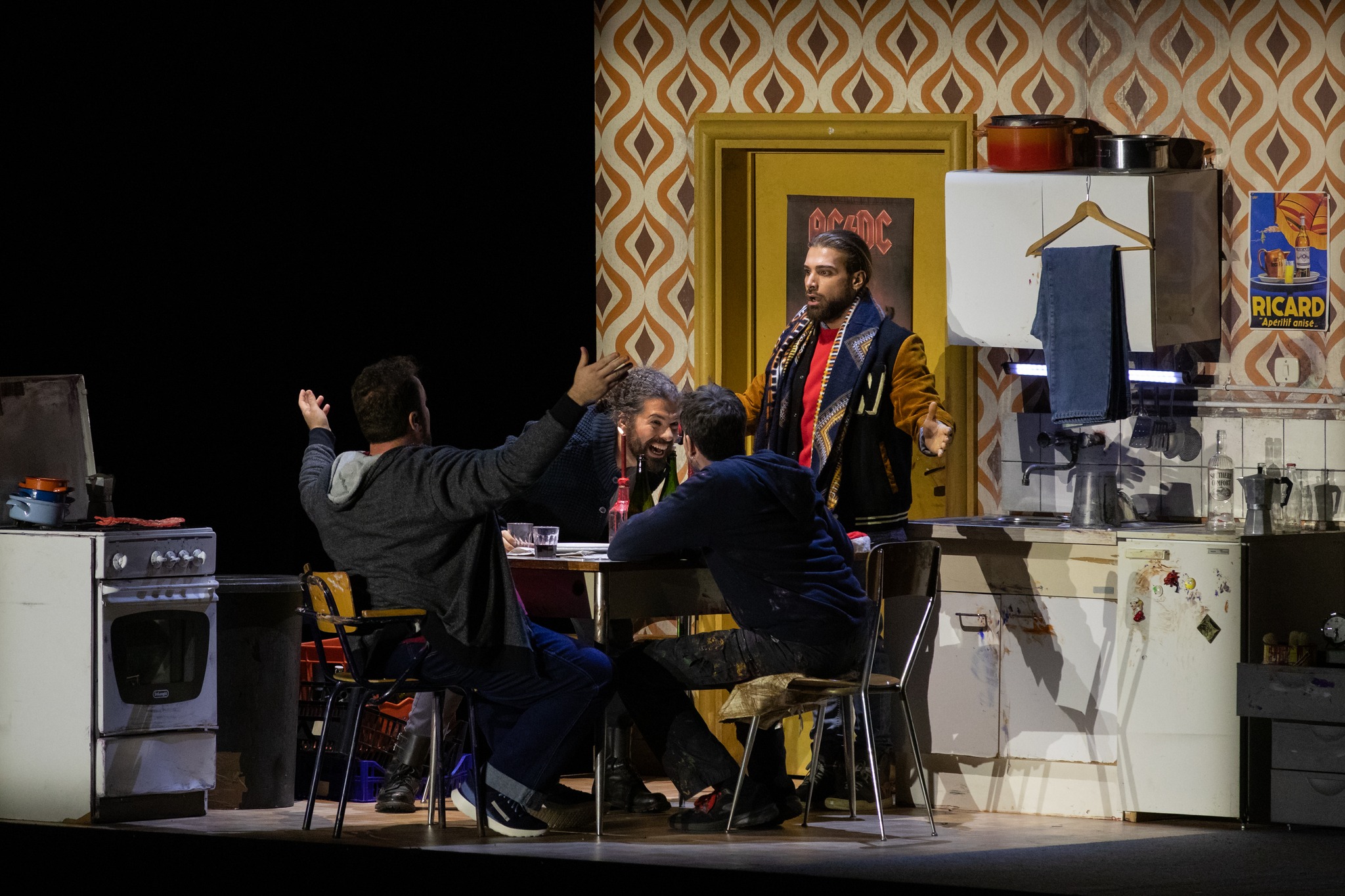
Of course, it helped that he had such excellent singers at his disposal. Karen Gardeazabal gave us a glorious Mimì. The voice has the crystalline purity of spring water, yet she was able to soar with ease over the surging textures, opening up on top in rosy pulchritude. She has so much musicality in her singing, phrasing the music with love and affection. Those lines in Act 4, when she expressed her love for Rodolfo, the voice descending to a rich chestiness and then crossing through the registers to open up on high beautifully, all with total evenness, were simply ravishing. So much of what Gardeazabal achieved was in total union of text, note, and gesture, her understanding of all three so deeply implicit and genuine. Her technique is fabulous, able to control the dynamics so fully, the voice so well supported from top to bottom. Gardeazabal gave us a lovely piece of singing and moved me immensely tonight.
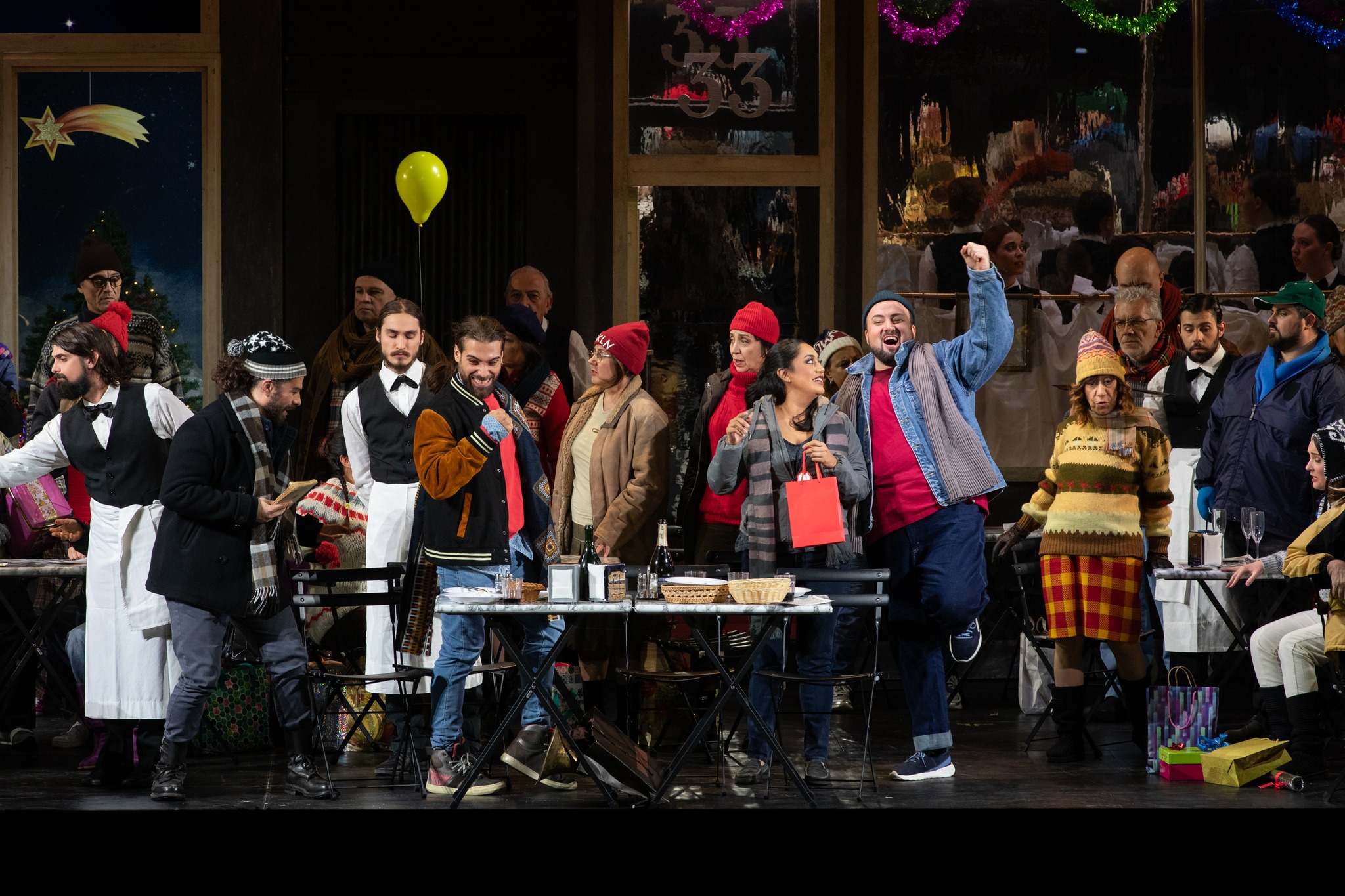
Ştefan Pop sang Rodolfo in his warm, Italianate tone. He opened up nicely on top in his ‘che gelida manina’, the high C full and bright, phrasing his music with love and affection. Having had the pleasure of hearing Pop on other occasions, it did strike me that there was a touch of graininess to the tone tonight that I hadn’t previously heard in his singing, suggesting that he might have been suffering from an unannounced indisposition. That said, he was so fully committed to the role, just as with his castmates, bringing both the text and music to life through his utterly convincing acting. The awkwardness in his first interactions with Mimì were so deeply affecting, and he used the text so fully to colour the tone.
As Musetta, Giuliana Gianfaldoni gave us a scintillating ‘quando me’n vo’. The voice has an agreeably fizzy core and a diamantine top, well supported and able to fine down the tone to an impeccable pianissimo that still manages to carry into the room. Vittorio Prato sang Marcello in a big, burly baritone, with plenty of swagger. The tone was always secure, never hectoring, and he sang with generosity. Davide Giangregorio sang his air to the coat in a warm, lugubrious bass, rich and full on the bottom, with a healthy core to the sound. Andrea Piazza’s Schaunard was handsomely sung, his baritone also firm in tone and well projected. As Benoît and Alcindoro, Nicolò Ceriani made so much of his scenes, bringing a terrific comic timing, making his familiar lines seem fresh and newly minted. As one has come to expect here, the choruses were superb. The adults, prepared by Gea Garatti Ansini, sang with the utmost discipline and warmth of tone. Their off-stage contributions to Act 3 were notable for an impeccable unanimity of attack and dynamics. The children, prepared by Alhambra Superchi, were deliciously extrovert and enthusiastic.
On so many levels, this was a glorious Bohème. There’s a reason why this is one of the most performed operas in the repertoire, and tonight it felt that we heard and saw it as new. Vick’s staging works particularly well in the first half of the evening, capturing extraordinary moments in the lives of ordinary people. Upon reflection, I’m not completely convinced by the second half, in particular Act 4, but even with these reservations, the impact was still there and it was incredibly moving, thanks to the excellent cast. Gardeazabal’s Mimì was very special indeed, and we were given an ensemble cast that truly lived and experienced this music. Dendievel’s conducting was exceptional, leading an orchestra that lives and breathes this music, achieving wonders in terms of orchestral colour, and giving us a reading that was quixotic in its living tempi. A night to remember and, once again, showed this estimable theatre at its very best.
 operatraveller.com
[…] may have been performing its staged opera this year in its temporary theatre, but they gave us a Bohème that made this well-performed work seem utterly fresh and new. Martijn Dendievel led that […]
[…] gave us a spectacular 2025, with that magnificent Götterdämmerung in October and the glorious Bohème in November. This year is rather more modest in scope, with no staged opera after June, […]