Verdi – Macbeth
Macbeth – Luca Micheletti
Banco – Maharram Huseynov
Lady Macbeth – Lidia Fridman
Dama – Chiara Polese
Macduff – Giovanni Sala
Malcolm – Riccardo Rados
Medico – Luca Dall’Amico
Sicario – Tyler Zimmerman
Coro Teatro Regio Torino, Orchestra Teatro Regio Torino / Riccardo Muti.
Stage director – Chiara Muti.
Teatro Regio, Turin, Italy. Thursday, February 26th, 2026.
This new production of Macbeth at the Teatro Regio Torino is very much a family affair. Riccardo Muti, a conductor who more than any other currently active is identified with the music of Verdi, leading a cast directed by his daughter, Chiara Muti. This was a return to the house for Muti père following his Un ballo in maschera here exactly two years ago. That Ballo also featured Luca Micheletti and Lidia Fridman, who tonight took on the roles of Macbeth and his Lady. As one might imagine, demand for tickets for this production has been immense and the house was absolutely full for this evening’s performance.
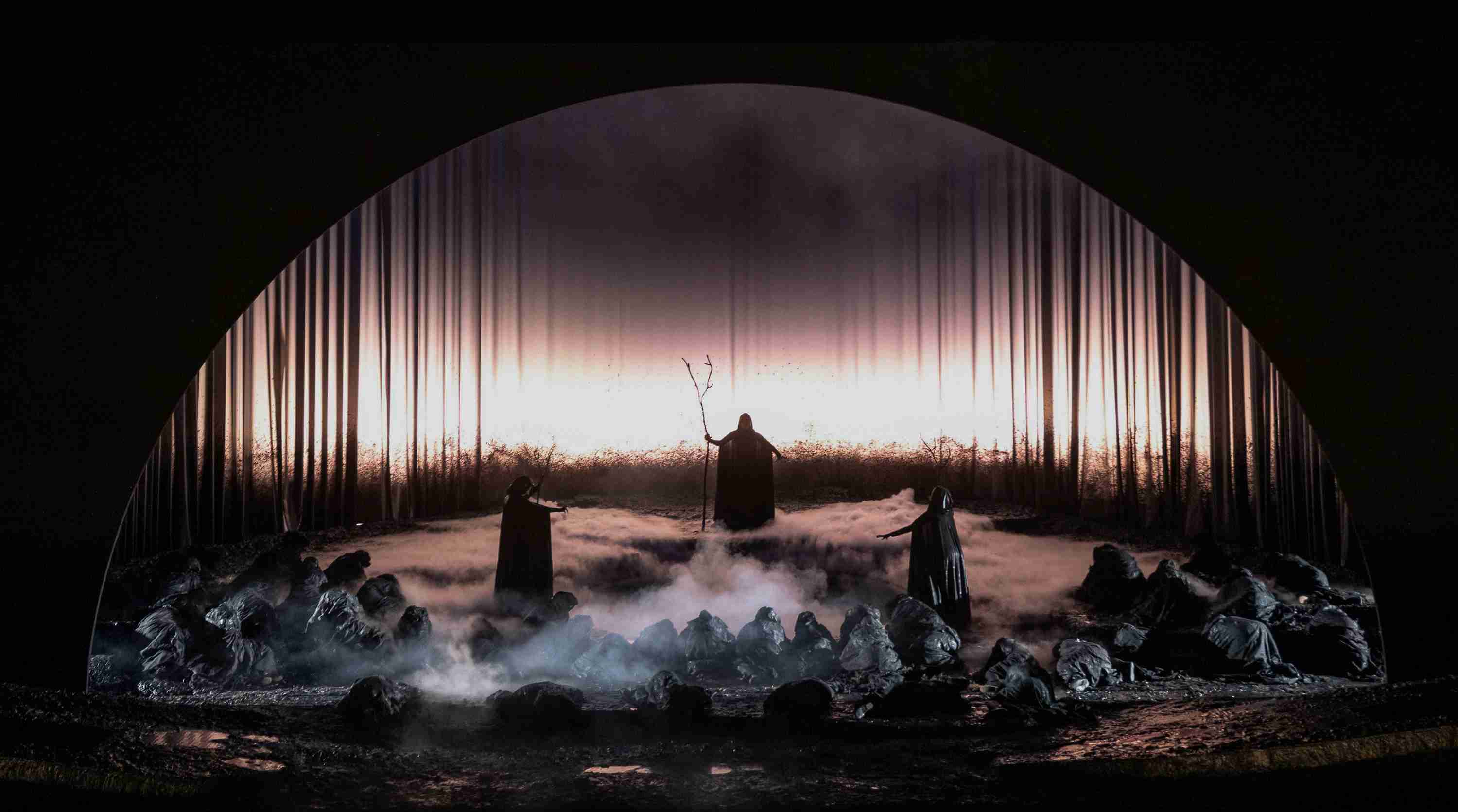
Muti junior’s staging is a very visual one. Yet it’s also one that seems to be implicitly connected to the libretto. The single set, by Alessandro Camera, is centred around a large, circular pit, perhaps in reference to Macbeth’s declaration of ‘Va’, spirto d’abisso!… Spalanca una fossa, o terra, e l’ingoia…’ during the banquet scene. The pit represents both the witches’ cauldron and is also used for characters to enter and exit. It struck me that Muti was making a point about how all the characters are fundamentally and conventionally evil, and that the lust for power drives violence. Particularly so in the case of Lady Macbeth. I don’t think I’ve come across a staging before that makes her hunger for power so potent in its physicality, dominating a Macbeth who seems uncertain of following the path the witches and his Lady had set out for him. It also struck me during the banquet scene that perhaps the murderous rampage that the Macbeths embark on was simply a game in a flawed marriage. During the brindisi, a group of danseuses gyrate around Macbeth, while, almost in a jealous response, Lady Macbeth then starts flirting with the male guests. I also found it interesting how Muti stages the opening witches’ chorus, centring it around three principal witches who dance around the cauldron, while the chorus camouflage themselves on the ground, only to stand up and start to gyrate wildly while singing. I have no doubt the chorus was having a wonderful time in their exaggerated gyrations, although at the same time it did flirt with being risible – my seat neighbours certainly found it hysterically funny.
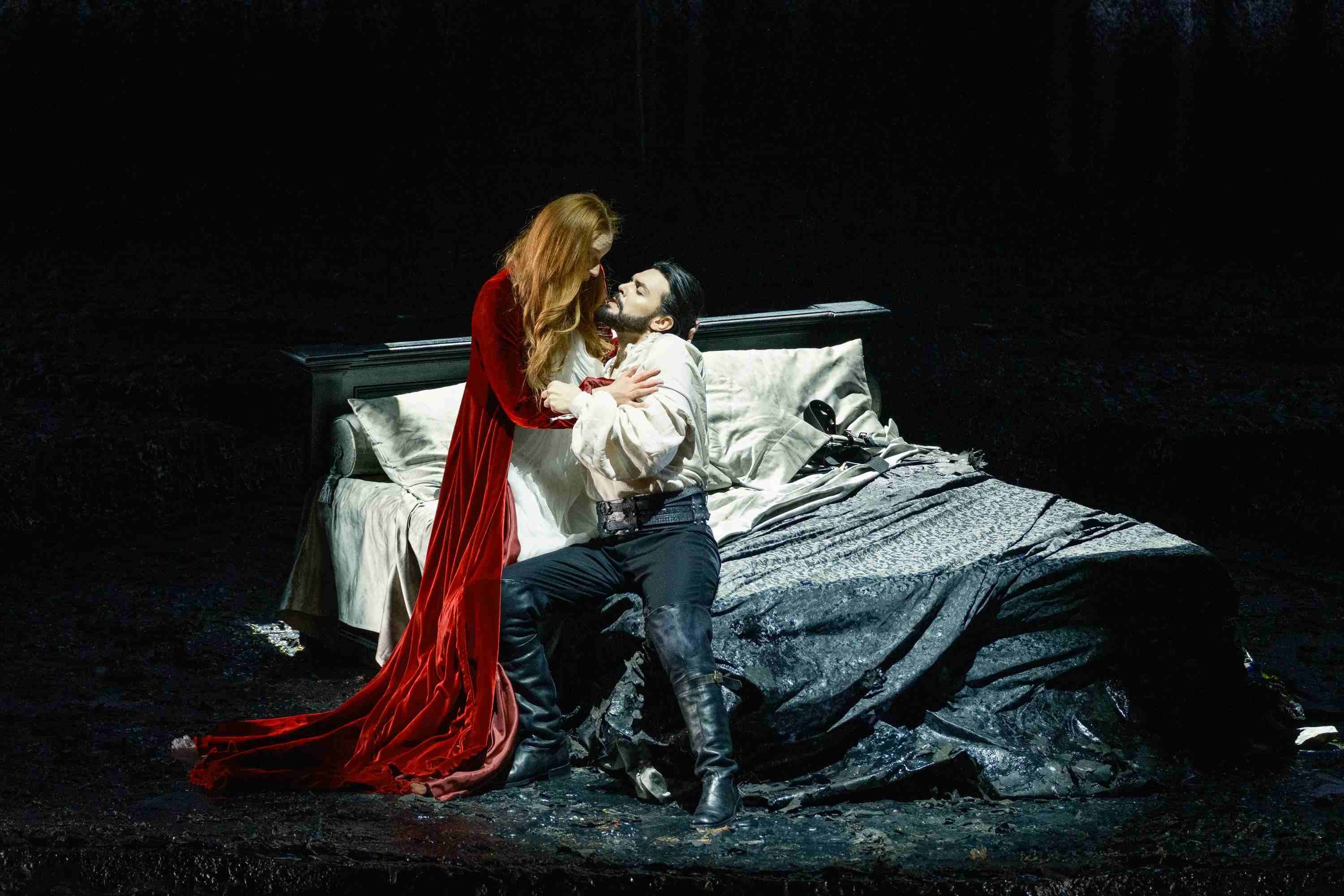
While the staging was positively well thought-through and connected to the libretto, there were also a few aspects that didn’t quite convince. Muti’s direction of the principals did consist of a considerable amount of standing and emoting to the front. In the opening scene, Banco addressed the witches with ‘Chi siete voi?’ although he had never actually looked at them. The Act 3 ballet was also somewhat unclear in its visuals. While we did have the sight of the danseurs gyrating around the set, the image of a feminine figure descending from the flies, gesturing to Banco’s son who was wandering the set randomly around the ghosts, was definitely interesting to look at, although I’m not quite sure what Muti was aiming at. The young man who portrayed the son was also very brave given he was held aloft and carried around the set by the danseurs. Still, there were many interesting visuals throughout the evening that will certainly stay in the memory. Particularly, in the way Lady Macbeth walked around the set in the sleepwalking scene, walking through the moving Birnam wood, unaware of its significance. I’ll also take with me how Lady Macbeth started her opening scena while removing her cloak, putting it on the floor, and then lying prone on it. It’s undoubtedly a thoughtful and comprehensive staging, even if the direction of the principals was occasionally rudimentary.
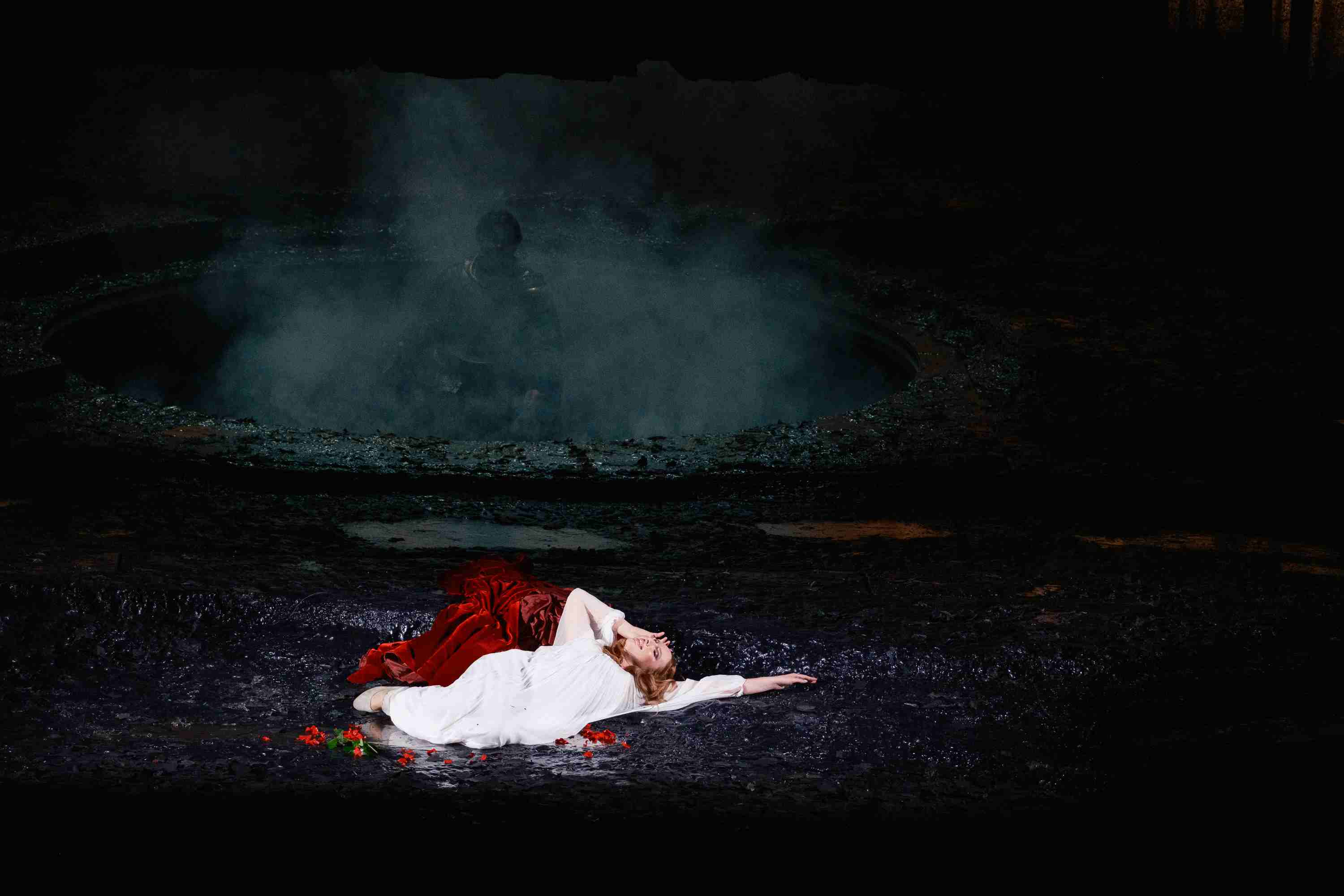
Somehow, despite the standing and delivering, the evening lived thanks to Muti père’s musical direction and the clarity and commitment of the diction of the principals. Sadly, the momentum of the evening wasn’t helped by the addition of a second intermission after Act 1, instead of the customary single intermission between Acts 2 and 3. It didn’t look like the set actually needed it and the result was that it took us out of the drama and also meant the evening took 4 hours, ending just before midnight. Muti conducted the work with his lifetime of understanding of Verdi’s music. The Regio orchestra did seem a little surprised with his swift tempo for the prelude, the strings scrappy in approach. Fortunately, they quickly settled down and Muti took ‘Le sorelle vagabonde’ at a terrifically zippy tempo, the Regio chorus’ sopranos and mezzos keeping up with precision. Muti also solicited a beauty of phrasing from the Regio orchestra that was impeccably Verdian, the melodies were phrased with the utmost beauty and lyricism, while also bringing out the sheer darkness and richness of the score’s nocturnal tinta. I found Muti’s tempo transitions to be so ideally judged, pulling us in and taking us on the journey. He also asked the strings to pull back on the vibrato for ghostly effect. The violins handled the delicate high-lying writing of the sleepwalking scene with elegance, and I don’t think I’ve ever heard before how the pizzicati in the lower strings echo the sound of Lady Macbeth’s footsteps. Other than that aforementioned brief patch of scrappiness at the start, the playing of the Regio orchestra was excellent, notably the wonderfully cantabile solo clarinet and the bright and penetrating trumpets.
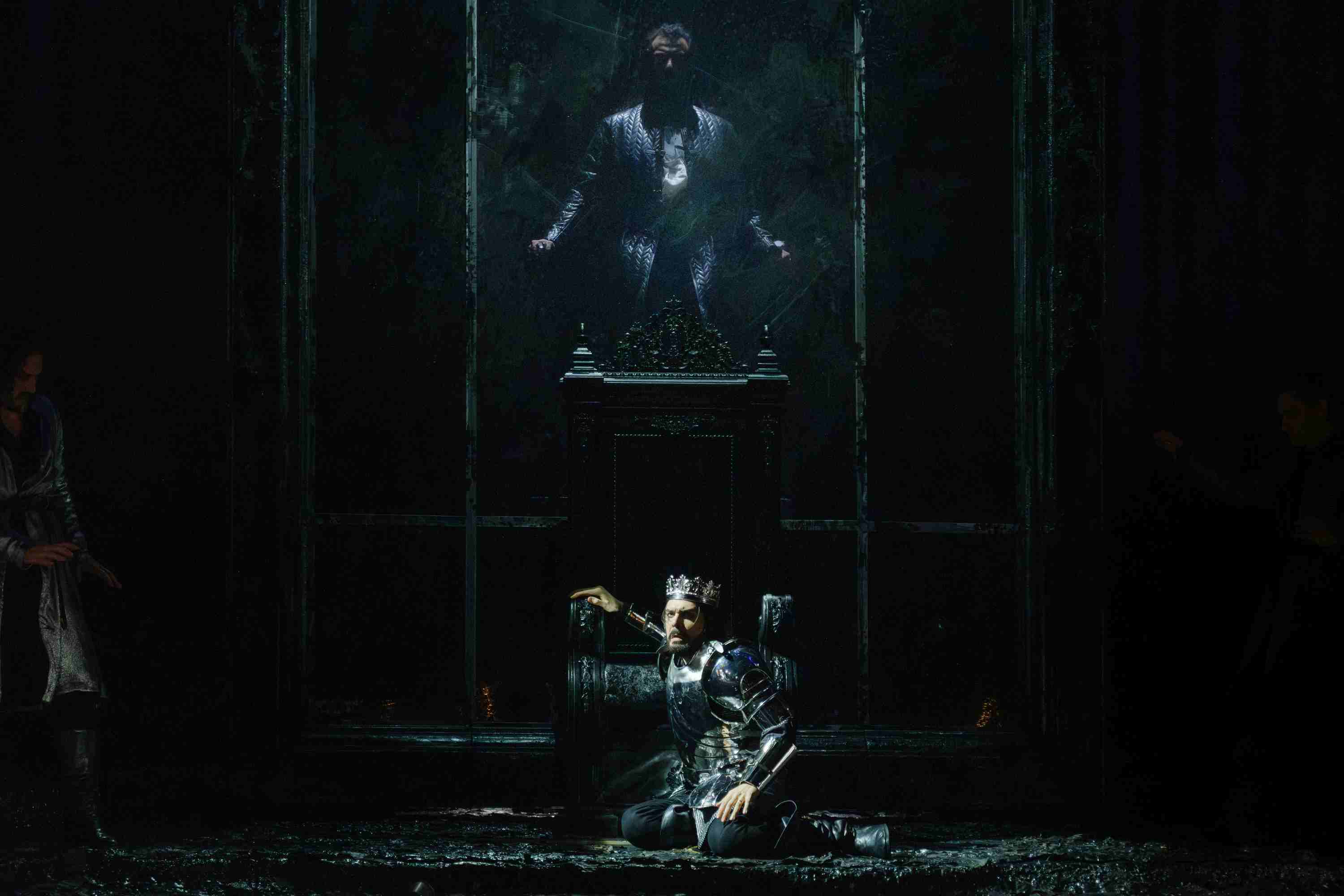
Micheletti brought his customary textual awareness to the title role. He manages more than any other singer to really bring out Macbeth’s journey in the eloquence of his diction. His baritone is in excellent shape, firm and handsome, although I must admit that I did leave with a doubt that the role is slightly on the high side for him – the declamatory higher writing sounding as it needed a bit of heavy lifting in the support. As always with Micheletti, his breath control is superb, those long legato lines sung with impressive smoothness yet never to the detriment of bringing out emotion. He rose to a ‘Pietà, rispetto, onore’ that was Shakespearean in its emotion, sung with such genuine feeling, the complexities of Macbeth’s psyche brought to the fore – as indeed it was throughout the entire evening. Another notable Verdian role from this superb artist.
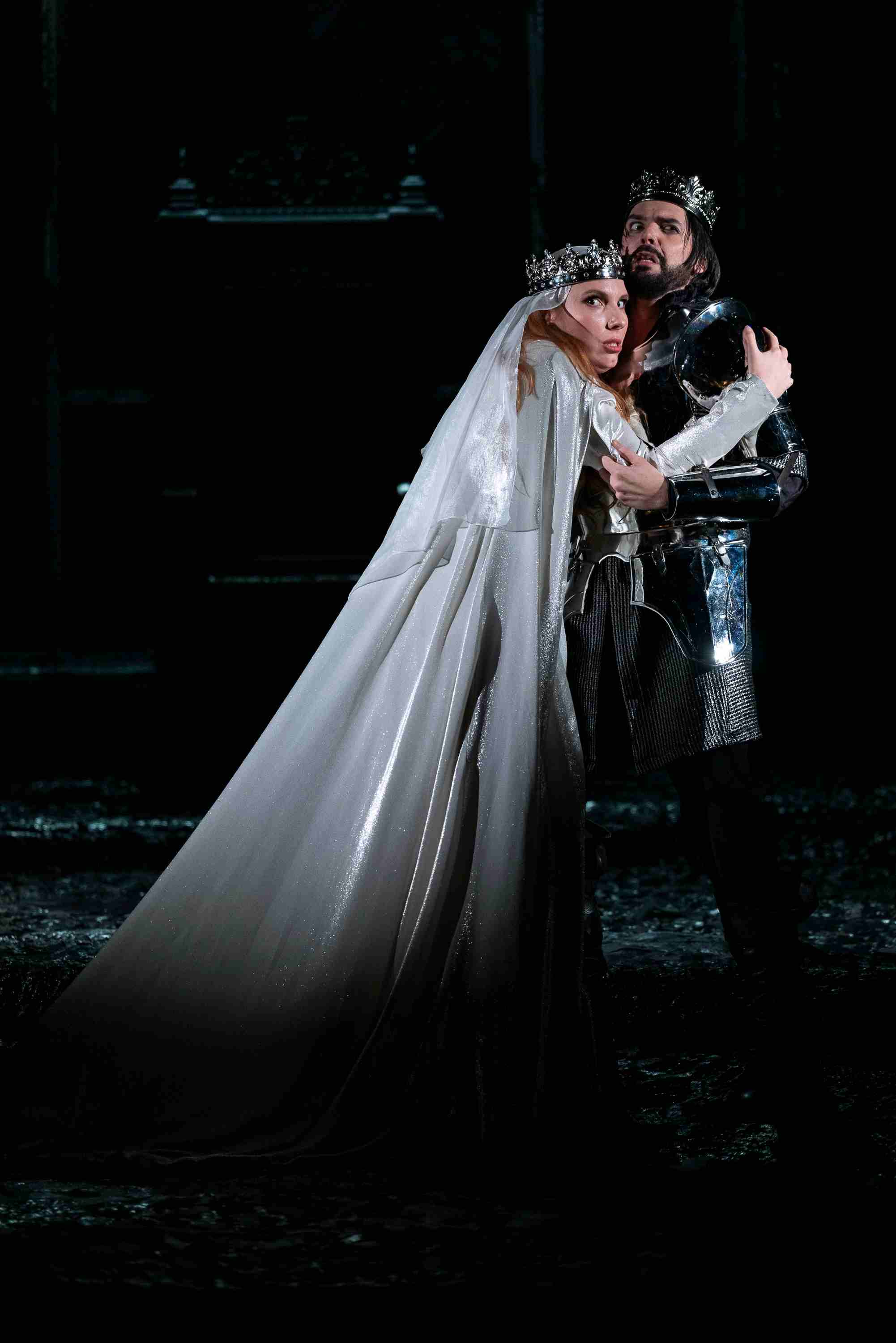
Fridman darkened her auburn-toned soprano for her opening scena. She trained and lives in Italy and has a deep understanding of the style. She turned the corners impressively in her cabaletta, giving us both verses – although sadly the second wasn’t ornamented, something I know Muti insists on even if ornamentation is central to the early Verdian style. Fridman sang the role in excellent Italian, similarly bringing out so much insight in her use of the text. The way that she repeated ‘Nuovo delitto?’ in ‘La luce langue’, convincing herself of further murderous acts, was utterly spellbinding. Fridman pulled the tone back in her sleepwalking scene and sustained the treacherous ascent to the high D-flat impressively, even if the tone was slightly tight as she reduced the dynamics. After her impressive Lucrezia Borgia in Rome last year, Fridman is certainly taking her place as one of the most interesting singers of the Italian repertoire today.
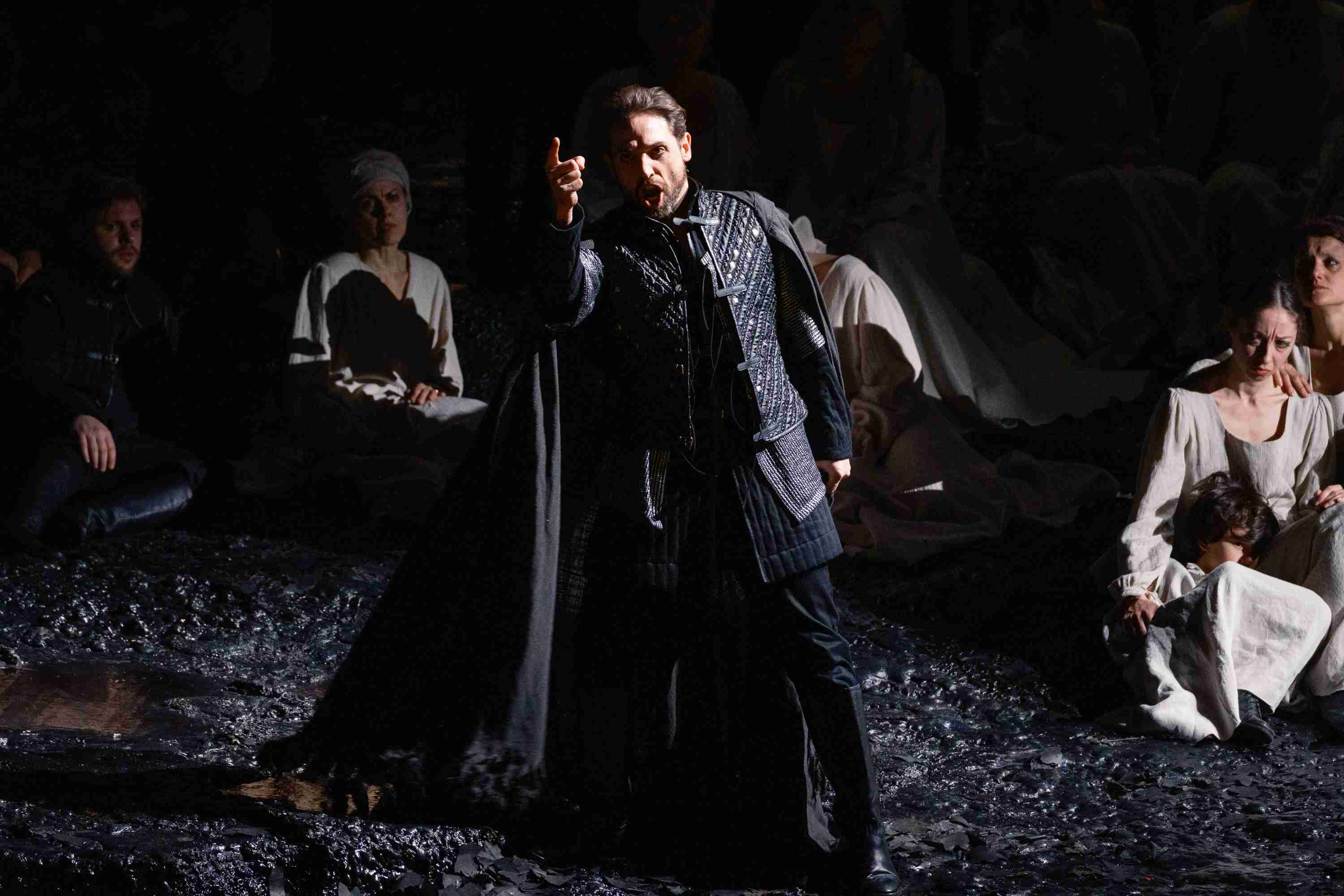
Giovanni Sala was Macduff. His ‘Ah, la paterna mano’ was a seriously classy piece of singing. He sang with gloriously long lines, a fabulous legato, and the kind of satisfying, implicit musicality that cannot be taught. His compact tenor carried well in this large house and he poured out the tone, never forcing the voice to be bigger than it naturally is. Most impressive. Maharram Huseynov sang Banco’s aria in his big, resonant bass, the tone rich and warm. The supporting roles were all very well taken: Riccardo Rados was a confident Malcolm, Chiara Polese sang the Dama in a bright, crystalline soprano, while Luca Dall’Amico brought his generous bass to the role of the Medico. The Regio chorus, prepared by Piero Monti, sang with impressive unanimity of ensemble. The difficult syncopations of the Coro di Sicari was dispatched with panache, the basses particularly resonant. They made a tremendous noise in the final chorus, filling the house in a golden glow. This was a big night for them and they more than rose to the challenge.
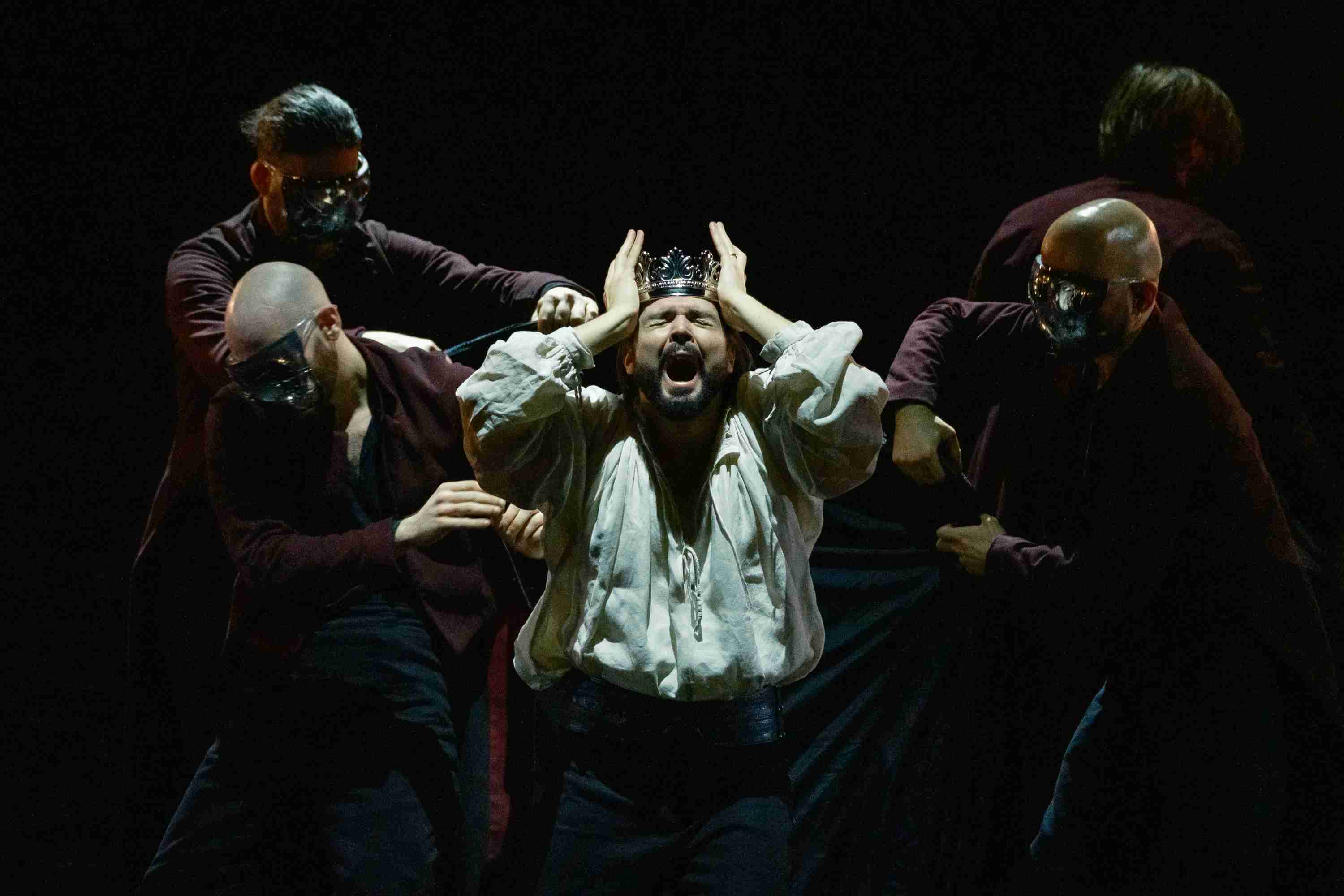
There was so much to enjoy and appreciate in tonight’s Macbeth. Muti junior’s staging was visual and engaging, even if the direction of the principals was occasionally a bit statuesque – although the cast very much managed to communicate actions and text clearly. It was also a night to cherish for Muti père who conducted the work with that lifetime of understanding and experience of Verdi’s music that pulled us in and made the evening live. We were also so fortunate to have a group of principals very much at one with this vision. The audience response at the close was extremely generous, particularly so for Micheletti, Fridman, and Sala. As for Muti, the cheers as he took the podium at the start of the evening and the wall of acclaim as he took to the stage at the end said so much about the audience’s affection for him. Undoubtedly, a night to remember.
 operatraveller.com