Verdi – Messa da Requiem
Soprano – Pretty Yende
Mezzo-Soprano – Caterina Piva
Tenor – Pene Pati
Bass – John Relyea
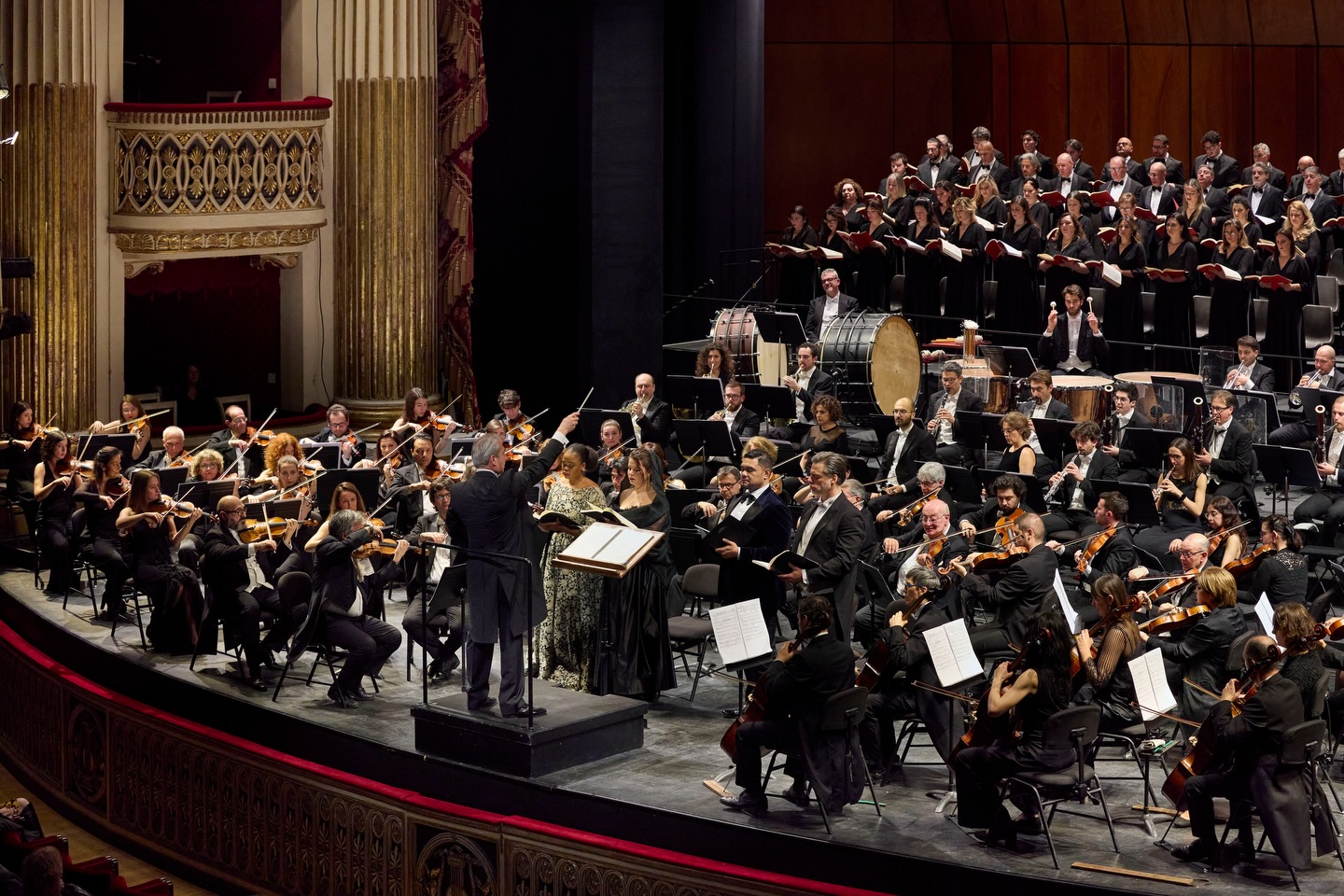
Coro del Teatro di San Carlo, Orchestra del Teatro di San Carlo / Nicola Luisotti.
Concert performance.
Teatro di San Carlo, Naples, Italy. Friday, February 27th, 2025
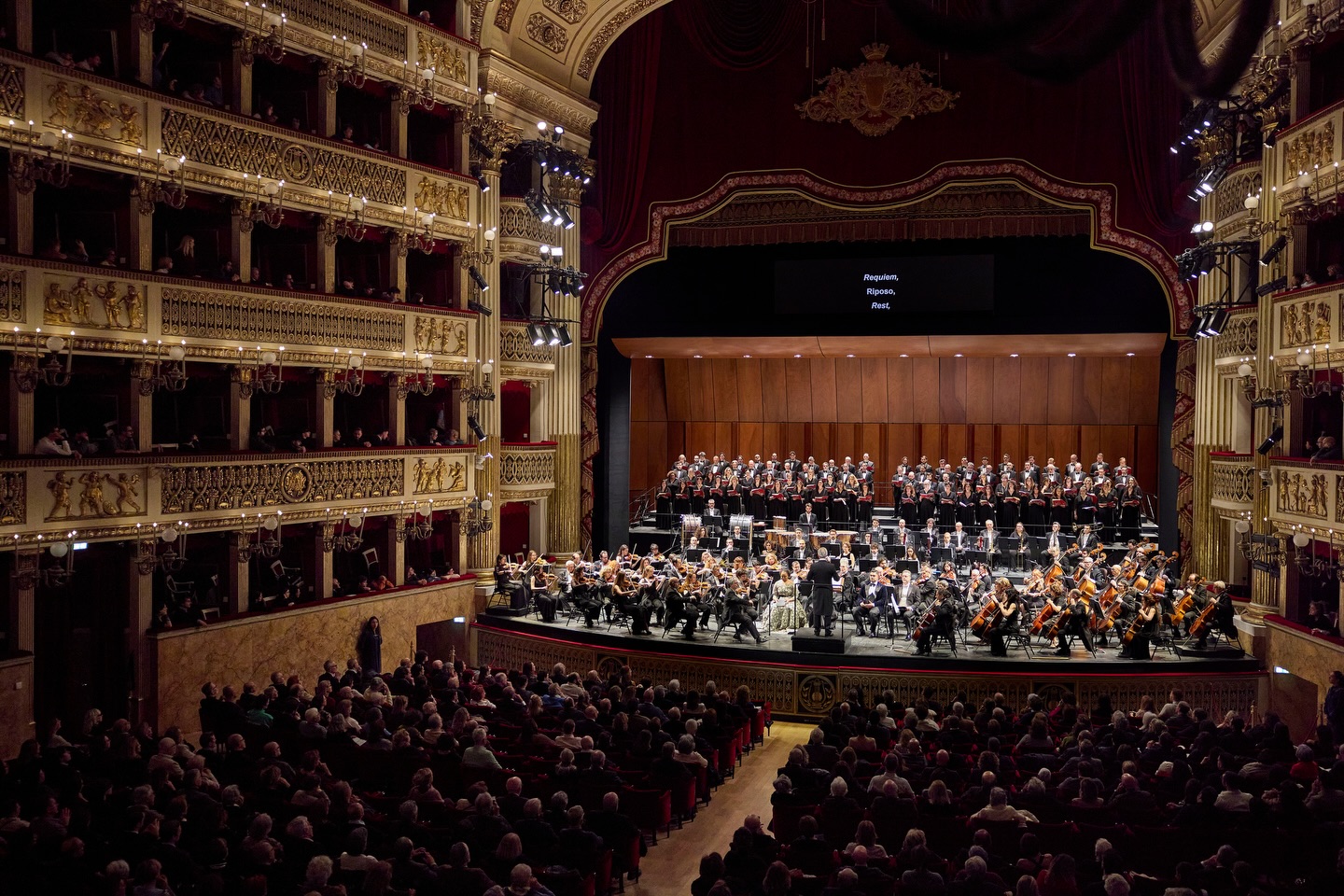
This evening marked the first of two concert performances of the Verdi Requiem at the Teatro di San Carlo. The cast wasn’t quite as initially announced, with Caterina Piva taking the mezzo part replacing the originally-announced Elīna Garanča. The remainder of the cast was unchanged, while Nicola Luisotti was charged with the musical direction of the evening. Following my visit to the San Carlo last month, the visitor experience remains problematic. Despite having limited cellphone coverage in the auditorium, the performance was frequently punctuated by ringing phones and text alerts. Luisotti’s coaxing of the performance, opening from an almost complete nothingness, was hampered by the sound of the ushers at the rear of the platea chatting and manipulating a very noisy door. There are a few very small steps the theatre could take to massively improve the experience, as I outlined last month.
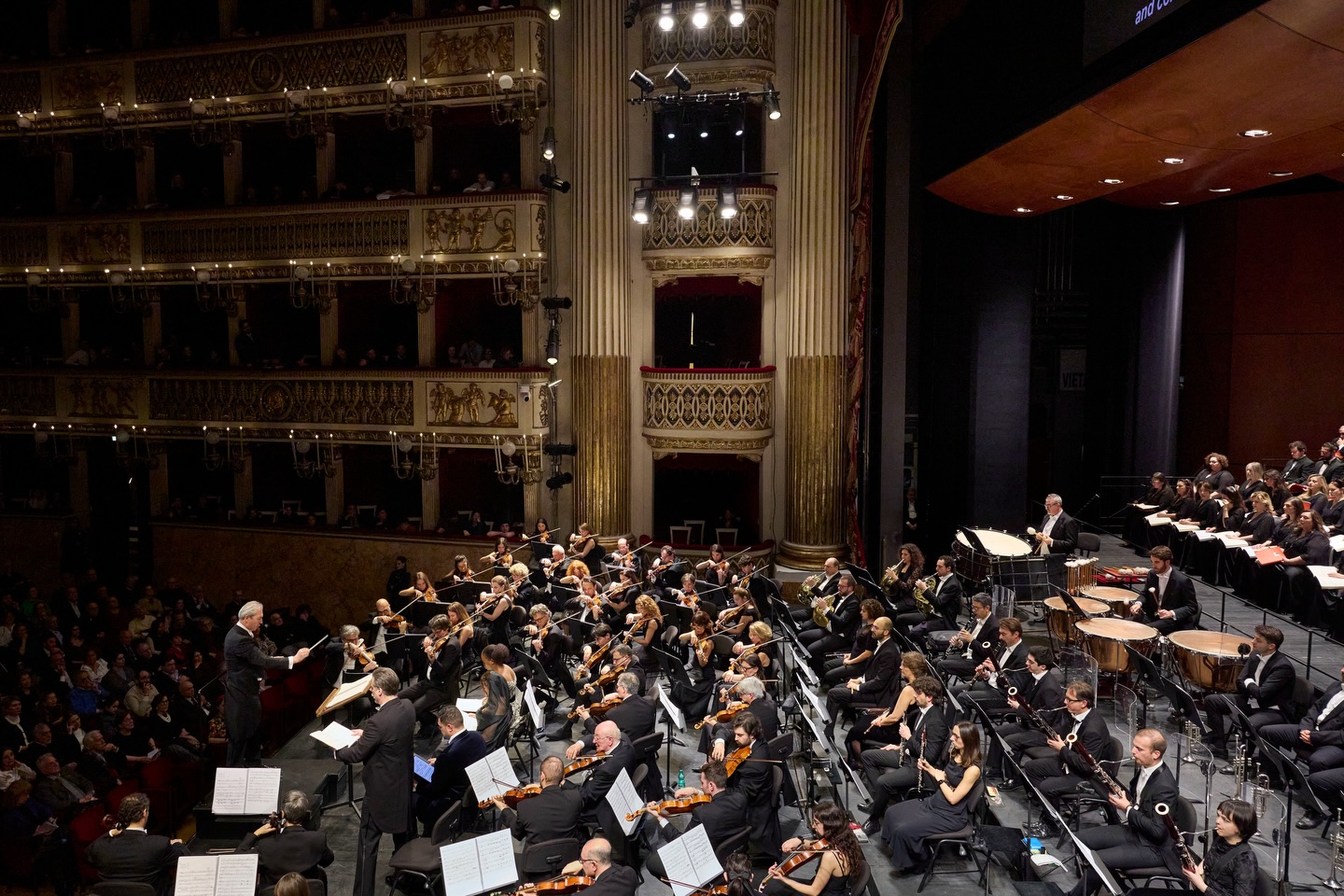
So often, performances of the Verdi Requiem seem to take either a devotional or theatrical approach. Luisotti was very much in the latter camp. This was an evening that was utterly thrilling from the first measure until the very last, the eighty-five minutes passing as if in an instant. Luisotti phrased the work as an almost complete arc, splitting the work into two, with the ‘requiem’ leading into the ‘dies irae’ without a break, and then the ‘offertorio’ onwards also without a break. In so doing, he gave us an experience that grabbed us and just didn’t let go. This wasn’t a performance for those who were looking for comfort or supplication. Instead, it was vibrant, certainly loud, and most definitely full of horror. The ‘kyrie’ pulled us in with urgent supplications, and the ‘dies irae’ that followed was exhilaratingly loud, fast, and the percussionist whacking the two bass drums simultaneously made the most tremendous noise. Luisotti sculpted the ‘tuba mirum’ in blocks of sound, building it up with inexorable tension, each choral layer – particularly with the tenors shining out of the texture – projecting even more volume and fear into the room. That doesn’t mean that Luisotti didn’t give us consolation. The ‘offertorio’ was a brief moment of repose, the silky San Carlo strings bringing a placid lyricism, that momentarily took us out of the pits of hell, while the ‘lux aeterna’ promised a temporary brightness beyond. Yet even that promise of light was taken from us by a ‘libera me’ that moved and scared me more than any other interpretation I’ve heard of it before – more on that below.
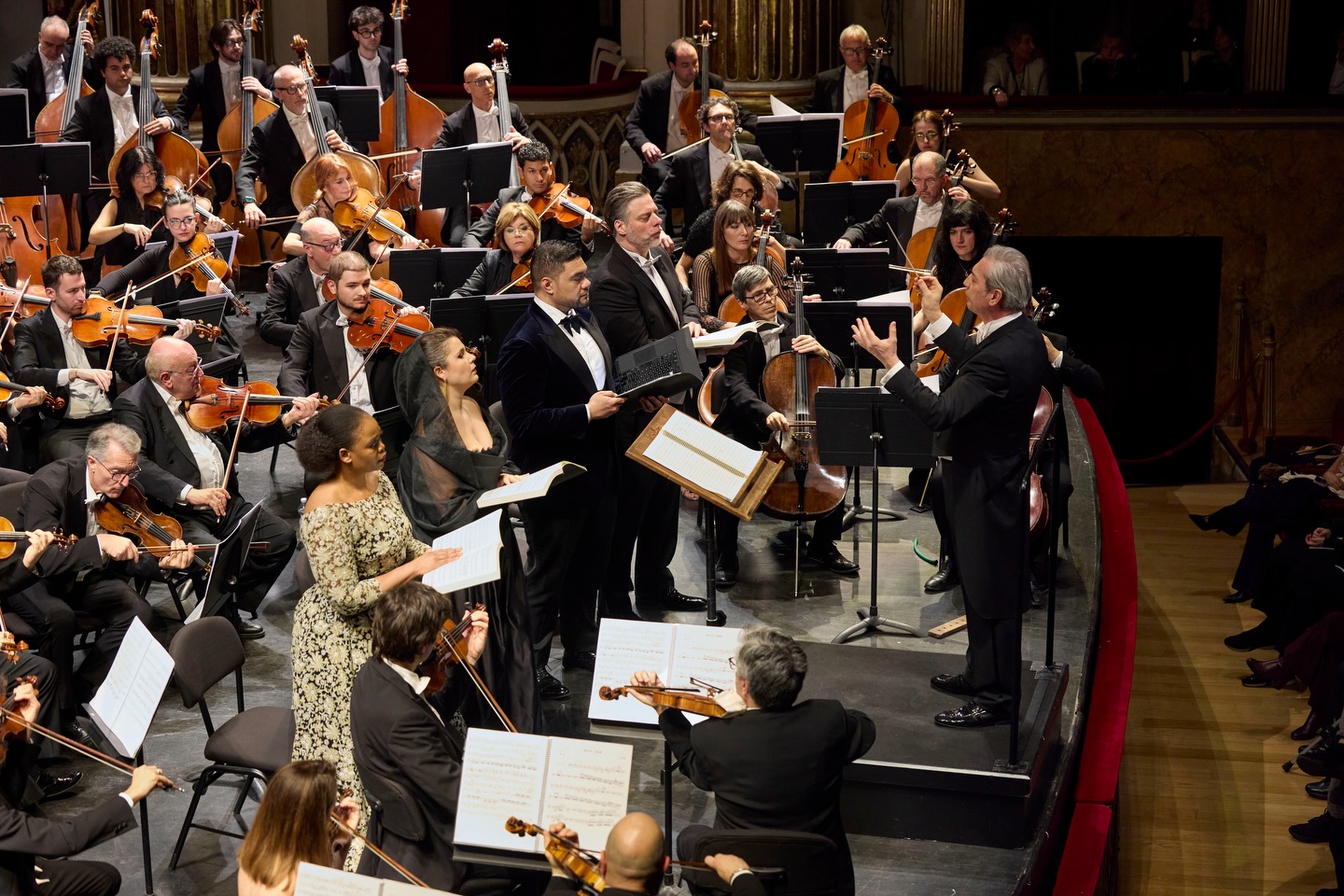
The San Carlo orchestra responded well to Luisotti. The playing wasn’t flawless. Indeed, the performance as a whole was far from note-perfect, the winds in particular had a tendency to sourness. What it was, was a performance full of emotion, of fear, and of humanity. It struck me that the trumpets were much darker in tone than those of Turin in Macbeth last night. The strings most certainly had the agility and unanimity for the rapid-descents in the frequent quotations of the ‘dies irae’, and the cellos were almost unanimous in their cantabile rising of the ‘offertorio’. It was a shame that Luisotti didn’t have the trumpets in the ‘tuba mirum’ play from elsewhere in the auditorium, but the impact was still absolutely electrifying.
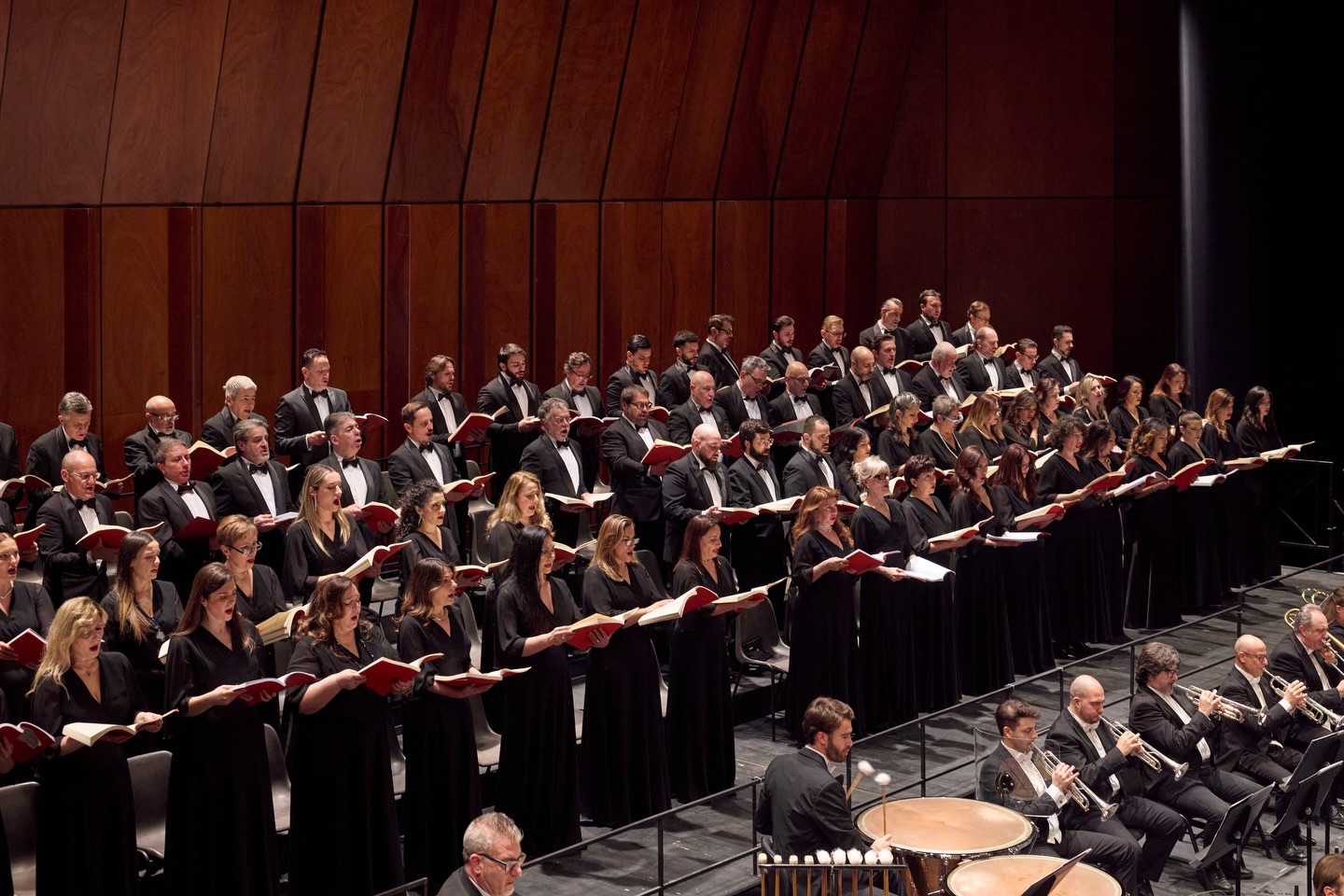
The San Carlo chorus, prepared by Fabrizio Cassi, was at its best in the sound of the tenors and basses. The tenors, in particular, representing the great Italian tradition with distinction, ringing out with plenty of squillo into the room. The basses were also firm and rich, descending to the sepulchral depths of hell in the ‘libera me’ with seemingly unlimited profundity. The sopranos and mezzos weren’t always unanimous in tuning. There was a lack of blend in the sound, with some hard vibratos sticking out, and the ‘libera me’ fugue did threaten to fall apart. It didn’t, fortunately, but it was close.
Piva sang the mezzo part with a fabulous cushion of sound that was wonderfully integrated from top to bottom. She dispatched the ‘liber scriptus’ with extrovert focus, using the text to tell us a story, the fear in her vocalism brought to the fore. Piva soared gloriously in the ‘lux aeterna’, the voice taking wing with easy reach, giving us some momentary succour before the horrors that followed. Pene Pati was a lyrical tenor soloist. He made a genuine effort to sing softly in his ‘ingemisco’, making careful use of voix mixte to colour the tone. Unfortunately, the top is problematic, particularly when he puts pressure on it, the tone losing the core and the vibrations becoming uneven. It’s most certainly a glamourous voice, he has a good legato, and I hope he has good people around him to solidify the technique and allow him to make the most of his natural gift. John Relyea brought a huge column of sound to the bass part. His tuning in the ‘mors stupebit’ wasn’t quite optimal, but the sheer massiveness of the sound he brought to the ‘confutatis’ was striking. There was something prophetic in his singing that I found utterly convincing.
Then there was Pretty Yende’s soprano. An announcement was made at the start of the evening mentioning her indisposition and begging our indulgence. Yende’s tuning was certainly not for those of a sensitive disposition, frequently flat. Her ‘sed’ in the ‘offertorium’ also wasn’t fully sustained. And yet, Yende moved me more than any soprano I’ve heard live in this music. She’s a theatrical animal, in the ‘rex tremendae’ her repeated entreaties of ‘salva me’ saw her almost wanting to jettison her score to the ground and fully act the part – completely at one with Luisotti’s theatrical reading. It was in the ‘libera me’ that Yende took her performance to another level. She injected the music with terrifying drama, the vocal limitations making it even more exciting. I feared she wouldn’t be able to float the high B-flat at the end of the a cappella section, but she did and it was in tune. Then, as she took the ascent to the high C, she was joined by a small group of the choral sopranos and the effect was electrifying – a wave of sound coming at us, pinning us to our seats in unceasing horror. In the closing measures, Yende intoned her closing ‘libera me’ by shading the tone, the articulation making it sound like someone’s last breaths, using the vowels to show us there was no resolution, no relief, just the abyss. It left me utterly shaken to the core. I needed a stiff drink.
Tonight was an example of one of those performances that might not have been note-perfect, but it was an evening that was so full of drama and had such visceral and immediate impact. Luisotti’s reading was exhilarating, an interpretation that just didn’t let go, that thrilled and horrified despite the occasional moments of repose. The choral singing was honest and the orchestral playing efficient, while the solo singing frequently gave much satisfaction. Yende might not have been musically flawless, but she gave us an interpretation that was so overwhelmingly full of emotion and of depth. The audience responded at the close with enormous cheers for the entire cast.
 operatraveller.com
please be careful not to mistake Yende’s absolutely inefficient technique and damaged voice as “interpretative expression”… histrionics are no suitable alternative to a collapsing technical ability