Strauss – Die Frau ohne Schatten
Der Kaiser – Tadeusz Szlenkier
Die Kaiserin – Annemarie Kremer
Die Amme – Lindsay Ammann
Der Geisterbote – Krzysztof Szumański
Ein Hüter der Schwelle des Tempels – Katarzyna Drelich
Erscheinung eines Jünglings – Mateusz Zajdel
Stimme des Falken – Katarzyna Drelich
Eine Stimme von oben – Magdalena Pluta
Barak, der Färber – Lauri Vasar
Sein Weib – Lise Lindstrom
Der Einäugige – Pawel Trojak
Der Einarmige – Remigiusz Łukomski
Der Bucklige – Mateusz Zajdel
Chór Chłopięcy ‘Artos’ im. Władysława Skoraczewskiego, Chór i Orkiestra Teatru Wilkiego – Opery Narodowej / Bassem Akiki.
Stage director – Mariusz Treliński.
Teatr Wielki – Opera Narodowa, Warsaw, Poland. Saturday, February 28th, 2026.
It’s been seven years since my last visit to Warsaw and the beautiful Teatr Wielki, home of Poland’s Opera Narodowa. That’s certainly too long a time to be away and I very much hope to be able to return sooner next time. Following the disaster that was Die Frau ohne Schatten in Bonn, I was desperate to see the work done properly and this production by Mariusz Treliński, coproduced with the Opéra de Lyon, was too tempting to miss. I had, up until now, only seen one Strauss production by Treliński. That, was a visually impenetrable Salome here a decade ago. Following his phenomenal Fiery Angel at Aix-en-Provence, I was eager to see what he would bring to this, one of the most challenging of all works to stage.
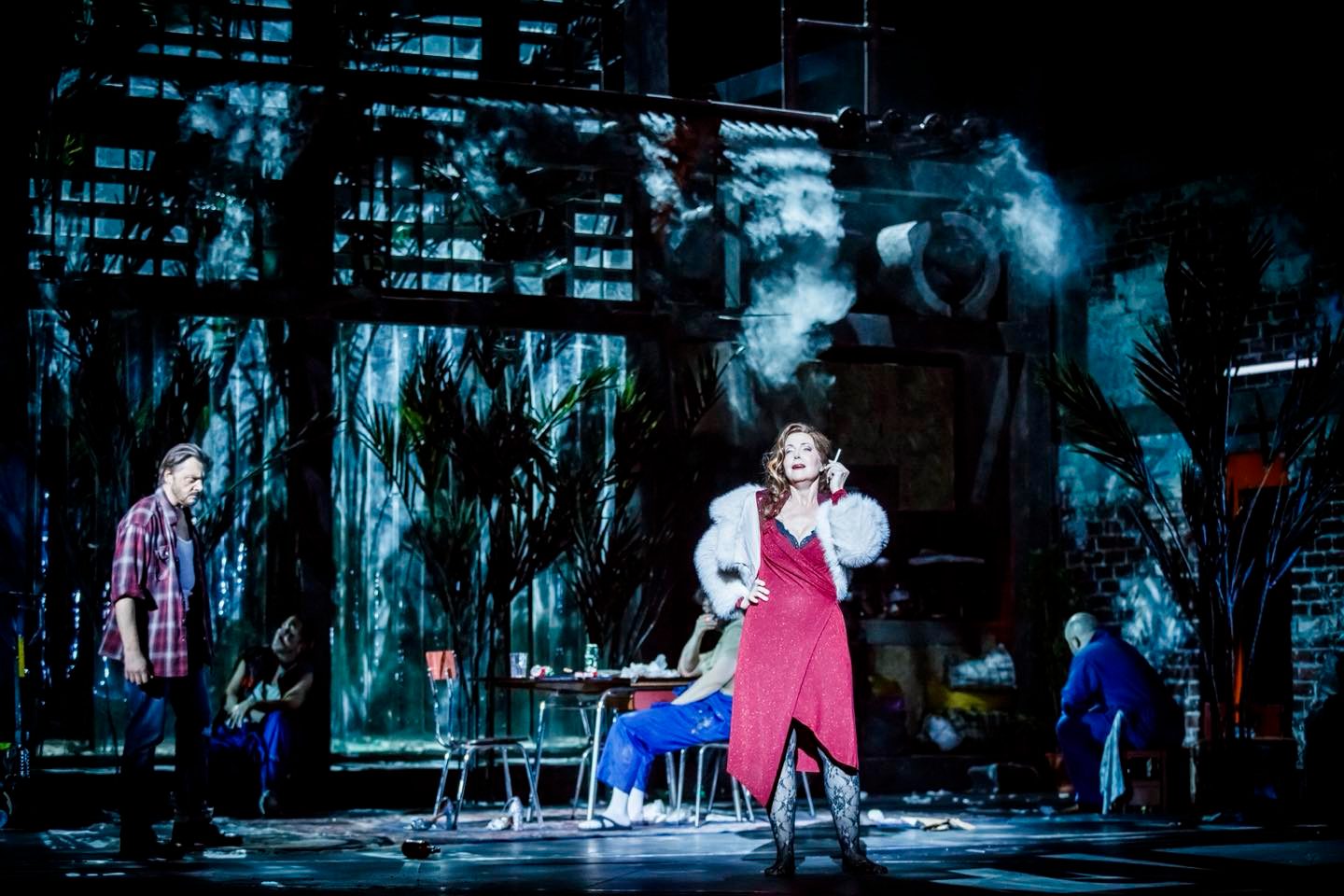
The evening begins with a very brief, black-and-white movie before the music starts, where we see razor blades dropped into a sink, followed by a liquid that looks like it could be blood. On stage, a figure, who is revealed to be the Kaiserin, is alone in a bathroom. Treliński sets the scene for an evening that is rich in symbolism, but less so in narrative clarity. On one level, he tells the story pretty straight. The set, by Fabien Lédé, revolves with the Kaiser and Kaiserin’s home on one side, and the Baraks on the other. In so doing, perhaps Treliński is saying that the Kaiserin and Färberin are two sides of the same coin. Similarly, with the Kaisers living in what looks like a palace in the jungle, and the Baraks living in what looks like a favela, perhaps Treliński is also making a point about the distinction between nature and urbanism. There is something domesticated about the life of the Baraks, with both watching TV at times, that takes us into the quotidian. What I found interesting with Treliński is that he also roots his narrative in fairy tale, so that when the Baraks are watching TV, there are projections, by Bartek Macias, on the set behind that suggest precisely those extraordinarily powerful forces at work. The fairytale element is also present in the shadowy figures who perambulate around the set – are they figures sent by Keikobad? Or are they figments of the Kaiserin’s imagination?
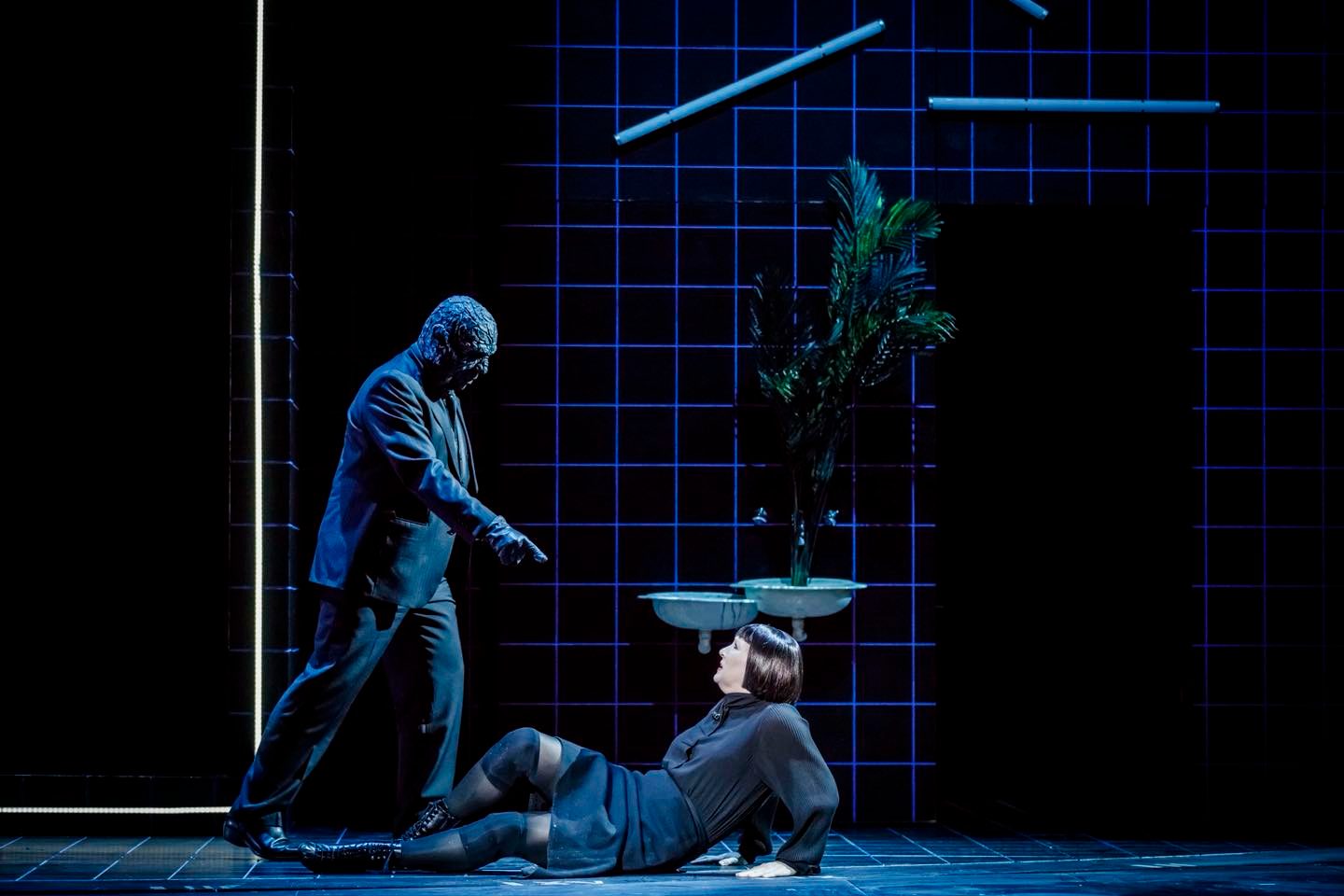
Those constant questions that came to me during the course of the evening are, I believe, the weakness of Treliński’s staging. There just seem to be too many non sequiturs, so many ideas that don’t lead anywhere, but instead rather than amplify this glorious score, they pull us out of it, forcing us to question what we see, and in so doing deny us the opportunity to simply ‘feel’. The final scene of the evening, for instance, has the Baraks and Kaisers celebrate with a group of children. But these children don’t look real, instead they look like they came from outer space, all looking alike and moving robotically around the set. As the Kaiserin sat alone on the set at the end, it made me reflect – did we just witness the dream of someone who was incapable of having children? Or was this indeed just a fairy tale? Again, while I appreciated the mental workout, I longed to be given visuals and a narrative that made me feel.
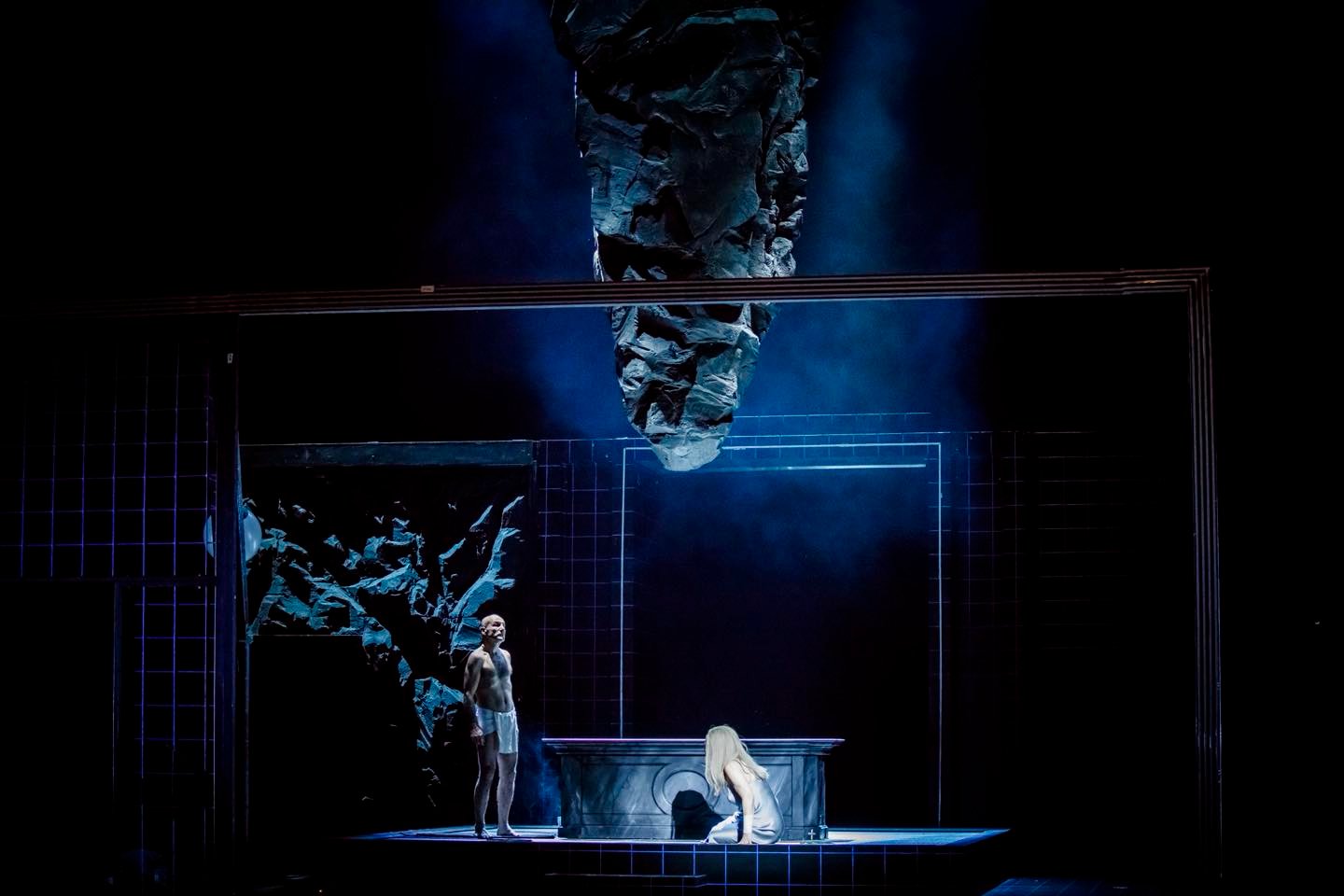
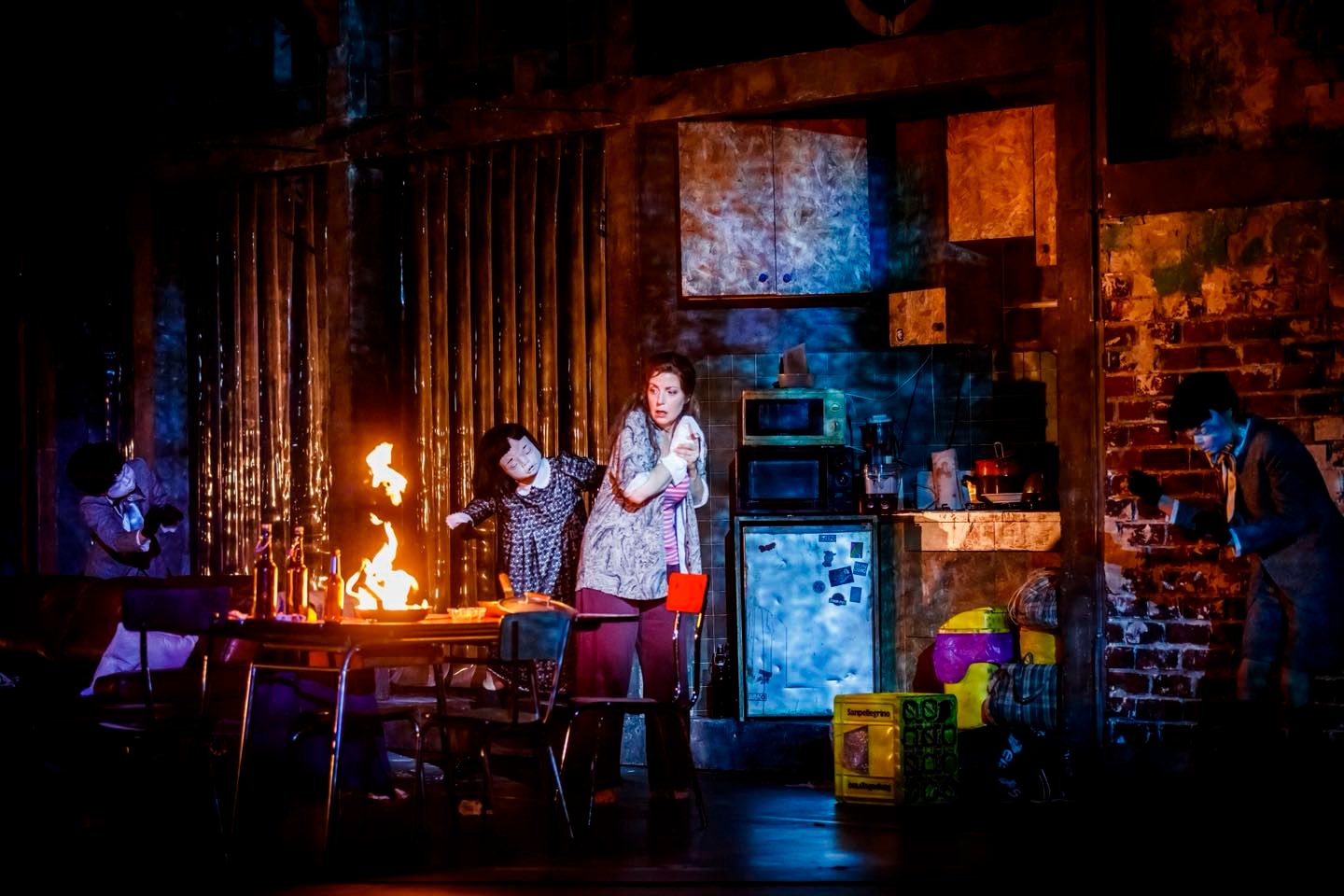
That said, there were some really striking stage pictues throughout the evening. There were some impressive pyrotechnics as the frying pan came to life in Act 2, and the scene with Keikobad was extremely striking, visually. He was portrayed as a frail figure walking around the set in a diaper, with a large stone hanging over him. In so doing, this omnipotent figure was revealed to be weak and cowardly. Perhaps Treliński was making a point about the weakness of patriarchy, but again, this is very much up to the individual watching it.
The evening was conducted by Bassem Akiki. One of the biggest pleasures I have in seeing opera all over the world is hearing how different national musical traditions and playing styles are manifested in the orchestral contribution. This was a very different account of the score than I’ve heard before. Akiki’s reading felt swift and rhythmically impulsive, the score sounding modernist and redolent of Stravinsky. Similarly, there was a transparency to the string textures that made it sound almost Debussyesque. In turn, it meant that those big soaring lines didn’t always take wing founded on a big, juicy carpet of string sound. At the same time, it was a very interesting approach and rendered this score into a much more forward-looking sound world. Akiki did find some delicacy and cantabile lyricism at times – that reprise of the Kaiser’s theme starting in the lower strings, accompanied by twinkling harps, in the Act 2 interlude was beautifully done. He also secured some rich brass playing with a real depth of texture to the sound. The orchestral playing was decent, although there were a few ragged entries in the brass that one might have expected to have been ironed out by this, the last performance in the run. I also appreciated the eloquence of the solo violin and cello. An interesting reading of the score, certainly.
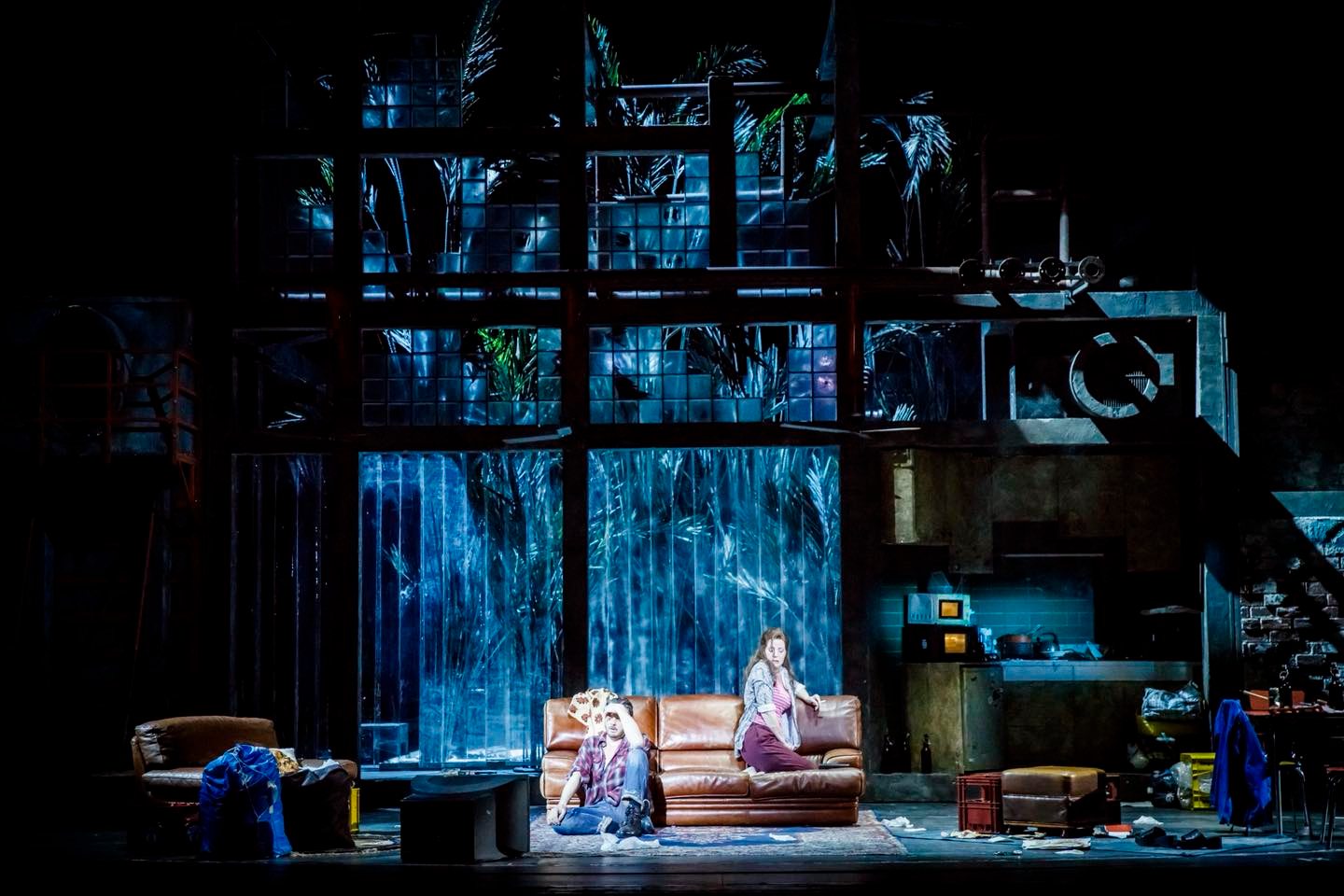
I had the pleasure of hearing Lise Lindstrom’s Färberin back in 2019 in Hamburg. Seven years on, it can’t be denied that the passing of the years is audible in her singing, which is now harder in tone than it was back then. What is undimmed, however, is her ability to create significant amplitude, filling the house in a beam of focused sound, unflinching at the top. This time around, Lindstrom also made so much more of the text, digging deep to find meaning, and she was unflinching in her vocalism. Tadeusz Szlenkier was a very exciting find in the role of the Kaiser. His repertoire so far has consisted of the classic French and Italian roles, with Lohengrin being his first Wagnerian sortie. Tonight, he proved himself to be a notable interpreter of the German repertoire. His tenor is bright and focused, the sound nicely forward, which meant that he was able to ring out with ease over the surging orchestral textures. Given the paucity of heldentenors currently, Szlenkier tonight gave notice that he has a very bright future in the Strauss and Wagner tenor roles.
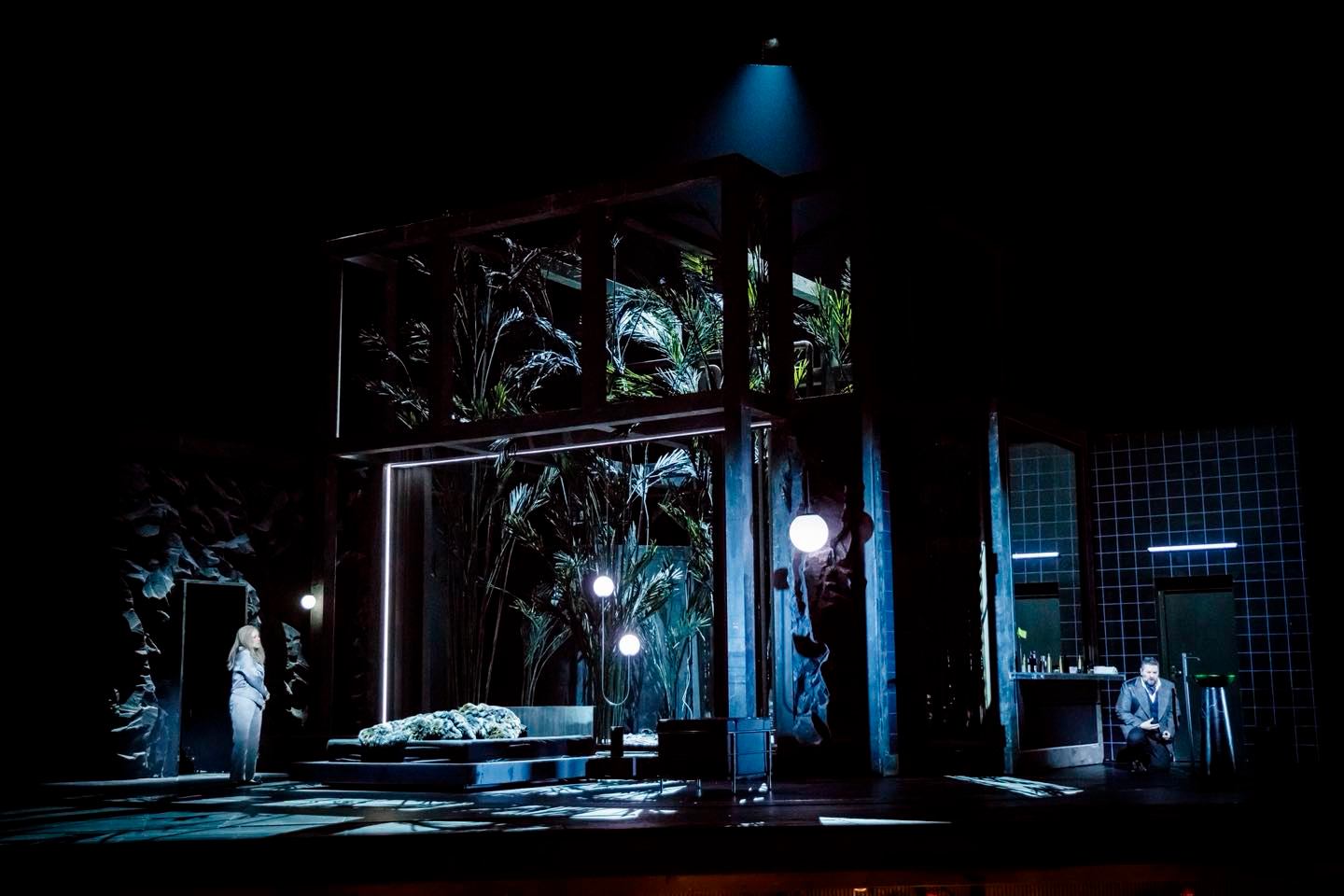
Annemarie Kremer was thoroughly committed to the role of the Kaiserin. I have no doubt that the Kaiserin’s opening scene gives sopranos considerable nightmares, given that it requires agility and the ability to spin long lines right up to the top of their ranges. Kremer was valiant in her approach. The voice is interesting, chalky in sound, with generous vibrations. It sounds like it shouldn’t carry, but it does, and while her opening scene did threaten to succumb to gravity, she did manage to sustain it. Her dramatic commitment was not in doubt and she gave so generously of herself to us. Lauri Vasar sang Barak in his handsome bass-baritone, the tone nutty and rich. He worked hard to produce a long, full legato in his ‘mir anvertraut’, filling the tone with humanity. Vasar did sound stretched in ‘Nun will ich jubeln’, the effort to make the tone bigger audible in how the sound spread, but this of course came at the end of a very long evening for him. Still, the honesty of his singing and portrayal gave much pleasure.
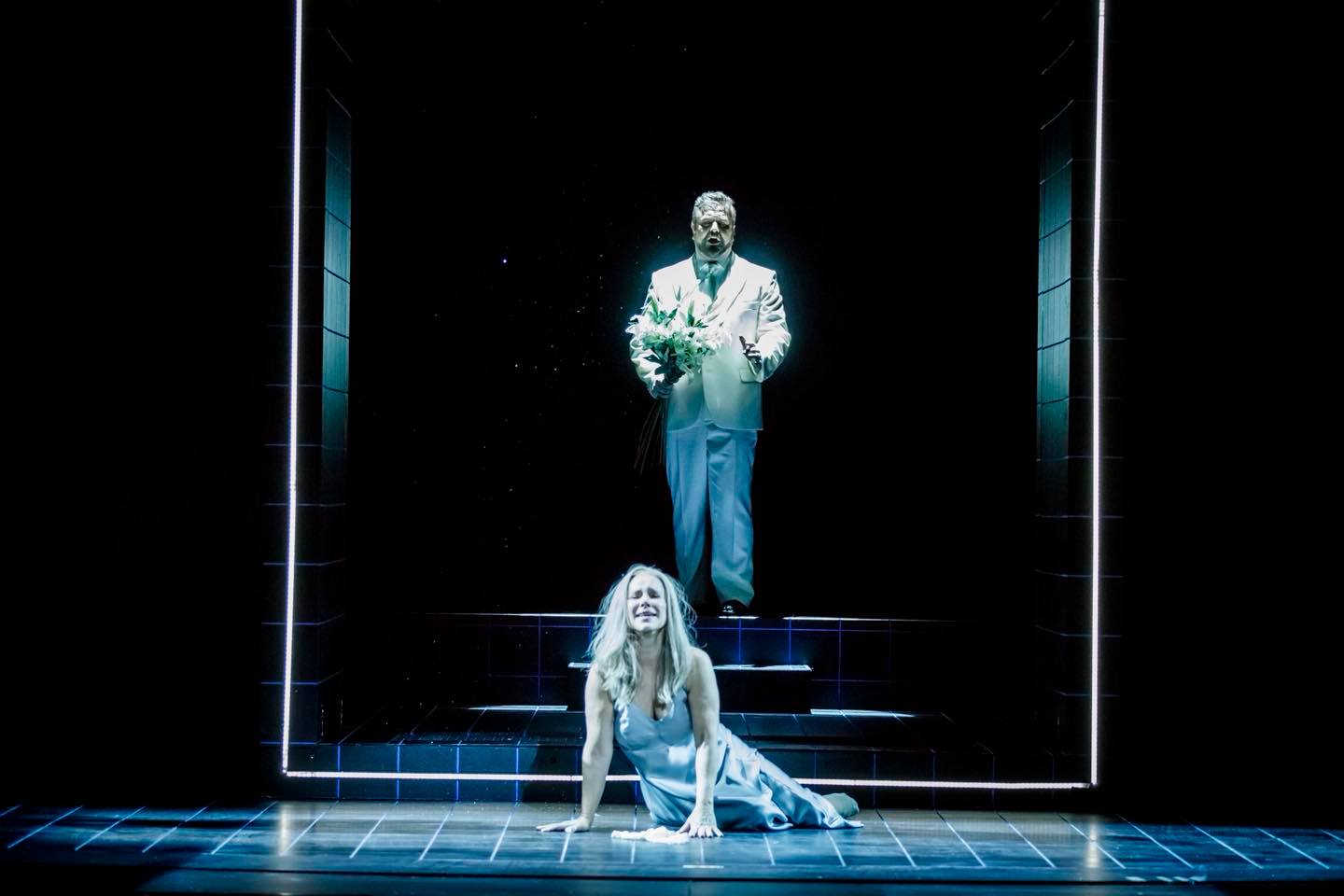
Lindsay Ammann rose to the challenges of the Amme with supreme confidence. She brought some deliciously fruity organ pedal notes to her opening scene, while the close of Act 2 was dispatched with uninhibited extroversion. She most certainly has the measure of the extreme range of the part, both at the bottom and the top. The voice, at least from my seat at the rear of the Parter, did not have the cutting power that Lindstrom and Szlenkier brought. She has also clearly worked hard on the text, but her diction was rather generalized, singing over the text rather than with it. Given how difficult an assignment she had was, Ammann most definitely has the measure of the role. Krzysztof Szumański was luxury casting at the Geisterbote, singing the role in his customarily impressive bass. In the brothers, I was particularly impressed by Pawel Trojak’s firm, handsome baritone. The remaining roles were well taken. The choruses were efficient, however the sound, piped in from off-stage, was a little too recessed in the sound picture to appreciate their contributions fully.
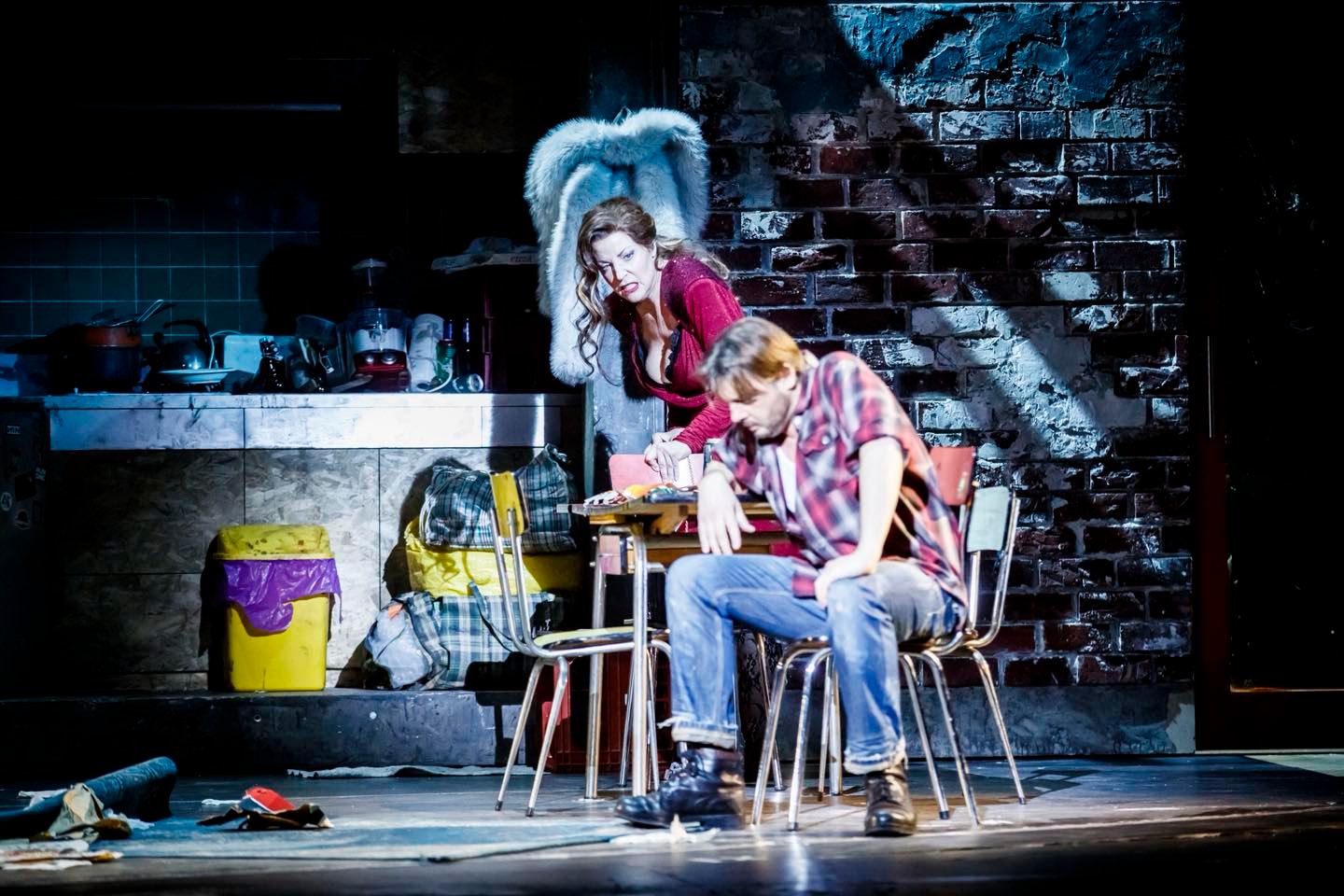
This was an interesting evening in the theatre. Treliński’s staging raised many questions and was visually striking, and yet it was an evening that was much more cerebral than emotional. He did most definitely attempt to challenge the work’s problematic heteronormativity, which is definitely a welcome approach. I just wish he had tried to make us feel. Akiki’s conducting rendered the work modernist in focus, giving us a thought-provoking sound world. The singing was always honest, with Lindstrom and Szlenkier in particular giving a great deal of pleasure. The audience response at the close was polite, with some particular cheers for Lindstrom and Szlenkier. The loudest ovation was for Akiki and his orchestra, who were met with a wall of acclaim.
 operatraveller.com