Verdi – Simon Boccanegra
Simon Boccanegra – Luca Salsi
Jacopo Fiesco – Ain Anger
Amelia Grimaldi – Eleonora Buratto
Gabriele Adorno – Charles Castronovo
Paolo Albiani – Roberto de Candia
Pietro – Andrea Pellegrini
Un capitano dei balestrieri – Guo Haiyang
Un’ancella di Amelia – Laura Lolita Perešivana
Coro del Teatro alla Scala, Orchestra del Teatro alla Scala / Lorenzo Viotti.
Stage director – Daniele Abbado.
Teatro alla Scala, Milan, Italy. Sunday, February 11th, 2024.
There’s always a sense of occasion when one gets to visit the legendary Teatro alla Scala. Even more so when one gets to see a work that first saw the world, in its revised version here, back in 1881. Moreover, I got to learn Simon Boccanegra thanks to the recording the late Claudio Abbado led here with Piero Cappuccilli, Mirella Freni, and Josep Carreras. Looking back at that cast, one could certainly say that in the mid-1970s, Abbado was working with the finest Verdians of the time. Almost fifty years later, Boccanegra returned to the stage of the Scala, this time in a stage production by Claudio’s son, Daniele, conducted by Lorenzo Viotti and featuring some of the leading Verdians of our day.
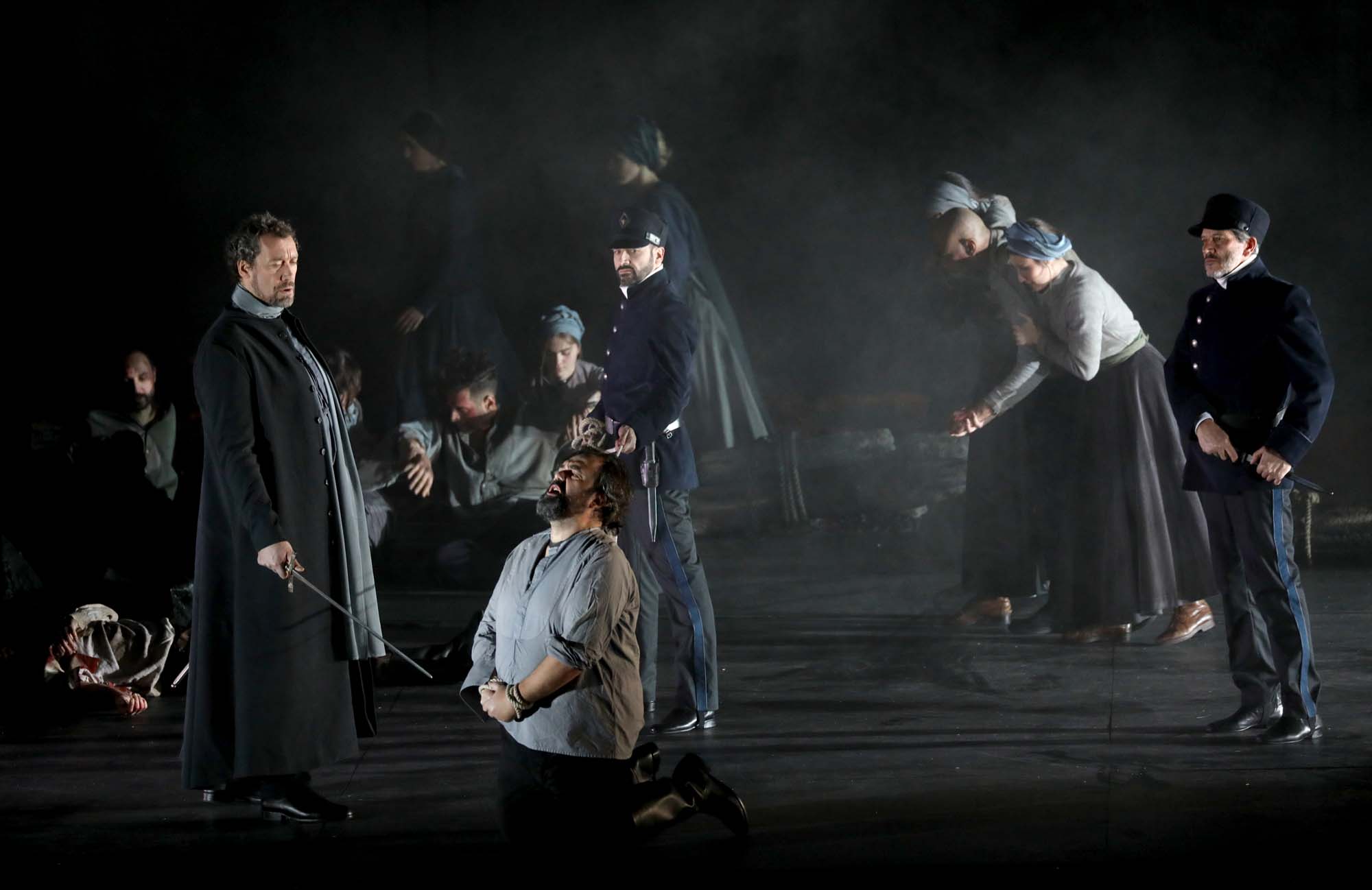
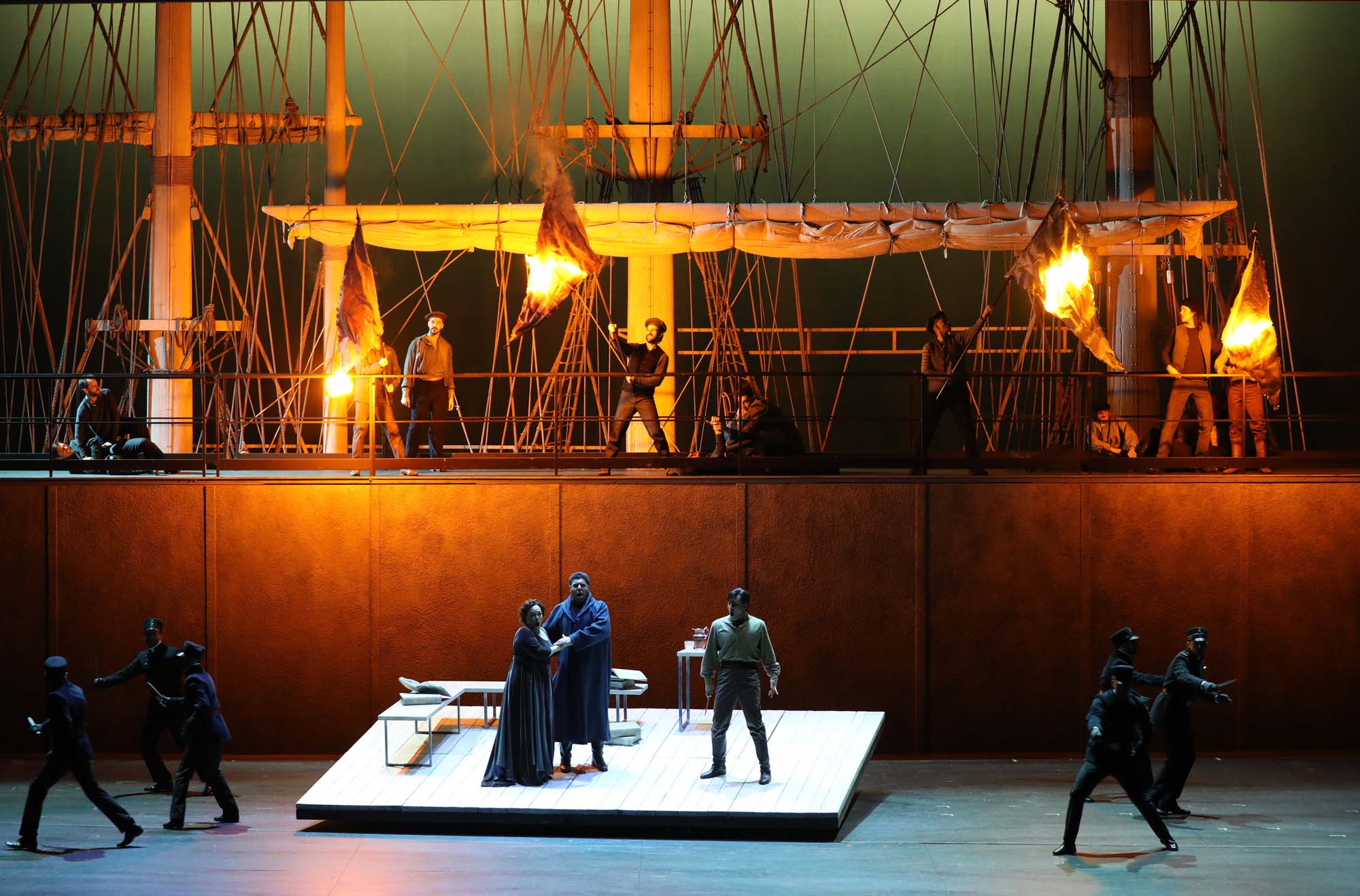
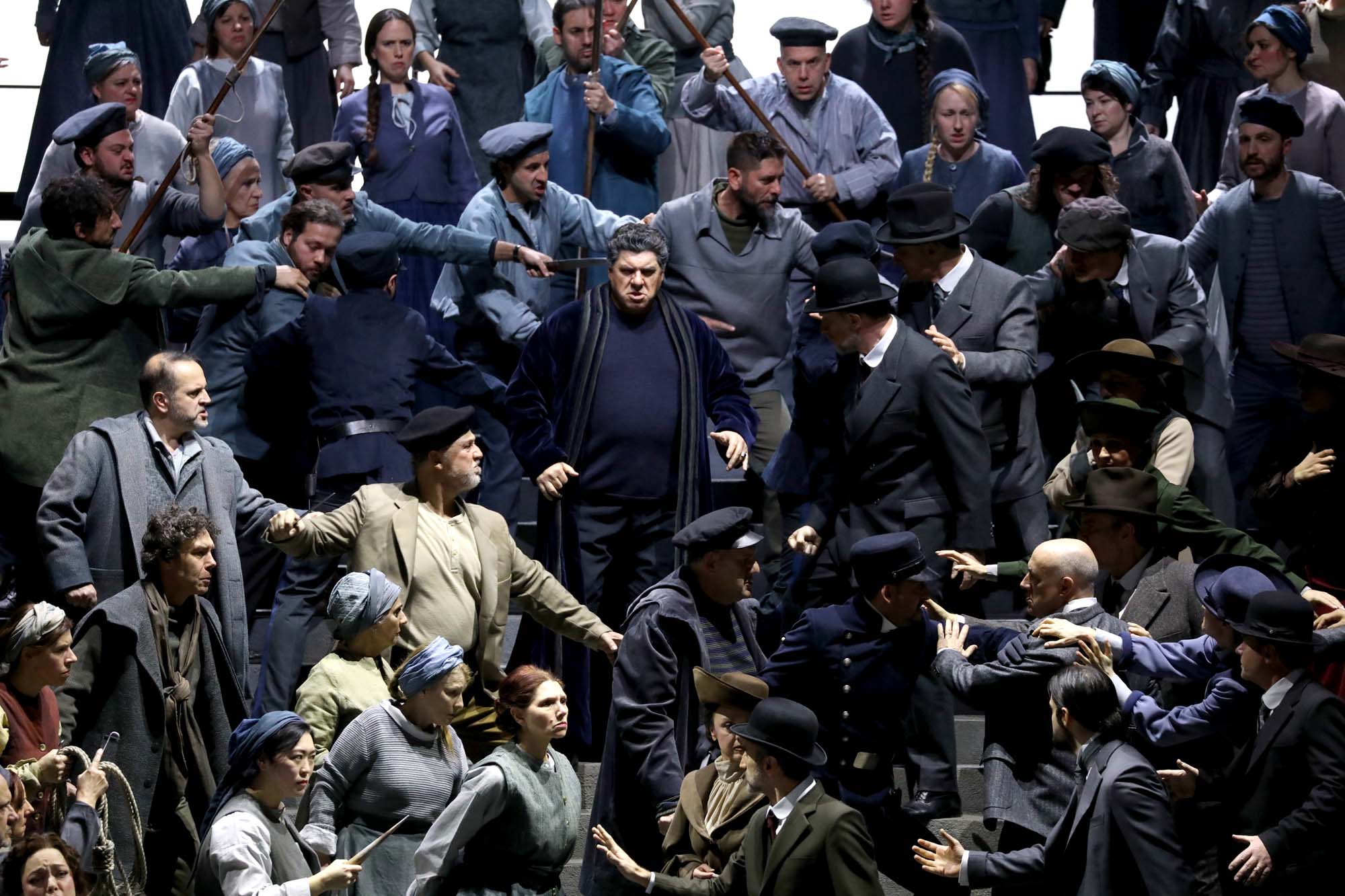
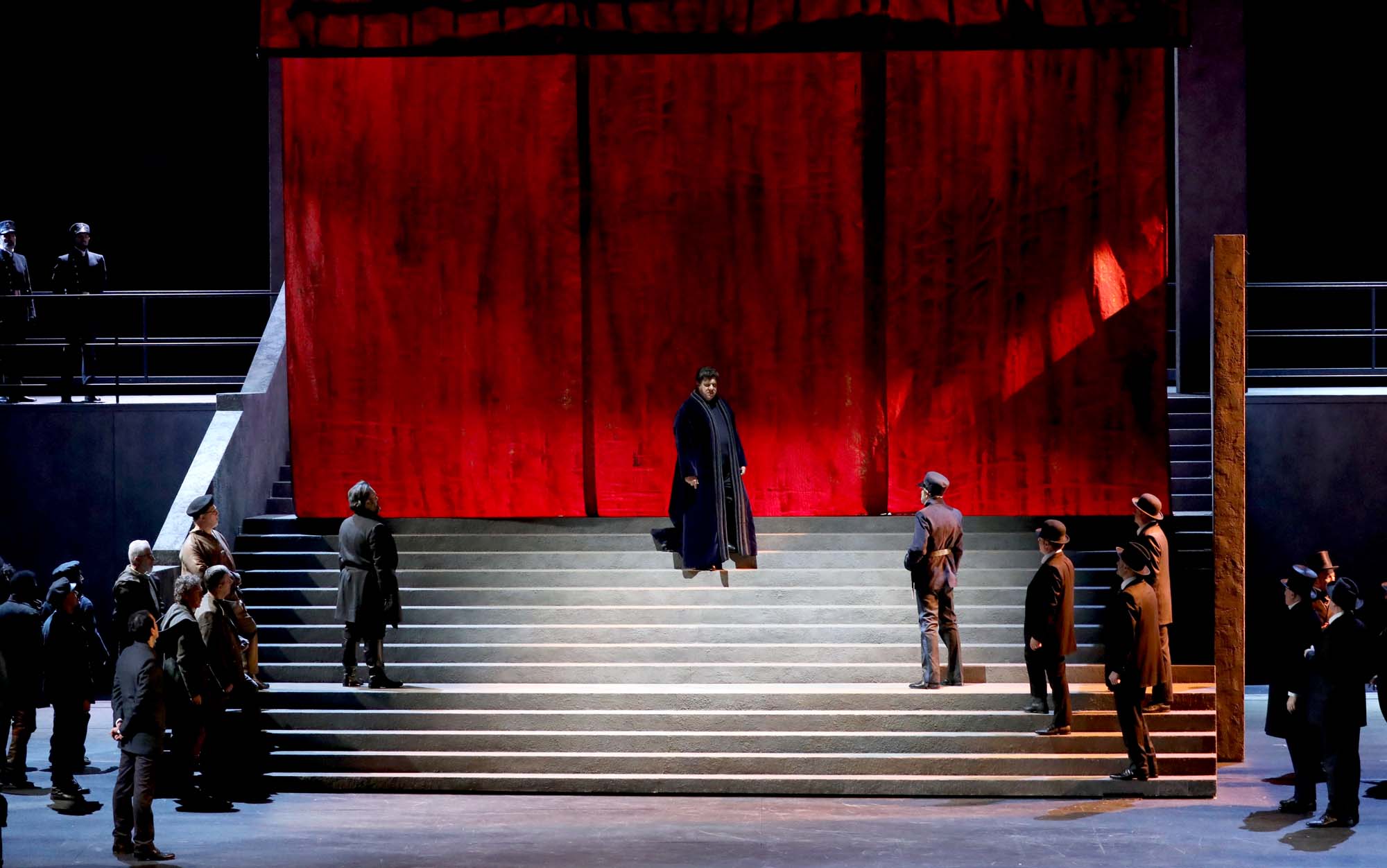
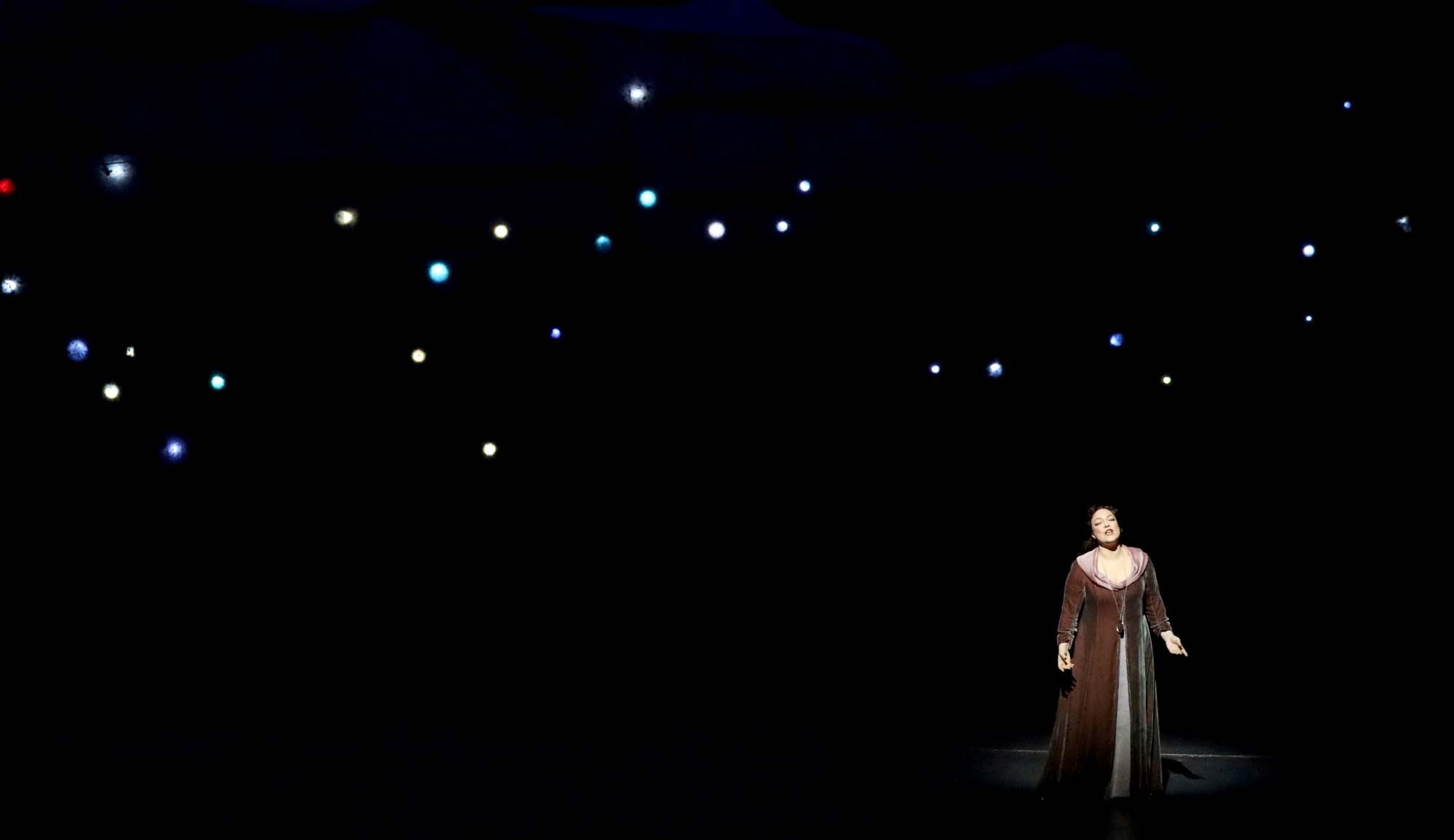
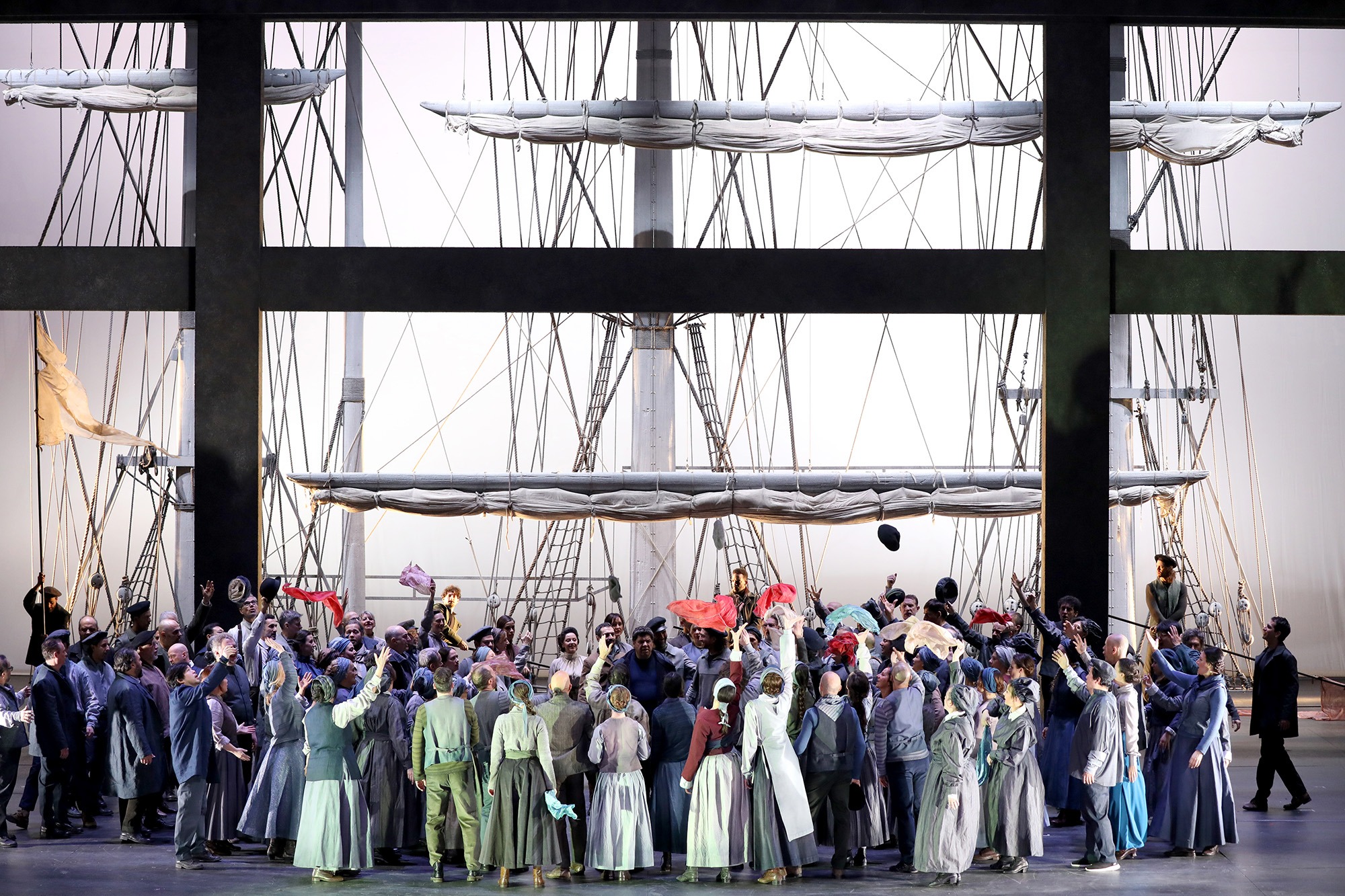
Abbado gives us a handsome production to look at. He sets the action in what seems to be an indeterminate time – some of the choristers wear top hats, suggesting the Victorian era, others long robes, suggesting earlier. Given that Adorno appears wearing a seemingly Victorian military outfit in the final scene, Abbado might be making a point about regime change and the passage of time. If that is the case, it feels somewhat underplayed. Indeed, I left with a sense that Abbado’s staging was rather prosaic, illustrative, letting the drama unfold naturally and logically. That isn’t necessarily a bad thing, particularly after yesterday evening’s Pikovaya Dama in Munich. Furthermore, Abbado creates some really captivating stage pictures. The prologue takes place in a dark, narrow space, which then opens up in its closing pages to reveal a wide panoramic vista of the sails of some ships. Similarly, Amelia’s opening scene is accompanied by a starlit background that was beautiful to look at. The council chamber scene was well choreographed, with drapes being pulled down to reveal the fighting populace, and we also got some minor flag burning in the penultimate scene. The fight scenes had been well rehearsed and looked realistic – no sense of risible acting here.
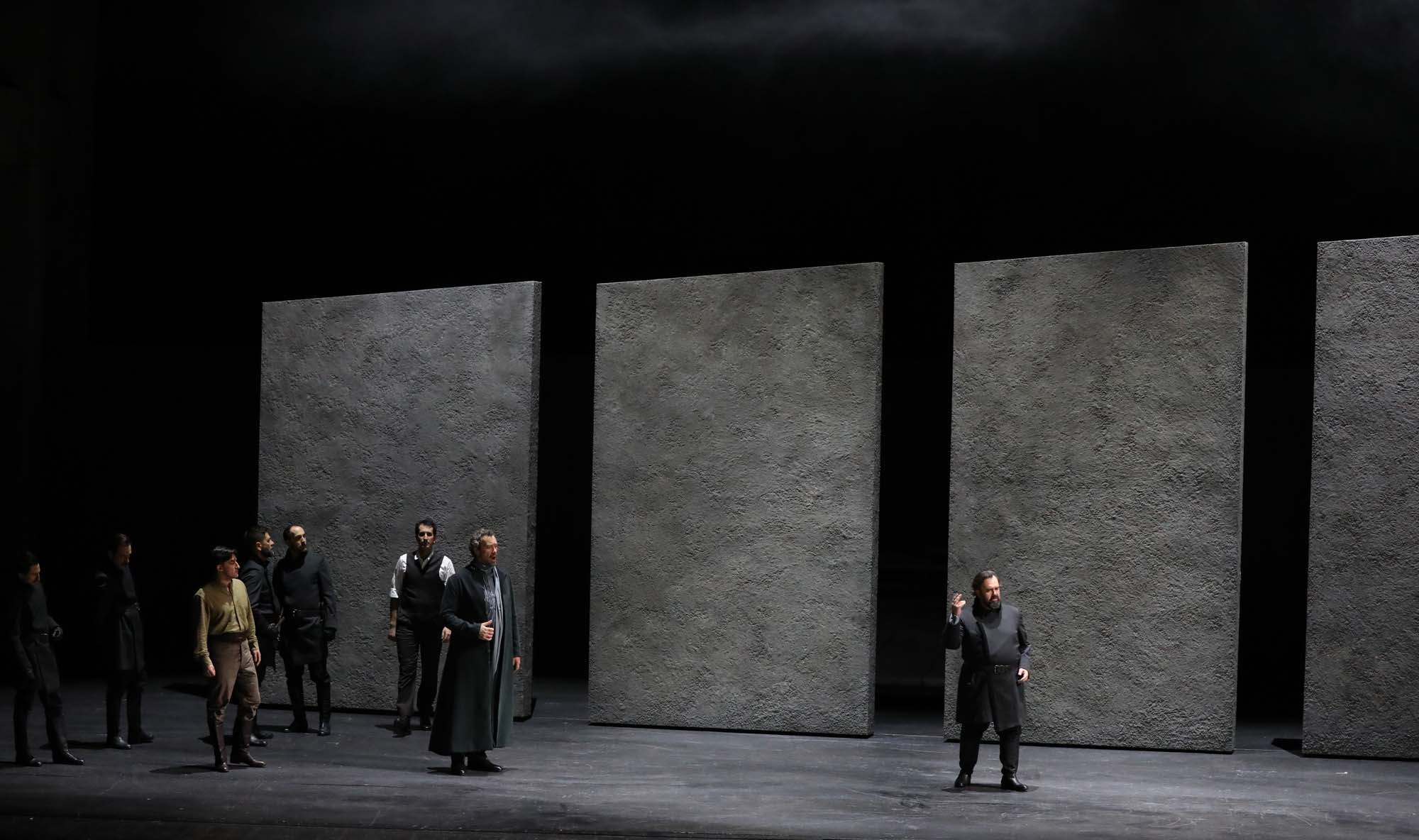
While Abbado’s staging does look good, I did find his direction of the principals to be somewhat perfunctory. There was a lot of standing and delivering with outstretched hands to the front. Often it felt that principals were simply parked and asked to gesture. This was in contrast to the fully choreographed fight scenes that took place around the principals. In that respect I found that Abbado told the story efficiently enough, but he could certainly have encouraged more interaction between the principals. And yet, with a cast of singers almost entirely Italian or of Italian descent, what matters is that the drama was communicated through the text.
Viotti led a reading that was, for the most part, delightfully swift. In fact, this Boccanegra is the best thing I’ve heard him do. The evening opened with a lovingly phrased prelude, one that was based in a rich, lyrical string line, with a deep-pile carpet of sound, varying between smooth silkiness and profound warmth. Throughout the evening, Viotti encouraged the strings to attack the lines with a sharp focus, driving the action forward. There were some occasionally ragged entries from the brass, but Viotti brought out the full range of colour in Verdi’s orchestration, making it sound even more modern and revolutionary than I’ve heard it previously. That said, I did wish that he’d pulled back on the tempo in ‘Come in quest’ora bruna’, to allow Eleonora Buratto’s Amelia the space to float her lines even more. Conversely, it felt that he did allow the tension to sag in the scene of Boccanegra’s demise. The quality of the orchestral playing and Viotti’s conducting were undeniable. The chorus, prepared by Alberto Malazzi, continue to display the noticeable improvements that I have perceived in my last few visits. The tenors and basses were wonderfully firm in tone, while the sopranos and mezzos sang with generous vibrations, though still focused.
The title role was confided to Luca Salsi. Even with the rudimentary personenregie, Salsi managed to completely chart Boccanegra’s journey through life in his unstinting physicality and use of text. This is a role that sits quite high for Salsi. While the top opened up thrillingly when approaching isolated notes, when he needed to sustain the line up there, the tone became narrow and stretched. His leathery baritone is certainly appropriate for the world-weary later Boccanegra, and throughout he inspired admiration for his willingness to communicate so much through the text, and for giving so generously of himself.
I must admit to having tears in my eyes when Buratto sange ‘Come in quest’ora bruna’. Here was the real thing, a genuine Italian soprano of strawberries and cream tone, combined with that implicit understanding of the union of music and text that cannot be taught. It was glorious. She also capped the ensembles with great beauty, finding a genuine humanity in her singing that was so touching. Buratto has such a genuine, rare gift, that I was slightly troubled by the fact that some of the high floated pianissimi did lose colour, and the vibrations at the very top have become more generous, particularly at the end of the trio with Boccanegra and Adorno. She’s able to descend to such a wonderfully full chestiness, and throughout she made so much of the text, making her Amelia so deeply moving. As I’ve said previously, I really hope she has good people around her because hers is a talent that is so absolutely precious.
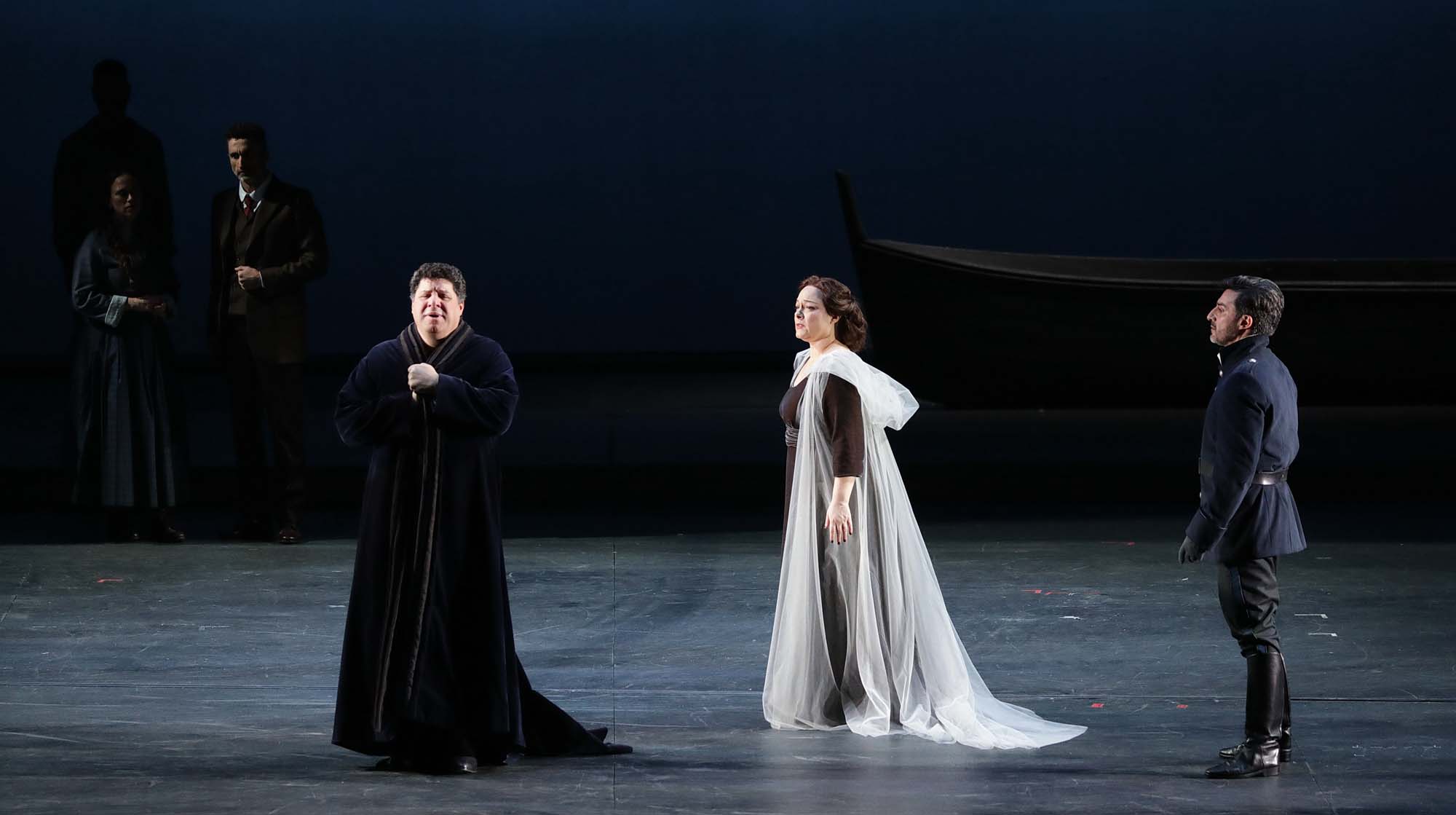
Charles Castronovo sang Adorno, this run marking his debut at this legendary address. He brought all of his familiar musical sensitivity to the role, dispatching his music in his customary warm tone. The voice has grown further in amplitude over the past few years. Tonight, the top rang out with freedom, absolutely fearless in attack. Yet, Castronovo also made full use of Verdi’s dynamic markings, able to pull back to a ravishing, full piano at the top of the voice to magical effect. He gave us a singing lesson tonight. Castronovo also blended most beautifully with Buratto’s Amelia. I very much hope to have the opportunity to see both of them sing together more frequently.
Ain Anger brought his customary warmth of tone to Fiesco. He also demonstrated an impeccable musicality and elegant legato, descending to the depths with sonorous ease. It did feel that the voice tended to spread around the note at fuller dynamics, not sitting directly on it, but his emission was always even. Roberto De Candia gave us a thrilling Paolo. His mastery of combining music and text was always apparent. His Paolo was so warm in tone, the malevolence seeming so quotidian and reasonable. De Candia also demonstrated a profound understanding of how this music should go. Andrea Pellegrini brought a handsome bass with firm tone to the role of Pietro, while the remaining roles reflected the quality one would expect from the house.
There was so much to enjoy in this Boccanegra tonight. Abbado’s staging was logical and clear – something that, given the complexities of the plot, is no small feat. It was attractive to look at, the fight scenes had been well choreographed, although the individual personenregie was rudimentary. Musically, this was a performance that was worthy of this storied theatre, offering us some of the finest Verdian singing one could expect today. The audience response was respectful, with generous bravos for the principals.
 operatraveller.com
[…] lines. Marta Torbidoni was a fearless Abigaille. Like many people I’m sure, I learned Simon Boccanegra from Claudio Abbado’s classic recording made at the Scala, with Piero Cappuccilli, Mirella Freni […]