Wagner – Die Walküre
Siegmund – Ric Furman
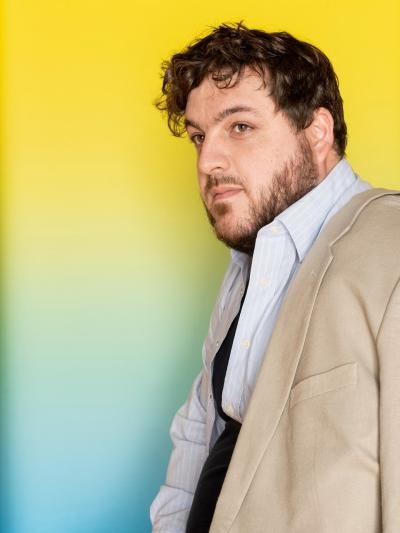
Hunding – Patrick Zielke
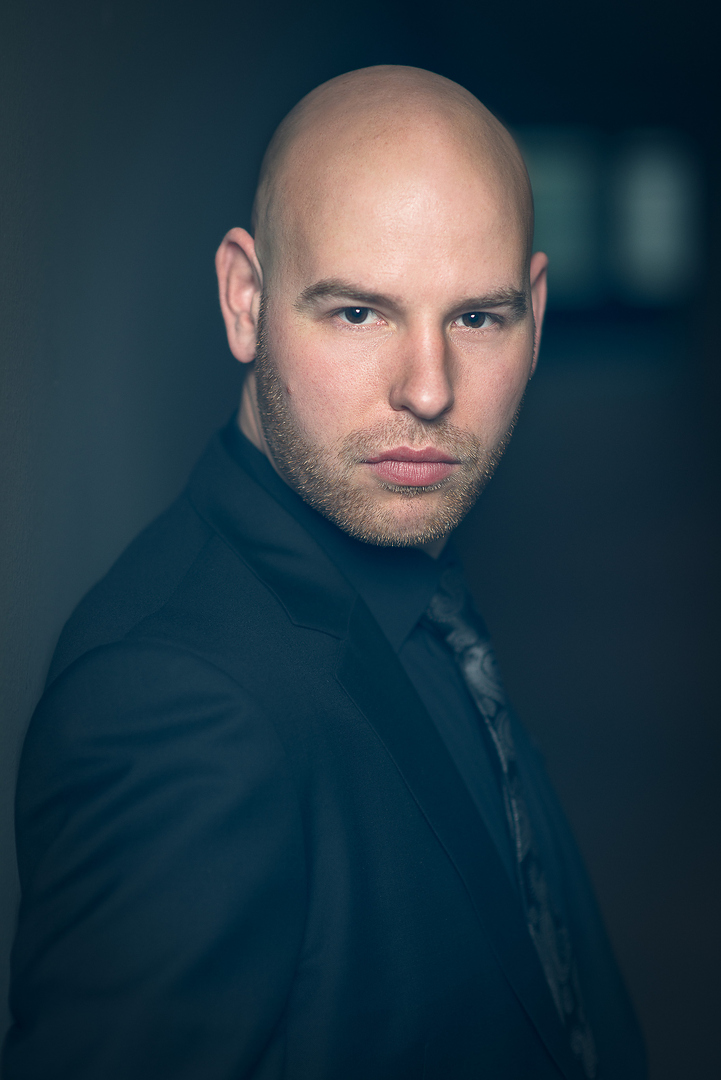
Wotan – Derek Welton
Sieglinde – Sarah Wegener
Fricka – Claude Eichenberger
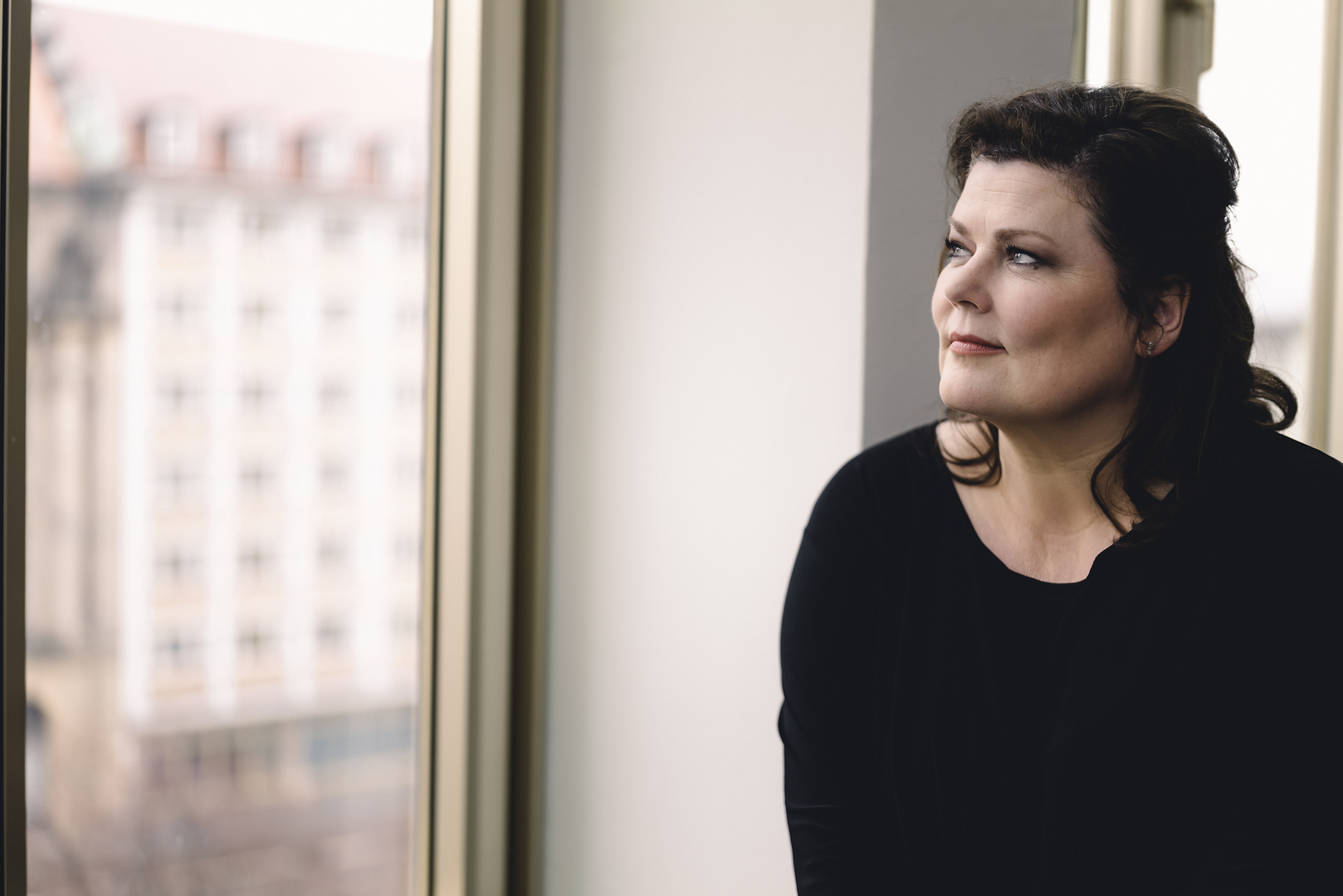
Brünnhilde – Christiane Libor
Helmwige – Natalie Karl
Gerhilde – Chelsea Zurflüh
Ortlinde – Karola Sophia Schmid
Waltraute – Ulrike Malotta
Siegrune – Ida Aldrian
Rossweisse – Marie Luise Dreßen
Grimgerde – Eva Vogel
Schwertleite – Jasmin Etminan
Dresdner Festspielorchester, Concerto Köln / Kent Nagano.
Concert performance.
Philharmonie, Cologne, Germany. Sunday, March 24th, 2024.
This Die Walküre marks the next step of the period instrument Ring started by Concerto Köln and Kent Nagano back in 2001. I saw it in Amsterdam back then and found it a revelation, like hearing the aural equivalent of watching the years of grime being removed from a historic building and presented as if we were hearing it for the first time. This Walküre forms part of a tour, with performances having already taken place in Amsterdam and Prague, and further performances scheduled for Hamburg and Dresden in early May.
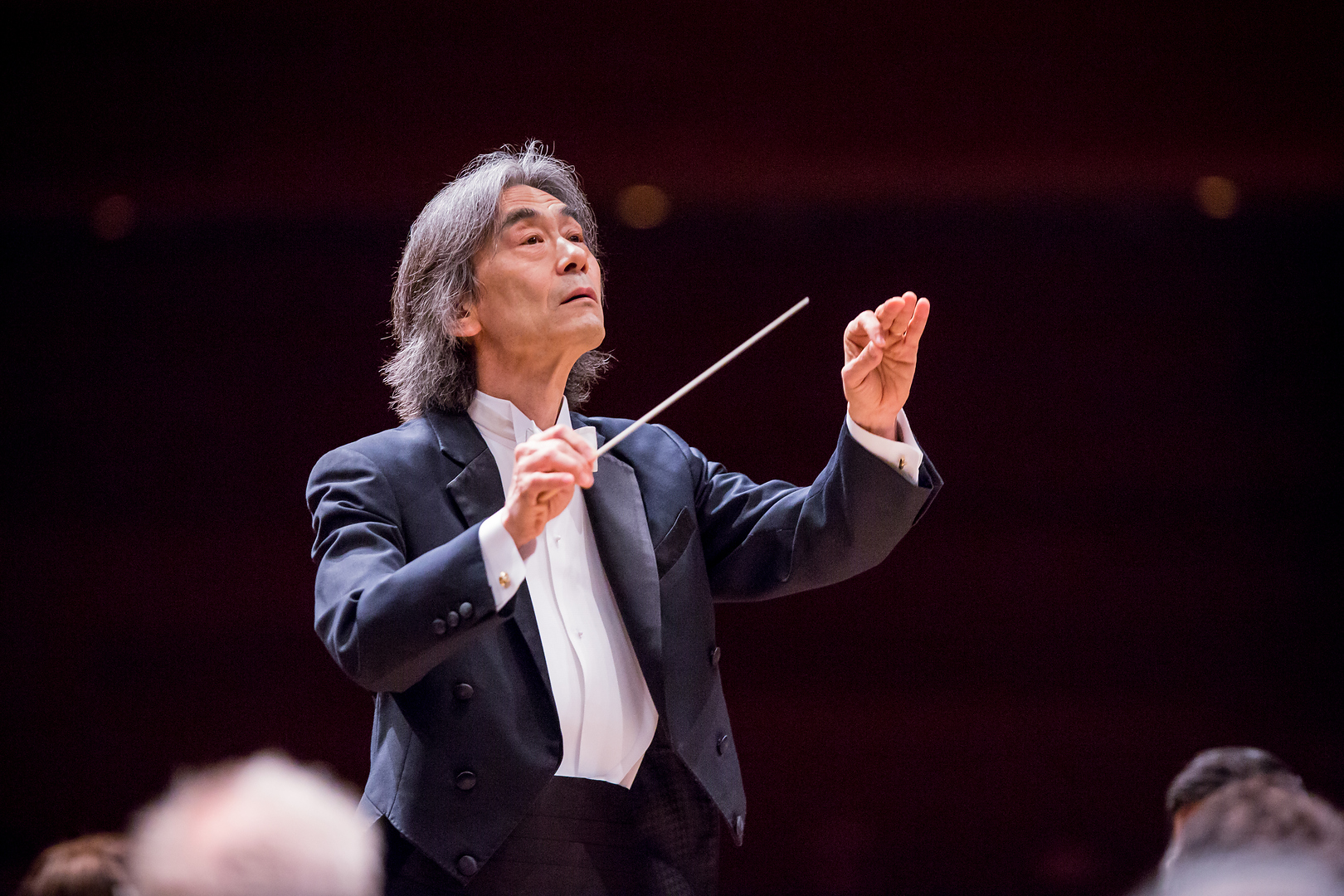
This was a concert performance with the sizeable orchestra placed in the centre of the platform, while the singers generally sang from the front, and all sang without scores. There was some use of the full width of the stage and the wider auditorium, for instance when Brünnhilde sang her battle cry from one of the side balconies, or Hunding, accompanied by a Stierhorn, called out to Siegmund at the end of Act 2, while the Valkyries were placed around the hall prior to converging on the stage. There was definitely a sense here of real characters engaging with each other and the evening had clearly been fluently rehearsed and conceived.
Just as in the Rheingold, this Walküre was a revelation. The orchestra was large, with 14 first violins, 6 harps, 4 trumpets, 4 trombones and a combination of 8 horns and Wagner tubas, together with quadruple winds. What struck me in particular was how the brass sound was so much more mellow than their modern equivalents, the sound richer and fuller. Similarly, with the strings, I found the sparing use of vibrato made their lines sound more cantabile, as if more closely aligned to the human voice. The winds were also much fuller of character than we often hear, not least Lorenz Eglhuber’s cor anglais, Sylvester Perschler’s nutty bass clarinet, and Antje Thierbach’s eloquent oboe. Nagano opened the evening with a thrilling storm scene, taken at a fantastically brisk and stimulating tempo, with a tremendously thick depth of tone from the strings. That said, I missed the sense of Act 1 being a long arc leading to that orgasmic explosion of ‘Siegmund’ from Sieglinde. It felt that Nagano let the tension drop too much in the central part of the act, focusing on beauty of sound rather than dramatic impetus. The outcome was that that ‘Siegmund’ seemed to come from nowhere. More successful, was the final act, in which it felt that Nagano phrased the music in a way that seemed to live and breathe with the characters, the singing and orchestral playing coming together as one – and there was a very exciting ride too. Unfortunately, I didn’t time the central act, but Acts 1 and 3 came in at around 60 and 65 minutes respectively.
Vocally, there was a lot to enjoy, but also a few reservations. One of those was Ric Furman’s Siegmund. He’s an experienced exponent of the role, having sung it at Wiesbaden and Basel. His tenor, at least in this acoustic, sounded rather narrow and nasal at the top, pushed to create more volume. He did make a creditable effort to use the text and there was a genuine musicality there. However, I did find that the lack of amplitude was not matched by a focus of tone to project into the hall. Sarah Wegener was also a similarly narrow-voiced Sieglinde, lacking in the fullness of tone that the role ideally requires at the bottom. She was, however, exceptionally committed and made a real attempt to act strikingly, even in this concert setting. The voice did open up nicely at her ‘hehrstes Wunder’, and she made an attempt to phrase with generosity in her ‘du bist der Lenz’. The preceding ‘Winterstürme’ was absolutely glorious in the orchestra, the six harps tinkling delightfully through the orchestral warmth.
More positive was Derek Welton’s Wotan. Indeed, when he came on at the start of Act 2, it felt that the evening moved into a higher gear, with a bigger voice ringing into the hall. Welton had had a punishing schedule in the days prior to this performance, having sung the previous two evenings in Munich. It would be remiss not to mention that the lower reaches of the part needed to be approached more gingerly, the bottom didn’t always respond with a graininess of tone down there. That said, the middle and top were seriously impressive – the sound so firm, masculine and handsome, with easy amplitude. Even as he progressed through the long final act, he had room to spare, the voice sounding fresh and rich even at the very end. He also sang the role in exceptional German, looking for and bringing out so much detail in the text.

Christiane Libor was a very human Brünnhilde. This is a role that, once past those opening ‘hojotoho’s sits very much in the middle of the voice. Libor’s soft grained, somewhat plummy soprano isn’t at its best down there, the registers less than optimally traversed. Where it blooms is higher up, opening up into the hall with generosity. Yet the vocal negotiations made her Brünnhilde much more human, it gave her assumption a vulnerability that made her banishment even more moving.
Claude Eichenberger was a glamorous Fricka. The voice is a decent size and she was fearless at the top. Patrick Zielke was a very impressive Hunding. As far as I can recall, his is a new name to me and one I very much hope to hear again. His is a full, smoky bass with a touch of acid in the tone that gives it a malevolence that is ideally matched to the role. It sounds so healthy and rich, even at his relatively young age, with diction that really brought out the detail of the text. Without doubt a singer to watch. We also had an enthusiastic group of Valkyries who also showed full engagement with their assignments.
There was so much to enjoy in this evening’s Walküre. The singing was always respectable and in Welton, Zielke and Libor frequently much more than that. Nagano’s conducting let the tension slip slightly in Act 1, but during the remainder of the evening felt very much ideal, so that four hour and forty-five-minute running team seemed to pass by swiftly. The orchestral playing was revelatory, bringing out such a range of orchestral colour, stripping away the decades to present this work in all of its revolutionary ambition. The audience rewarded the cast with a generous ovation at the close.

 operatraveller.com
[…] playing was out of this world. In Cologne, I had the opportunity to hear a period-instrument Walküre under Kent Nagano’s direction. The instrumental sonorities were a revelation and Derek […]
[…] their previous, and very successful, accounts of Das Rheingold and Die Walküre, which I had the pleasure of seeing in Amsterdam in 2021 and Cologne in 2024 respectively, it was […]