Puccini – Tosca
Floria Tosca – Eleonora Buratto
Mario Cavaradossi – Jonathan Tetelman
Il barone Scarpia – Ludovic Tézier
Cesare Angelotti – Giorgi Manoshvili
Il sagrestano – Davide Giangregorio
Sciarrone – Nicolò Ceriani
Spoletta – Matteo Macchioni
Un carciere – Costantino Finucci
Un pastore – Alice Fiorelli
Voci Bianche dell’Accademia Nazionale di Santa Cecilia, Coro dell’Accademia Nazionale di Santa Cecilia, Orchestra dell’Accademia Nazionale di Santa Cecilia / Daniel Harding.
Concert Performance.
Auditorium Parco della Musica – Sala Santa Cecilia, Rome, Italy. Monday, October 21st, 2024.
This concert staging of Tosca marked not only the inauguration of the venerable Accademia Nazionale di Santa Cecilia’s 2024 – 25 season, but also Daniel Harding’s first as this storied institution’s music director. For it, the orchestra combined a very exciting cast, bringing together Eleonora Buratto in the title role, with Ludovic Tézier as Scarpia, following their triumph in Munich a few months ago. Having Deutsche Grammophon’s exclusive artist, Jonathan Tetelman, as Cavaradossi, meant that this trio of concerts, of which tonight was the first, will be released by the yellow label, and tonight’s concert was also broadcast live on radio and television by Rai.
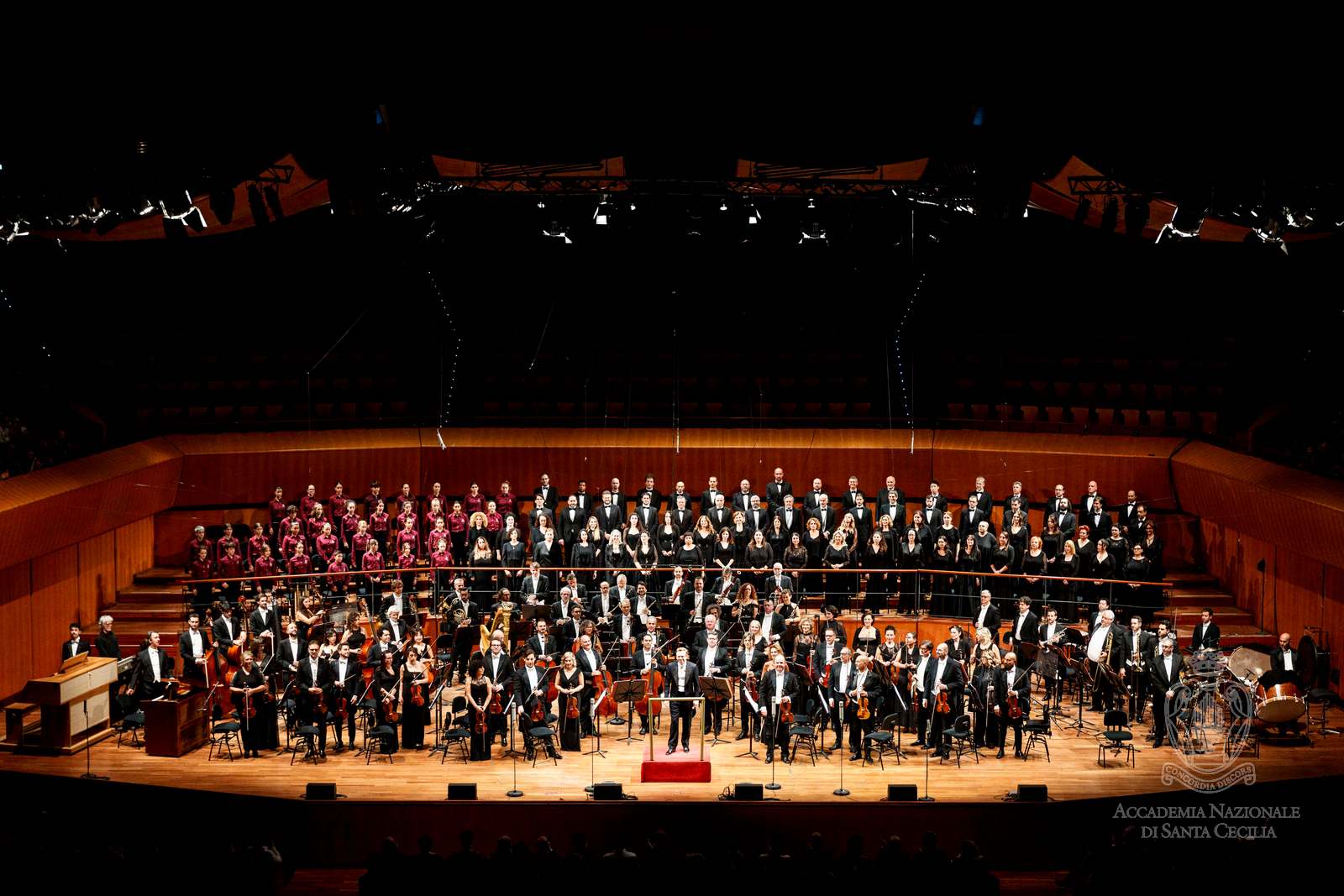
This was my first visit to the Auditorium Parco della Musica and I can honestly say that there would have to be a very compelling reason for me to return. The city of Rome, Italy may be one of the cradles of western civilization, but as a twenty-first century city it has little of the infrastructure that a major capital should have. The hall is extremely poorly connected to public transit, requiring an expensive taxi ride, which took an hour from Trastevere. Indeed, I spent more on taxis getting to and from the venue than on my train ticket from Bologna to Rome and my flight home combined. The hall itself is attractive to look at and, while the acoustic might be great for symphonic music, for voices it’s extremely poor with a tendency for the voices to simply dissipate into airiness, due to the circular shape of the venue. Furthermore, there’s a catastrophic lack of WCs and no cellphone coverage in the building, except by one window, where it seemed the entire audience stood during intermission. For a hall that’s just over twenty years old, it really makes for a dire audience experience.
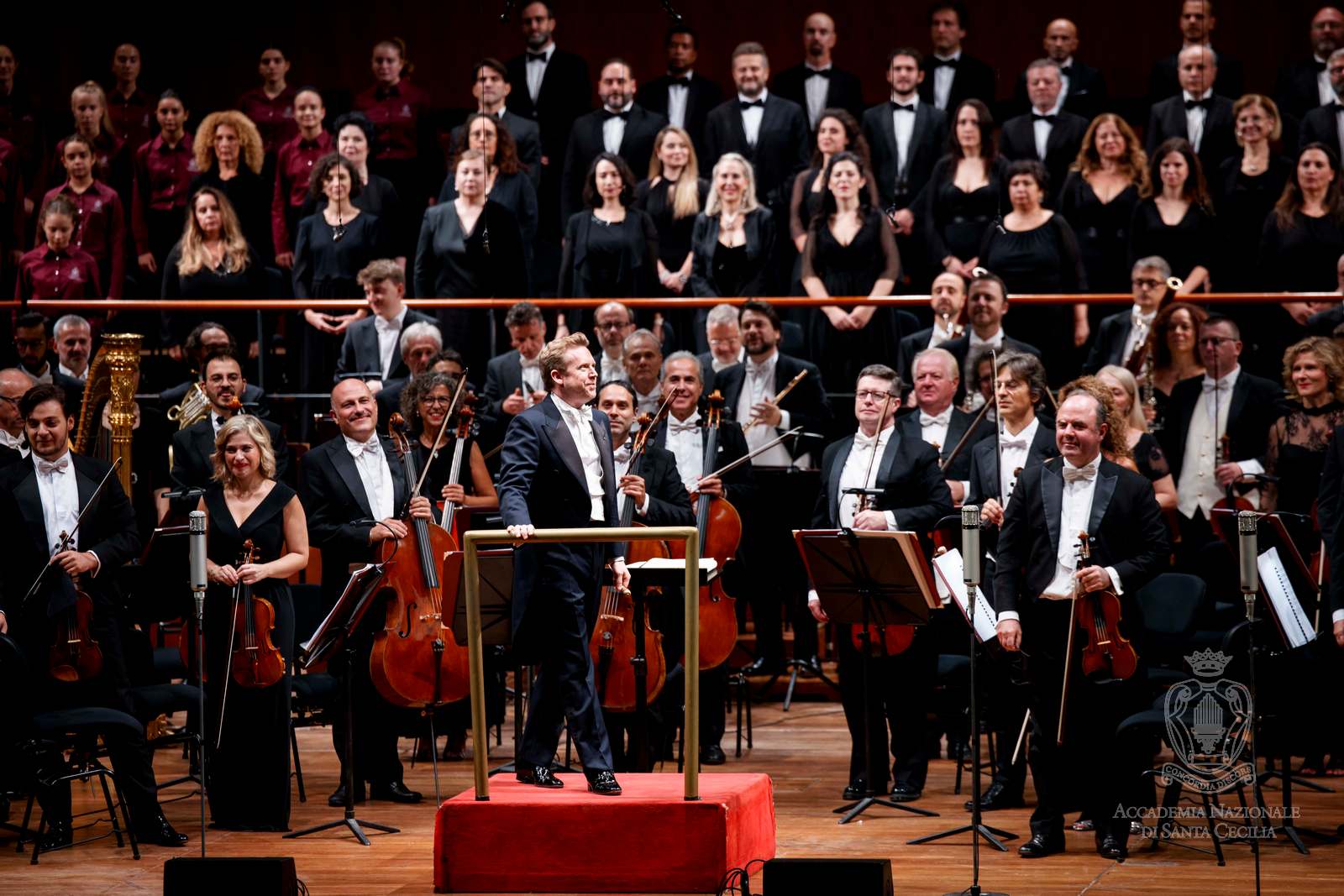
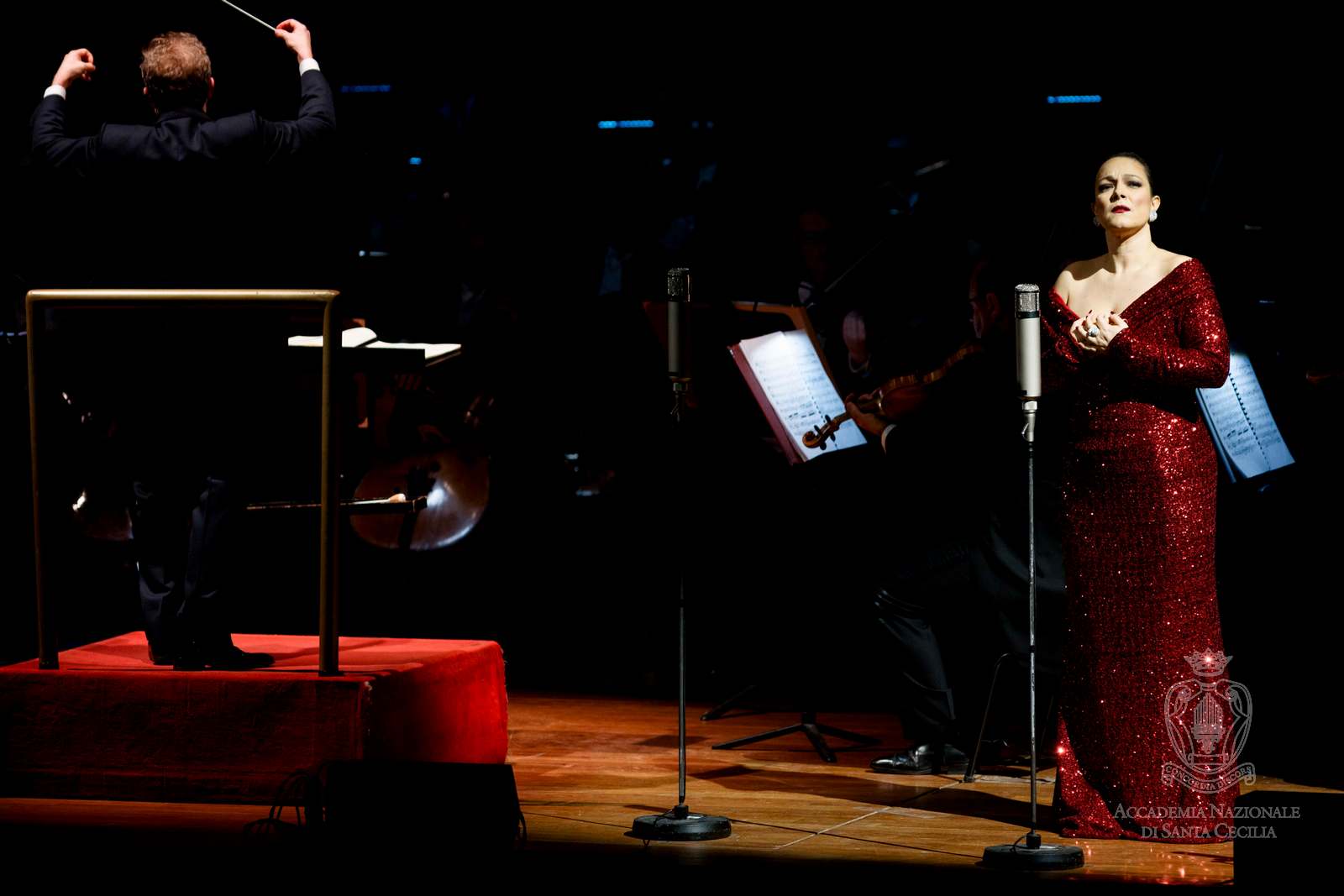
I have to admit that I’m more aware of Harding’s second career as an airline pilot than as a conductor of opera although, according to his bio in the program book, he’s conducted a fair bit over the years. It’s understandable that in this centennial year of Puccini’s demise and his opening season at the Santa Cecilia, that he would want to program this most Roman of operas. What immediately struck me about the sound of the orchestra was how un-Italian it sounded. Indeed, this orchestral sound could be equally at home in London or Boston, rather than Rome. Harding’s approach to the work also betrayed his relative lack of opera experience. He conducted this most potent of dramas as if it were Bruckner, with a thick, full string sound, and slow tempi. The passage after ‘vissi d’arte’ sagged horribly, which meant that the murder came out of nowhere; and similarly, that constant turning of the screw as the torture took place earlier in the second act, felt far too genteel and lacking in dramatic impetus. He did encourage his strings to give full, rich portamenti in those long lines, but the general orchestral palette was rather monochrome. I longed for him to bring out the technicolour vividness of Puccini’s writing, as Andrea Battistoni did in Munich – who made Scarpia’s entrance in Act 1 sound like one of the most terrifying things I’ve ever heard. Here, Harding made it sound so generic and routine. The solo clarinettist of the Santa Cecilia, Stefano Novelli, did play with some real eloquence however. That said, in Act 2 the drama did start to take wing, despite, rather than because of, Harding’s conducting.
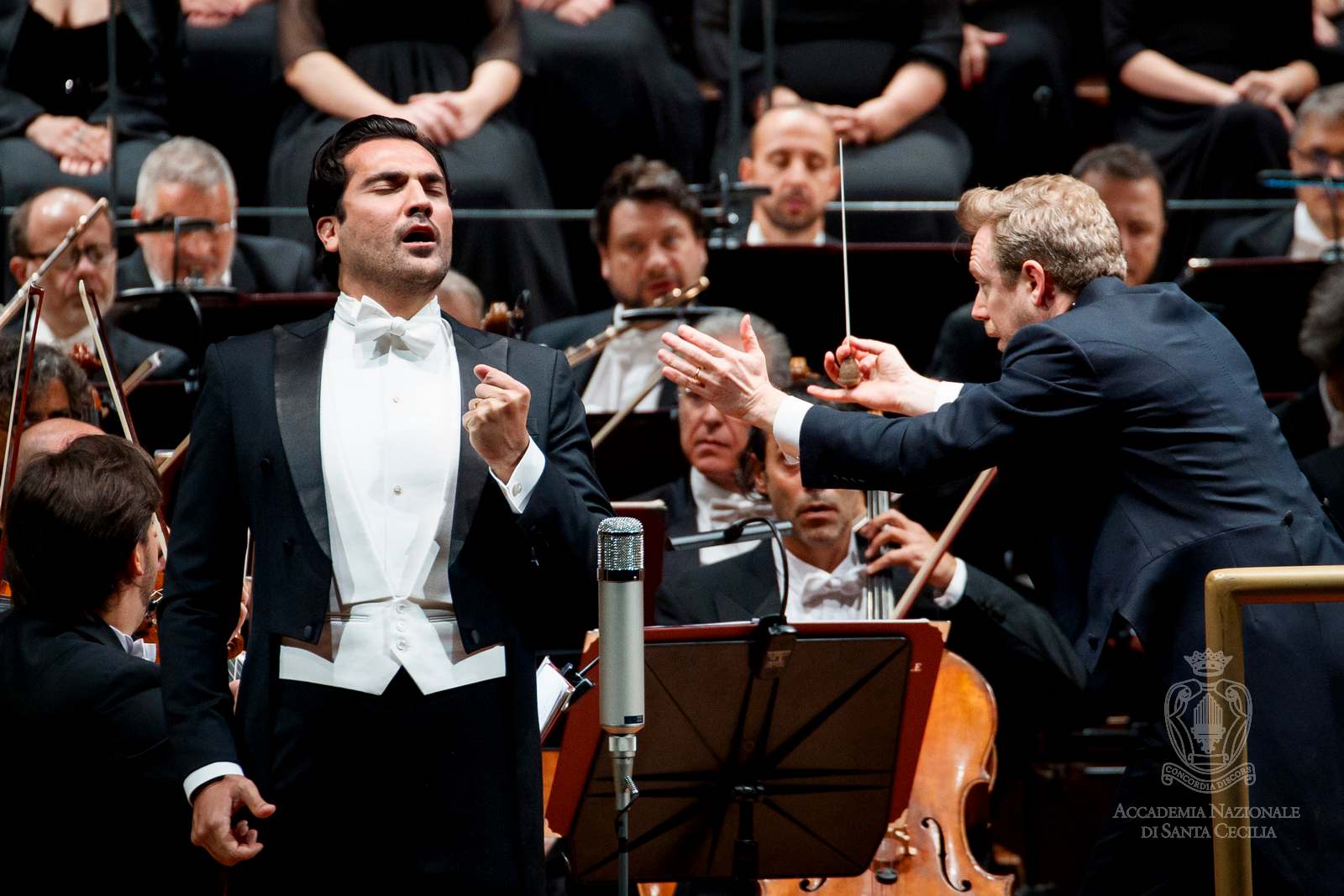
The reason for that is due to Buratto and Tézier’s thrilling interpretation of that central act – perhaps as a direct result of their recent stage partnership. What struck me most about Buratto’s assumption this time around, is how she has grown even more fully into the role. She has the measure of Tosca’s range of emotions, the fire as she reacted to Scarpia’s threats was made potent through her use of text; her flirtatiousness with Cavaradossi in their Act 1 duet, as she sang of their villa, was brought out by lightening the tone and turning the corners with ease. Tonight, her ‘vissi d’arte’ moved me so deeply. She focused the tone of her silvery soprano, bringing it right down, and sustaining the long Puccinian lines (particularly long here due to Harding’s funereal tempo) with impeccable legato and ease. More than that, she brought out so much truth in the text, filling every single word with meaning. I’ve said before that Buratto represents the best of the great Italian tradition, and tonight I felt an immense sense of privilege in being able to see it take life before me. Despite the unfriendly acoustic, Buratto managed to soar above the orchestra in those climactic rising figures in the torture scene. It did, however, sound that she pushed the voice slightly further than it can naturally go in the final act. The tone tending to sharpness and losing a little bit of spin. She could certainly have reined it back in and still have been heard. It does feel though, with this second assumption of this iconic role, that Buratto has very much arrived as the Tosca de nos jours.
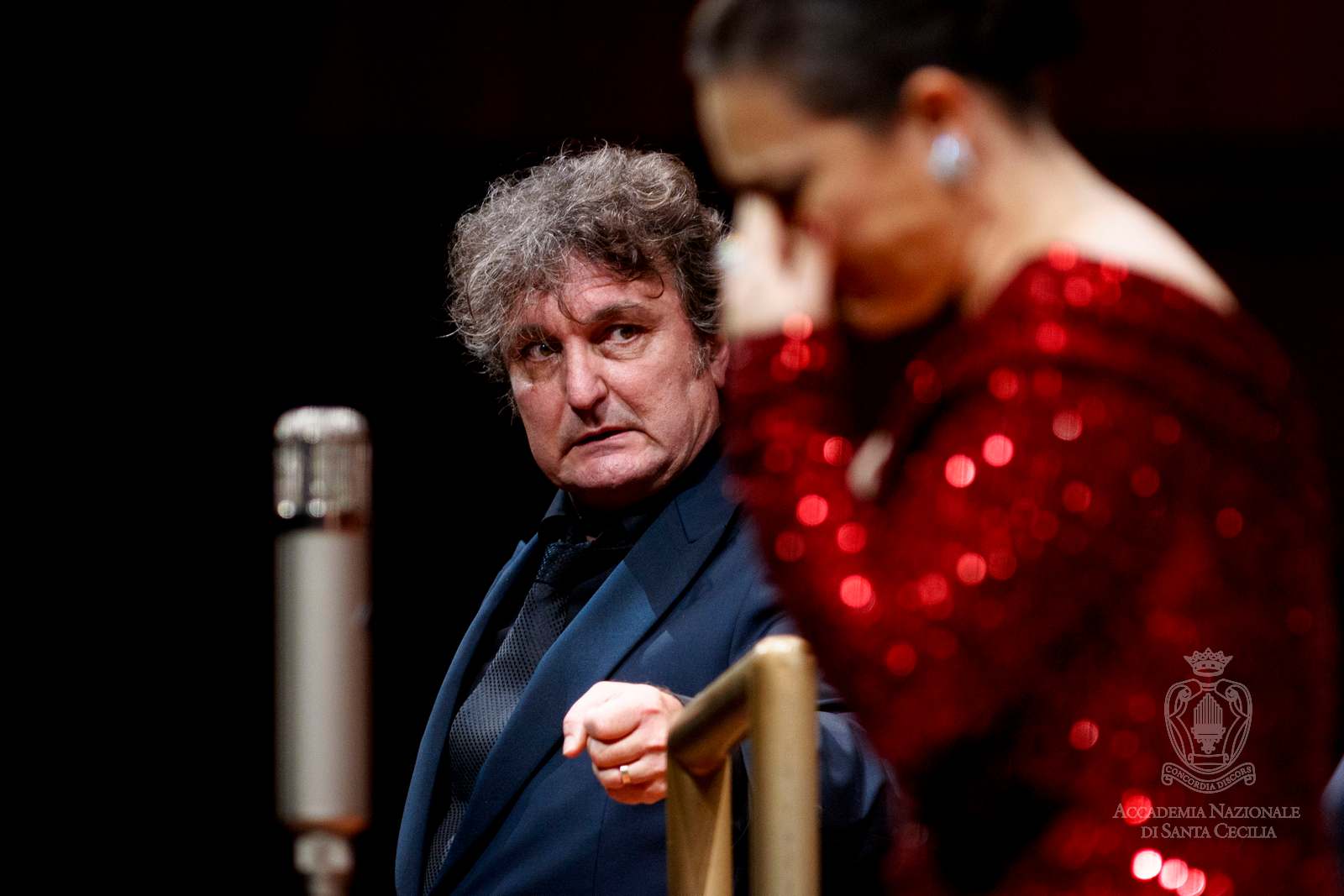
Similarly, Tézier proved himself tonight to be Buratto’s equal in textual eloquence and insight. It did feel that he was particularly hampered by the acoustic. The voice didn’t sound as firm and focused as it did in Munich, lacking in the colour that I know he has from having heard him very recently. It was also very clear that he wanted Harding to move faster in the ‘te deum’, where phrases he would normally take in a single breath needed to be split up. Again, in his descriptions of evil, he made it seem almost quotidian, the mocking of Tosca in ‘Mai Tosca alla scena più tragica fui’, filled with a mixture of both contempt and enjoyment. This was very much a Scapria that lived in his complex vividness.
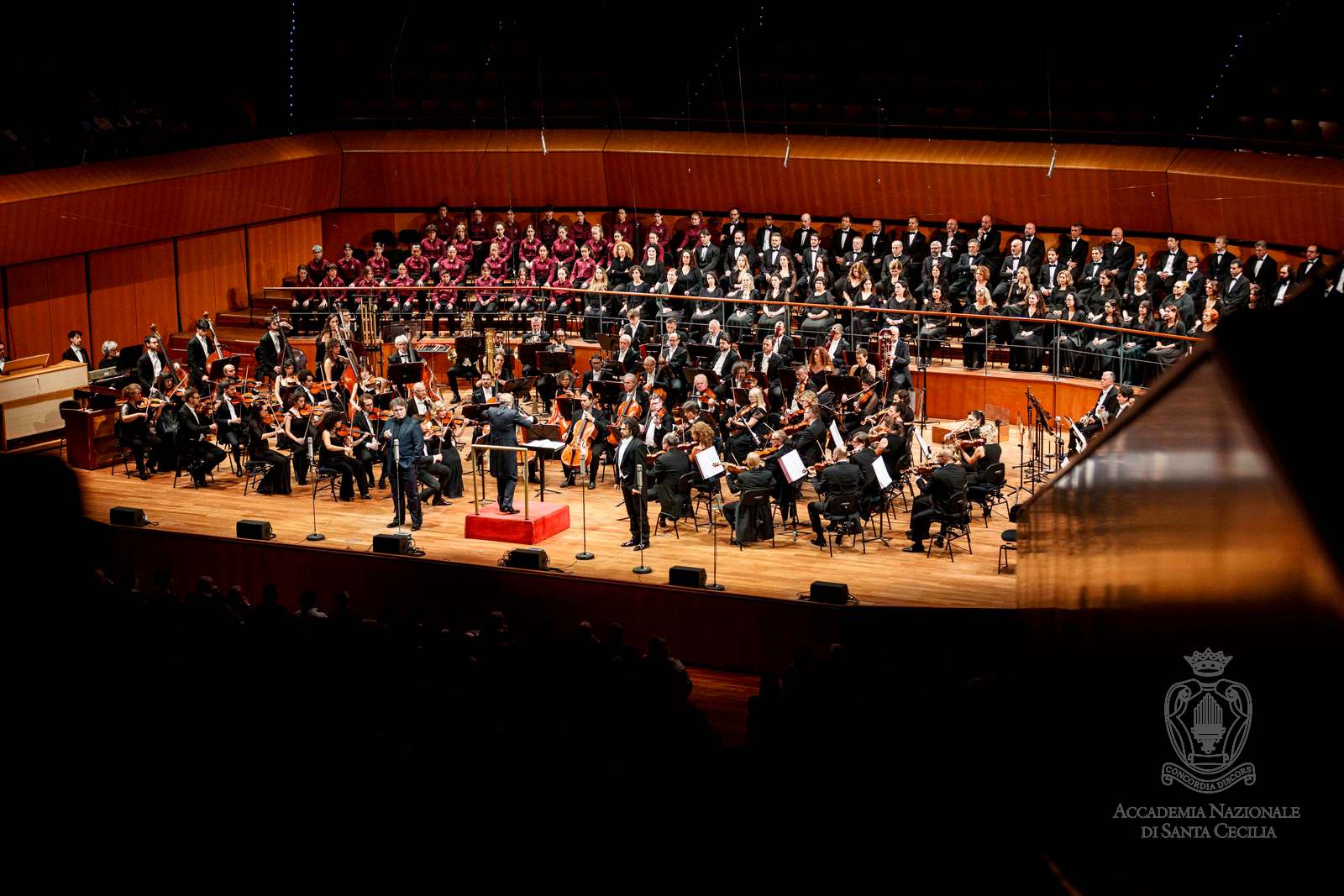
Next to his colleagues, Tetelman’s Cavaradossi felt somewhat more generic, lacking in that ability to really use the words to bring out meaning in a way that Buratto and Tézier made so memorable. His tenor is in excellent shape, focused and healthy in tone, if somewhat narrow – though with the caveat that he wasn’t helped by this acoustic. He sang his ‘recondita armonia’ with a smooth legato, the registers even. His ‘vittoria’s were sung with impressive strength and mercifully not held on interminably, while his ‘e lucevan le stelle’ was sung with inwardness – although here I wish he had used the dynamics more to bring out meaning. The healthiness of Tetelman’s vocalism gave pleasure, even though on the whole, I found his assumption of the role to be functional rather than inspirational.
The remainder of the cast reflected the high standards one would expect from the Italian Republic’s foremost symphonic organization. Giorgi Manoshvili sang Angelotti in a very firm, handsome baritone, while Davide Giangregorio was an appropriately bluff Sagrestano. Matteo Macchioni sang Spoletta in a light, focused tenor, while Alice Fiorelli sang the Pastore with real confidence. The choruses, adults prepared by Andrea Secchi and children by Claudia Morelli, sang with attractive firmness of tone in their brief interjections.
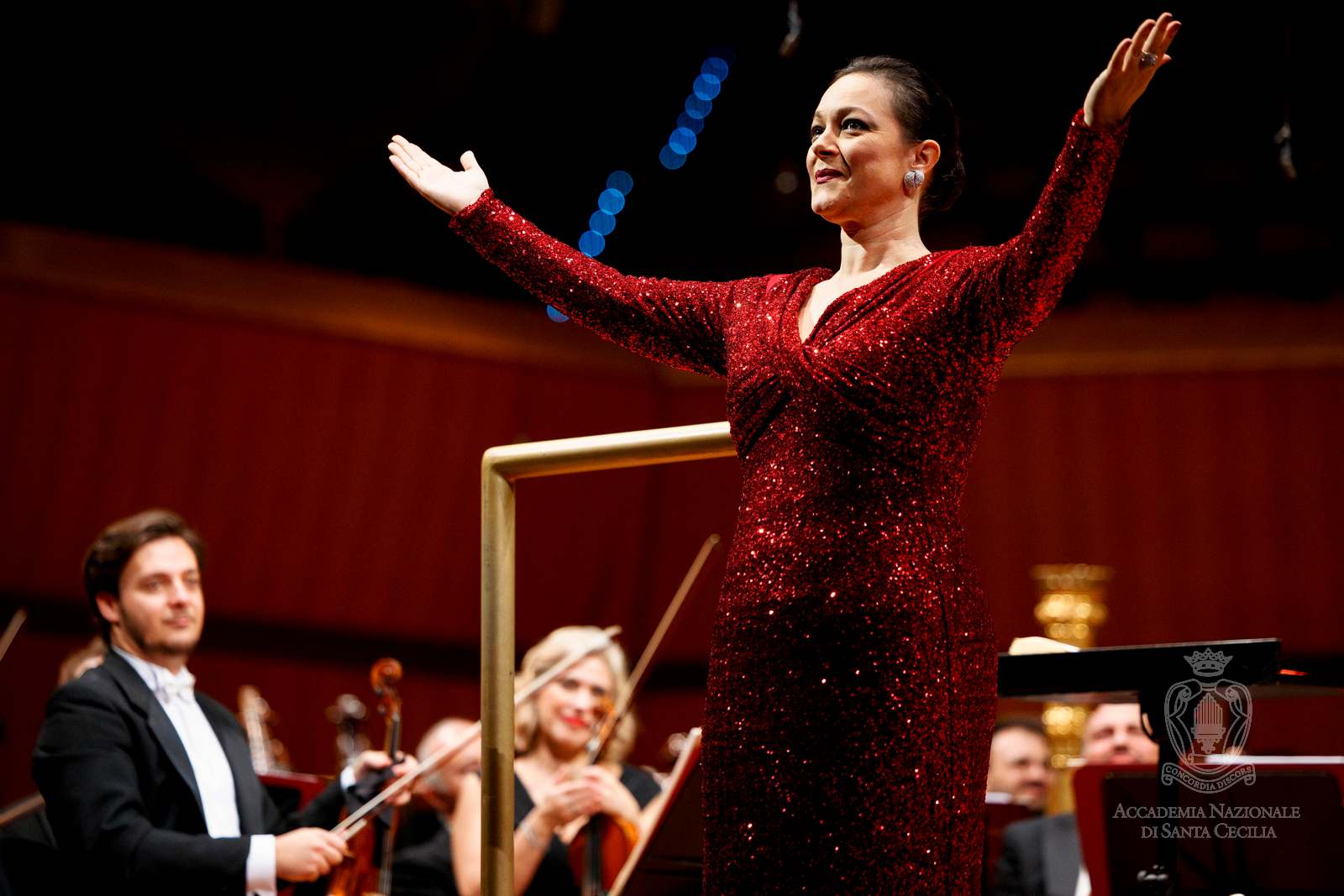
This was something of a mixed experience and I do wonder if those listening and watching at home might have had a more satisfactory evening. The performance was definitely marred by the limitations of the venue – both practical and in the vocally unfriendly acoustic. Harding’s conducting was also more symphonic rather than dramatic in approach, in a work that should really crackle with theatrical tension. That said, Buratto and Tézier managed to transcend these limitations to give us such vivid and believable performances that took us deep into the world of their characters. The Roman audience greeted the cast at the close with generous ovations.
 operatraveller.com
[…] today, was taking on this iconic role too soon. I needn’t have worried. Both here and at the Santa Cecilia in October, she proved herself a tremendous exponent of this iconic role, bringing that unique […]