Wagner – Götterdämmerung
Siegfried – Kim Youngwoo
Gunther – Johannes Kammler
Alberich – Daniel Schmutzhard
Hagen – Patrick Zielke
Brünnhilde – Åsa Jäger
Gutrune – Sophia Brommer
Waltraute – Olivia Vermeulen
Erste Norn – Jasmin Etminan
Zweite Norn – Marie-Luise Dressen
Dritte Norn – Valentina Farcas
Woglinde – Ania Vegry
Wellgunde – Ida Aldrian
Flosshilde – Eva Vogel
Festspielchor der Richard-Wagner-Akademie, Chor der KlangVerwaltung, Dresdner Festspielorchester, Concerto Köln / Kent Nagano.
Concert performance.
Kulturpalast, Dresden, Germany. Thursday, May 14th, 2026.
With this tour of concert performances of Götterdämmerung, Kent Nagano and the period instrument orchestras of the Dresdner Festspielorchester and Concerto Köln’s Ring cycle comes to a close, a tour that will also take them to Bayreuth, Hamburg, Cologne, Lucerne and Paris, France over the next few months. My journey with Nagano’s Ring started back in 2021 in Amsterdam, with a fascinating Rheingold. This was followed by Walküre in 2024 and Siegfried in 2025, both in Cologne, before culminating with this evening’s first performance of this year’s tour in Dresden. The performances took place in the beautiful Kulturpalast, a hall that was reconstructed and redesigned within the original shell of the GDR building, and which reopened in 2017. It’s a handsome venue, wonderfully open and resonant in sound, giving the instruments and voices plenty of acoustic space in which to bloom.
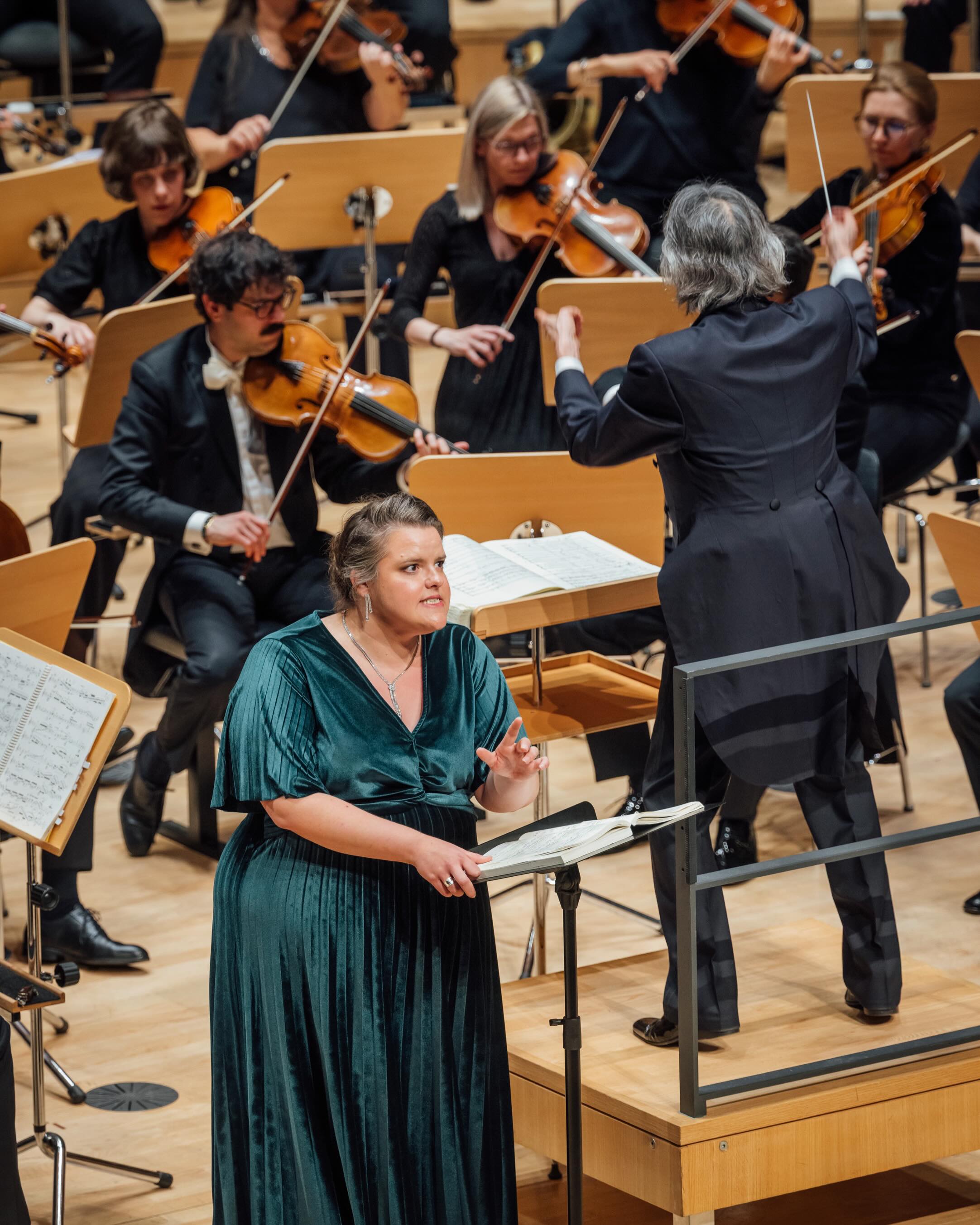
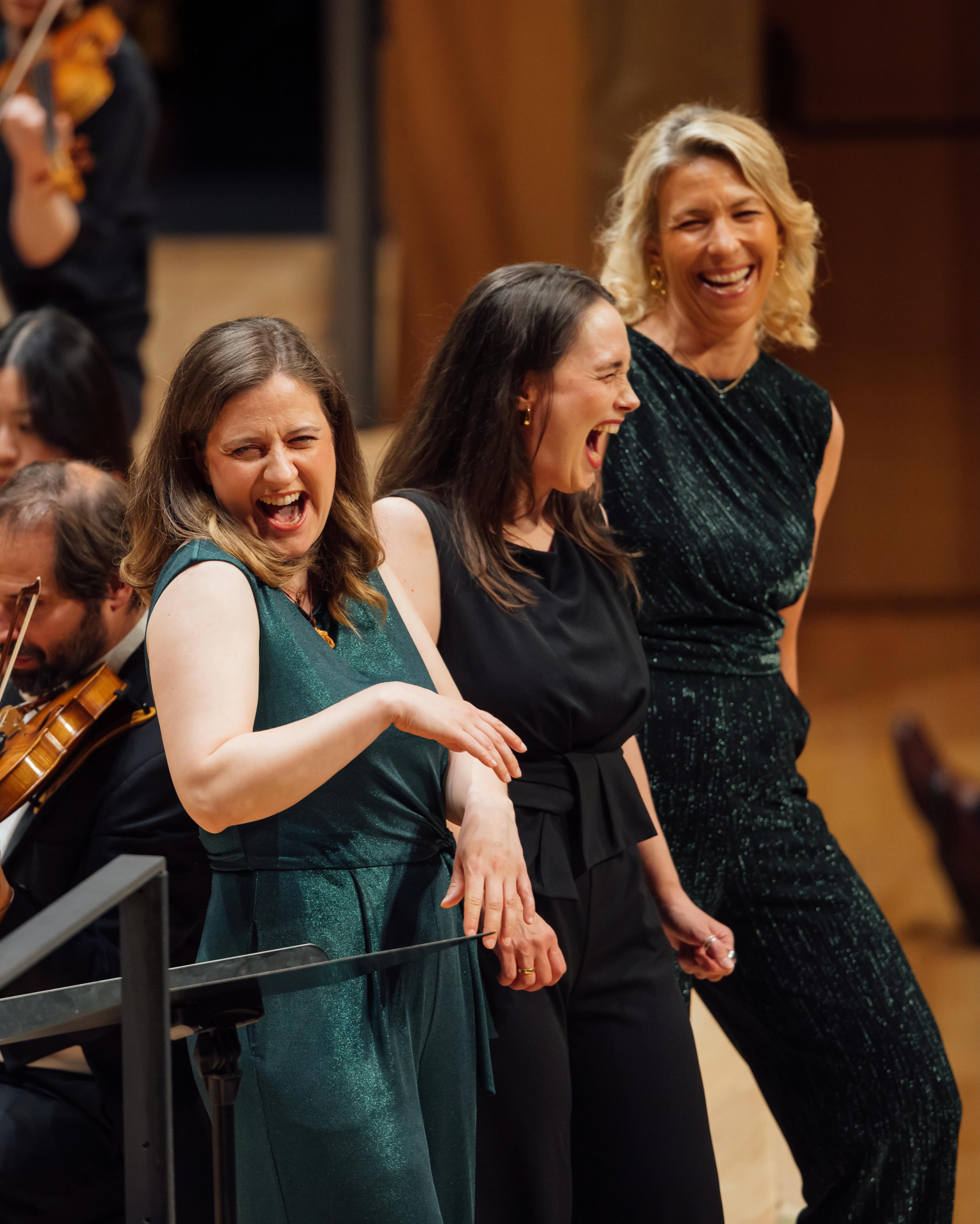
As with the other instalments in the cycle, this evening was billed as a concert performance, but was significantly more than that. While the cast generally sang without scores from the platform, entries and exits were managed in a theatrical way, with characters often appearing at moments when they weren’t singing. For example, the Rhinemaidens perambulated through the hall as we heard the strains of Siegfried’s Rheinfahrt, while they also stood on the platform during the immolation scene, potentially blocking the view of Åsa Jäger’s Brünnhilde for those sitting at the front left of the auditorium. It did, however, allow the cast to tell the story even more vividly than a simple concert performance would allow, and it was clear that the principals were particularly dramatically engaged with their roles.
The most notable feature of this cycle to date has been the revelatory sonorities produced by the orchestra – and this was also the case this evening. I found the brass sound to be much more mellow and well-balanced than with modern instruments, allowing Wagner’s harmonies to fully register, the trombones wonderfully raspy, founding the brass writing on a full, rich bass. Indeed, this was also the case for the strings, the warmth of the bass line was particularly full, adding a satisfying resonance to the sound. The clarinets were also distinctively nutty in tone. The strings played with minimal vibrato, playing with a frequent and generous application of portamenti. While the string sound might be thinner than one will be used to, I found it particularly beguiling to listen to in its transparency. Despite the challenges of working on older instruments, the quality of the brass playing was absolutely exceptional, those tricky lines in the horns in the first interlude of Act 2 dispatched with impressive precision.
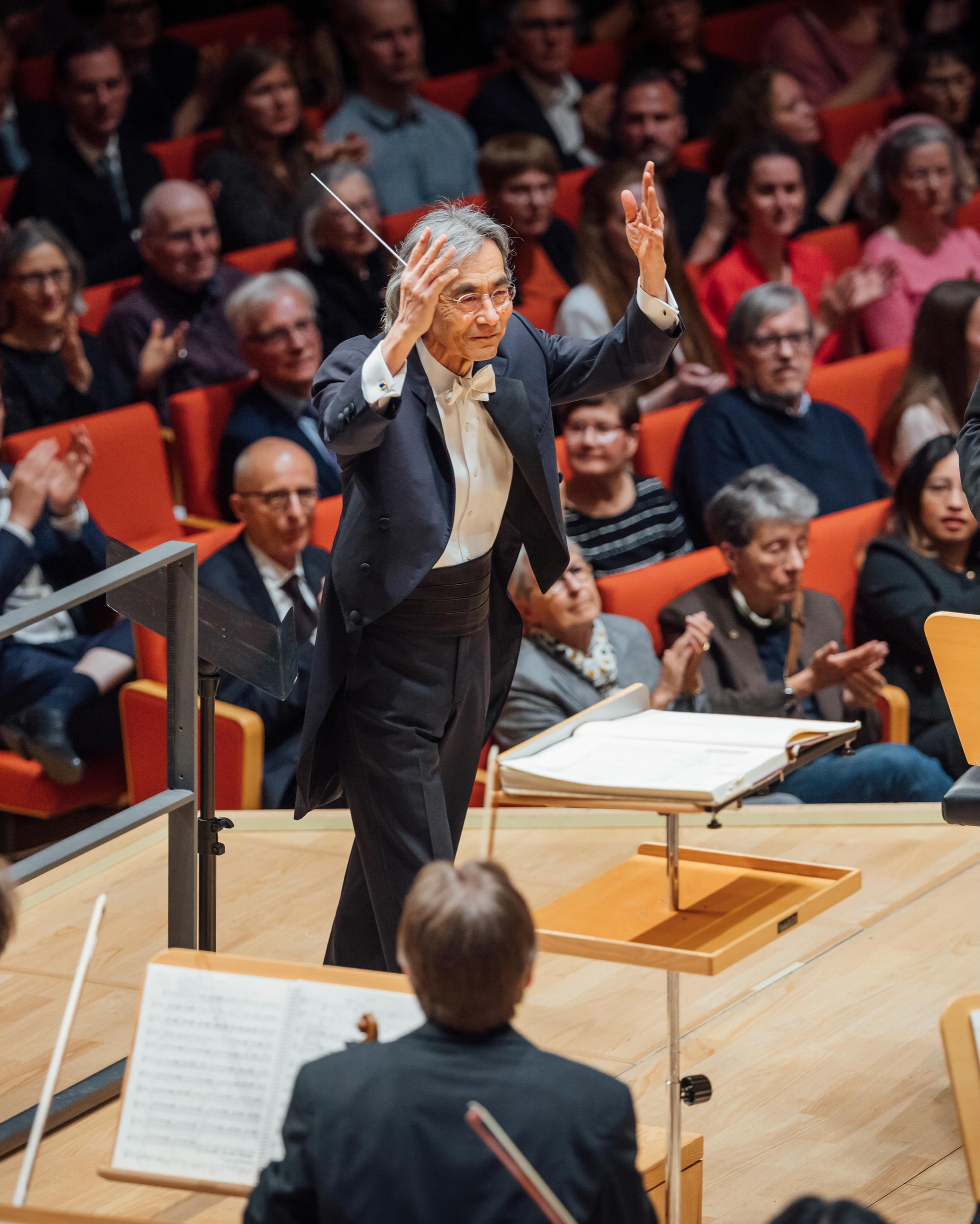
Nagano led a relatively swift reading, with each act coming in around 1 hour 47, 1 hour, and 1 hour 10 minutes respectively. Despite the swift running times, I did find Nagano’s reading to sag in places, most notably in the Waltraute scene, where the tension dipped, missing the ultimate in dramatic impetus. He did launch into a surprisingly swift account of the Vassals’ chorus in Act 2, giving it a drive that pulled us along impulsively. In the closing scene, he pushed ahead as the new world came into view, the luftpause before the statement of the redemption through love motif ignored, meaning that moment we had waited four evenings for, seemed rushed and driven. I must admit that Nagano’s reading felt that he and his forces were looking at the work from without, rather than living it from within – the brass stabs in the Trauermarsch felt perfunctory rather than devastating in their force. It was an intelligent and cogent reading, but one that lacked the sheer emotional engagement that made Lyniv’s cycle in Bologna so immensely satisfying.
As was the case earlier in the cycle, the cast was made up of youthful singers, a number of whom were making role debuts. Jäger left me with a positive impression as Brünnhilde last year. Her soprano is of an impressive size, with strawberries and cream tone. She sang tonight with womanly beauty of tone, able to rise above the orchestral sound with ease. It’s a fabulous natural instrument, one that will surely give her a very bright future in this repertoire. Her diction was also wonderfully clear, the words always allowed to register. And yet, to my ears, her technique sounds unfinished. The top lacks the freedom that comes from optimal support. She sadly had a serious accident on the high C in the opening duet, but fortunately she was unfazed and this didn’t affect her confidence during the remainder of the evening. During the immolation scene, there was a repeated and frustrating tendency for the higher reaches to be constantly snatched at and not given their full value. Jäger coped well with the second act, where she was able to cut through the textures in the middle with focused tone. She’s undoubtedly a major talent and has a remarkable gift, but I fear for her longevity if the support isn’t worked on.
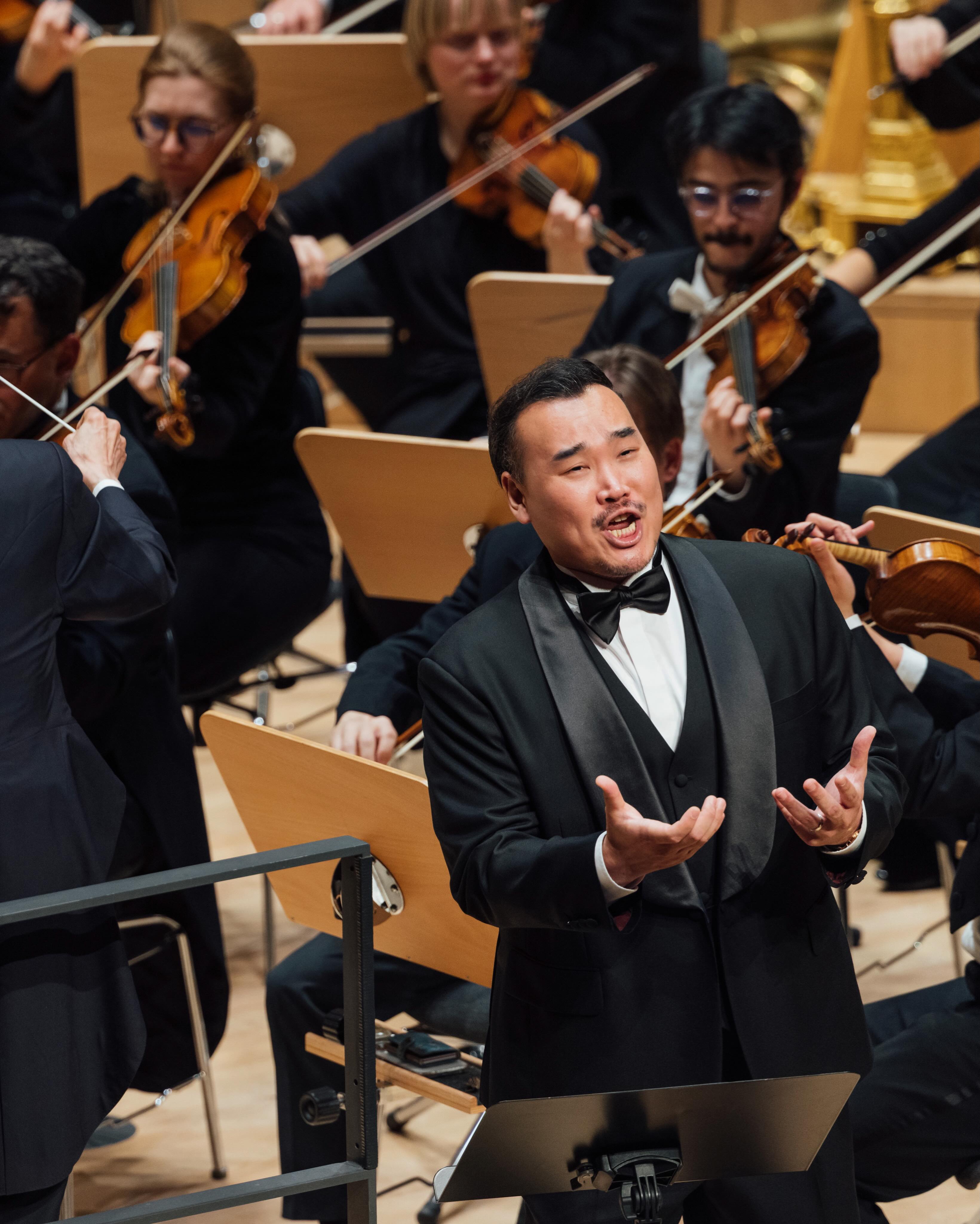
Kim Youngwoo was a revelation as Siegfried. For once, we got to hear a tenor with a bright, forward placement and easy line. Kim was trained in Korea and Ireland, yet his vocal production is very much in the best Italian tradition, with squillo to spare and a focus on beauty of line that is extremely rare in Wagner tenors. Thanks to the placement of the voice, he was able to ring out with freedom over the orchestra. Kim has also clearly worked exceptionally hard on the text, singing it in impeccably clear German. What a pleasure it was to hear a voice in its prime sing this role and in such vocal health.
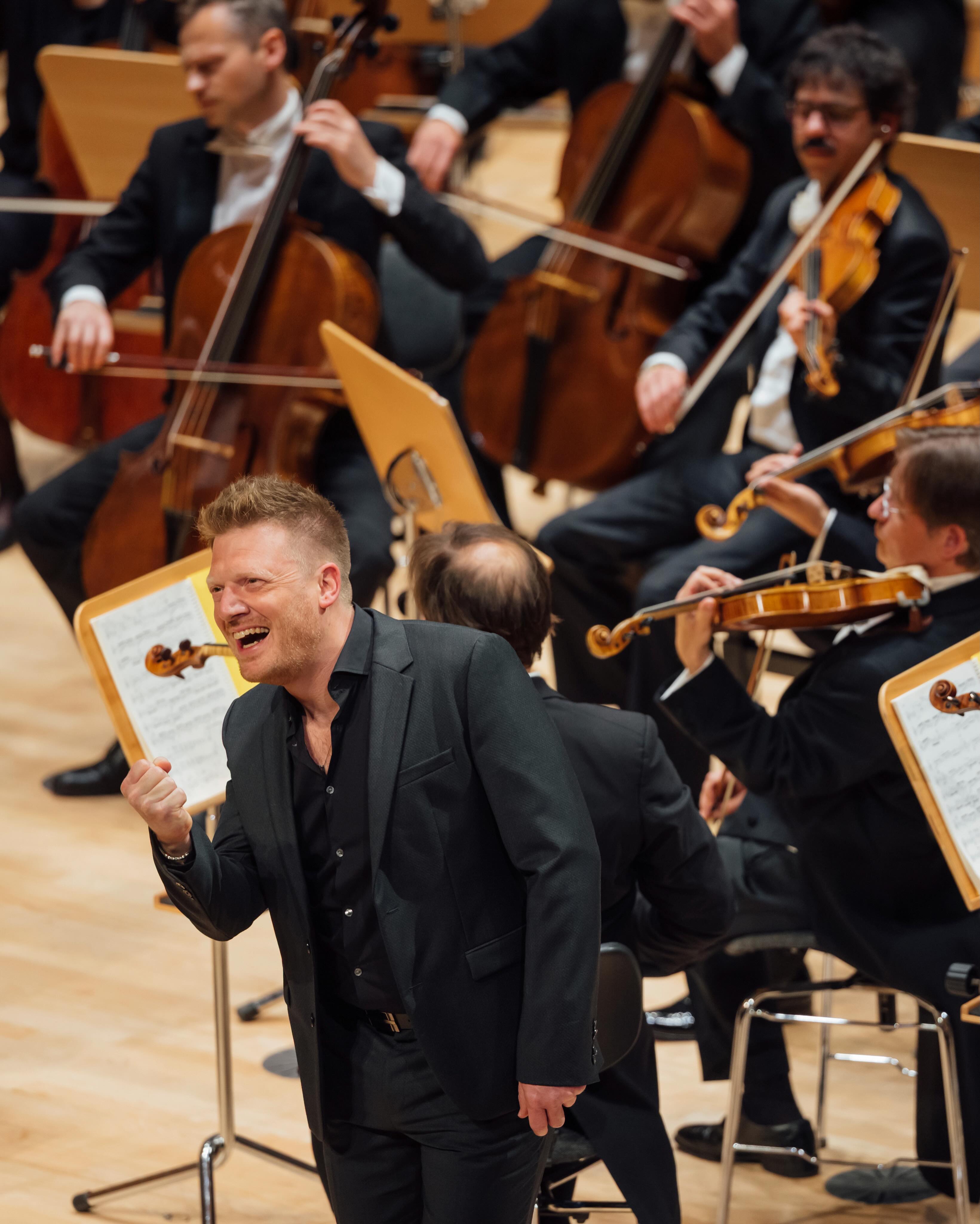
I was slightly nervous about the prospect of Patrick Zielke’s Hagen, not due to his technique or vocalism, but due to the fact that he’s a young singer in a role that’s absolutely punishing. I needn’t have worried. Zielke was sensational. He’s such a stage animal, even in this concert setting he made his Hagen such a fully-rounded character. In the vassals scene, his Hagen was almost psychopathic, his relishing of the mayhem he was about to unleash was all too present. Similarly, in Act 3, he made Hagen’s murder of Siegfried chilling in its manipulative power. His bass coped so well with the power required in the middle, the focused tone filling the room with ease, with no sense of a voice being pushed further than it can go.
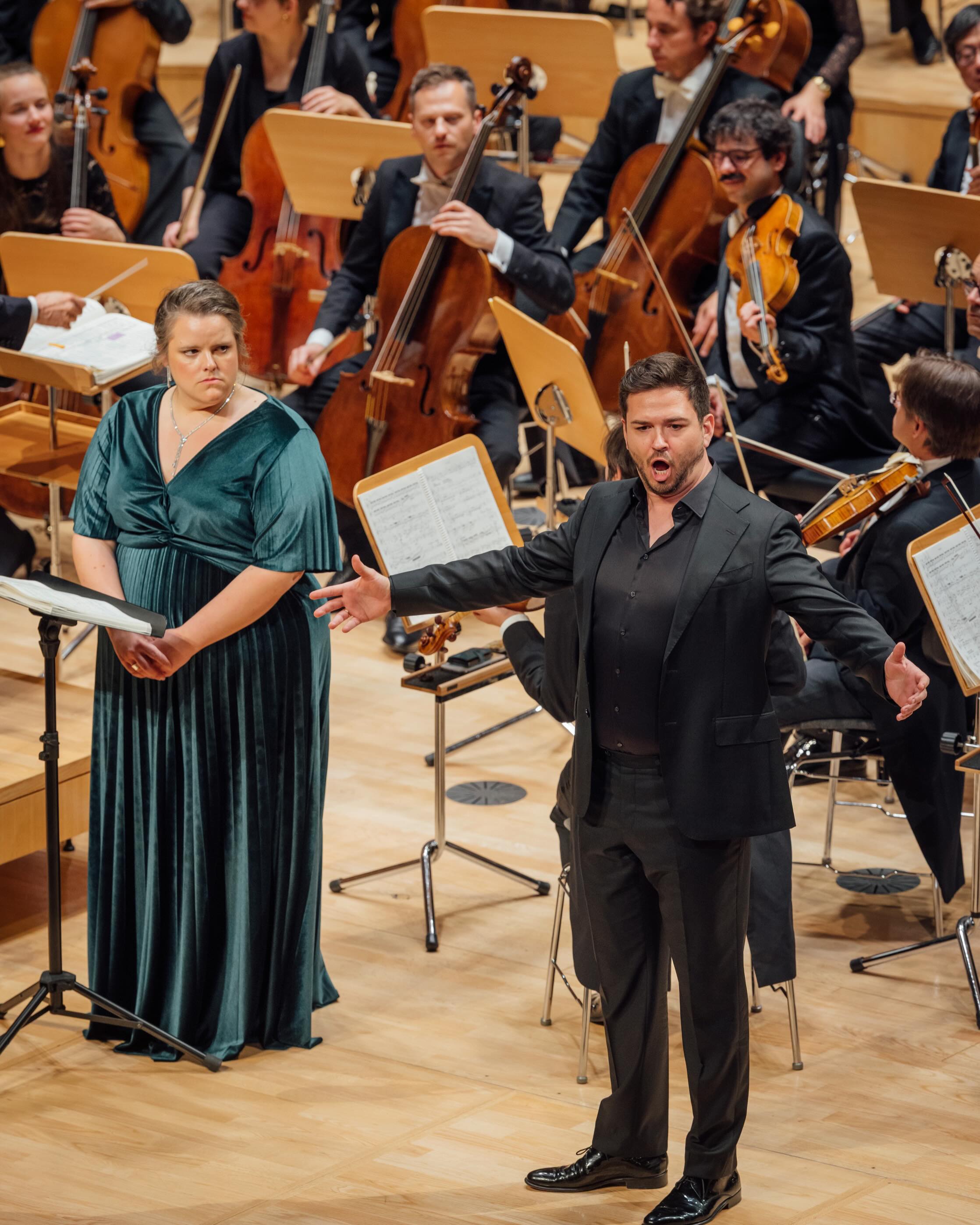
I’ve been following Johannes Kammler’s career for a decade and it gives me so much pleasure to see this superb baritone start to take on the bigger roles with tonight’s Gunther. His singing in Act 2 was wonderfully full and broad, in an impeccable legato, and with a lieder singer’s textual awareness. His handsome instrument, was firm in tone throughout. As Gutrune, Sophia Brommer sang in a crystalline, focused soprano with easy reach on top. In the remainder of the cast, Olivia Vermeulen gave us an eloquent Waltraute. Hers was a lighter voice than is normally heard in this music, and perhaps lacked an ideal openness of tone on top, the sound tapering off rather than blooming up there. That said, she made Waltraute’s narration compelling through her pointing of the words. Daniel Schmutzhard returned as Alberich, singing with focused tone, never succumbing to the urge to hector. As the first Norn, Jasmin Etmian sang with a rich, mahogany contralto, one I’m sure will make an impressive Erda in future. The remaining roles were confidently taken by mellifluous voices. The choruses, prepared by Matthias Jung, sang with focused tone and impressive balance between sections.
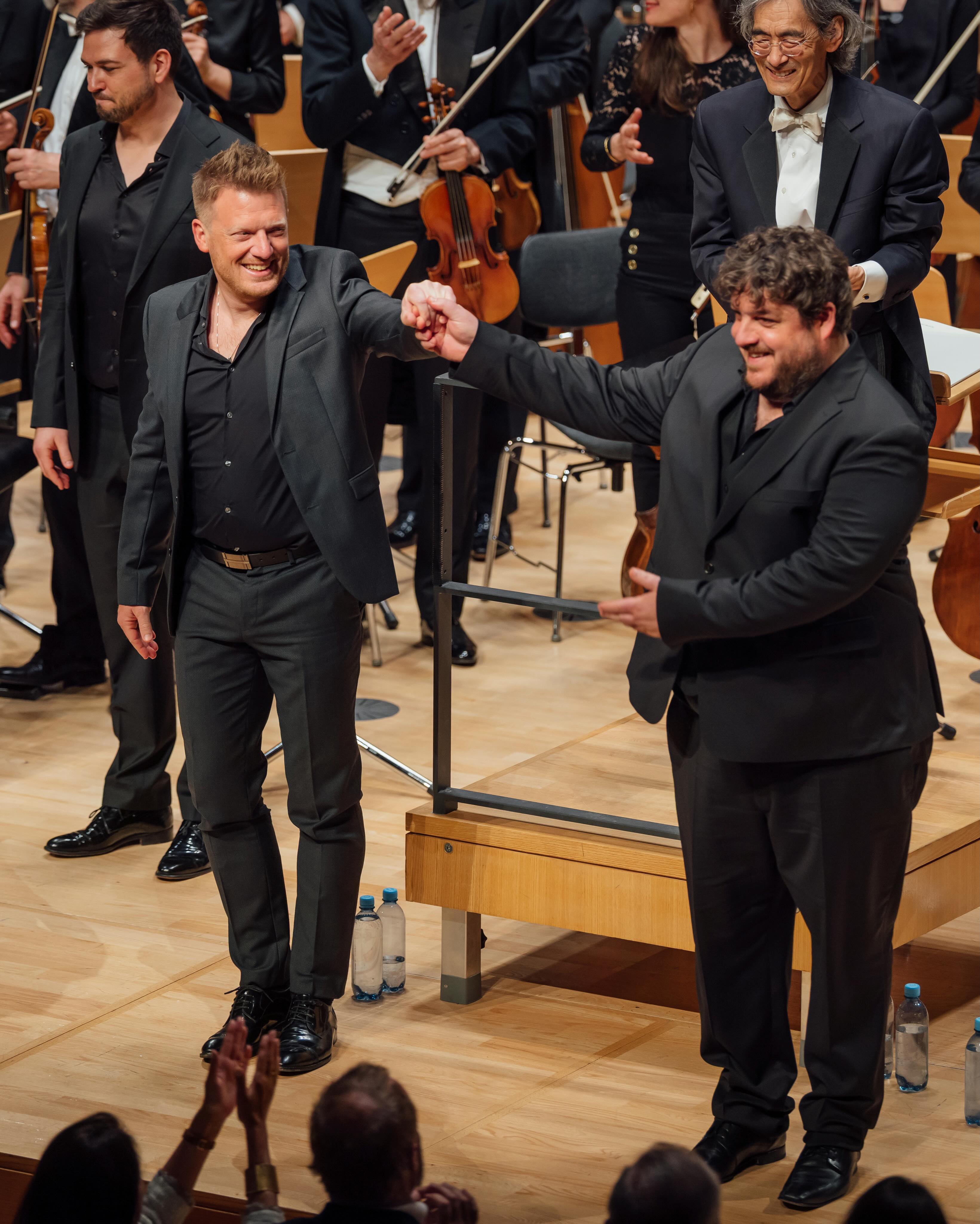
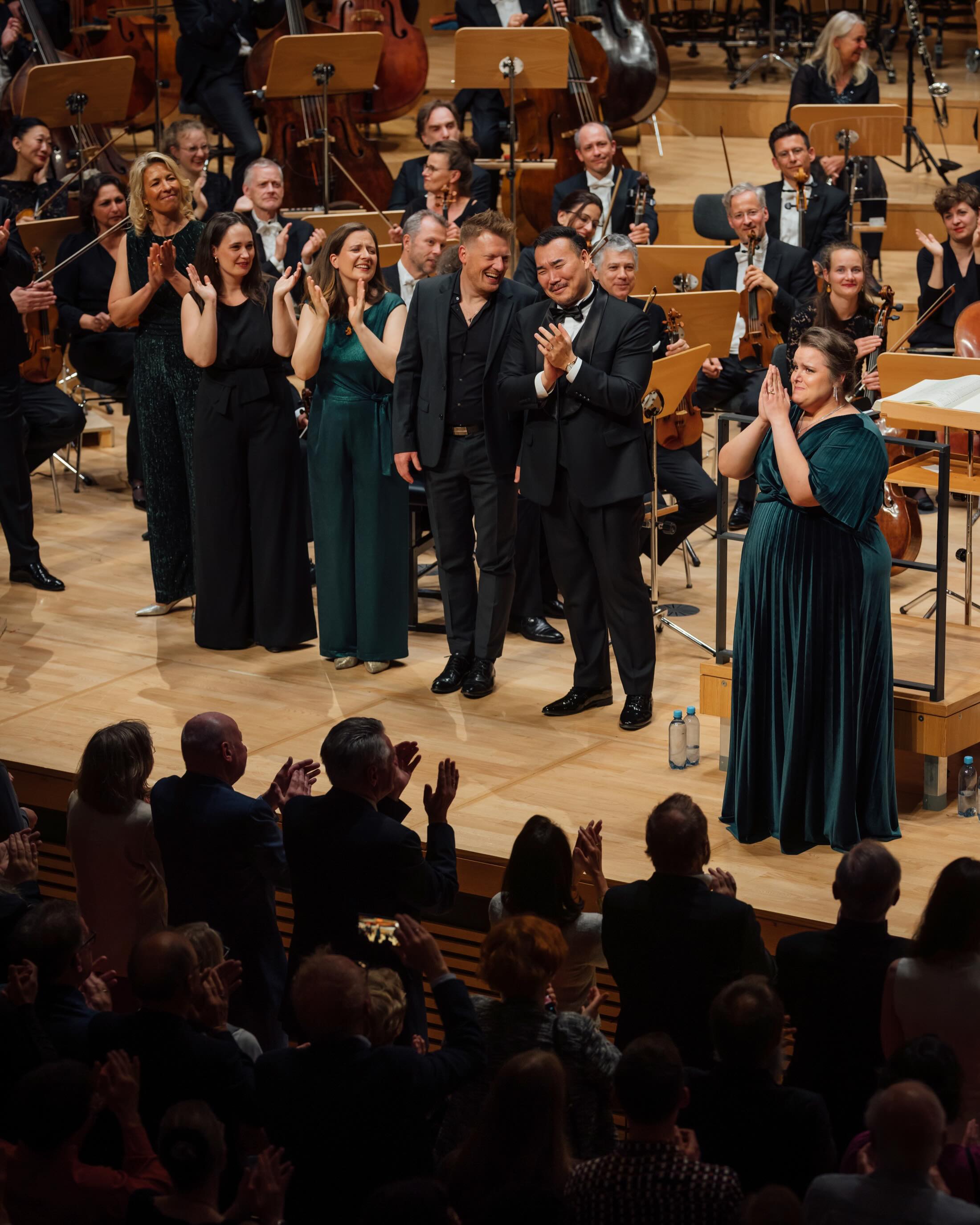
This made for a fitting conclusion to a Ring cycle that has given particular pleasure over the past five years. The period instruments were a revelation in their sonorities, giving us the impression of a great architectural edifice cleared of the grimes of decades and appearing fresh and new. While Nagano’s reading did feel somewhat detached, he led us through the evening with logic and focus. The singing gave a great deal of pleasure, the use of younger and lighter voices, enabled by the period instruments, meant that the music sounded fresher and more vivid than I’ve heard it before. The audience response at the close was generous and enthusiastic, with Jäger appearing to be immensely touched by the particularly warm response she received at the close. Most certainly an evening worth seeing as it makes its way around Europe in the coming months.

