Verdi – Aida
Aida – Yolanda Auyanet
Il Re – Adriano Gramigni
Amneris – Valentina Pernozzoli
Radamès – Ivan Magrì
Amonasro – Ernesto Petti
Ramfis – Alex Esposito
Un Messaggero – Andrea Schifaudo
Sacerdotessa – Veronica Marini
Coro del Teatro dell’Opera di Roma, Orchestra del Teatro dell’Opera di Roma / Daniele Callegari.
Stage director – Davide Livermore.
Opera di Roma, Circo Massimo, Rome, Italy. Wednesday, July 15th, 2026.
For this year’s edition of its summer festival, the Teatro dell’Opera di Roma has set up a temporary theatre in the Circo Massimo in the heart of ancient Rome. It certainly made for an atmospheric setting for a performance of Aida. The start of Act 3 was particularly striking, with the dreamy strings of remembrance accompanied by the songs of cicadas and the chatting of the Italian Nonne in the audience. The mature ladies next to me were keen not to let an operatic performance prevent their conversation, with one of them giving us the added bonus of her vigorously air conducting ‘celeste Aida’ while miming singing along and putting her feet up on the seat in front. It was definitely an experience.
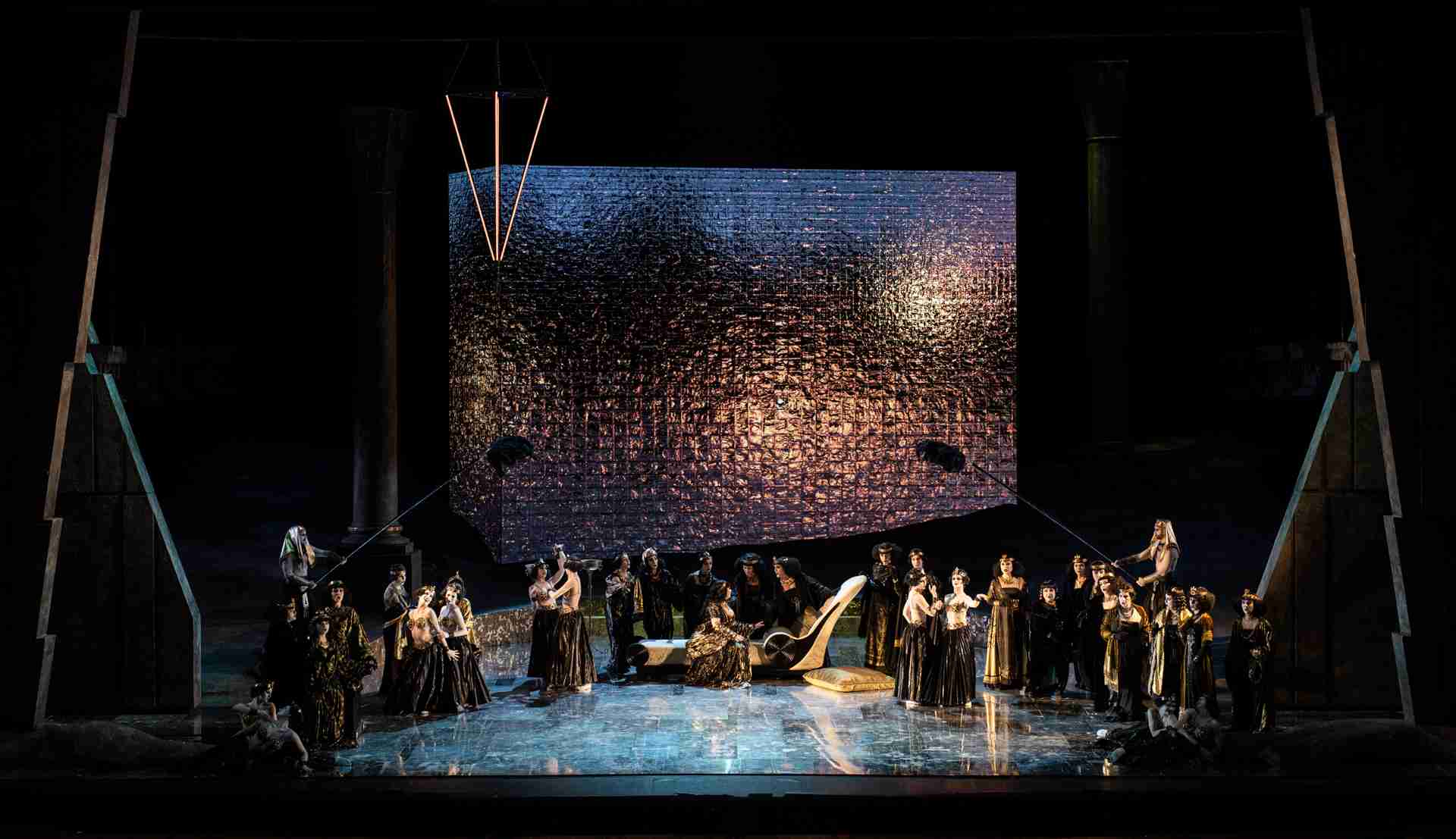
The staging, directed by Davide Livermore, was the same that I saw in Monte-Carlo last November. It was interesting to see it again, since I must admit my experience of it was very different in this outdoor setting than it was in the theatre in Monaco. Tonight, the Opera provided two screens at each side of the stage, which showed the events on stage in close-up. This was particularly effective as Livermore’s design for his staging is based on a reimagining of a 1920s silent movie, with costumes and maquillage reflecting that era. As the close-ups on video were shown in a sepia tint, this very much brought Livermore’s stage pictures to life much more effectively than when I saw it in the theatre, where the visuals lacked the impact that the close-ups brought. I still find the choreography, also by Livermore, unintentionally risible. The bare-chested pharaohs brandishing spears were hilariously camp, although I think they were meant to be threatening, and the danseuses who simultaneously acted out the haka while having an epileptic fit definitely gave plenty of laughs.
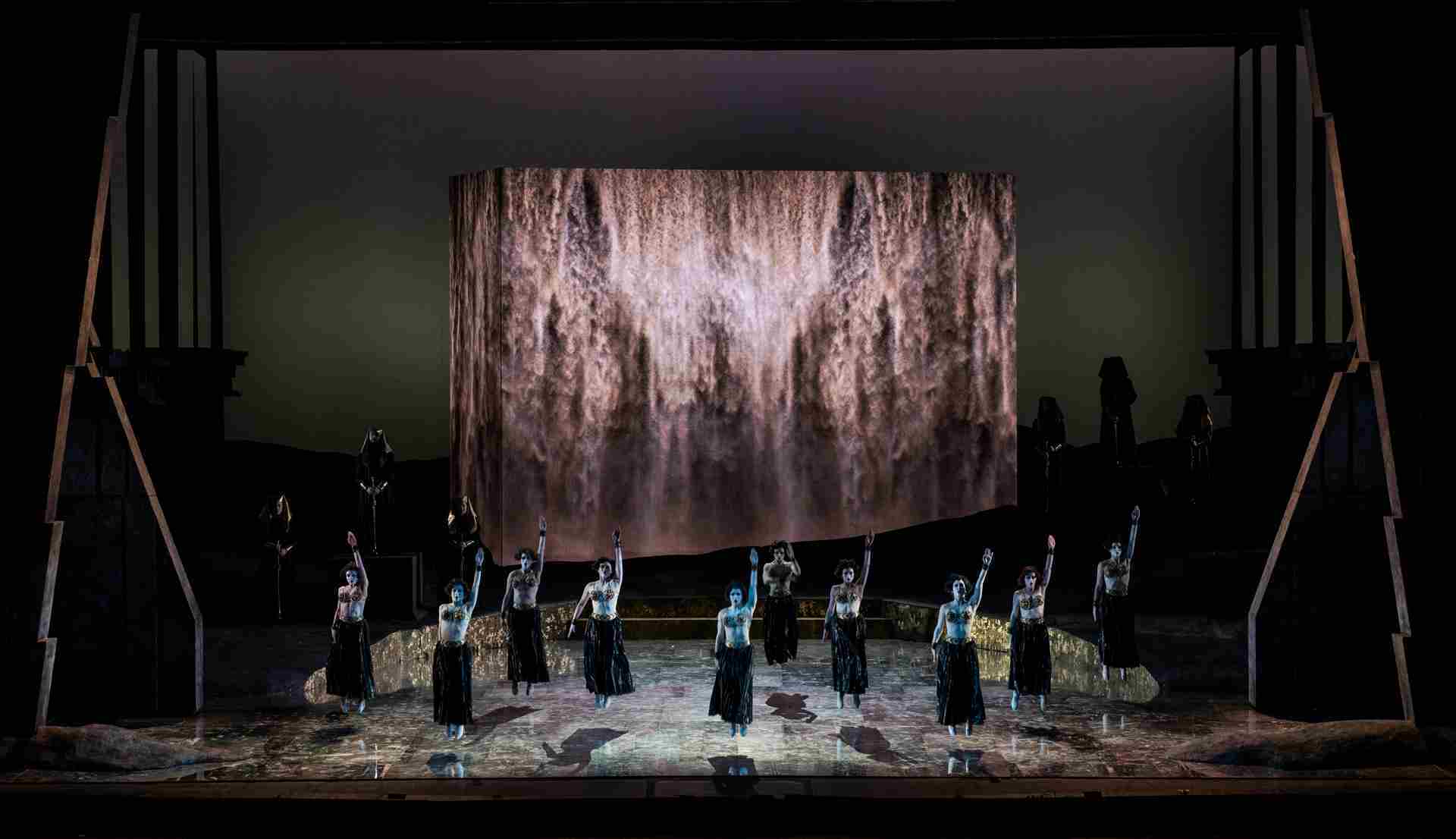
Furthermore, compared to Monaco, the video, by D-WOK, which provides constant visual accompaniment to the action on stage seemed to be part of a bigger whole. It was present, but one’s attention was much more focused on the principals than on anywhere else. That focus meant that it became clear that personenregie was very much based on standing and delivering to the front, with exaggerated hand movements. It certainly was in line with the silent movie aesthetic that Livermore was aiming for, but during the evening I longed for him to illustrate the desperate themes in the work – the drama of love, war, jealousy and exile. These all felt underexplored. That said, what I really appreciated was how clear the text was throughout the cast. This made the drama crackle much more than the stage movements alone.
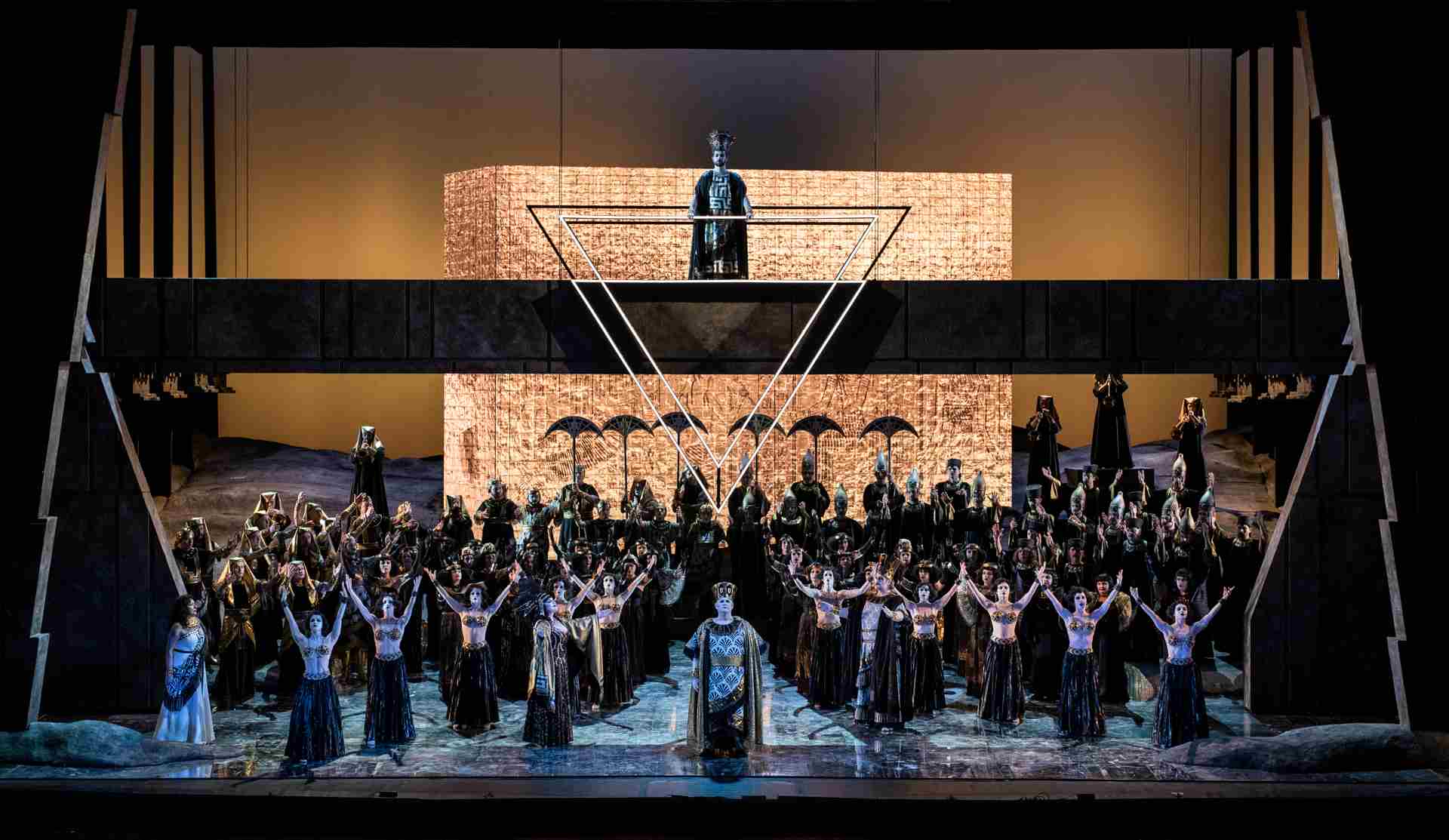
The musical direction was confided to Daniele Callegari. As is customary at the summer festival, the performance was amplified. A big difference to the previous two occasions I have attended shows here is that the amplification appears to have been upgraded, now reflecting the position of the singers on stage. It did seem that the chorus was a bit recessed in the sound design, the opening of the triumphal scene lacked the impact it might have had since they sounded a bit distant; but the end of that scene sounded much louder, as if someone had flicked a switch and turned up the volume. The string sound was somewhat brittle at lower volumes, simply as a result of the acoustic, and the amplification did highlight some momentary lapses of coordination – surely not helped by the very hot and sultry evening. The brass was on excellent form, not a split note all night, and the winds were deliciously fragrant and full of personality. Callegari seemed to be fully aware that working in an outdoor acoustic such as this, he needed to keep the tempi nicely fluid, which certainly compensated for the sonic dryness of the location. He also managed to generally keep his forces together most admirably, again an achievement given the challenges of working in a space such as this.
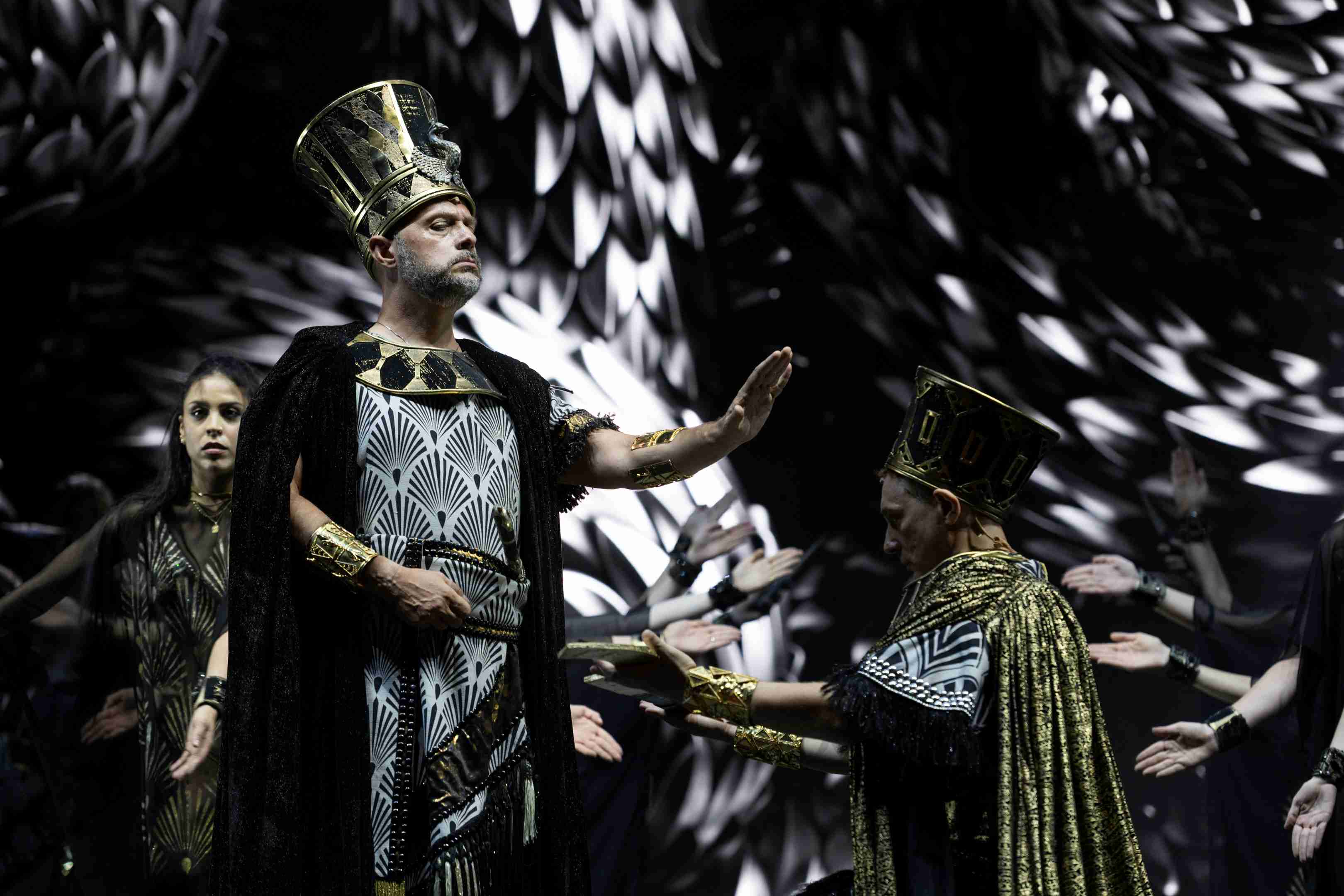
The run has been double-cast. The cast I saw this evening was composed entirely of Italian or Hispanophone singers, which greatly aided textual understanding and meant that the words really did come to life. Tonight was my first time hearing Yolanda Auyanet. The Canarian soprano is an honest, genuine singer who brought much emotion to her music, all sung off the text. The middle of the voice has a rich beauty and her soprano is grounded in a genuine chestiness. The top, however, is rather problematic. While the middle does give much pleasure, the top becomes strident, lacking in spin, with the tone curdling. Auyanet also doesn’t quite have the support lined up, meaning that she had to break the ascent to the high C in ‘oh patria mia’, and the support issues meant that she wasn’t able to float on high in the way that one might hope for. That said, as I mentioned, she is an incredibly sincere and honest singer, who genuinely brought out emotion through the text – and that’s an aspect worth appreciating.
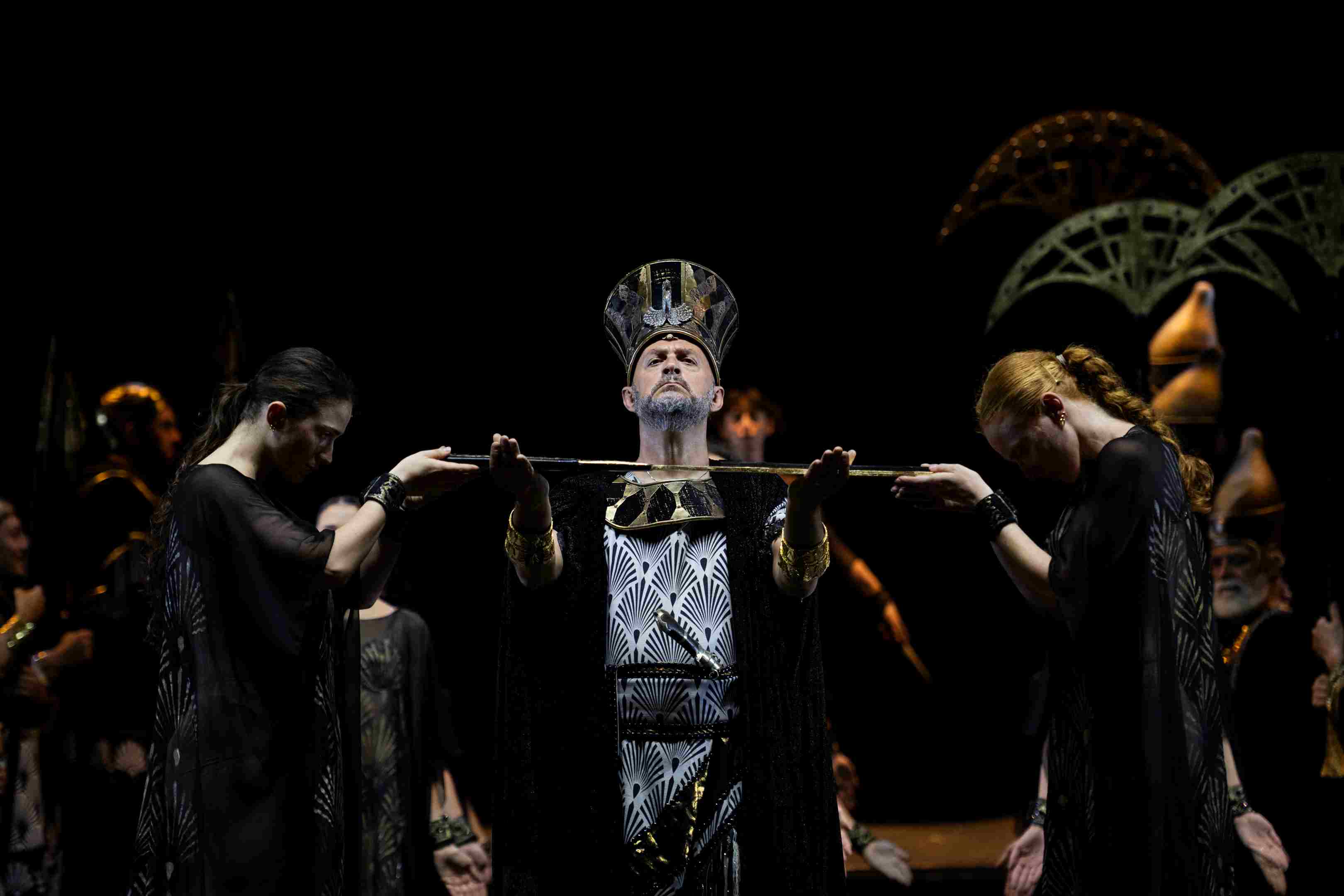
Luciano Ganci brought his robust, sunny tenor to the role of Radamès. As with Auyanet, the middle is most attractive, with a genuine warmth to the tone. The voice did have a tendency to spread on high, the vibrations becoming looser. He made a valiant attempt to phrase ‘celeste Aida’ in long lines, but the closing high B-flat was trumpeted out, with no attempt to incorporate the pianissimo indicated in the score. Again, this was genuine, heart-felt singing with real textual eloquence and in that respect, Ganci gave pleasure. Alex Esposito is making his role debut as Ramfis in this run. His bass is far from the massive bruisers we often hear in the role. Instead, Esposito gave us something much more lyrical and thoughtful. I very much appreciated this approach. He sang his ‘Nume, custode e vindice’ with an even legato and handsome tone, making his imprecations much more prayerful than we often hear. A notable new role for this always excellent artist. Amonasro is also a good role for Ernesto Petti, who sang with focused tone and musicality. He raged effectively in his curse of Aida, but still maintained the integrity of the tone. We also had agreeable interventions from Adriano Gramigni who sang il Re in a lugubrious bass and Veronica Marini who was an extrovert and confident Sacerdotessa. In the role of Un Messaggero, Andrea Schifaudo brought a bright, forward tenor, making every word of his brief scene count. The chorus, prepared by Ciro Visco, sang with enthusiasm and free vibrations in the sopranos, while the tenors and basses sang their priestly harmonies with accurate tuning.
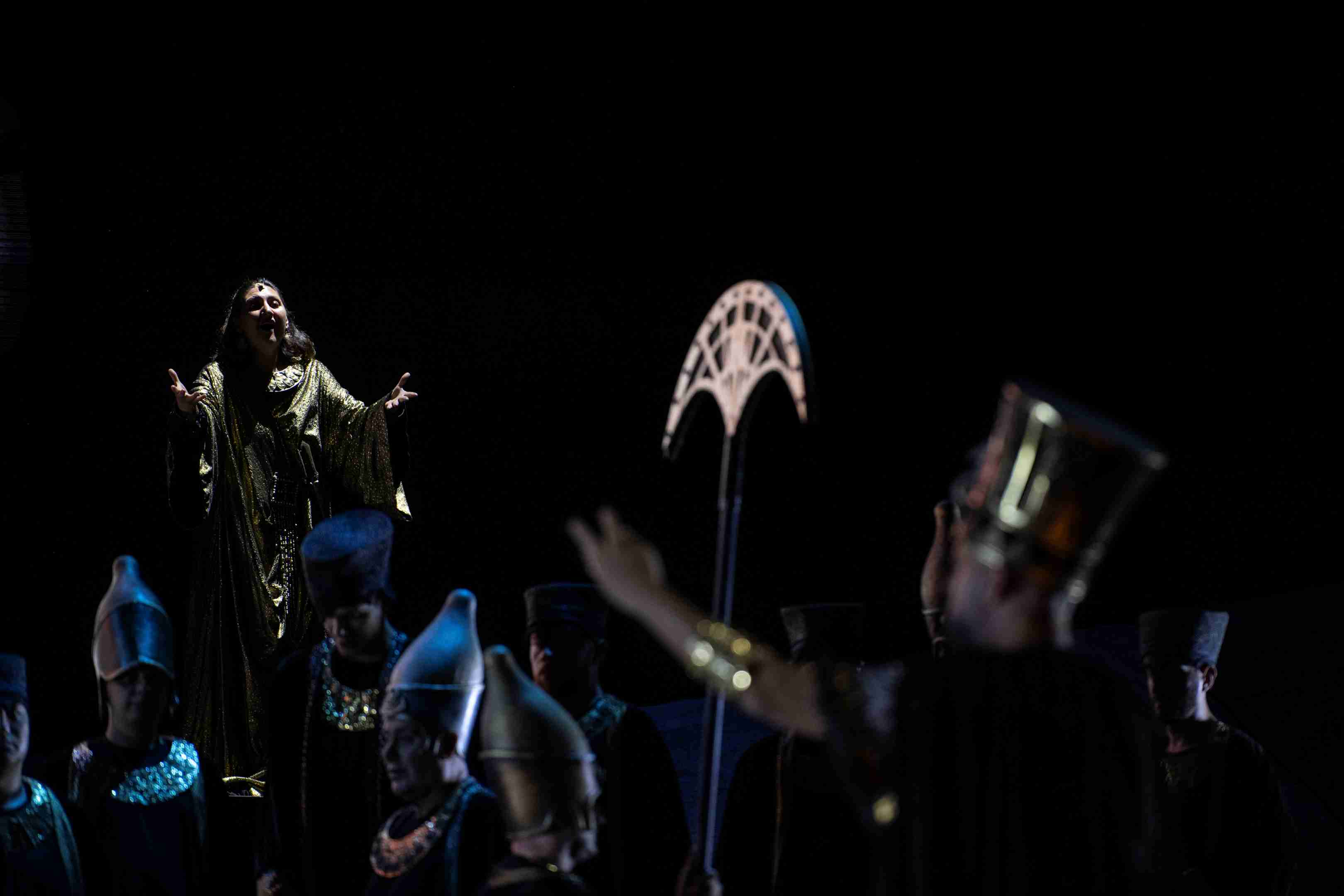
Then there was Valentina Pernozzoli’s Amneris. I first heard this fabulous young singer tear up the stage as Zita in Gianni Schicchi in Florence at the end of 2024. It was clear even then that she had real star quality. Still in her twenties, the Neapolitan mezzo has a bright future ahead of her. She debuted Amneris in Palermo earlier this year, and she’s already an exciting exponent of this iconic role. What a treat it is to hear a real Italian mezzo sing this music; with all of the textual insight this brings. The voice has the colour of a fine Aglianico, wonderfully ruby red in colour, with a delightful piquancy to the tone. She also has a redoubtable chest register, one she isn’t afraid to use. Pernozzoli rose to a thrilling judgment scene, every interjection filled with even more drama. She’s still young and to my ears it does sound that the technique needs a bit more finessing. The lower passaggio isn’t quite completely even and the top, while most certainly exciting and there, does sound like it needs the support to be lined up a little more to give the tone the ultimate in freedom. But these are things that can be worked on and I very much hope she has good people around her who can give her the encouragement and support she deserves, while also ensuring she doesn’t get pushed too far too soon. Pernozzoli is a major talent, one that deserves to be encouraged and nurtured.
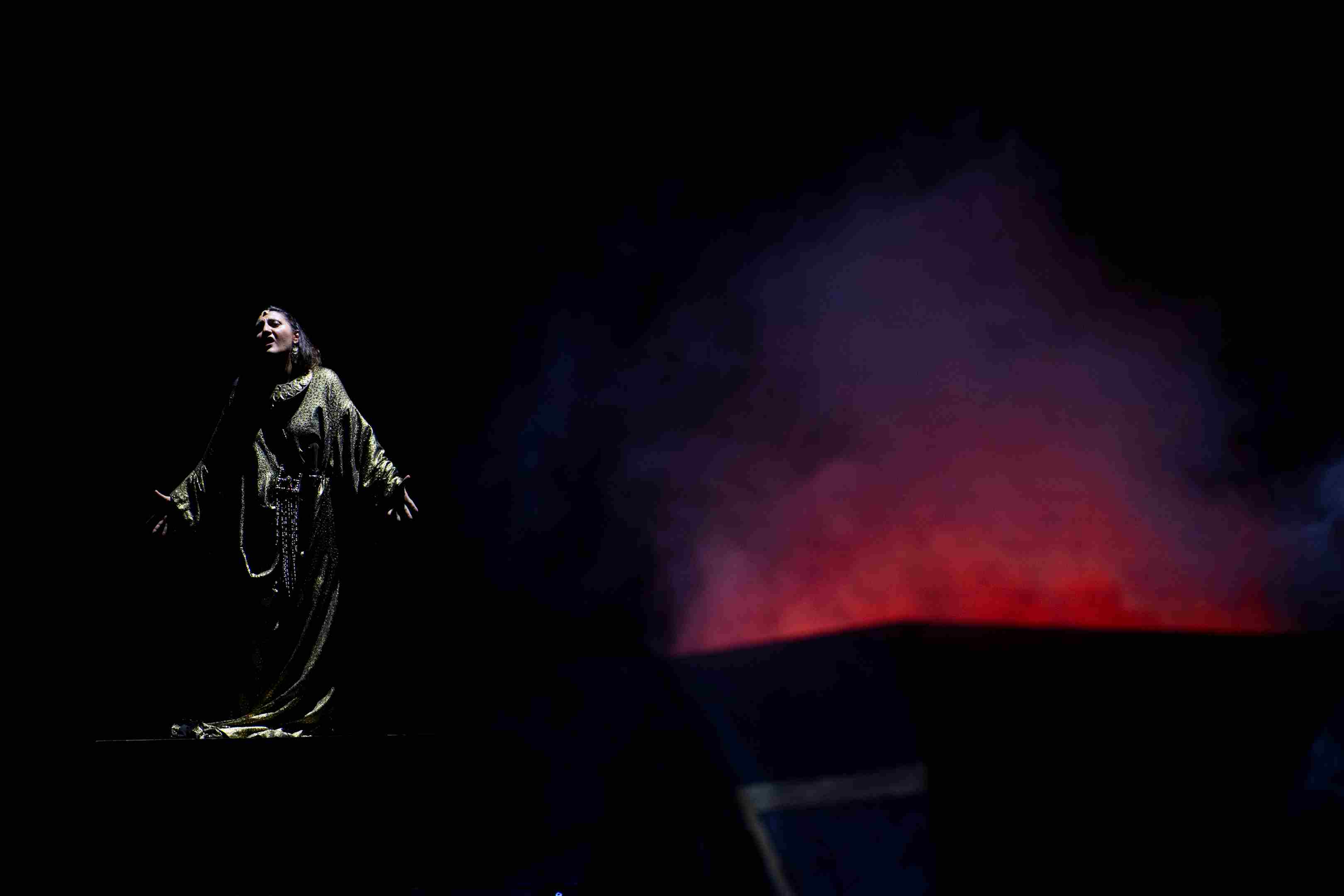
This was my third visit to the Rome summer festival and I must admit that it was the most satisfying yet. Livermore’s staging worked much better than it did in Monaco, thanks to the scale of the outdoor setting. Musically, it was always honest, with the lower voices and supporting roles giving particular enjoyment. The audience responded at the close with warm appreciation.

