Verdi – Messa da Requiem
Soprano – Eleonora Buratto
Mezzo-Soprano – Ekaterina Semenchuk
Tenor – Saimir Pirgu
Bass – Roberto Tagliavini
Coro del Teatro Regio di Parma, Filarmonica Arturo Toscanini / Daniele Rustioni.
Concert performance.
Teatro Regio, Parma, Italy. Friday, October 23rd, 2026.
This concert performance of the Verdi Requiem, marks the start of the final weekend of this year’s twenty-sixth edition of the Festival Verdi, which takes place annually in the Master’s home region of Parma and Busseto. This year’s festival also includes three staged opera productions – Alzira, Aida, and Nabucodonosor, all featuring the interesting casting we have come to expect here. For this single performance of the Requiem, the festival certainly engaged a very enticing quartet of soloists in Eleonora Buratto, Ekaterina Semenchuk, Saimir Pirgu, and Roberto Tagliavini, alongside the house chorus, prepared by Martino Faggiani, with the Filarmonica Arturo Toscanini conducted by Daniele Rustioni.
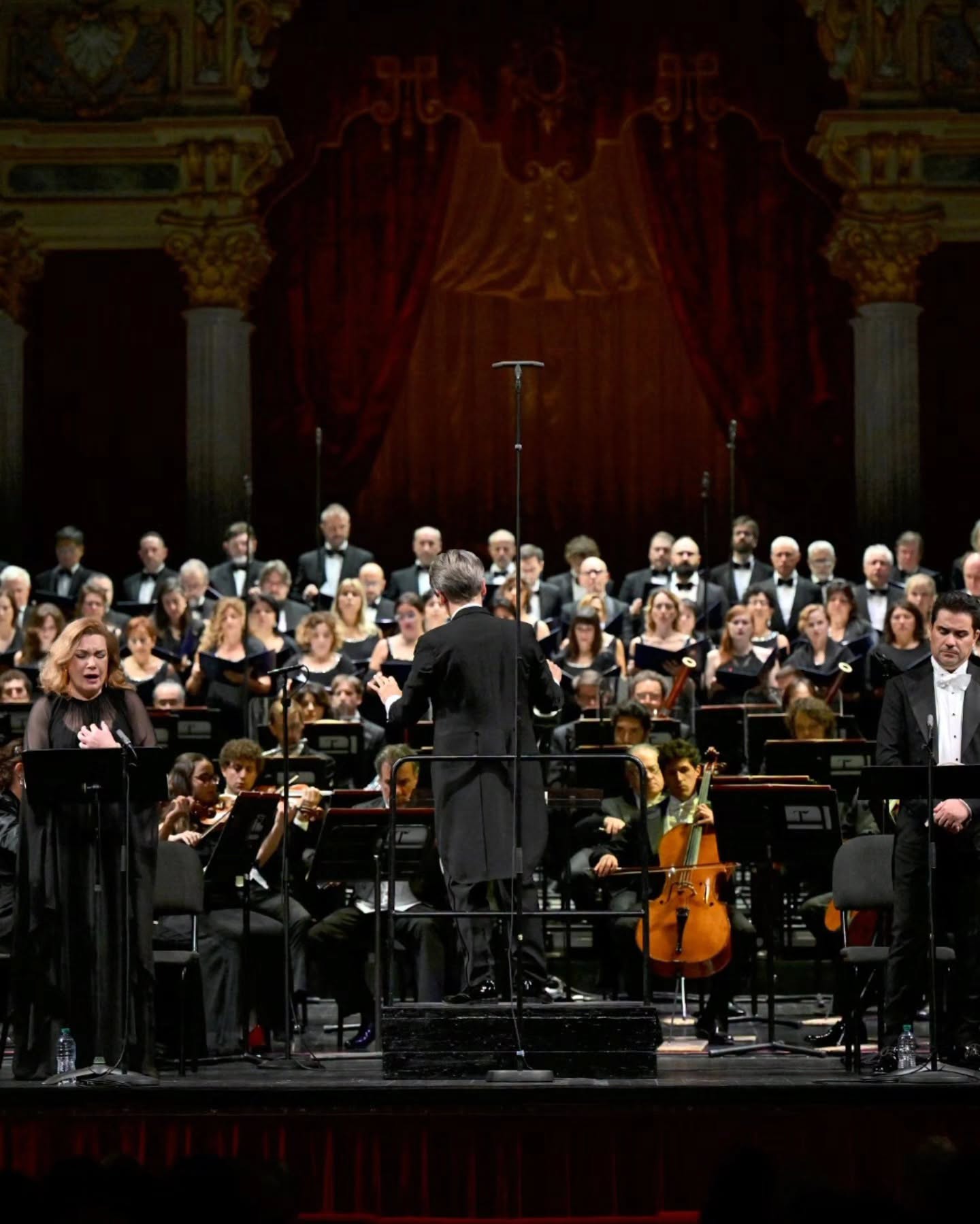
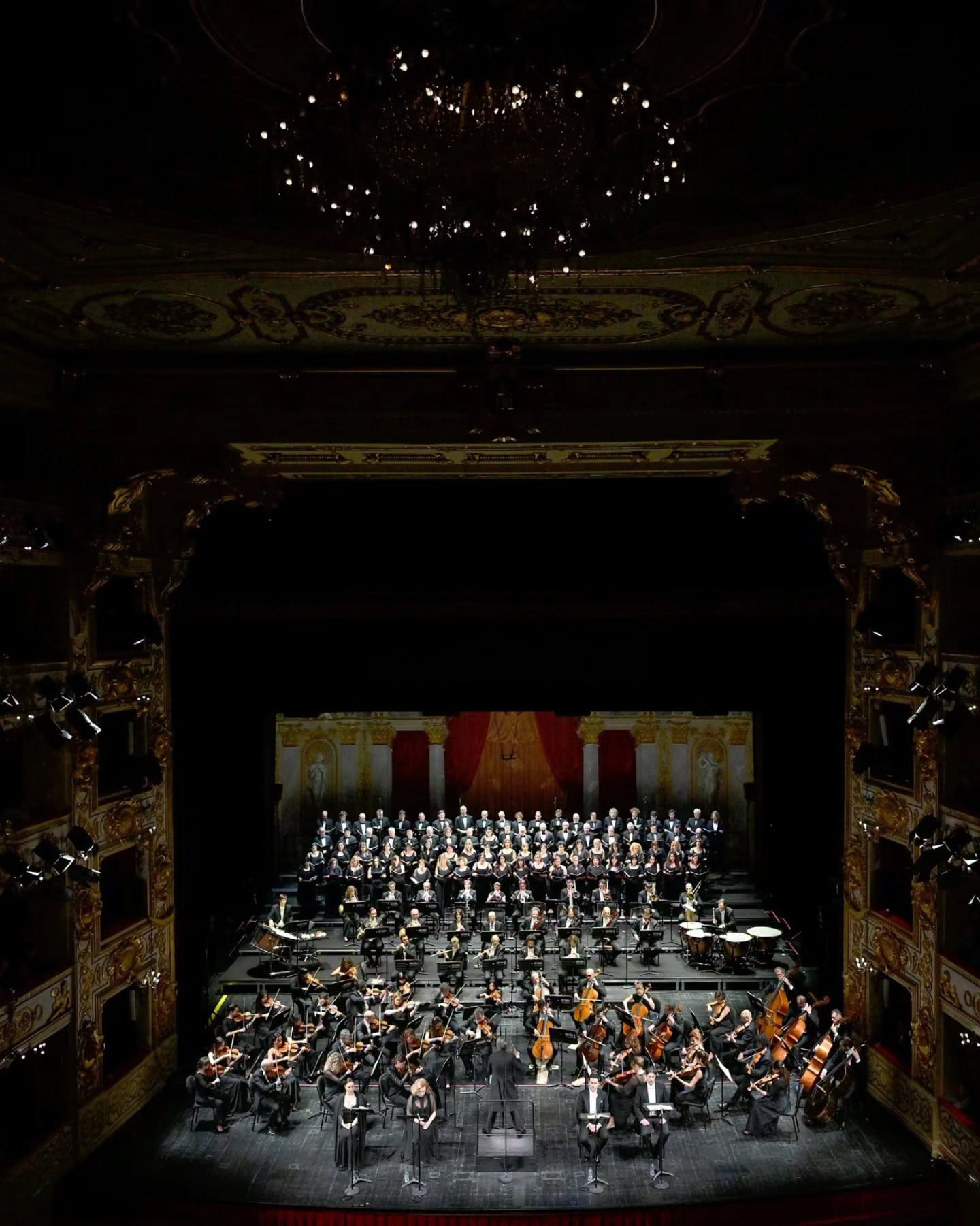
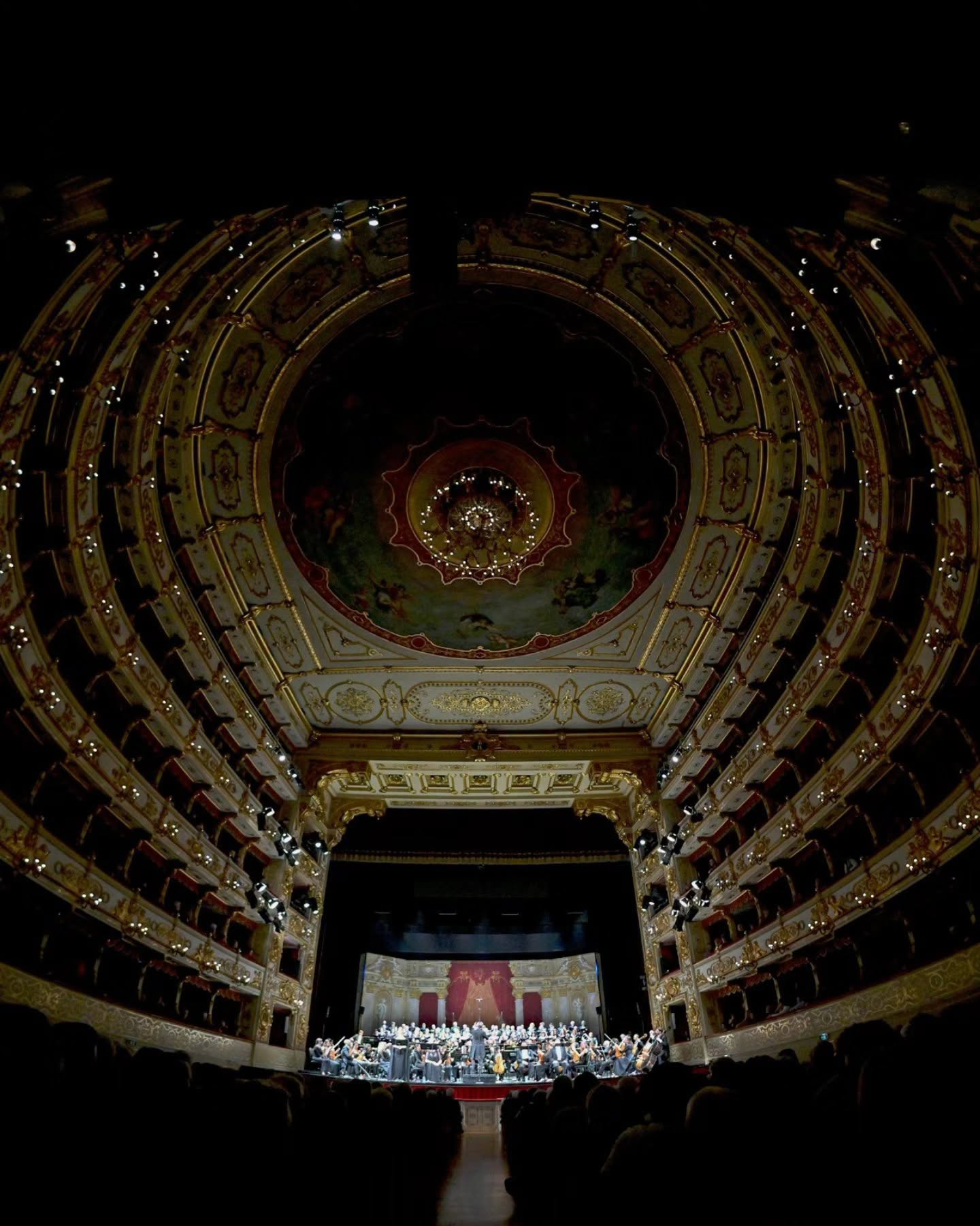
The Parma Teatro Regio is a handsome venue, but the acoustic is a bit on the dry side. It was interesting, then, to hear Rustioni take the opening ‘Requiem’ very slowly, starting from an almost imperceptible thread of sound, although accompanied by the bronchial obbligato of some audience members. In the ‘te decet hymnus’ it became clear that Rustioni saw each section of the opening movement as an evolving step into the urgency of the ‘Kyrie’, yet what also became rapidly apparent was that this was a reading that felt episodic. Whereas Nicola Luisotti in Naples earlier this year conducted the work as a giant two-part fresco that didn’t let go, Rustioni’s reading felt more of a sequence of individual moments. He gave a weighty, more determined tempo for each outburst of the ‘dies irae’; but again, here, I felt that such an approach was more appropriate to a more resonant acoustic than this.
Where Rustioni’s reading was most convincing was in the way he built the layers of sound with inexorable force in the ‘rex tremendae’ and in the feather-light poetry in the strings at the start of the ‘lux aeterna’. I particularly appreciated how Rustioni brought out the inner dialogue in the strings during the opening of the ‘libera me’. They seemed to be as one with Buratto’s soprano as she sang of her fears, the string sections and voice interacting, bringing out the desperation of that shuddering fear. This was certainly a point in the evening where it felt that I hadn’t heard this familiar score in this way before.
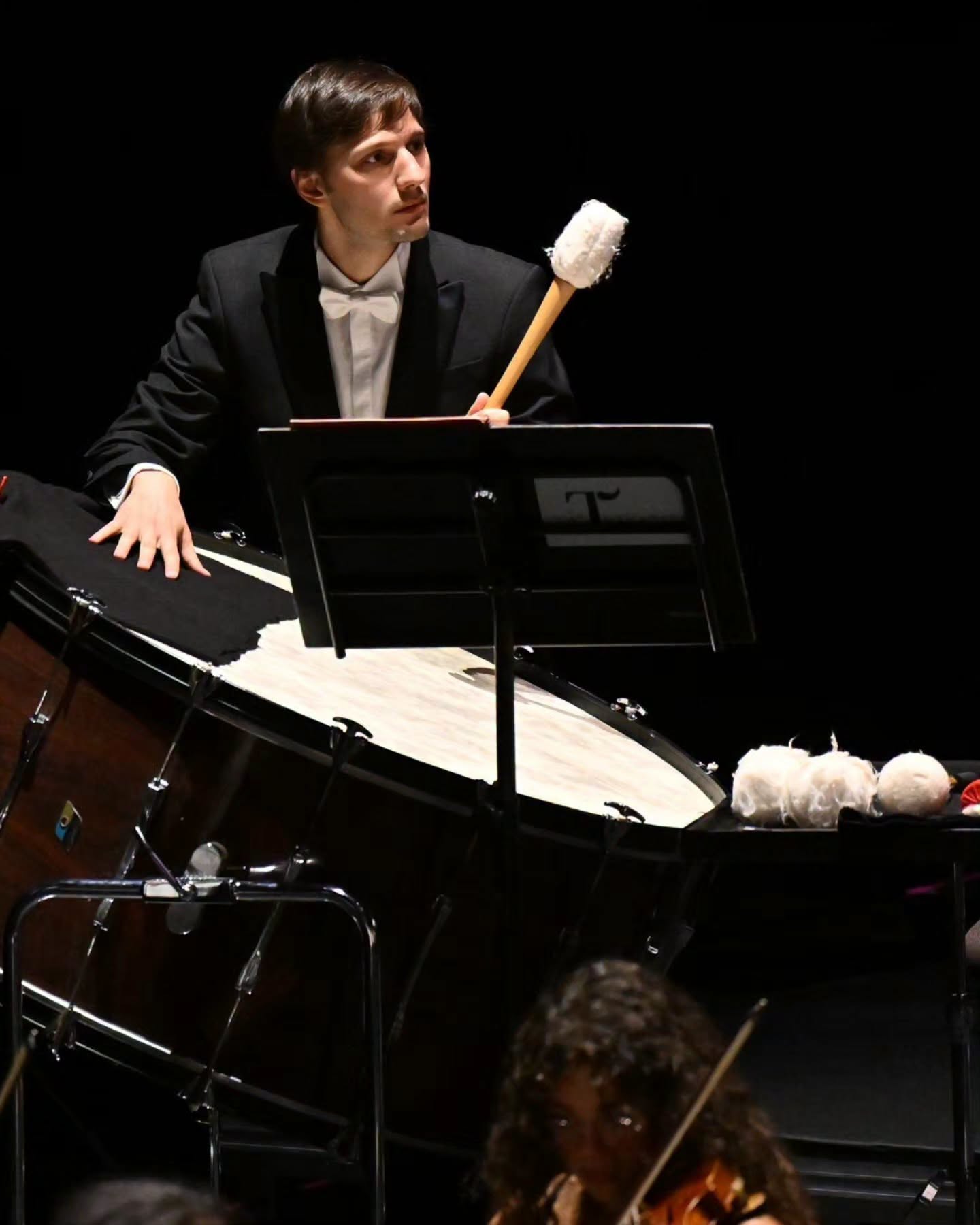
In a note in the program book, Rustioni mentioned the sheer sense of responsibility that comes with conducting this piece in Parma. The program also listed some of the singers who have sung this work here, which read like a ‘who’s who’ of the greatest Verdians of the last century – including Mirella Freni, Margaret Price, and Luciano Pavarotti. Rustioni secured a general unanimity of approach from his musicians. The string sound had a nutty mellowness to it that I found particularly beguiling. That said, the tuning of the cellos in the opening of the ‘offertorio’ was not completely unanimous. The wind playing was very fine, the mellifluous flutes circled around the solo voices with simple beauty in the ‘agnus dei’. The brass played with strength, although I do wish that Rustioni had asked the off-stage trumpets to play from within the auditorium rather than the stage-side boxes – that would have created an even greater sonic thrill.
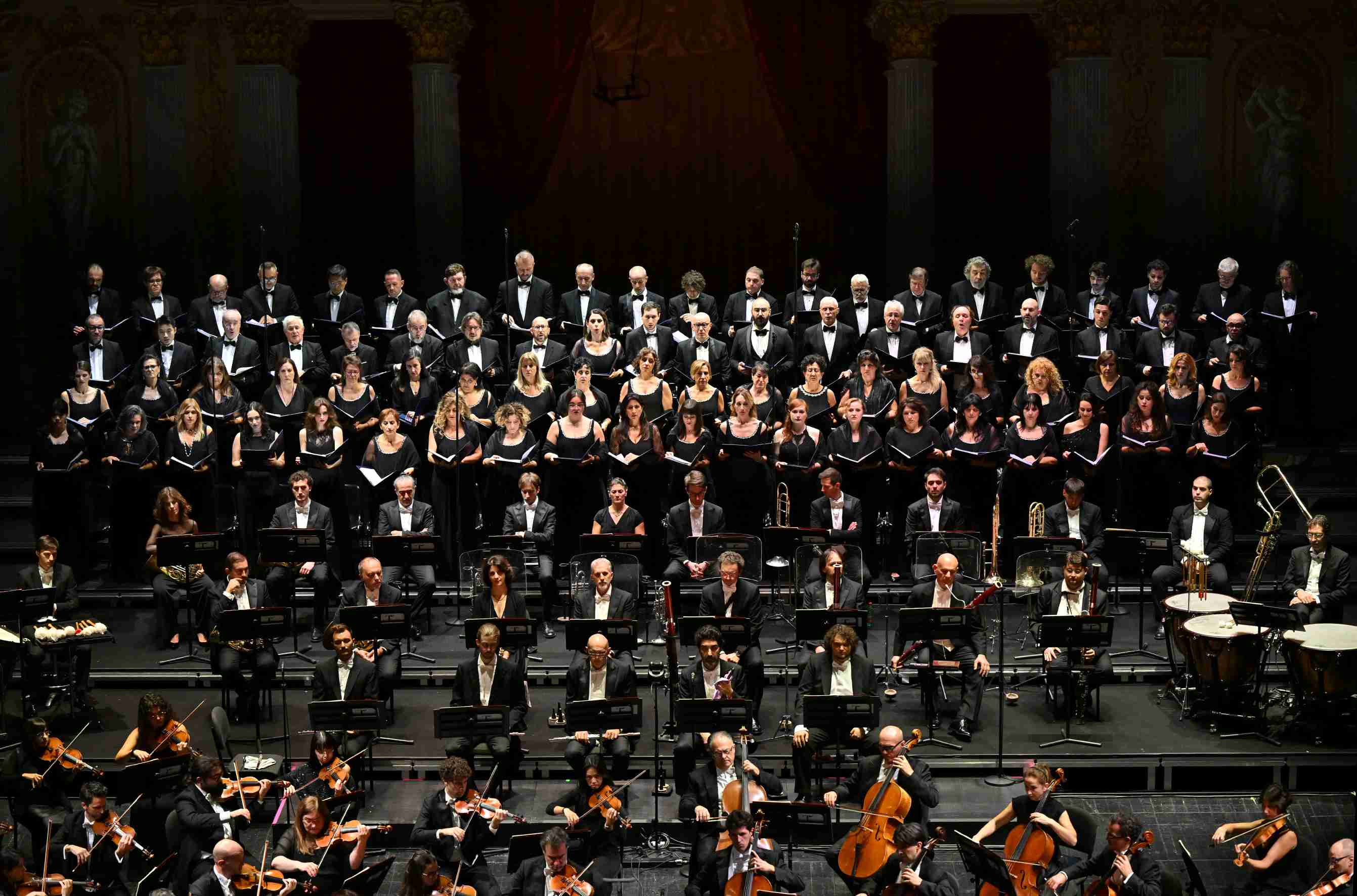
Faggiani’s chorus was valiant, with sopranos who displayed some charming interplay in the ‘sanctus’. I appreciated the piquant mezzos, while the tenors and basses sang with firm tone and good blend. There were a few ragged entries here and there, and the opening of the ‘sanctus’ did not sound completely united in approach – although the ensemble did tighten up quickly. Perhaps it needed just one more rehearsal, although these singers have had a very busy few weeks and they definitely gave a good account of themselves.
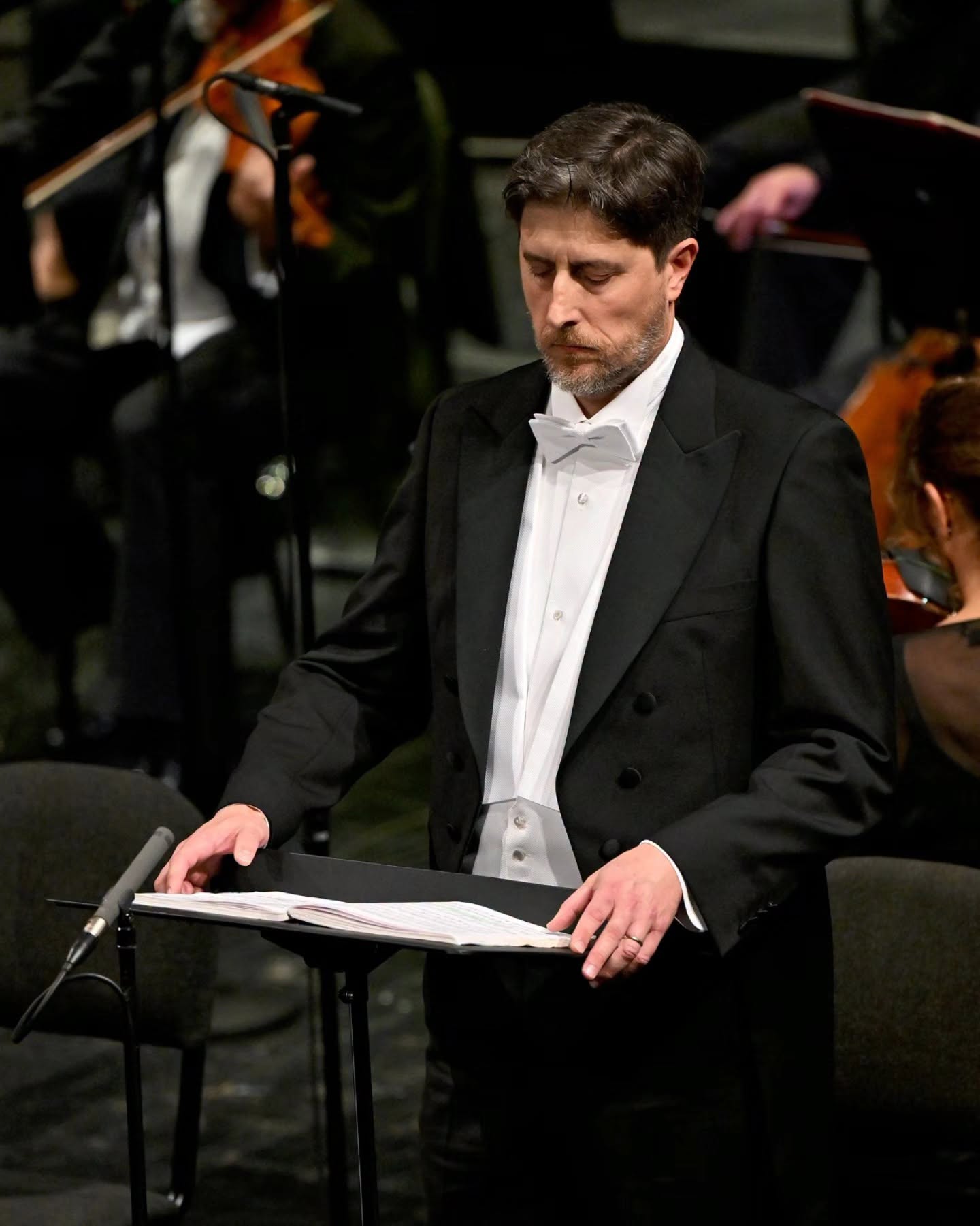
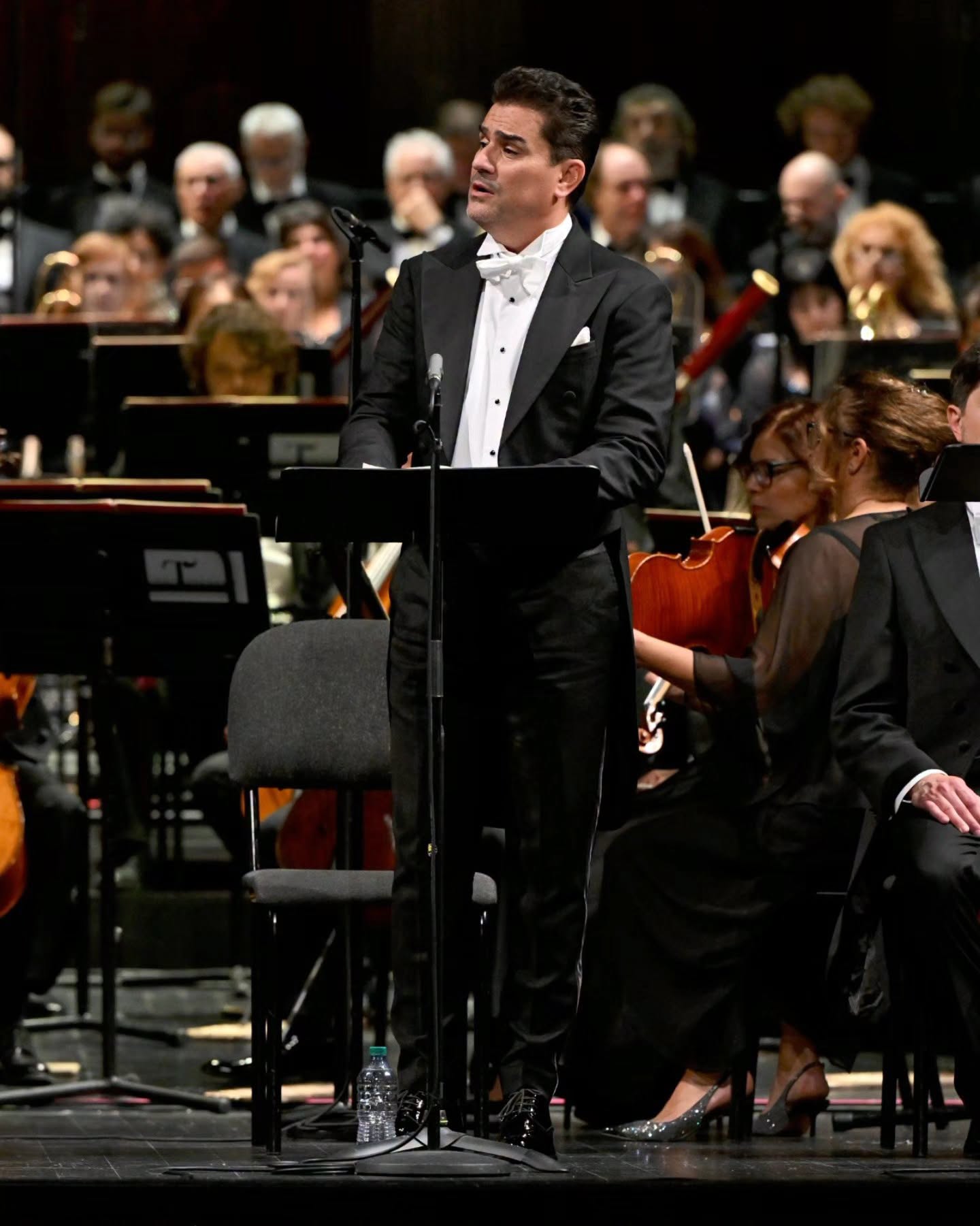
Pirgu brought his familiar extrovert tenor to his music. His opening imploration in the ‘kyrie’ was most definitely operatic in approach, but also felt absolutely right. He rang out on top in the ‘ingemisco’, while he also pulled back on the tone with delicacy where required there, while similarly doing so in the ‘hostias’. I did get a sense that the line wasn’t completely even as he approached the top, with a tendency to lunge for it, but his was a decent account of this music and gave pleasure. Roberto Tagliavini sang the bass part with a massive sound, absolutely firm and even, from ringing top to resonant bottom. He incarnated the high priest of his music, bringing a desperate energy to the ‘rex tremendae’, while his ‘confutatis’ was declaimed with a massive burst of sound into the room. Tagliavini was also capable of delicacy, singing the ‘hostias’ with honeyed tone and a creditable trill.
Semenchuk, singing the mezzo solo the night before performing Santuzza in Turin tomorrow afternoon, seemed to be utterly possessed by the music during the entire evening, even when not singing. Hers was an incredibly intelligent account of her music. This was not a battleaxe reading, rather she remained scrupulously true to Verdi’s dynamic markings throughout. Her ‘liber scriptus’ was less a sibylline prophecy and more the traumatized incanting of someone who had seen into the beyond. Her opening ‘christe’ was deliciously rich and chesty, yet she also floated the higher-lying lines of the ‘recordare’ with beauty. It was the ‘lux aeterna’ that I’ll take with me from her singing tonight, however. In the opening phrase, on a bed of those pillow-light strings, the voice took wing, bringing a new, bright colour, one that seemed to allow us to momentarily glimpse the beyond. I felt the same when I saw her sing Marfa at the Scala back in 2019. Semenchuk is a master of vocal colour, taking us on a journey, while always remaining meticulously musical.
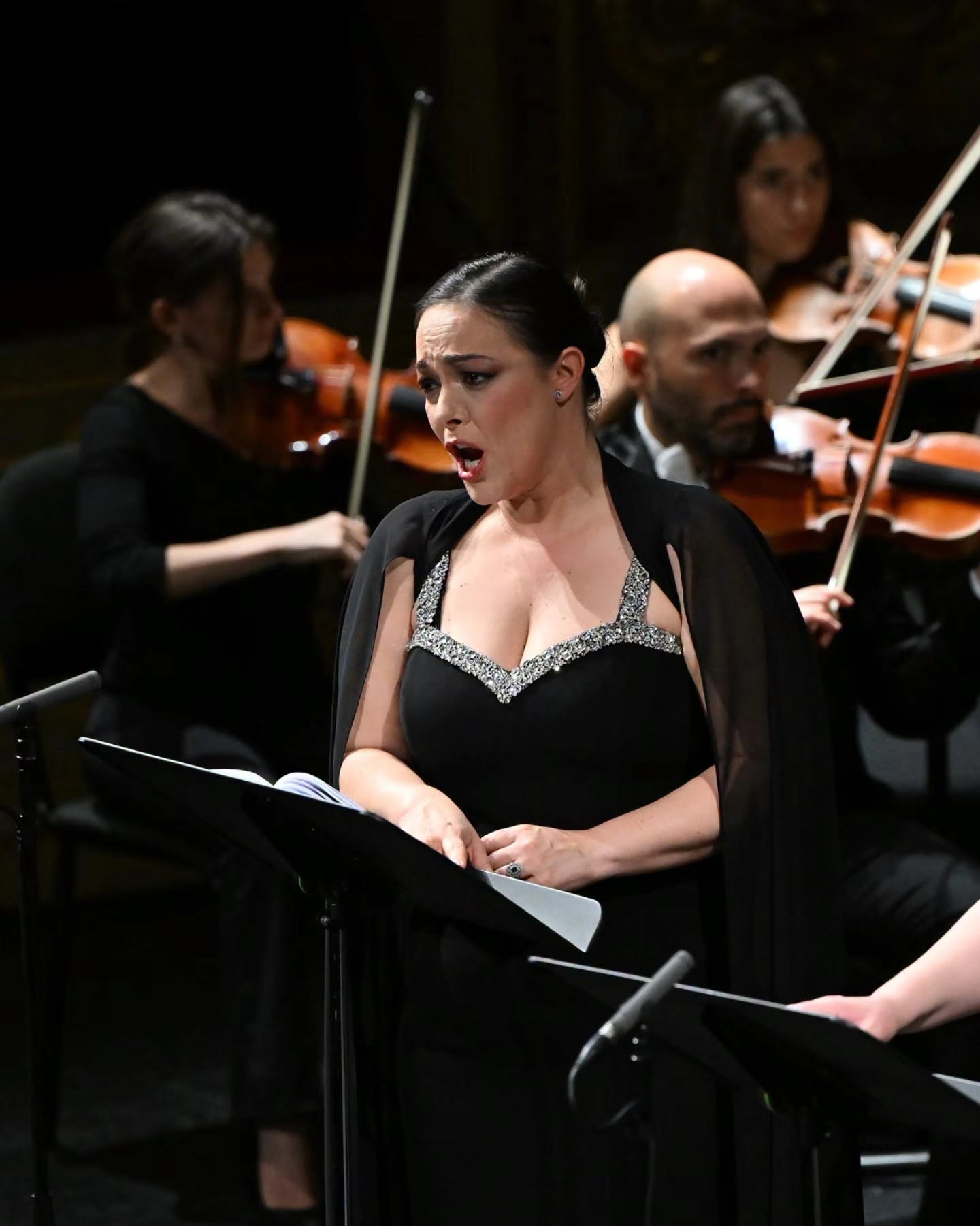
Then there was Buratto. She’s had quite a year with this piece, having toured it around Europe before the summer. Yet that familiarity never led to a sense of routine tonight. Throughout the evening, she soared over the surging textures with ease, her strawberries and cream middle full of pulchritude, while the pearly top rang out on high. She found a poetry to her music, her impeccable breath control allowing her to float seemingly endless phrases as she made her entry into the ‘offertorio’, her ‘sed’ taking wing on a breeze of silvery tone. It was in the ‘libera me’ that Buratto took the evening to an even higher plane. The urgency of the opening declamation, coming from nowhere while she was still rising from her seat, with the desperate cries of ‘tremens, factus’, seemingly fractured yet always sung on a single breath and with the utmost musicality, offered us a glimpse into the abyss. Buratto also offered us comfort in the unaccompanied section, capping it with an exquisite high B-flat, only to be followed by a thrilling high C as the subsequent fugue hit its climax. Buratto and Semenchuk blended beautifully together in the ‘agnus dei’, the varied vocal colours combining into a delicate palette of sound.
It was a pleasure to hear Verdi’s Requiem on his home turf in a performance that gave significant satisfaction. Rustioni’s reading was undoubtedly thoughtful and brought out considerable detail, although it did feel some of his tempi would have suited a more resonant acoustic and there was a sense that it was rather episodic. The orchestral playing and choral singing were respectable and sincerely felt. The solo singing really did live up to the tradition of the house, where so many of the great Verdians have sung these notes, with Buratto and Semenchuk, in particular, making it a night to remember. Despite the interruptions from coughs and cellphones during the evening, Rustioni managed to keep the audience silent following the final measures. When the applause came, it was warm and generous.

