Mozart – Le nozze di Figaro.
Il Conte – Vito Priante
La Contessa – Federica Guida
Figaro – Alessio Arduini
Susanna – Benedetta Torre
Cherubino – Cecilia Molinari
Marcellina – Monica Bacelli
Don Basilio – Marcello Nardis
Don Curzio – Blagoj Nacoski
Don Bartolo – Roberto Scandiuzzi
Antonio – Alejo Álvarez Castillo
Barbarina – Jessica Ricci
Coro del Teatro dell’Opera di Roma, Orchestra del Teatro dell’Opera di Roma / Emmanuel Tjeknavorian.
Stage director – Claus Guth.
Teatro dell’Opera, Rome, Italy. Sunday, September 20th, 2026.
For its September offering, the Teatro dell’Opera di Roma has chosen to mount Claus Guth’s staging of Le nozze di Figaro, imported from Toronto. As is customary here, the run has been double-cast, and one of the most exciting aspects of the cast that I saw this evening was that it was composed almost entirely of Italian singers. This made an incredible difference to the clarity of Da Ponte’s libretto, bringing it to life in a way that one experiences all too rarely.
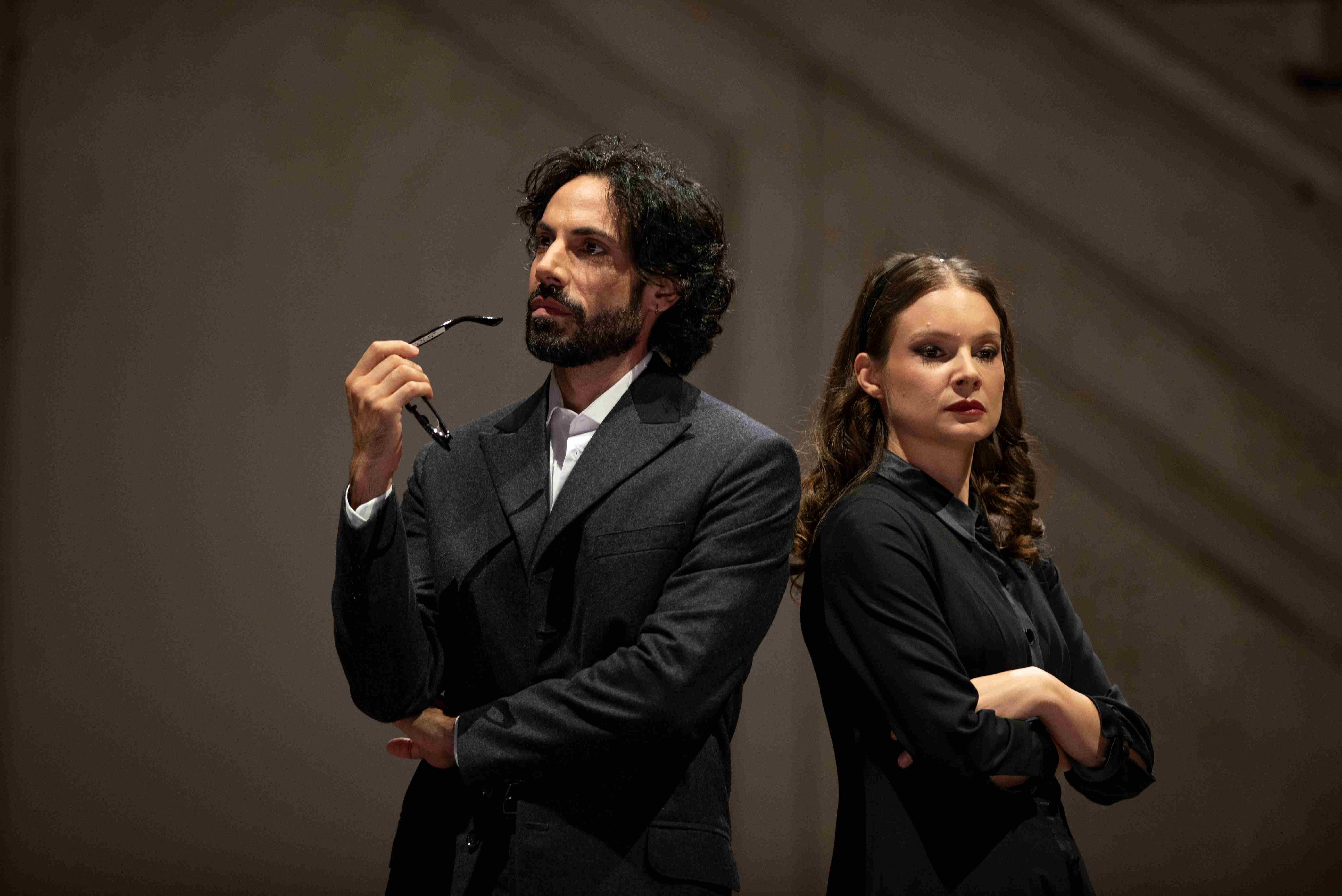
Guth’s staging sets the work in a palace of Aguas-Frescas that appears to be from an indeterminate point in the first half of the twentieth century. The costumes, by Christian Schmidt, who also designed the sets, seemed redolent of an English country house rather than an Andalucian one. Schmidt’s set places the action in a large space, dominated by a staircase, which, in the later acts, seems to add another level into the cellar; while in Act 2, the Contessa’s boudoir is a claustrophobic space, with a wall blocking the view of the staircase and the action taking place within the first third of the stage. It struck me that, in placing the action within a single space, Guth was attempting to remind us that this is a work that takes place within the span of a single day. In order to set the scene for the garden, rather than change the set, Guth uses light and video projections, by Olaf Winter and Andi A Müller respectively, to set the verdant scene within the more clinical space. While the setting of the palace was rather impressive, it was clear there was no budget in the palace for actual furniture, so the chair behind which Cherubino hid in Act 1 was metaphorical rather than physical.
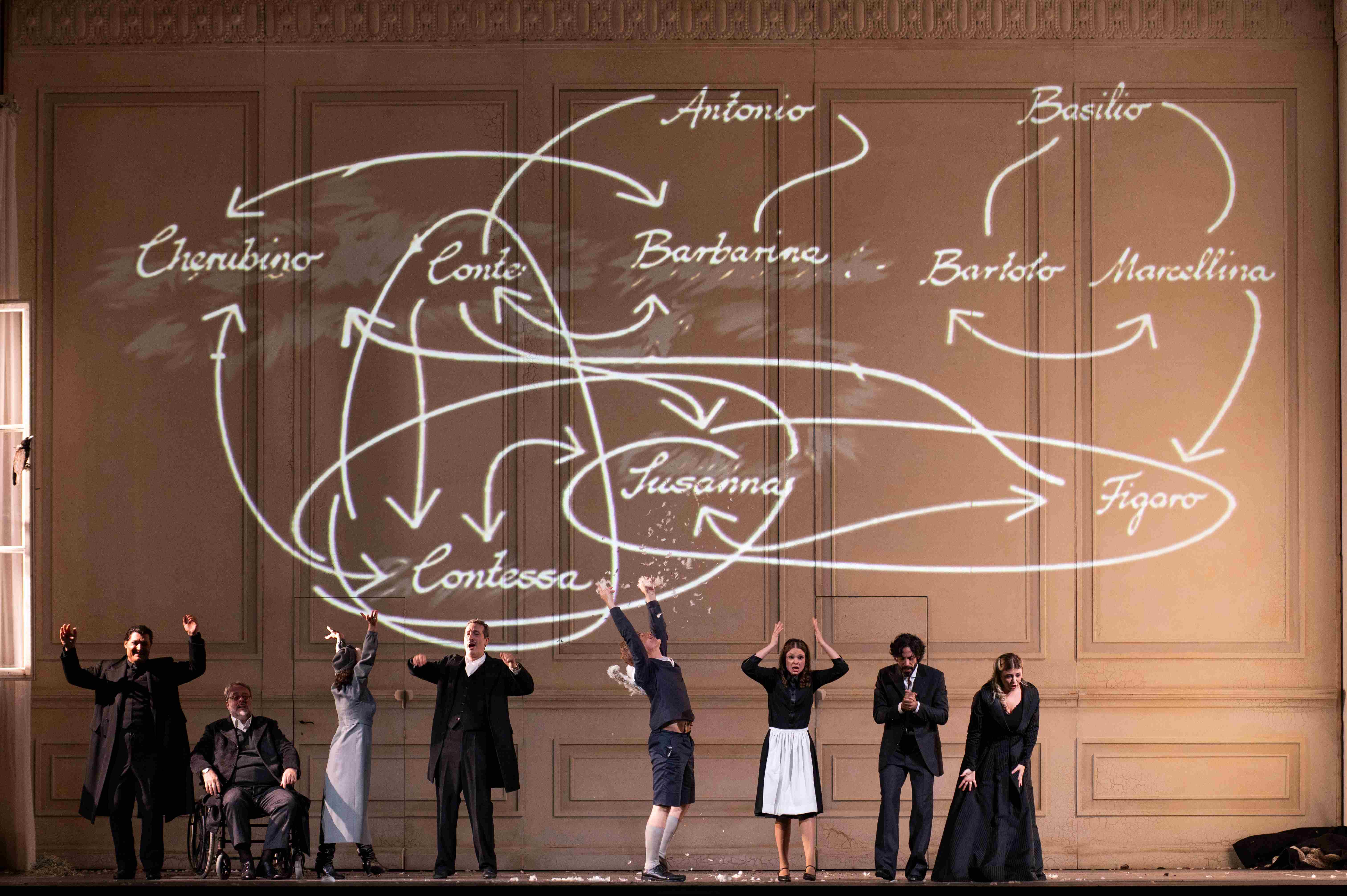
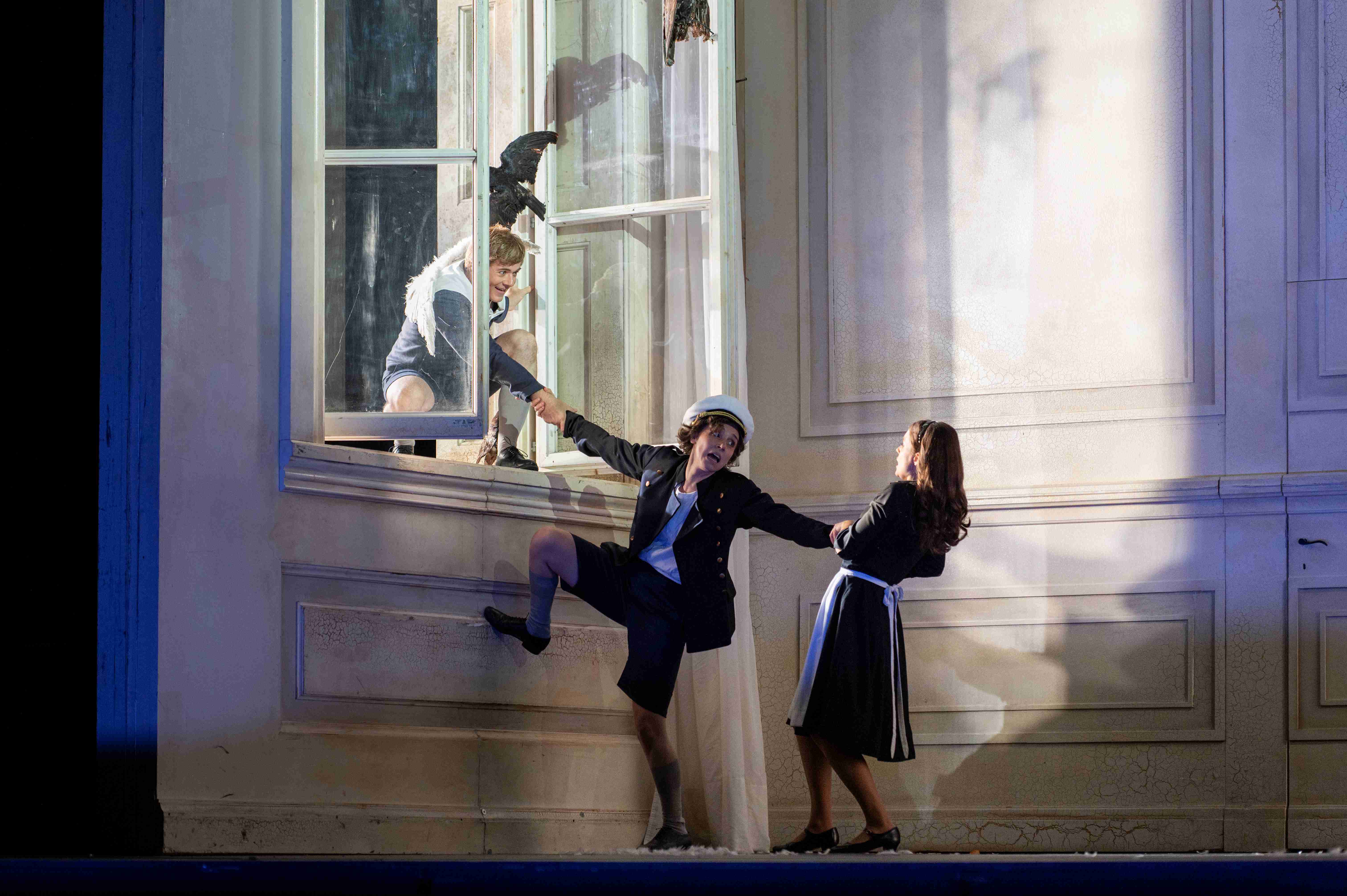
Within the conventional narrative of Le nozze di Figaro, Guth introduces another figure named Cherubim, incarnated in the personage of actor Uli Kirsch, a winged figure who wore the same costume as Cherubino. Kirsch would appear randomly during the evening and seemed to be a kind of puppet master, able to manipulate the movements of the characters during their arias, or occasionally also during the ensembles. There seemed to be no logical order to his appearances; he would simply pop up from time to time, and frankly it was mystifying why he was there at all. In the final measures, the actual Cherubino on stage seemed to expire, which made me think that perhaps the whole evening was Cherubino’s dream, or that the cast was in purgatory and the angel Cherubim manipulated them. This felt like a logical explanation given that the Conte and Figaro physically manhandled Cherubino during ‘Non più andrai’, but Cherubino’s apparent demise in the closing measures of the evening diminished the spell of those magical few moments of the work.
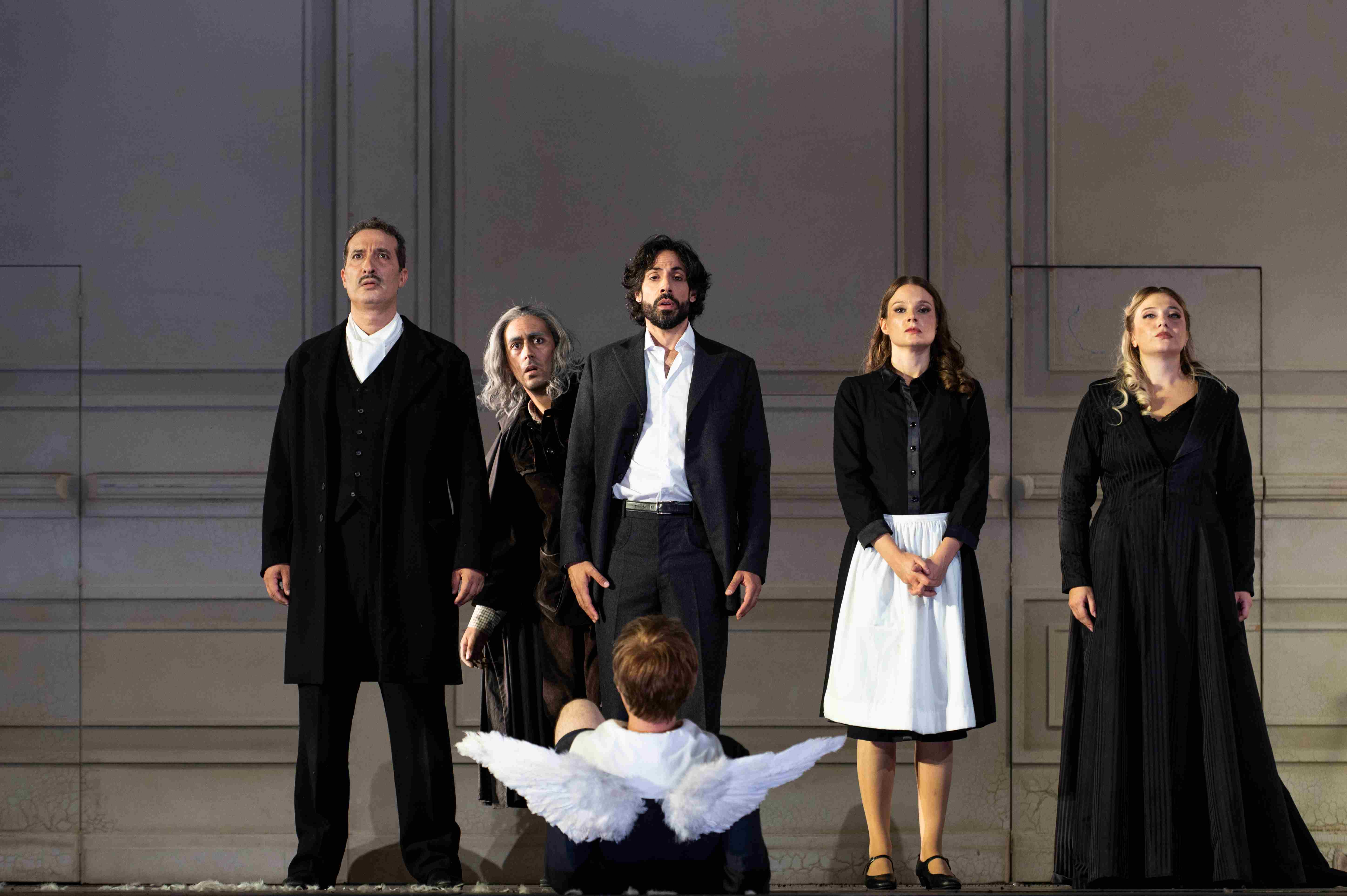
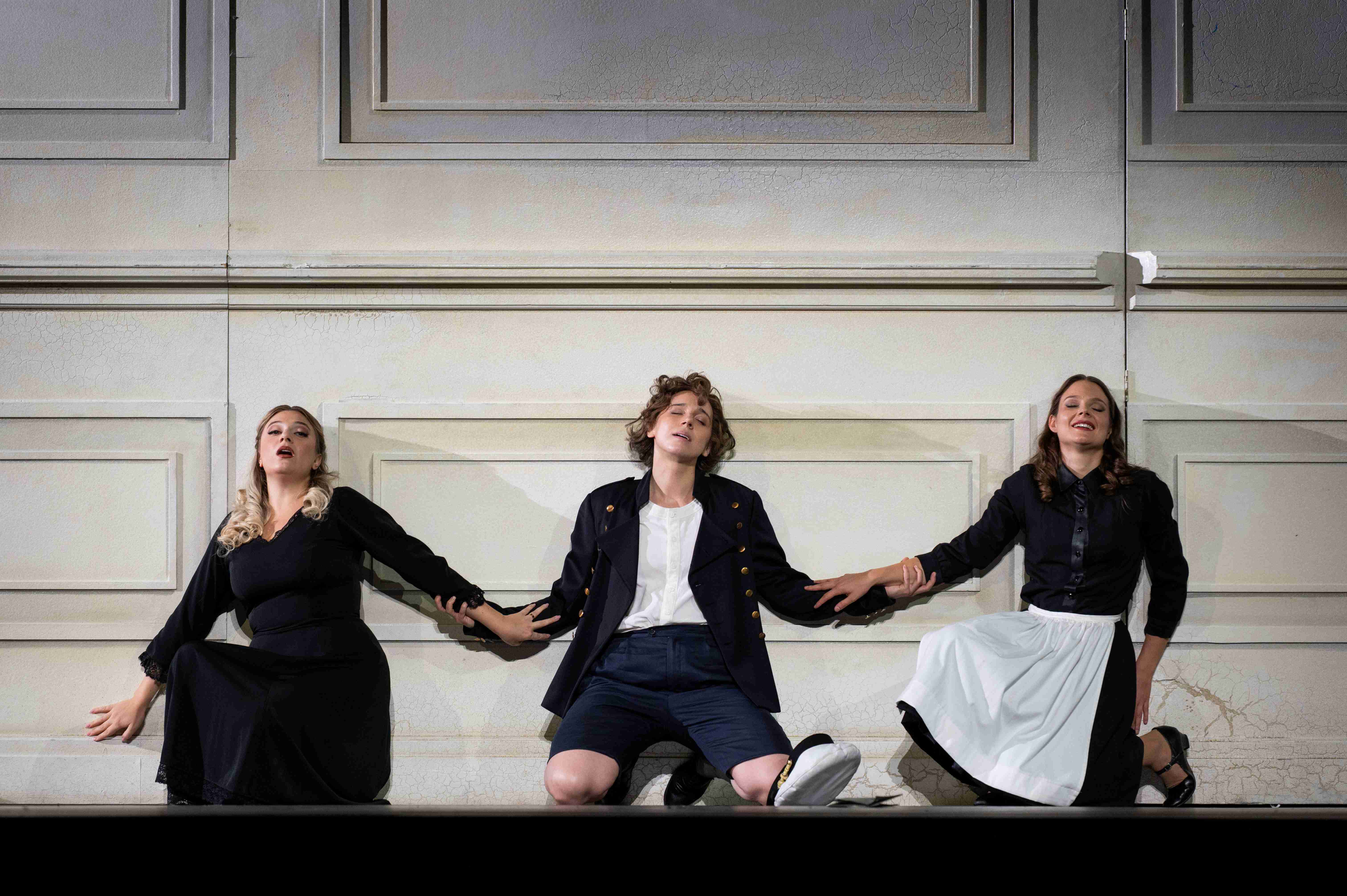
Indeed, much of what Guth did went against the grain of the score. In the finale of Act 2, Cherubim manipulated some video projections that showed the various possible couplings of the cast. The problem was that it completely drowned out the musical impact of that revolutionary finale, making it subsumed under a wall of visual noise. Guth was exceptionally demanding in what he asked from his cast, physically. Vito Priante’s Conte had to sing the runs of his aria lying on his side while being dragged across the stage by Cherubim. Both the Contessa and Susanna had to sustain and float long phrases while singing prone on the stage. That said, while I have significant reservations about Guth’s staging, it was rescued by an absolutely stellar cast. Every single word meant something. Even though this work is so intimately familiar, I don’t think I’ve ever laughed so much at the opening of Act 3 with the revelation of Marcellina’s mothering of Figaro. There was a wit to the text, the way the cast coloured the words and interacted with each other, that meant the entire evening fizzled along with the most natural and vibrant life. This is what I’ll take away with me from this evening.
I saw Emmanuel Tjeknavorian conduct Un ballo in maschera at the Maggio in May and my impressions of his conducting there were less than positive. Tonight’s Figaro felt like it was led by a completely different conductor. He kicked off the evening with a terrifically zippy account of that celebrated overture, strings with minimal vibrato, timpani with hard sticks, although at first the winds sounded slightly recessed from my seat. Tjeknavorian asked his string players to play with sharp attack and they responded with absolute and total unanimity of approach. This really was the best playing I’ve heard from this band. Tjeknavorian’s tempi were mercurial, generally swift, but he wasn’t afraid to pull back in the slower arias, giving them the space they needed to work their magic. He wasn’t afraid to speed up or slow down mid-number to illustrate the events on stage and, given how this run was double-cast, the sheer precision with which the cast responded was seriously impressive. There wasn’t a single slip in stage-pit coordination all night. Ornamentation, absolutely essential in this music, was liberally applied by most of the cast, bringing the music to life most scintillatingly, while the recitatives were phrased in an utterly conversational way, reflecting the text fully. Circo Visco’s chorus brought their usual enthusiasm to their brief moments.
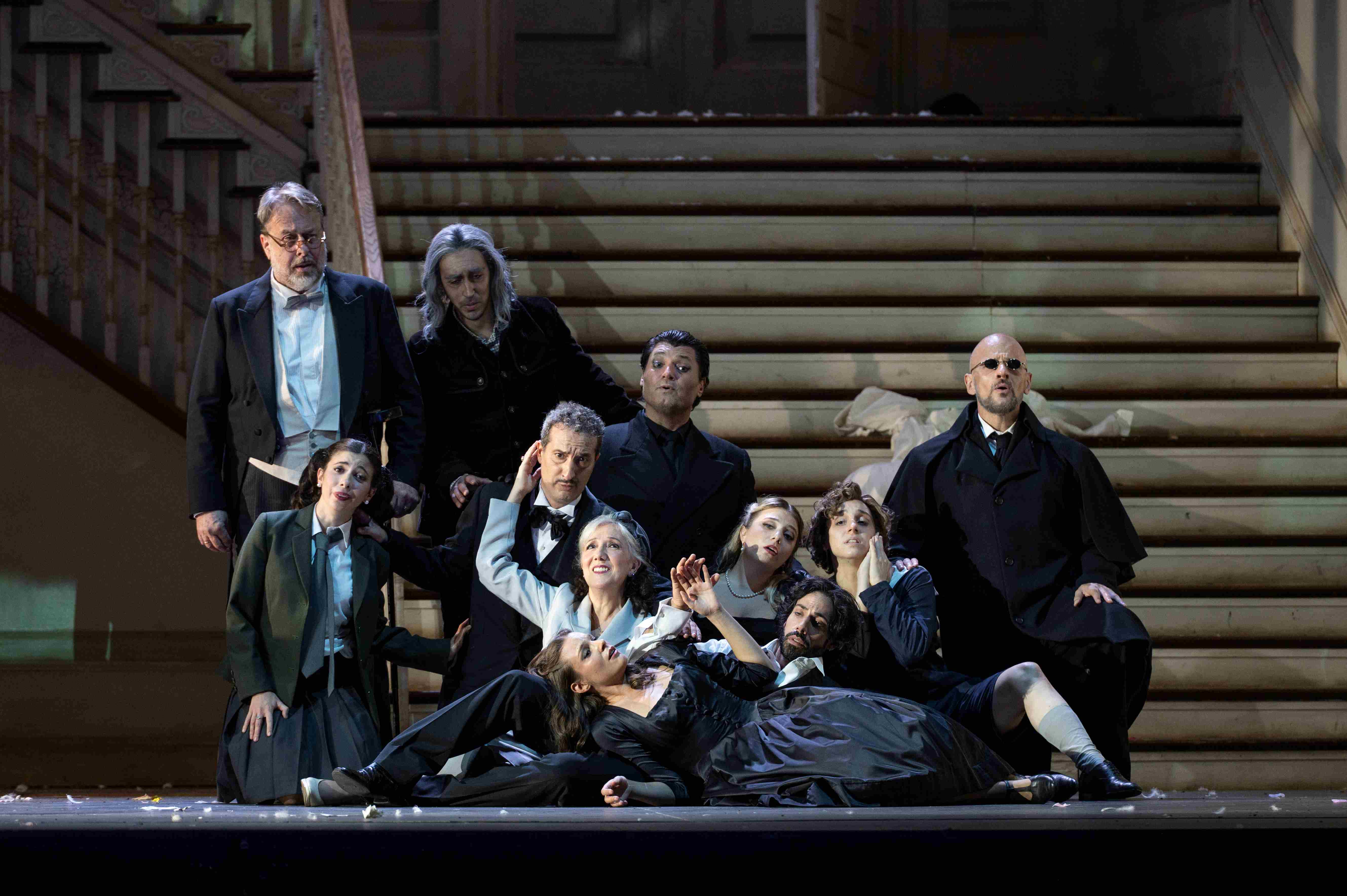
In the title role, Alessio Arduini was absolutely terrific. I did have a sense that vocally the voice is more suited to the Conte, with some of Figaro’s lower passages requiring the voice to be audibly more managed. However, his stage presence, charisma, and sheer magnetic dispatch of the text were all absolutely winning. The voice is handsome and firm and he brought an improvisatory flair to Figaro’s writing that made it sound so completely fresh and new, incorporating genuinely musical embellishments to the line. His assumption of the role combined both textual insight and physicality to render his Figaro so completely believable. Benedetta Torre was similarly an absolutely delectable Susanna. Her soprano has fabulous peaches-and-cream-tone and wonderful sheen to the sound. She’s also the owner of a marvellous technique, able to float long, limpid lines as she did in a delectable ‘deh vieni’. The sunniness of her tone, her delightful stage presence, colouring of the text and sheer musicality, all were at the service of the character and the music.
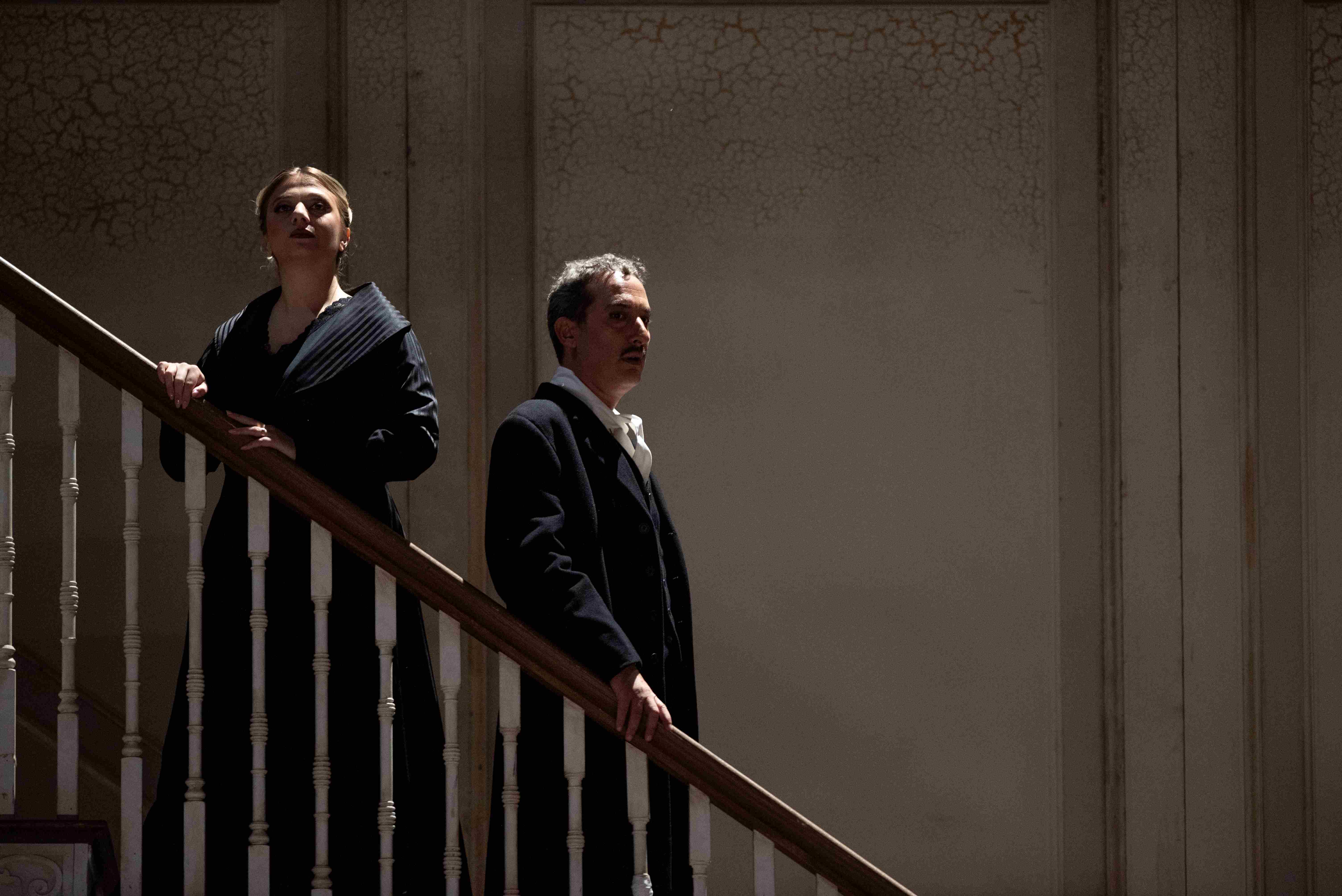
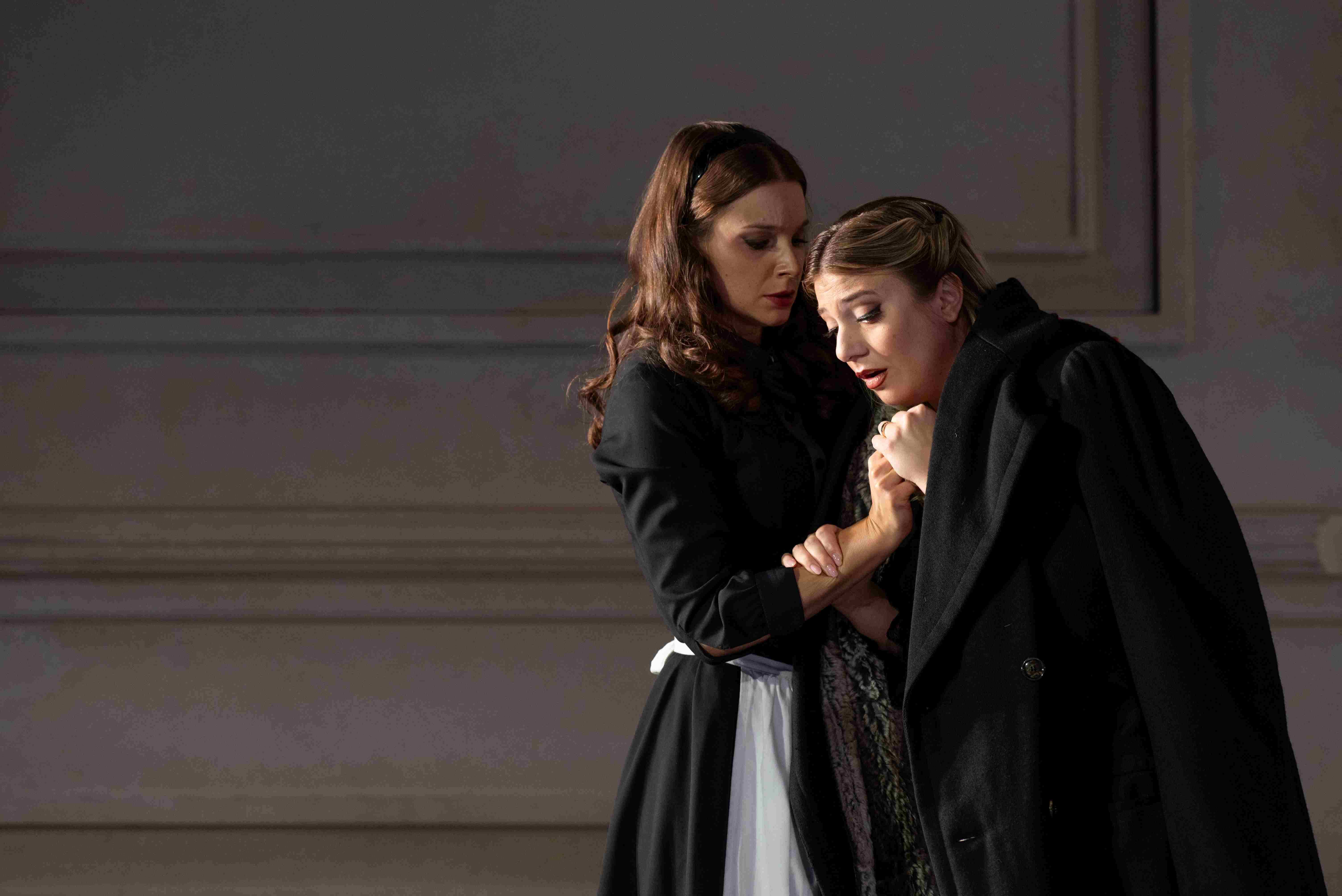
Federica Guida sang the Contessa in a dusky soprano accentuated with the fizz of an easy vibrato. It did sound that she wanted her ‘Porgi amor’ taken just a notch faster, just pulling slightly ahead, but she sustained the slow tempo masterfully. Her ‘Dove sono’ was floated on air, the long lines dispatched on an impeccably smooth legato, the words filled with feeling – which made it such a shame that she chose not to ornament it, simply because it was so beautifully sung one wanted her to give it even more feeling by making the lines live more. Priante’s Conte was sung with his customary textual clarity in his compact baritone. He dispatched the runs of his aria with staggering ease, particularly given what he had to simultaneously do on stage. There was a touch of graininess to the tone in his rages in Act 2, but there was no particular sense he was pushing the voice further than it could naturally go.
Cecilia Molinari brought her sunny mezzo to the role of Cherubino. She sang both her arias with impeccable breath control, spinning seemingly endless lines in her ‘voi che sapete’, her embellishments of the line making it sound for a moment that she was the only person who could sing this music. Monica Bacelli reprised her, by now familiar, Marcellina. Sadly, she was denied her aria, but her stage presence is undimmed and her piquant mezzo always recognizable. Roberto Scandiuzzi, now in his 69th year, sang Bartolo’s aria with confidence, although the passage of time is apparent in the greyness of the tone. Still, his verbal acuity was most welcome in the recitatives and ensembles and he had sparkling chemistry with Bacelli. The remainder of the cast was of a very high standard. Marcello Nardis sang Basilio in a bright, forwardly-placed tenor. Blagoj Nacoski’s Don Curzio was confidently taken as was Alejo Álvarez Castillo’s Antonio, who also threw himself vividly into the comedy. Jessica Ricci sang Barbarina’s aria with crystalline tone and a limpid line.
This was an absolutely glorious evening in the theatre. Yes, Guth’s staging had issues, but thankfully the cast overcame them to make this one of the very best-sung Figaros I’ve had the privilege of hearing. Tjeknavorian’s conducting not only drew outstanding playing from the orchestra, his tempi were as alive as the spirit of Mozart’s score. The audience responded at the close tonight with warm and genuine ovations for the entire cast.

