Saint-Saëns – Samson et Dalila
Dalila – Ekaterina Semenchuk
Samson – Gregory Kunde
Le Grand-Prêtre de Dagon – Alexey Zelenkov
Abimélech – Luca Park
Un vieillard hébreu – Ramaz Chikviladze
Un messager philistin – Pasquale Conticelli
Premier philistin – Gianluca Monti
Deuxième philistin – Tommaso Norelli
Coro del Teatro Comunale di Bologna, Orchestra del Teatro Comunale di Bologna / Roberto Abbado.
Concert performance.
Teatro Comunale di Bologna – Auditorium Manzoni, Bologna, Italy. Friday, November 13th, 2026.
This fall, the Teatro Comunale di Bologna is only presenting two titles, in two performances, both in concert. Following Semele last month, tonight saw the first of the pair of performances of Samson et Dalila at the handsome Auditorium Manzoni. For a house with such a great tradition to be offering such a meagre operatic proposal is indeed tragic, but the good news is that the theatre will be returning to its historic home on Piazza Verdi in the new calendar year. This will be very welcome, given that the past few years have involved trekking out to the Comunale Nouveau a forty-minute walk from downtown, and poorly connected by public transit.
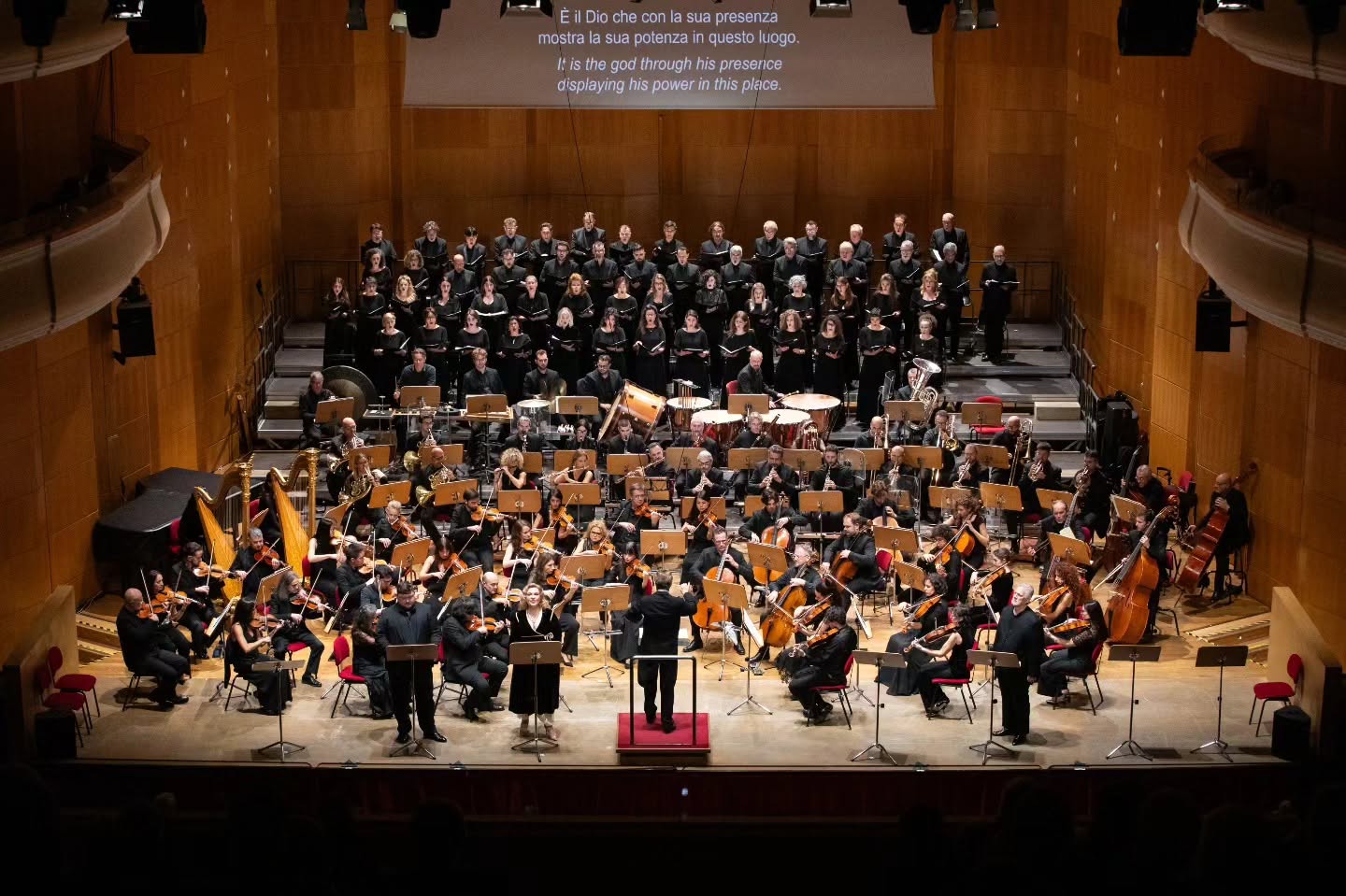
This Samson et Dalila was presented in strictly concert format, with singers singing from music stands at the front and the chorus behind. We were offered Italian and English surtitles, but unlike with the Ring they presented here, the original text was not provided – a bit of a missed opportunity given that there was indeed space on the screen and it would have been very much appreciated, at least by this French/English bilingual. While there was some effort to manage the principals’ exits and entrances to illustrate the action, it was very much a static concert performance.
The performance was led by Roberto Abbado, conducting the customarily excellent Comunale orchestra and chorus. As the first of the two performances, I must report that the first quarter-hour or so was very tentative in approach. It sounded disjointed and lacking in coordination. Fortunately, things settled quickly, and as the evening evolved, they played with increasing confidence and orchestral colour. Indeed, the celebrated bacchanale featured some seriously seductive wind playing wrapped in hazy strings. Elsewhere, the Act 1 dance also had a delightful lilt, while the orchestral playing was generally solid once they had hit their groove. Perhaps as a result, I felt that Abbado’s reading was rather contained and safe, never taking the orchestra through its paces, pushing them harder. Instead, his reading felt like a congenial amble through the score, giving his singers space, certainly, but also holding the reins extremely tightly when one wished for him to let his orchestra loose.
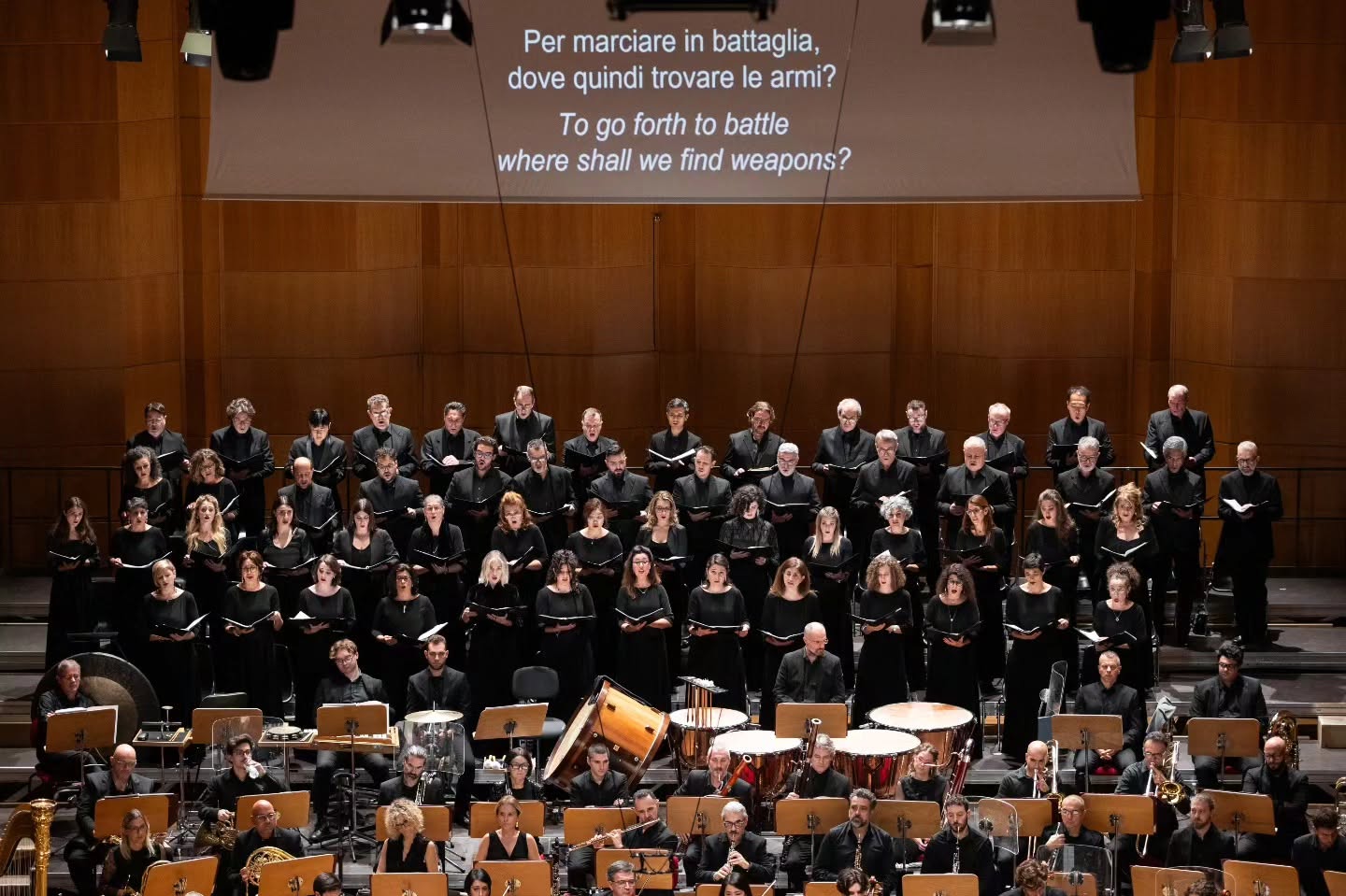
The chorus, now under the direction of Claudio Marino Moretti, continued to demonstrate the excellent standards one expects of this, the finest opera chorus in Italy. From their very first entry, giving us a wall of sound, the tone both rich and evenly balanced – no war of vibratos here – just a present and all-encompassing sound that embraced the listener and filled the room in a thrilling glow. The sopranos and mezzos sang their ode to spring with luminous, mellifluous tone, while the basses sang the Act 1 prayer with rich depth. The tenors consistently shone through the texture with focused tone. The tricky unaccompanied writing in Act 3 was dispatched with precision and admirable depth of tone. Moretti is clearly continuing the phenomenal work of his predecessor, Gea Garatti Ansini, who moved to Turin. If there was one issue, it wasn’t musical, but getting the chorus to rise and sit hadn’t quite been fully coordinated, so their standing up resembled more of a Mexican wave than a disciplined approach.
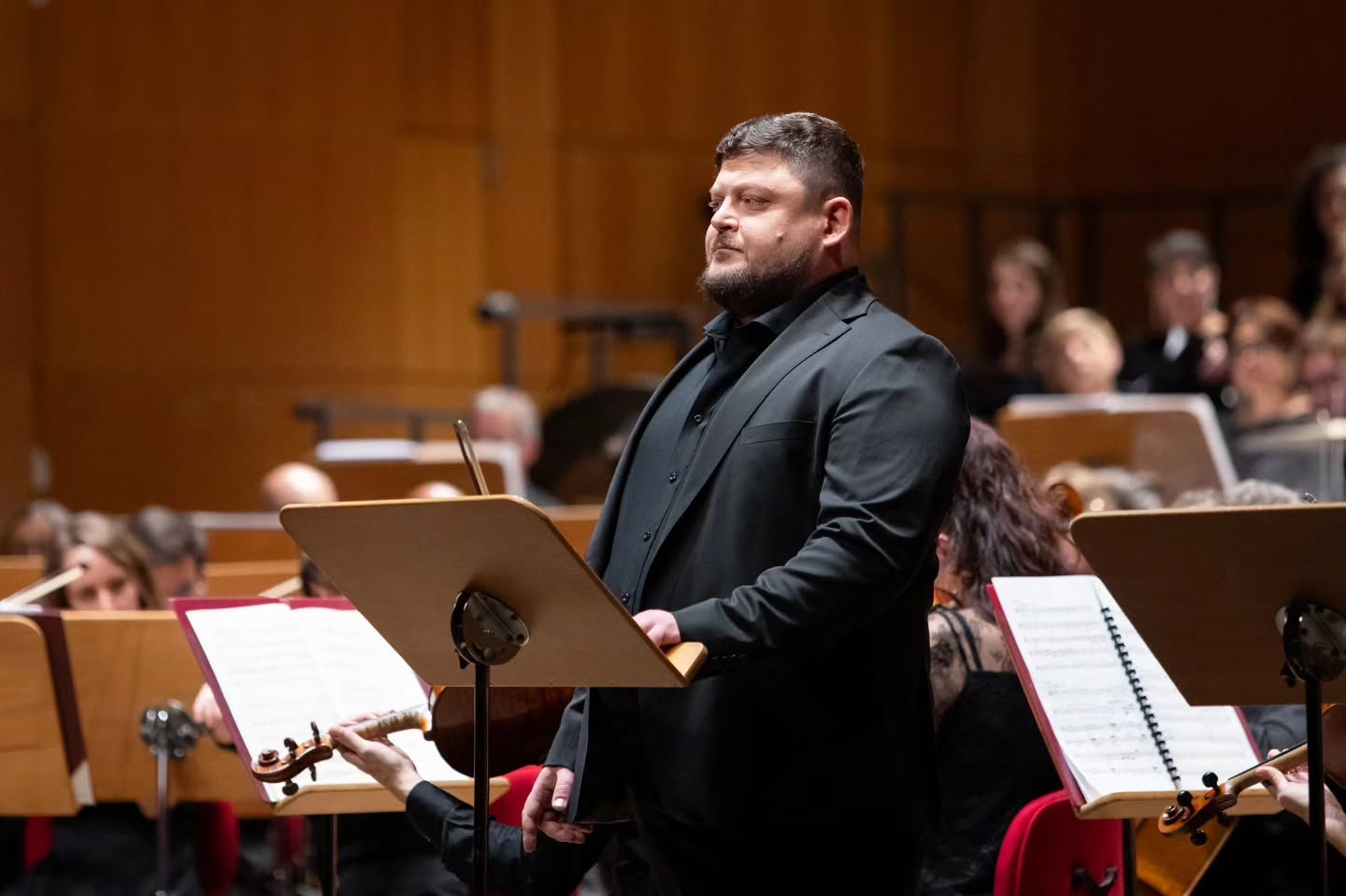
The quality of the voices in the chorus was also exemplified by the three members who took supporting solo roles. Gianluca Monti and Tommaso Norelli sang the Philistins with confidence, while Pasquale Conticelli sang the Messager with authority, a well-placed lyric tenor with textual awareness. Also in the supporting roles, Luca Park sang Abimélech in a resonant bass and with extrovert passion, but it was very difficult to discern any actual words. Ramaz Chikviladze sang the Vieillard hébreu in a compact bass, with easy facility at the bottom of the range. A major discovery for me was Alexey Zelenkov as the Grand-Prêtre de Dagon. An ensemble member at the Deutsche Oper am Rhein, the Uzbek baritone is a serious talent. Although his French is exotic in flavour, it was possible to perceive the text and understand the meaning. He was an electrifying presence on stage. Right from his first entry, he raised the temperature of the evening immediately, his huge baritone ringing out thrillingly. The voice is absolutely even from top to bottom, seemingly able to defy gravity at the very top, while the bottom seems capable of unlimited depth. The tone is absolutely firm, with impressive sheen and utterly healthy throughout. A singer I would be keen to hear again.
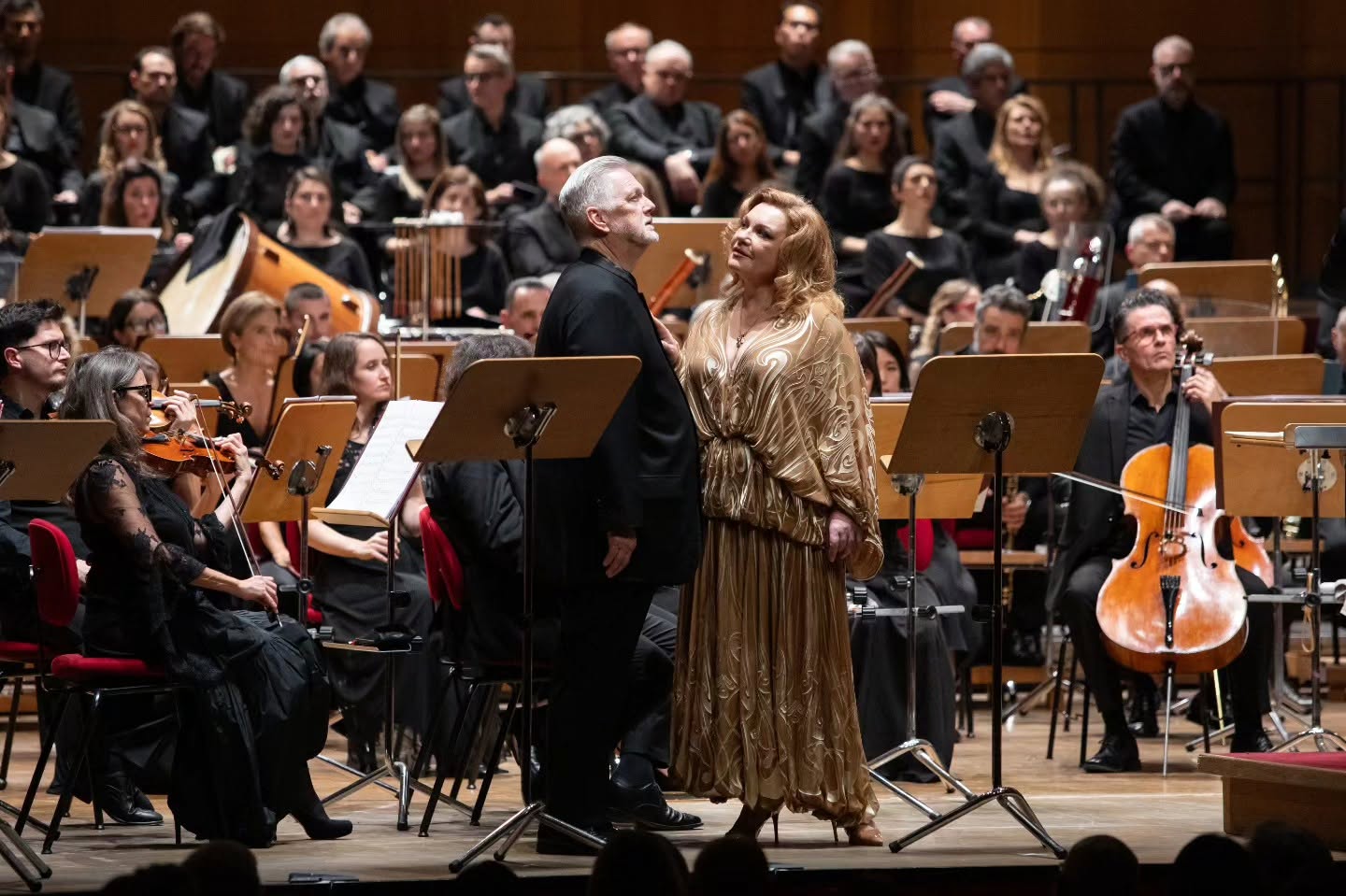
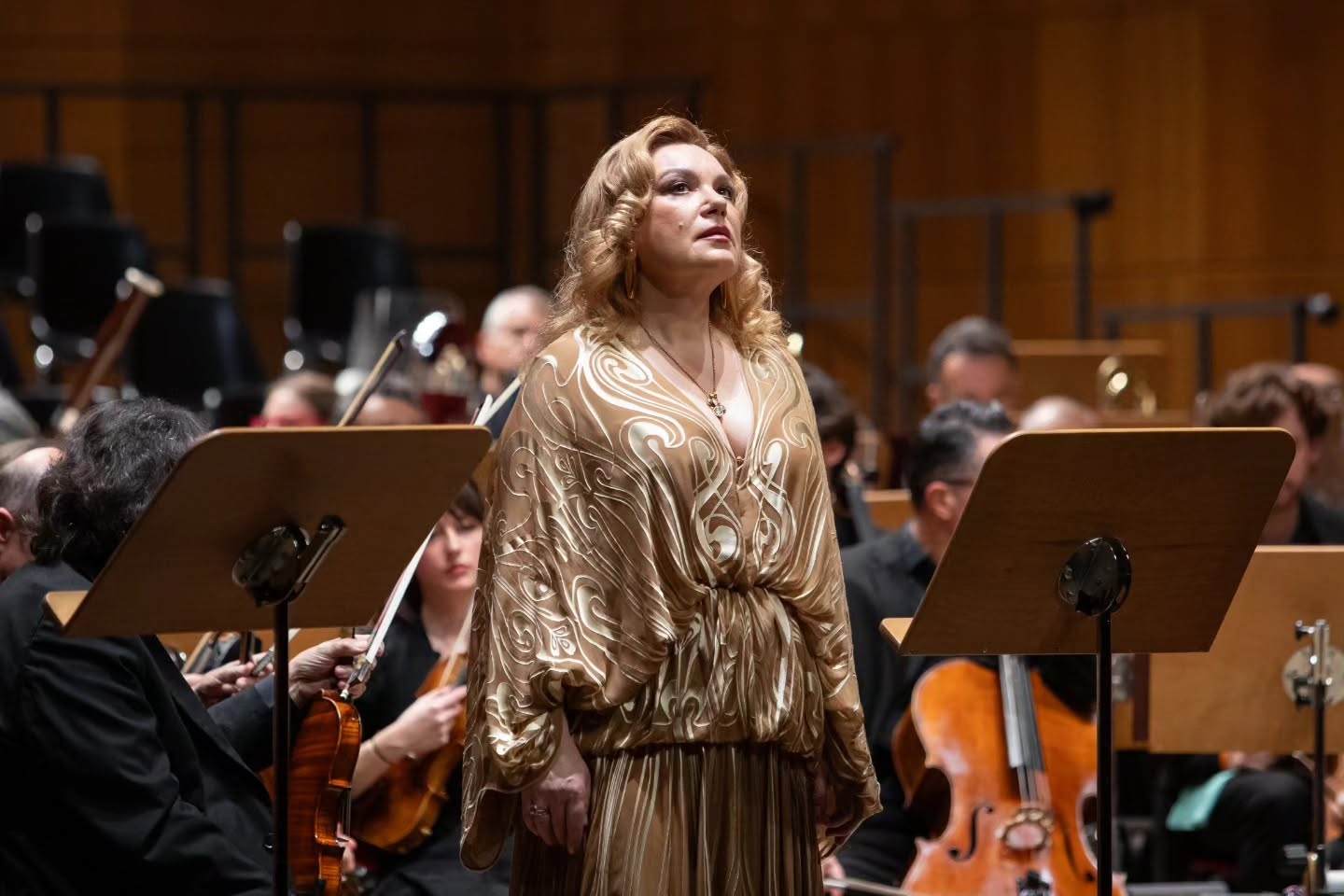
Having a busy fall season, following the Verdi Requiem in Parma and Santuzza in Turin last month, Ekaterina Semenchuk tonight took on Dalila. She sings in comprehensible French, which is very much appreciated, while her mezzo has a pleasant warmth of tone. She made a genuine attempt to pull out the organ pedal low notes in her Act 2 opening, ‘Amour, viens aider ma faiblesse’, but it sounded to my ears as though the lower register now needs very careful negotiation. Semenchuk made a real effort to pull back the tone, particularly in ‘Mon cœur s’ouvre à ta voix’, but I do wonder how audible she was to the public sitting further back – it was definitely borderline from my seat in the middle of the platea. As always, Semenchuk’s commitment is not in doubt and the warmth of her instrument was welcome. I do, however, wonder, given her wide-ranging current repertoire, which includes Turandot, whether this is the best fit for her now.
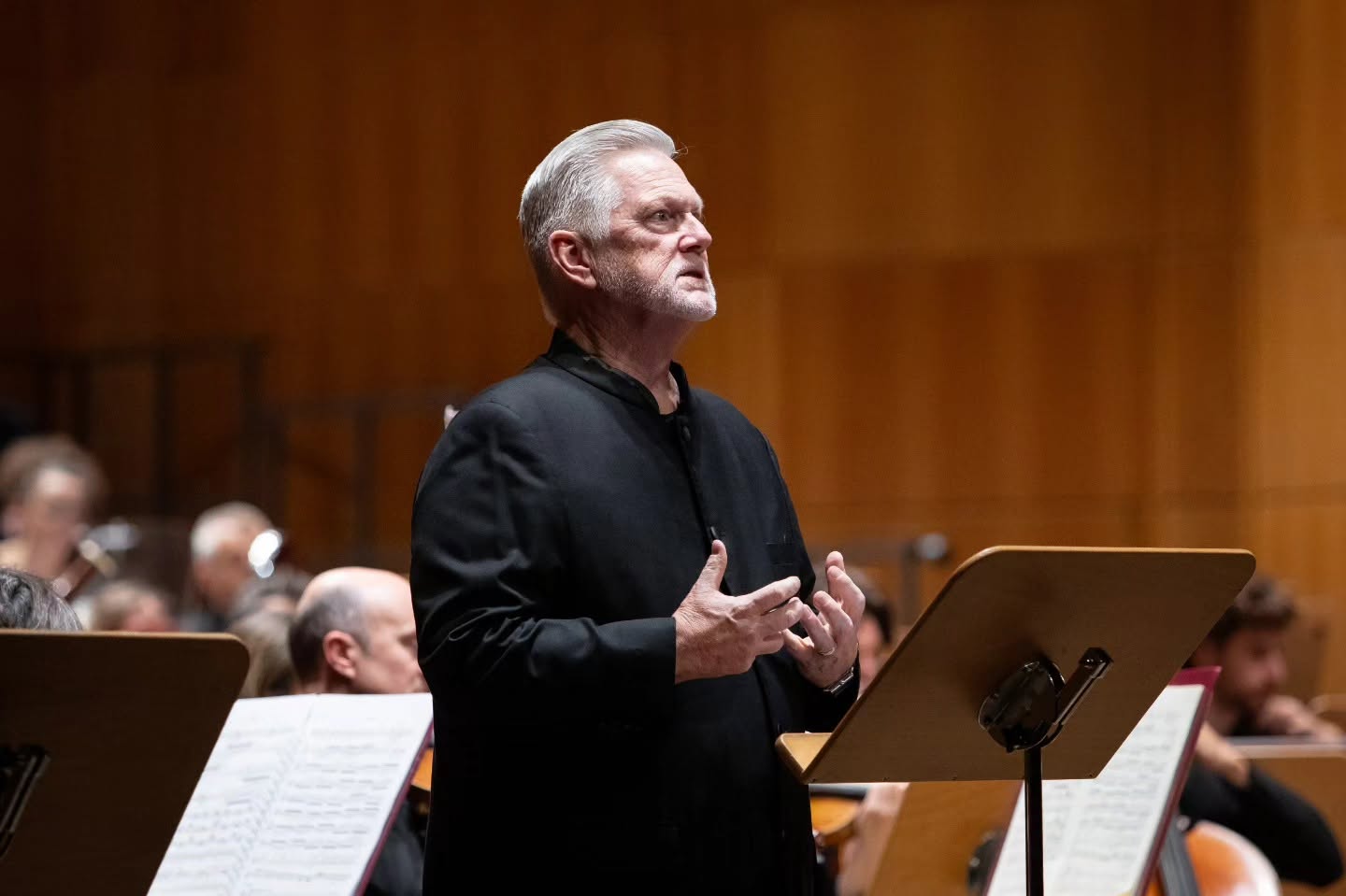
At the age of 72, Gregory Kunde is quite simply a legend, tonight singing the role of Samson. Yes, the passing of the years was audible in his opening scene, with the tone initially somewhat arid. However, he found his form very quickly, the voice opening up, and he sang with the kind of freedom singers half his age would kill for. Kunde has long and extensive experience in the French repertoire and this was evident in his textual acuity and profound understanding of the style. He gave us a masterclass in vocal longevity tonight, with his princely line and ability to penetrate deep into his character’s psyche, using the language to illustrate Samson’s journey to his final desperate act. The high B-flat with which he closed the evening was thrilling, ringing out into the room with penetrating freedom. I felt privileged to have been witness to such great artistry this evening.
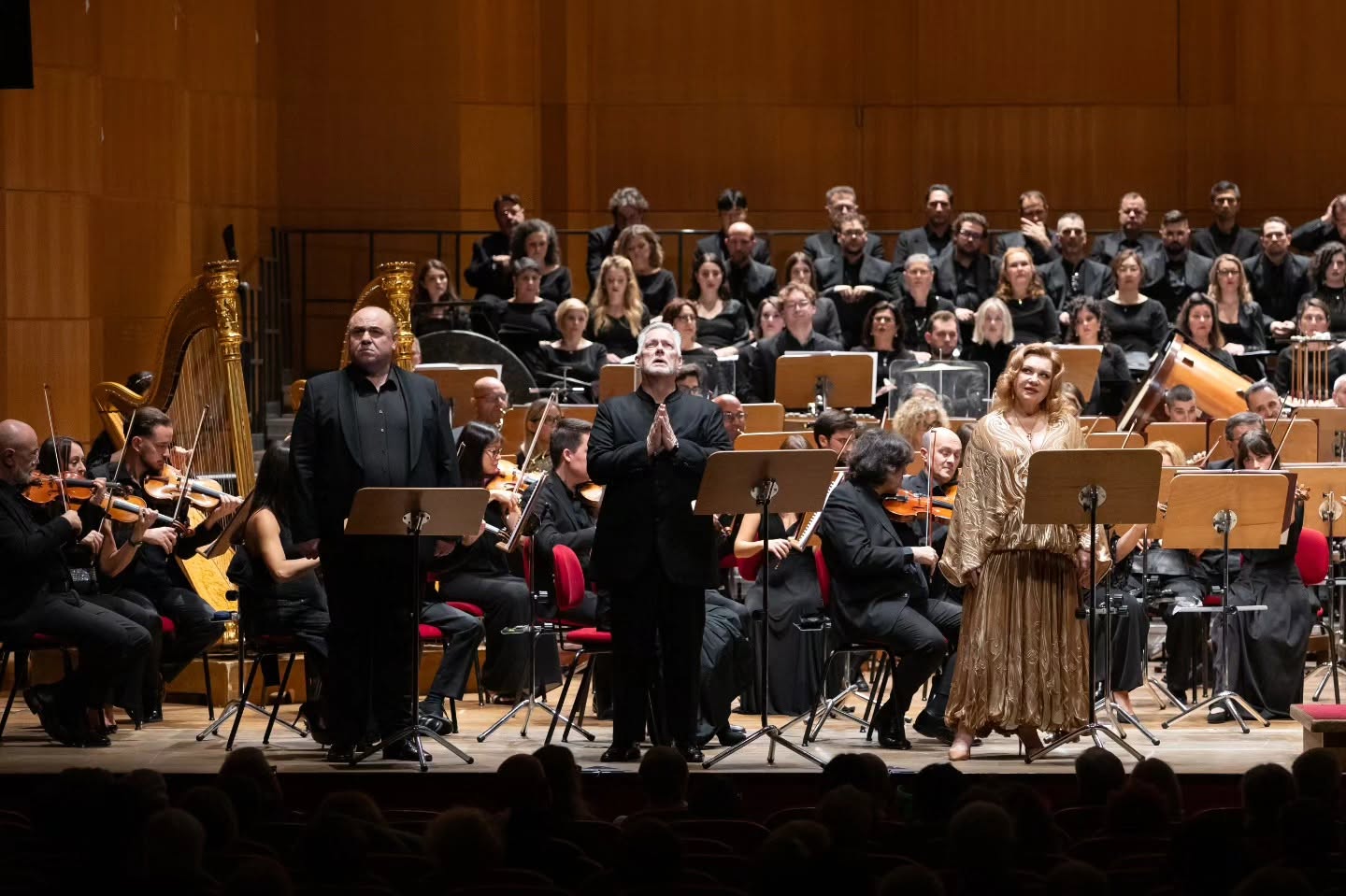
Tonight’s Samson et Dalila was something of a mixed bag. On the one hand, much of the orchestral playing was tentative and the conducting similarly cautious. On the other, we had exceptional choral singing and a stylistic masterclass from a singer with a lifetime of experience. I have no doubt that Sunday’s performance will see the combined forces execute their respective parts with more confidence and those who attend will be privileged to witness Kunde’s artistry. The audience tonight responded with warm applause for the entire cast.

