Wagner – Siegfried
Siegfried – Benjamin Bruns
Brünnhilde – Simone Schneider
Mime – Matthias Klink
Der Wanderer – Nicholas Brownlee
Alberich – Georg Nigl
Fafner – Timo Riihonen
Erda – Wiebke Lehmkuhl
Stimme des Waldvogels – Solist des Tölzer Knabenchors
Bayerisches Staatsorchester / Vladimir Jurowski.
Stage director – Tobias Kratzer.
Bayerische Staatsoper, Nationaltheater, Munich, Germany. Saturday, November 7th, 2026.
This Siegfried follows hot on the heels of last summer’s Die Walküre as the latest instalment in the Bayerische Staatsoper’s Ring cycle. The Rheingold, seen in November 2024, very much set the course of the production so far, featuring the next generation of Wagnerian talent in a staging by Tobias Kratzer of phenomenal technical ability and insight. Of course, this is a house that has a significant Wagner tradition, and with the house orchestra under the direction of music director Vladimir Jurowski, one is very much aware of being in a place where Wagner’s music has significant importance and influence.
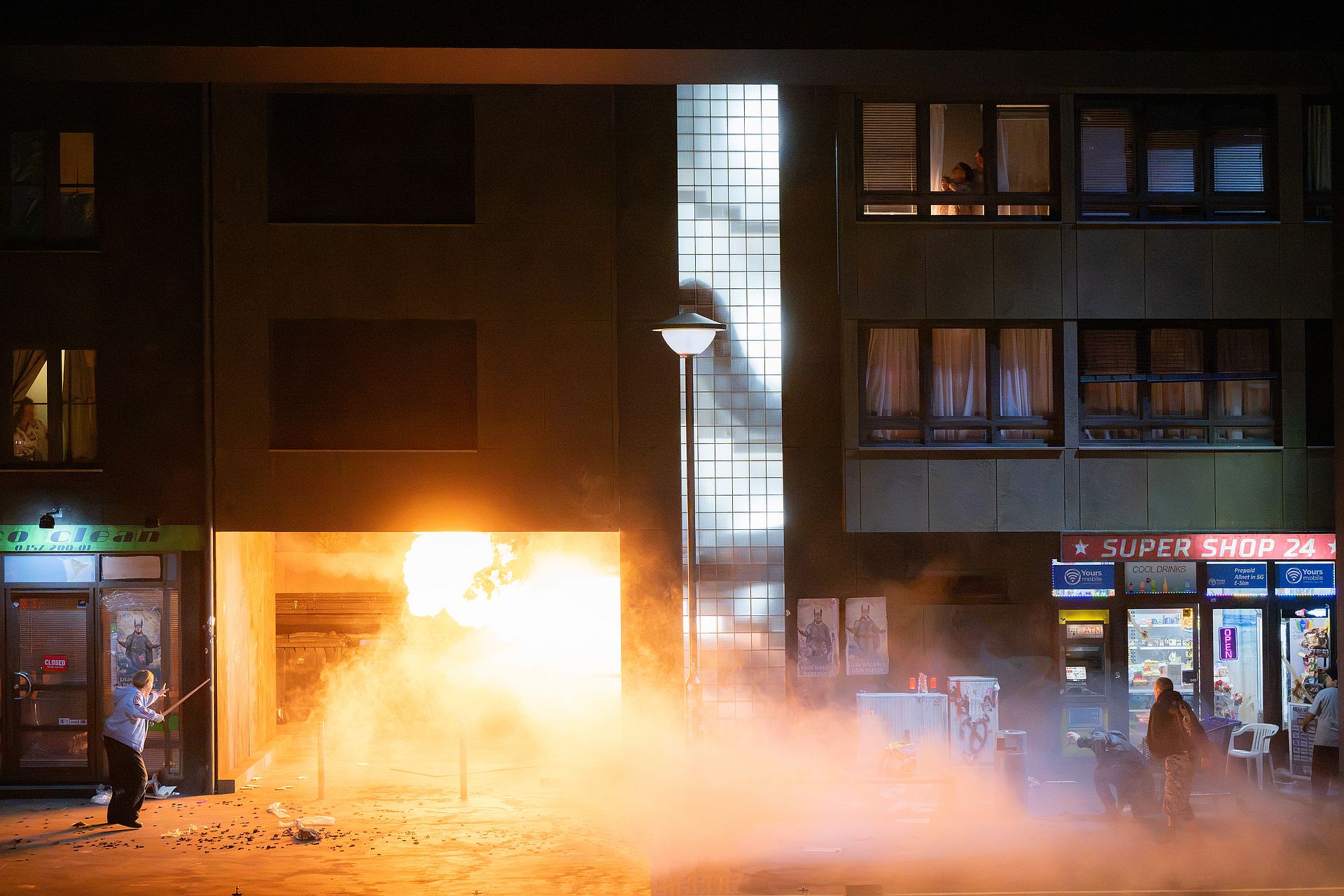
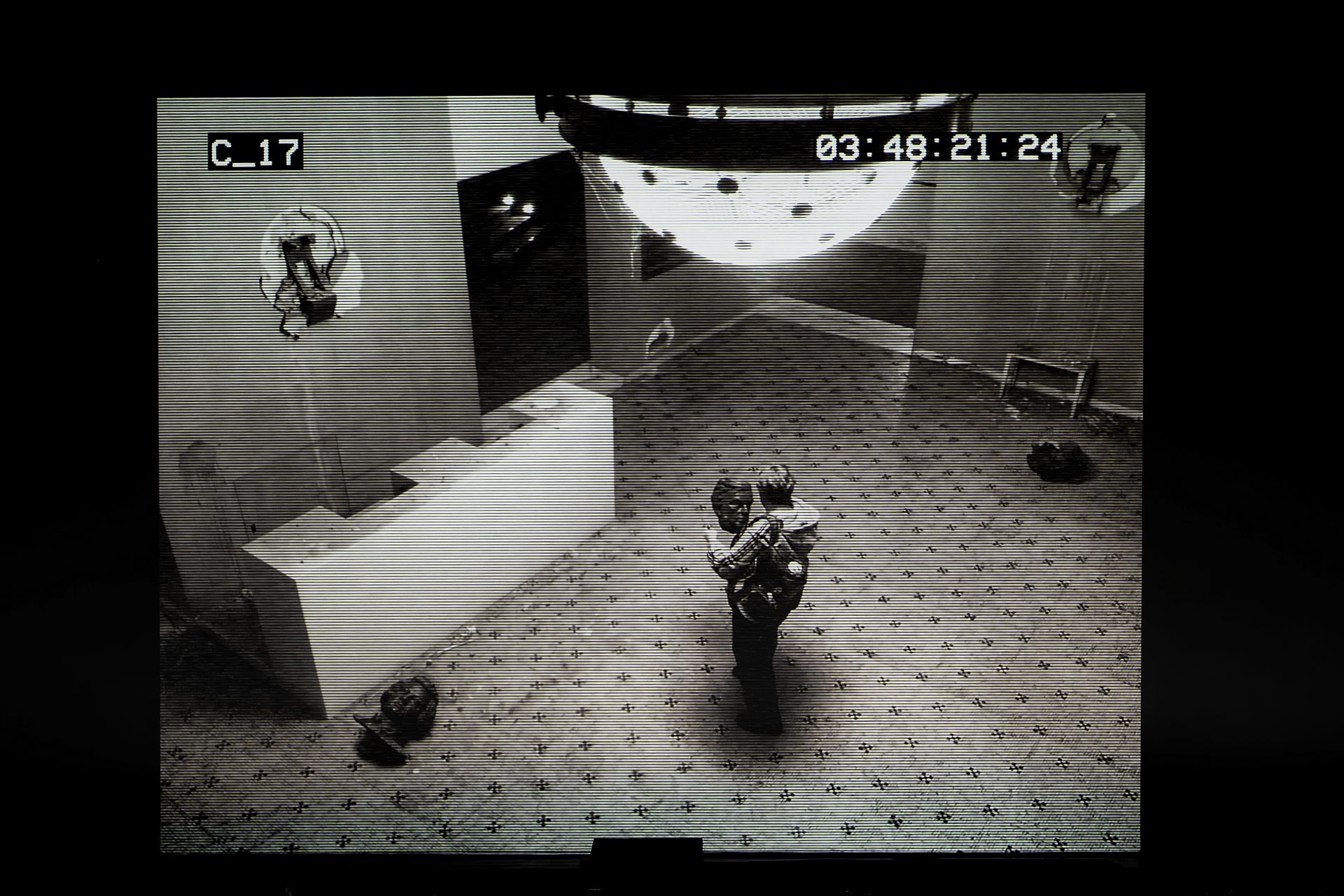
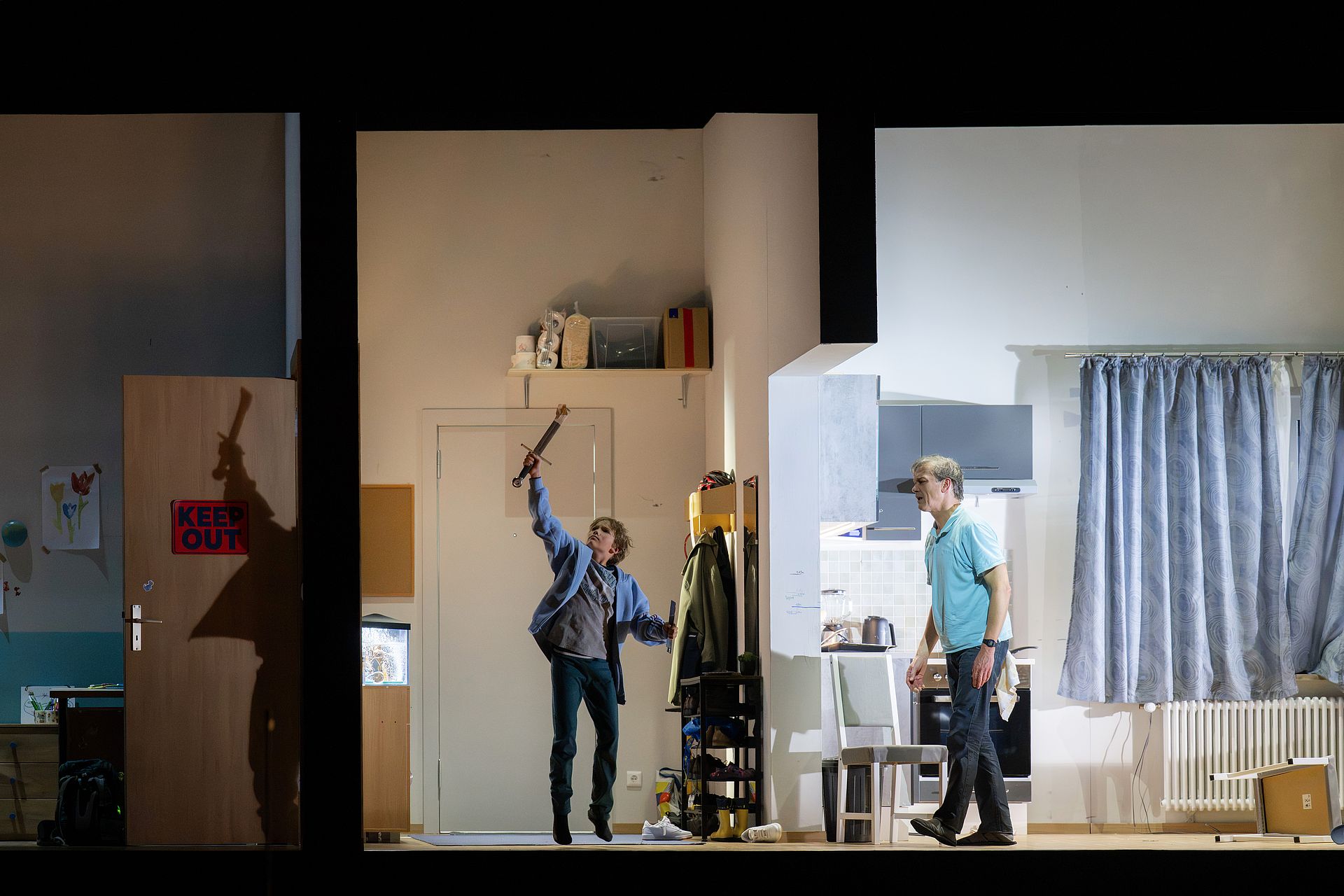
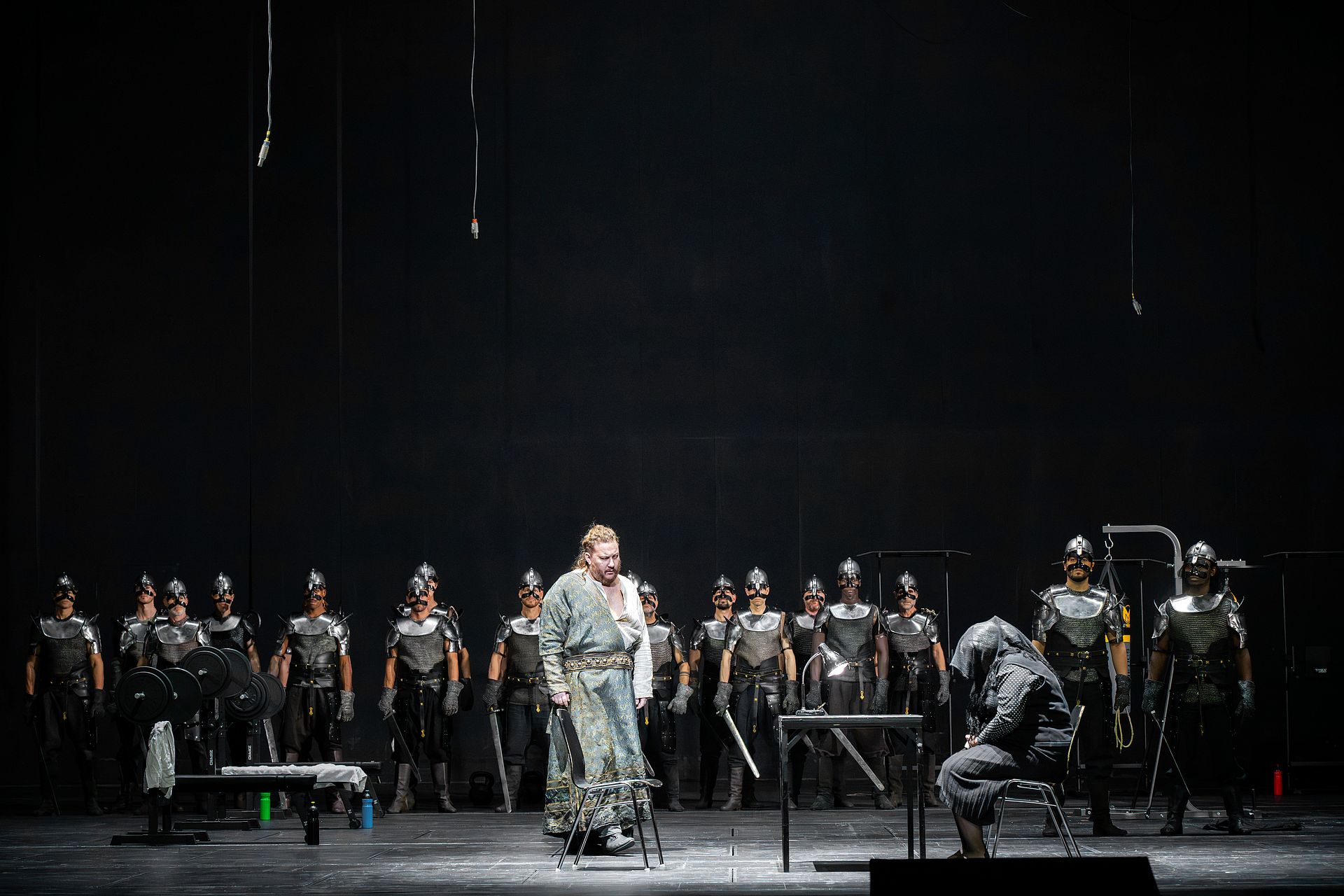
At this point, now three-quarters of the way through the cycle, patterns in Kratzer’s view of the work are gradually becoming evident. He sets the action very much in the quotidian, with sets, by Rainer Sellmaier, that could be any big city in this third decade of the twenty-first century. Act 1 is set in Mime’s apartment; while Act 2 is set in a sketchy neighbourhood, complete with laundromat and vape store, where shadowy figures walk around in hoodies, and where icons of the gods are seen on the walls. The final act takes place in both a gym, full of knights in chainmail with swords, where the Wanderer watches Brünnhilde on CCTV, and then in a replica of the Nationaltheater itself, where Brünnhilde was exiled to sleep at the end of Walküre. It has become very clear, then, that Kratzer sees the cycle as a continuous whole. By setting the work in our time, Kratzer has set up a dichotomy between the rareified world of the gods and that of the everyday. There’s a tension here between the Wanderer’s knights who fight with swords, and Alberich’s entourage who breach the opera house with guns and knives at the end. In so doing, it felt that Kratzer is making as much a statement about opera in general as about the work itself. For so long, Wagner has been seen as a composer who has a rather cult-like following, not just those devotees who pay a pilgrimage to Bayreuth, but also in the sense that this is art that is elevated, that requires deep absorption and concentration to fully appreciate. Yet here, Kratzer seems to be telling us that this is art that’s very much about the everyday, about power and the loss of it, and the nature of rebellion.
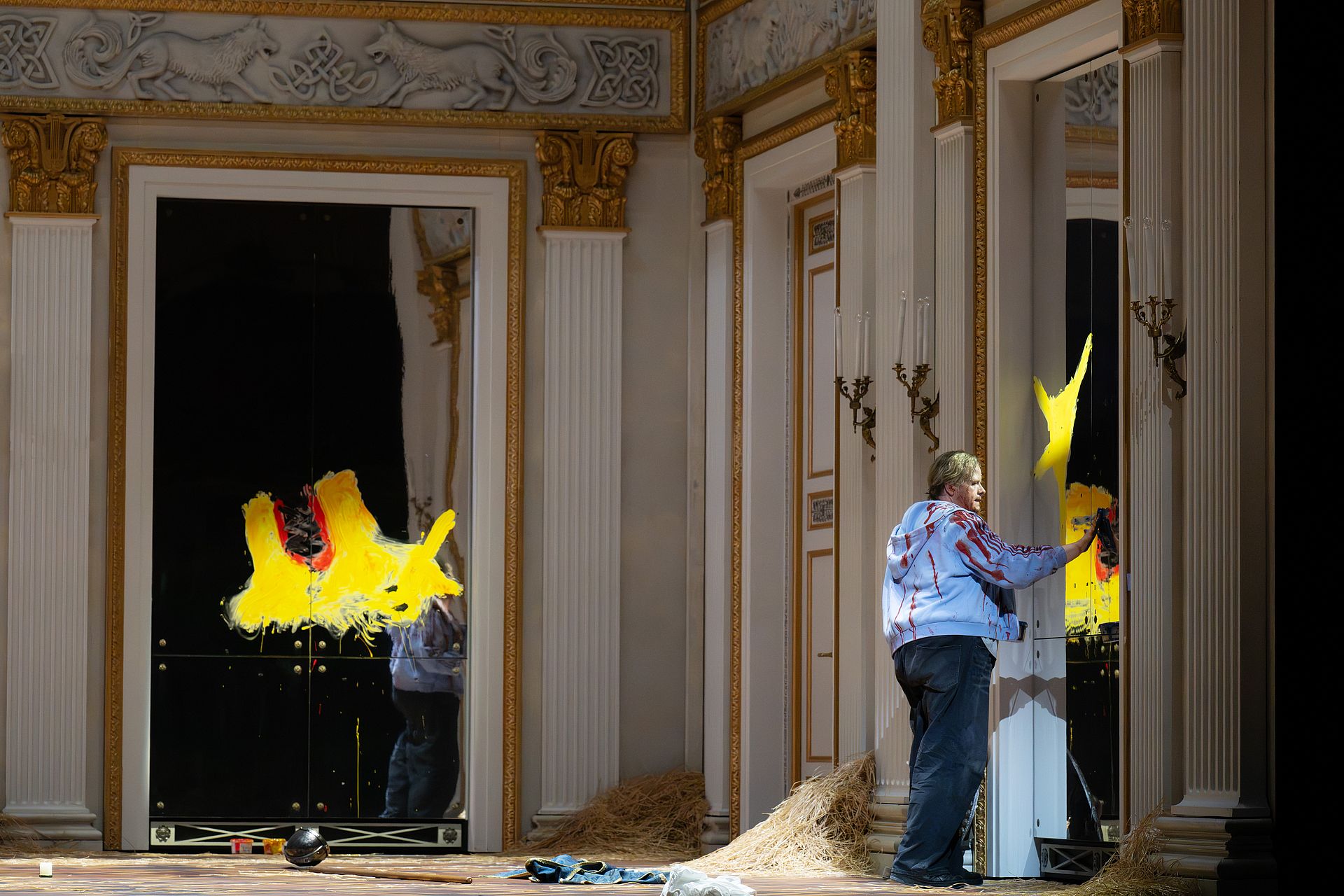
The staging abounds in subtle humour, always willing not to take the work so seriously. In highlighting the loss of power of the gods and their imminent end, Kratzer’s reading is quite literally iconoclastic. And yet, it was Wagner himself who said ‘Kinder, macht Neues!’ and this is something Kratzer is very much doing, taking a work of art that comes with so much associated baggage and rendering it as new. In so doing, he gives us a gesamtkunstwerk that combines staggering special effects (an exploding microwave, Fafner evidently becoming a slithering monster dominating the apartment block); with film that illustrates the backstory, whether showing Fafner using the ring’s power to amass financial and artistic riches or Siegfried exploring the rundown Nationaltheater to find Brünnhilde. What I’ll take with me most from tonight is how Kratzer combines all these elements to illustrate the text, particularly in the Wanderer/Mime scene in Act 1. It gives his reading a narrative clarity to his reading that is grounded in thorough and engaging personenregie.
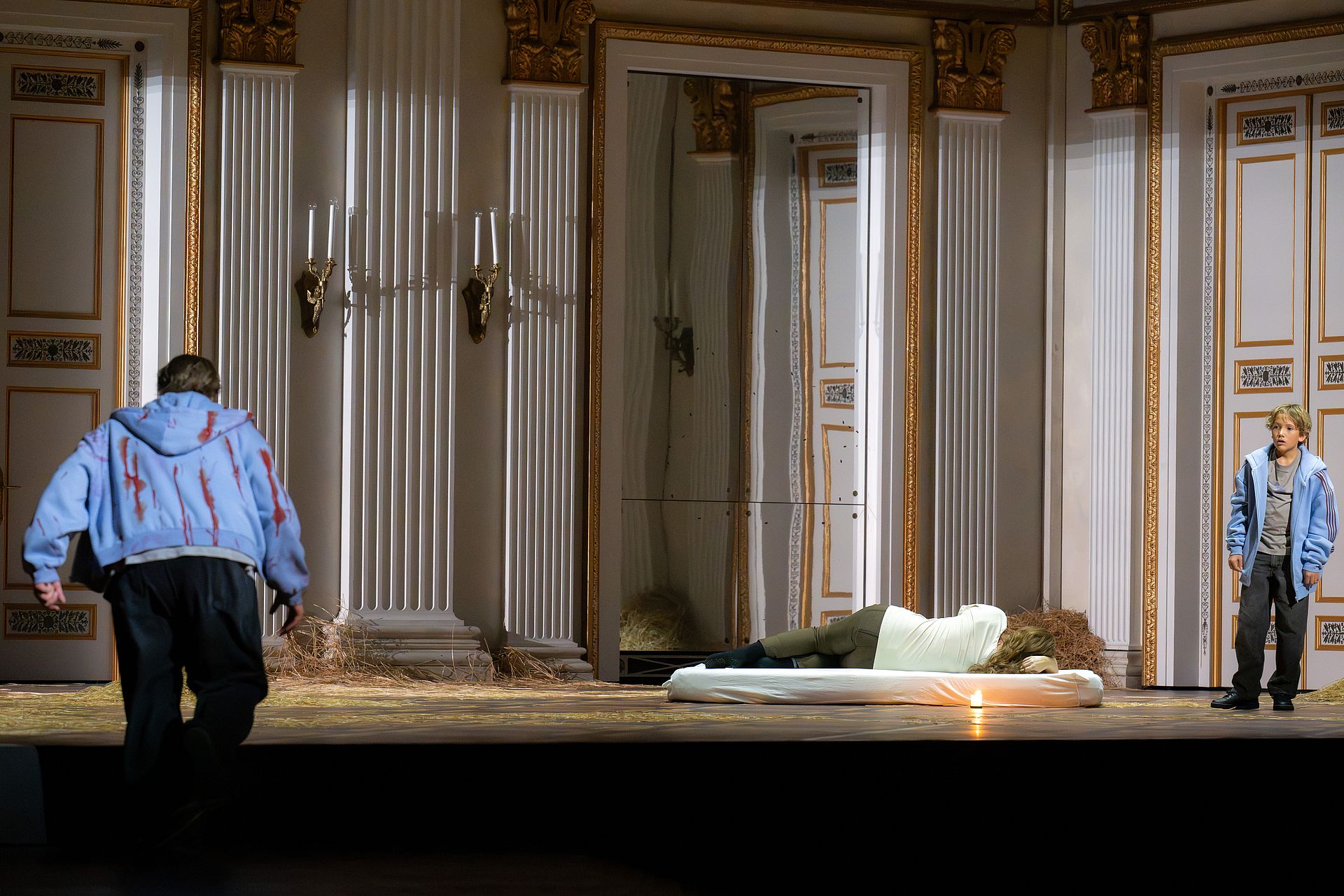
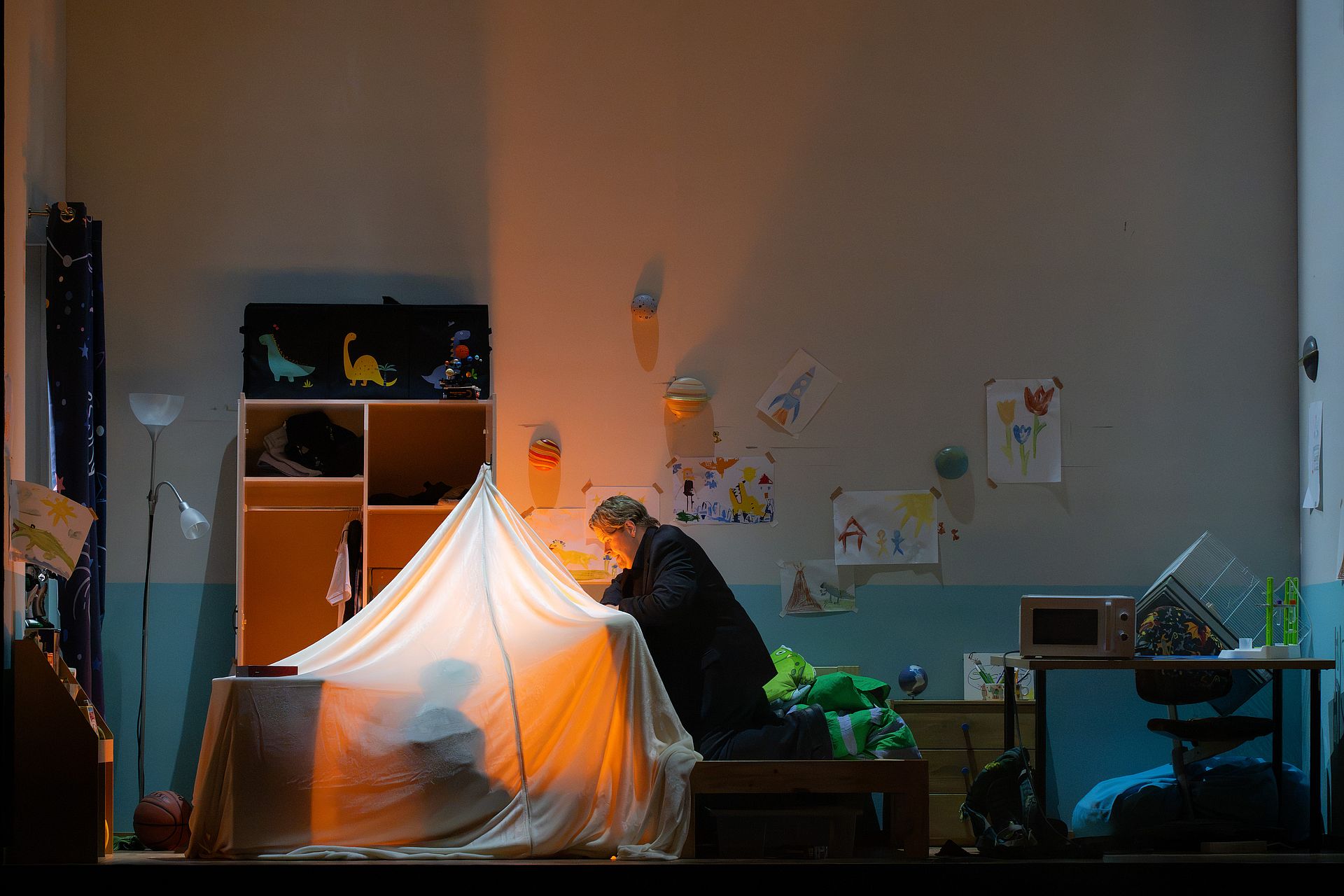
Not everything Kratzer does works. For instance, for most of Act 1, Siegfried is incarnated by a young boy, around 8 years old, while Benjamin Bruns sings in a suit at the side of the stage. The young man, Quentin Becker, gave a tremendously confident and assured performance, but the acoustic compromises required are less than satisfactory. Then, during the forging scene, both Bruns and Becker disappear behind a blanket and pillow fort for Bruns to emerge in Siegfried’s costume and then sing the rest of the evening as the character. It’s an interesting idea, superbly executed, but I’m not convinced it works due to the sonic impact. That said, the Erda scene is harrowing, with the Wanderer’s knights manhandling and waterboarding her to get her knowledge out. That must have required immense bravery from Wiebke Lehmkuhl. Ultimately, however, Kratzer’s staging is by far the most satisfying Siegfried I’ve yet seen, thanks to its staggering stagecraft, ability to illustrate the text, and subtle humour.
I’ve long found Siegfried the weakest of the Ring cycle but Jurowski made a decent case for the work tonight. His Act 1 was very well paced, opening from nothing, the menacing low brass and winds feeding into the strings, the torrent of leitmotifs coming through made to feel both disorientating and overwhelming. Act 2 also started well, but the final scene of the act did have a tendency to drag. Jurowski injected the Erda scene with dramatic impetus and power. However, I did find his pacing somewhat too slow in the final scene of the evening. One could understand his desire to find the beauty in ‘Ewig war ich’, but giving it such a slow tempo at that point in the evening made the tension dissipate. The playing he secured from the Bayerisches Staatsorchester was simply outstanding. The violins coped extremely well with that treacherous high writing as Siegfried approached the rock. We also had some deliciously woody clarinets, while the wind playing as a whole was full of individuality and distinction. The brass playing had a wonderful glow and the few split notes here and there were understandable given the length of the evening. Indeed, despite the long evening, Jurowski kept his forces with him throughout, with attack always even and unanimous.
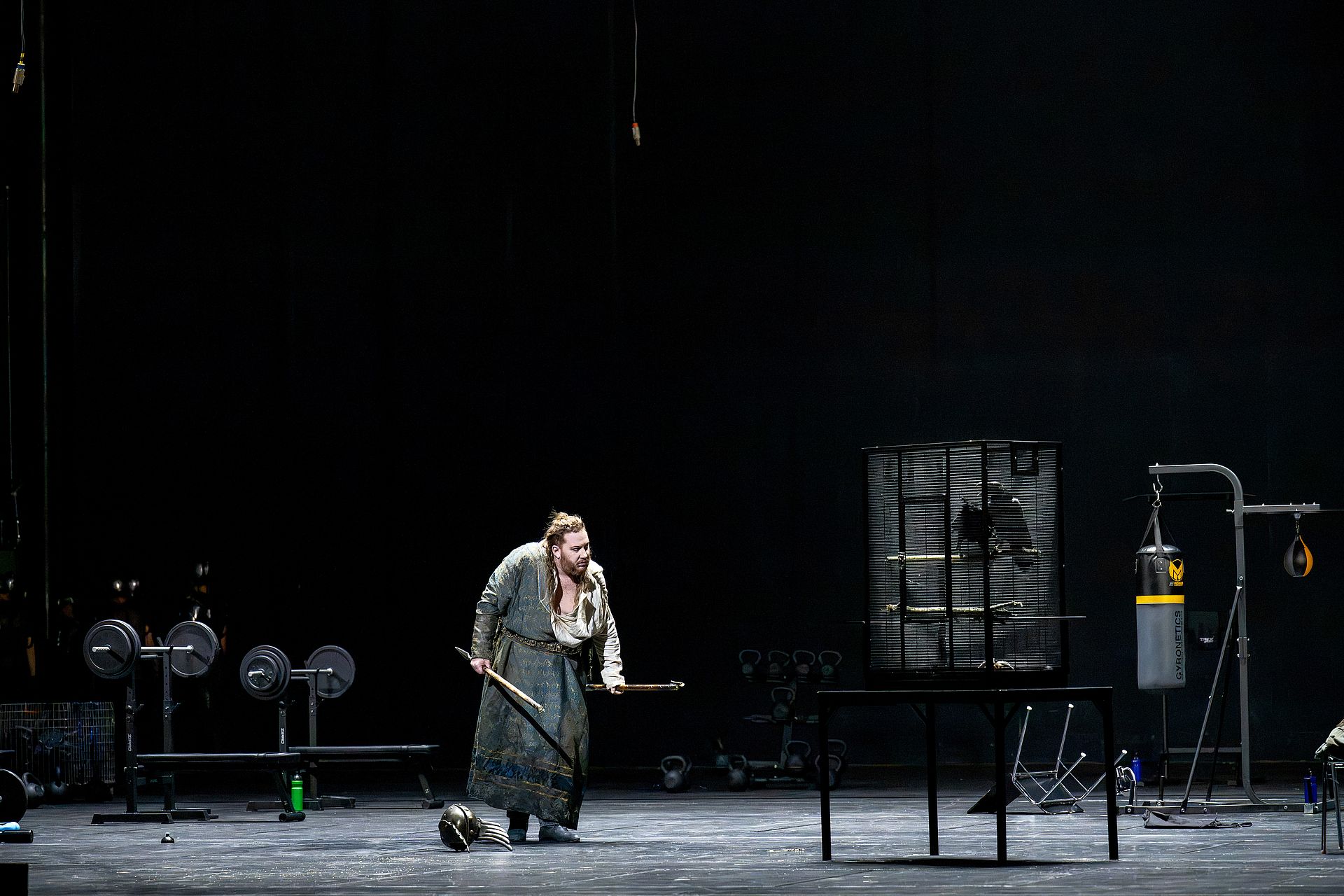
Returning in his guise of Wotan, now the Wanderer, Nicholas Brownlee gave us some absolutely superb singing. What I appreciate about his artistry is how much he’s grown into this role and the music since his Rheingold Wotan in 2024. Now, the voice sounds so fully lined up, with optimal support, from a jet-dark lower register to an open and free top. Brownlee also lives the words even more now, the diction always impeccably clear, every word made to matter and mean something. This was the case also throughout the cast, which helped to make Kratzer’s staging so clear and compelling. Brownlee has so far been the glue that has held this cycle together, and it will be fascinating to see where it goes now Wotan has lost his power.
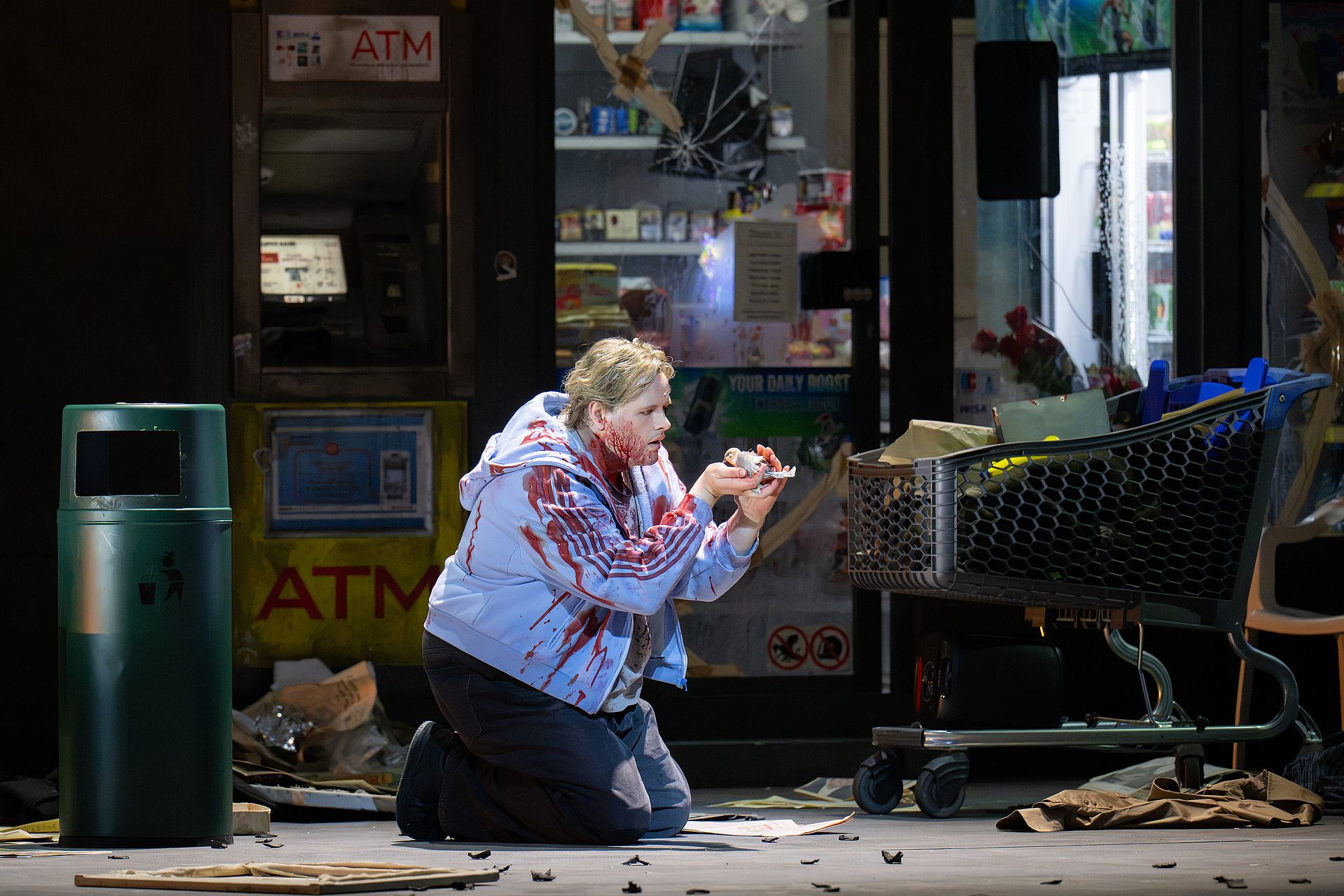
Matthias Klink sang Mime in a bright, forwardly-placed tenor. He was an active stage presence, always making so much of the text. If the higher-lying passages towards the end of Act 2 did sound under pressure, that’s a small price to pay for singing of such commitment and focus. Alberich was taken by Georg Nigl who was a similarly active stage presence. Nigl’s baritone is carved from granite in tone, yet utterly firm with a top so easy it seems to defy gravity. He injected the scene between the Wanderer and Alberich with such dramatic insight that it flew by as if in an instant. Timo Riihonen’s Fafner was sung in a massive, resonant bass, while Lehmkuhl’s Erda was intoned in a mahogany contralto of similarly impressive resonance. The Waldvogel was taken by a member of the Tölzer Knabenchor, Jakob Distler, who did sing with tremendous assurance for someone so young, although I did wish for the security of the higher register of an adult soprano in the role.
Stepping in for the role of Brünnhilde for this part of the cycle is Simone Schneider. She’s undoubtedly the foremost large lyric German soprano of our time, the owner of a generous, soaring instrument of easy reach. Her opening ‘Heil dir, Sonne!’ set her stall, the voice brassy and cutting, while the lower register had an attractive, autumnal warmth. Schneider coped extremely well with the very slow tempo for ‘Ewig war ich’, spinning long, seemingly endless lines, with an impeccable legato, while elsewhere giving us a decent trill. As Schneider approached the final phrases of the evening, the voice opened up thrillingly and culminated in a tremendous high C.
Making his next step into the heldentenor repertoire, Bruns was a superhuman Siegfried. For the first time, here was a singer who had more than enough in the tank after five-and-a-half hours to sing with freedom and openness in those ecstatic outpourings of the closing pages. His is very much a true tenor, bright in tone, as opposed to the pushed-up baritone often employed in this role. Having seen him as the Kaiser (alongside Schneider) in Stuttgart a few years ago, I knew that Bruns was on the way to this role. One can absolutely say that he has fully arrived in it. His princely line did seem a little out of place in Act 1, where the role needed a bit more uninhibited swagger, but the distinction of his singing was not in doubt. More than anything, one had a sense that throughout the evening, Bruns stayed absolutely and utterly true to his instrument, never pushing the voice further than it can go, always singing with freedom and generosity. Bruns’ Siegfried is a major achievement and without a doubt the most significant Wagner debut of recent years.
This was, once again in this cycle, an evening that showed this great theatre at its very best. Musically, it was at the highest level, even if I had a very few reservations along the way about some of Jurowski’s tempo choices, while the singing was of the quality one could rightly expect at this estimable address. Kratzer’s staging is full of intriguing touches and insight, giving us precisely that gesamtkunstwerk that Wagner sought to produce. It occurred to me, leaving the theatre tonight, walking through this historic city that takes its traditions so seriously, that Kratzer’s staging may well also be an allegory for contemporary Germany: an analogue country in a digital world, as Larry Elliott described it. The applause at the close was absolutely thunderous, rarely have I heard an audience here respond with such uninhibited and generous acclaim for the entire cast.

